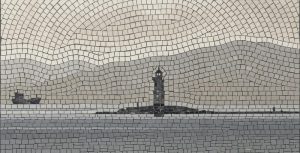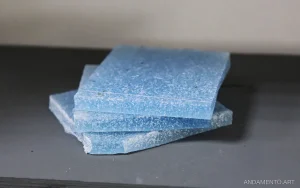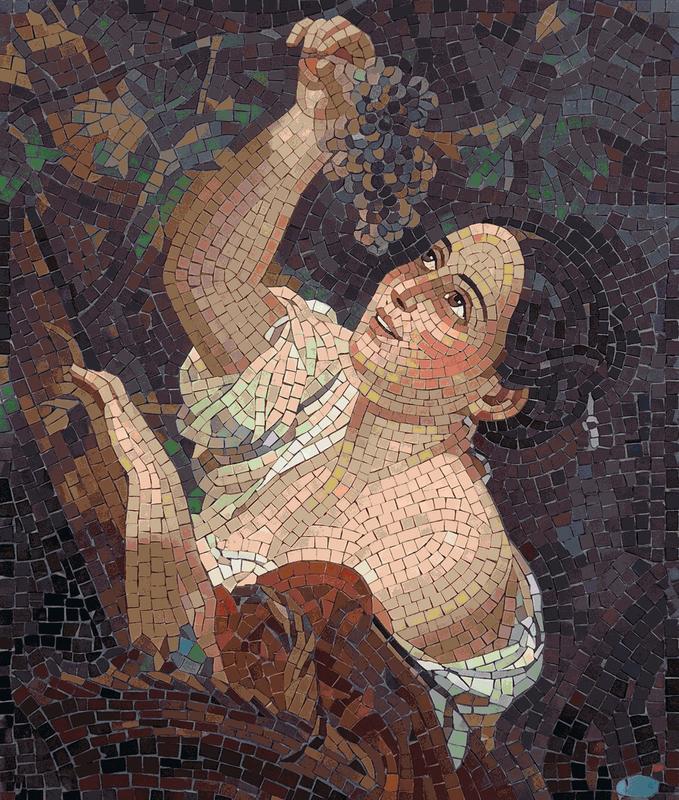
Smalta for mosaics is a unique material that has remained the gold standard for creating monumental and interior works of art for millennia. Unlike ordinary glass, it possesses a deep, saturated color and a special texture that allows light to play on the surface, creating an effect of living radiance. Whether you plan to create a masterpiece—be it a classic panel in the Opus Tessellatum style or a modern object using the Trencadís technique—understanding the properties of this material will be the foundation of your success.
What is Smalta, and How Does It Differ from Ordinary Glass and Ceramics?
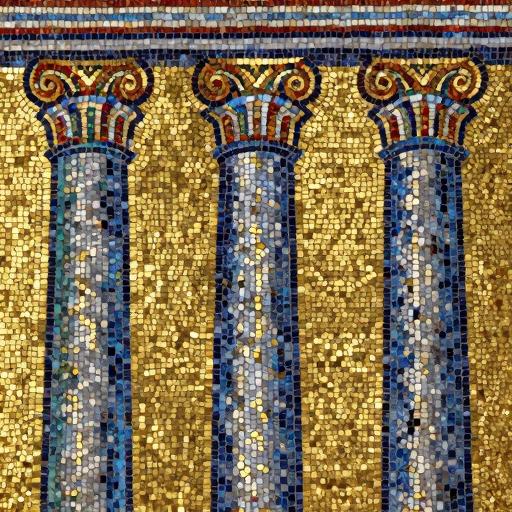
From a technical standpoint, mosaic smalta is an opaque or semi-transparent glass produced by adding metal oxides during the melting process. These additives determine the final color: cobalt produces a deep blue, copper yields green or red, and gold and silver are used to create precious highlights. The primary difference from standard sheet glass lies in its high density and lack of transparency, which makes each individual piece, or tessera, a distinct spot of color.
Compared to ceramics, smalta offers far greater color intensity and resistance to fading. Ceramic tiles or clay-based smalta have a porous structure and a matte surface, whereas glass smalta reflects light from various angles. This property was particularly valued in Byzantine architecture—for instance, in the basilicas of Ravenna (5th–6th centuries), where tesserae were set at a slight angle to capture candlelight and sunlight as effectively as possible. Thus, smalta provides a depth of image unattainable by either ceramics or ordinary glass.
Main Types of Smalta: Venetian, Russian, and Murrine
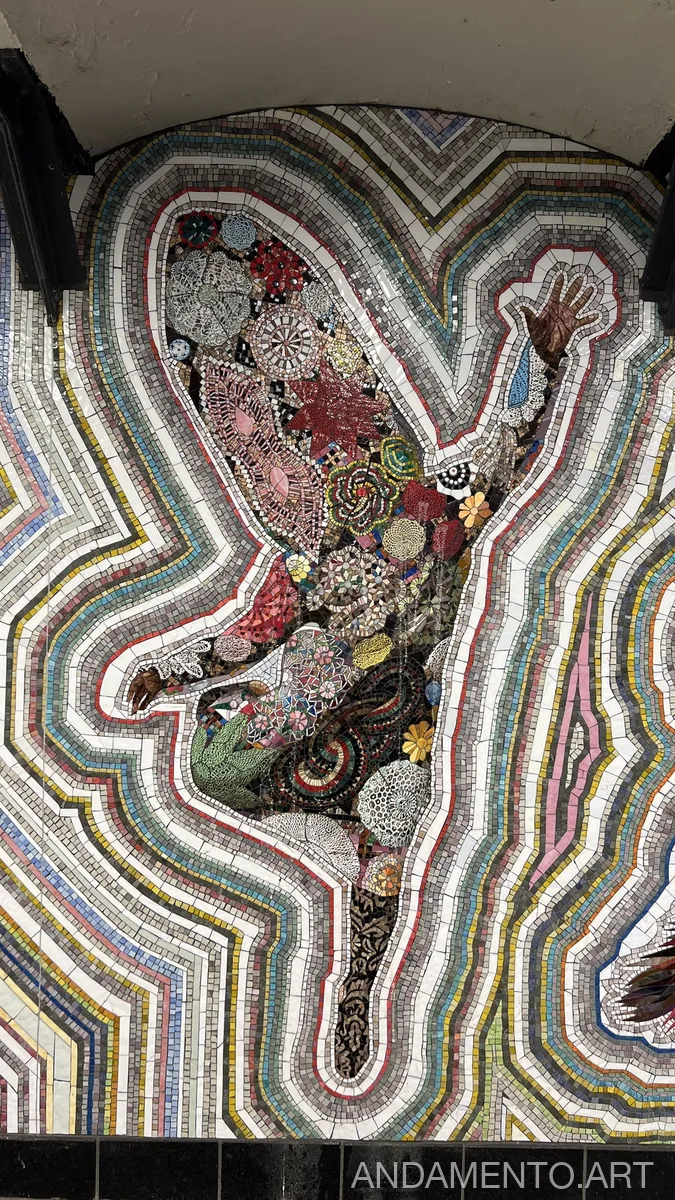
The global mosaic market traditionally divides the material into several key types, each with its own production characteristics and aesthetics. Venetian smalta, produced on the island of Murano, is considered the gold standard. It is distinguished by an incredibly wide palette of shades and high color purity. Venetian masters use secret recipes to achieve perfect opalescence—an effect of soft internal glow—making such works particularly expensive and prestigious.
Russian smalta has its roots in the Soviet monumental school. The USSR established powerful production facilities that enabled the creation of massive panels in metro stations and on the facades of public buildings. Russian material is often denser and more substantial, making it ideal for outdoor work and large-scale projects. It possesses high frost resistance and durability, although its palette may be slightly less varied than its Italian counterparts.
Murrine smalta occupies a special place. It is not simply a colored block, but the result of a complex technology: the master creates a multicolored glass rod with a specific internal pattern, which is then sliced into thin disks. This results in tesserae with concentric circles or floral patterns. Such elements are used as accents in a composition, allowing for detail without the need to select numerous tiny pieces of different colors.
Technical Properties and Aesthetics: Why Choose Smalta?
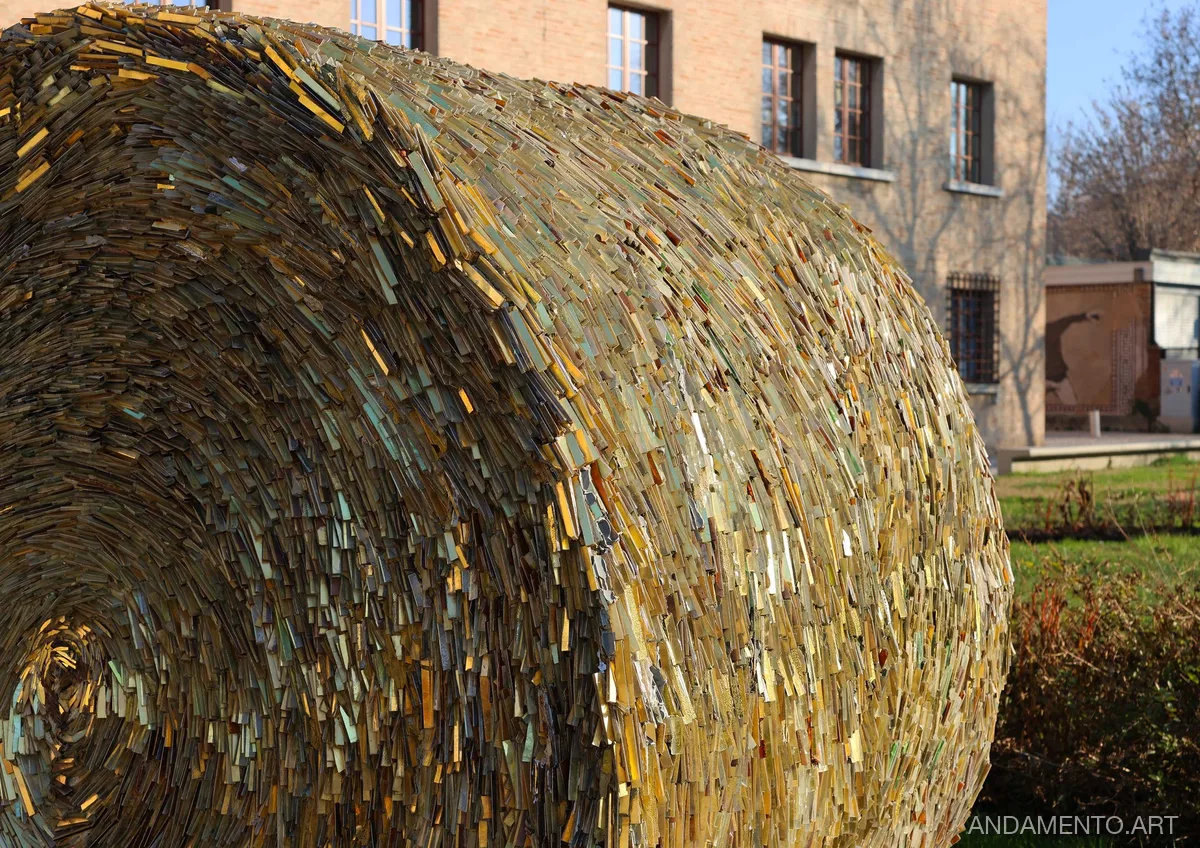

The choice of smalta is driven by its unique physicochemical properties. First is its absolute colorfastness. Since the pigment is embedded within the glass mass rather than on the surface as a glaze, the image does not fade under ultraviolet light for centuries. Second, smalta exhibits excellent adhesion to most modern adhesives, ensuring a secure bond with the substrate, whether it be a concrete wall or a wooden frame.
From an aesthetic perspective, the key factor is the play of light. Because the surface of each tessera has slight irregularities, light is diffused rather than reflected like a mirror. This creates an effect of volume and dynamics: as the viewer moves along the mosaic, the image appears to “move.” Furthermore, smalta allows for work with different levels of transparency—from completely opaque colors to semi-transparent ones that let light penetrate deep into the material, creating an effect of layering and spatial depth.
How to Choose Smalta for a Specific Project
When choosing a material, it is essential to clearly define the purpose of the future work. For interior panels, icons, or decorative furniture inserts, Venetian smalta is the best choice due to its refinement and richness of shades. However, if the project is intended for outdoors (facades, fountains, garden paths), preference should be given to Russian or specialized industrial smalta, which offers increased resistance to temperature fluctuations and humidity.
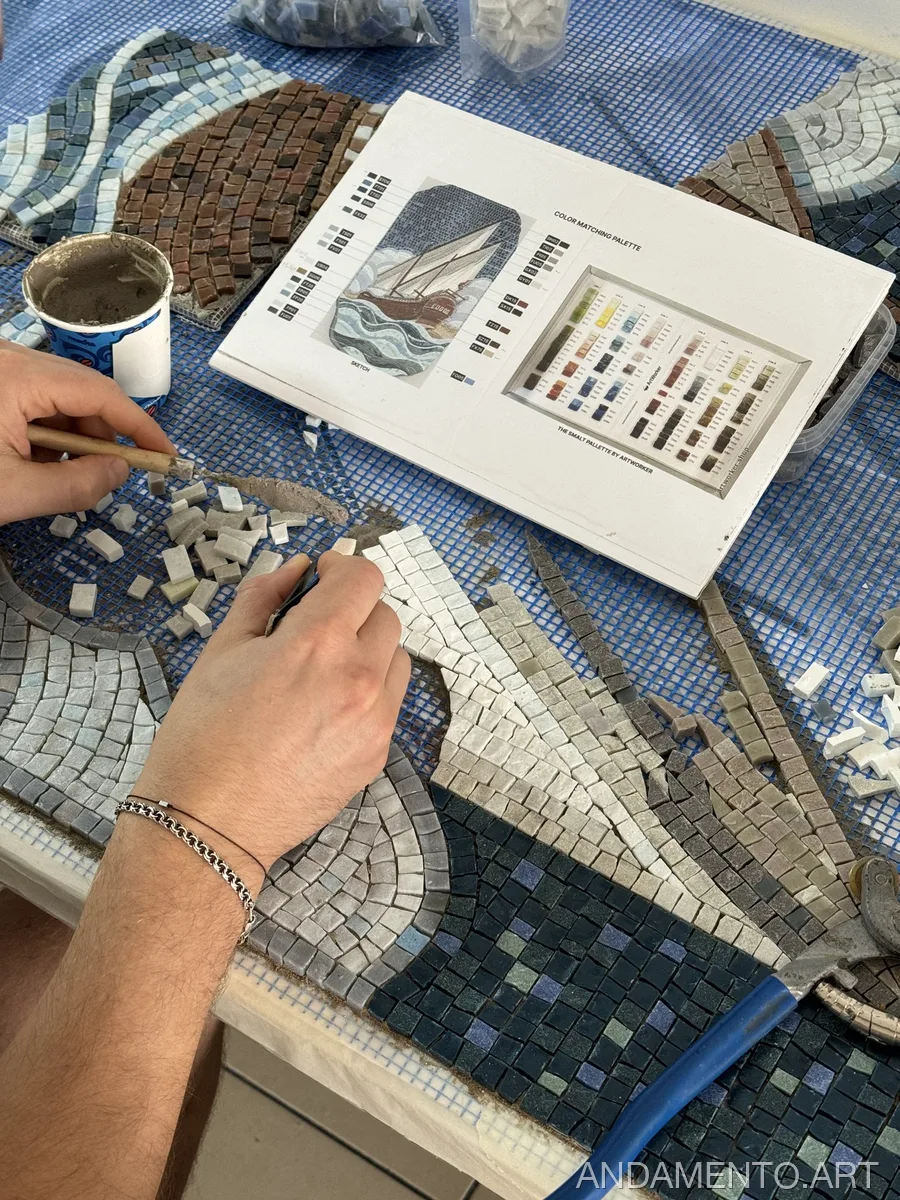
The execution technique must also be considered. For the classic Opus Tessellatum style, solid blocks are required, which the master splits to the desired size. For the modern Trencadís technique, which uses random shards, different types of smalta can be combined with ceramics. When selecting colors, it is recommended to purchase material with a small surplus, as different batches of the same shade may vary slightly in tone. Always check a sample of the material in the light: the same color can look different under artificial lighting compared to natural sunlight.
The Smalta Market in Russia: Brands, Prices, and Where to Buy
Currently, in Russia, one can purchase both imported smalta from Italy (Murano) and products from domestic workshops or imports from China and Turkey. The premium segment is represented by Venetian brands, where costs can reach several thousand rubles per kilogram depending on the rarity of the color (gold-containing smalta is particularly expensive). The mid-range segment consists of high-quality Russian smalta and certified European equivalents, with prices ranging from 800 to 2,500 rubles per kg.
Mosaic smalta can be purchased in Russia at specialized art stores, such as “Leonardo” (in limited assortments), or at professional mosaic studios in Moscow and St. Petersburg. Online stores are also actively developing, offering both kits for beginners and wholesale supplies for professional restorers. When buying online, always request real photos of the material without filters to avoid errors in color reproduction.
In conclusion, working with smalta is a process that combines craft and pure art. The correct choice of material determines not only the longevity of the work but also the viewer’s emotional response. If you wish to experiment with forms and colors before moving to physical implementation, try creating a digital sketch using the andamento.app service, where you can model an ideal mosaic while accounting for all the technical characteristics of the material.