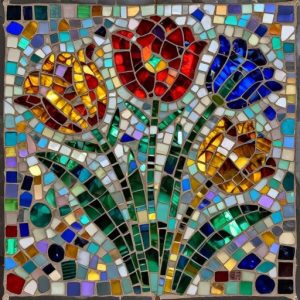
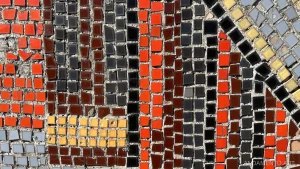
Natural stone for mosaics has remained the gold standard of durability and luxury for millennia, transforming any surface into a work of art. From the ancient villas of Pompeii to modern penthouses, natural minerals create a unique interplay of textures that cannot be fully replicated by synthetic materials. Choosing the right stone determines not only the visual appearance of the composition but also its resistance to external influences, moisture, and time.
Types and Properties: Choosing Natural Stone for Mosaics
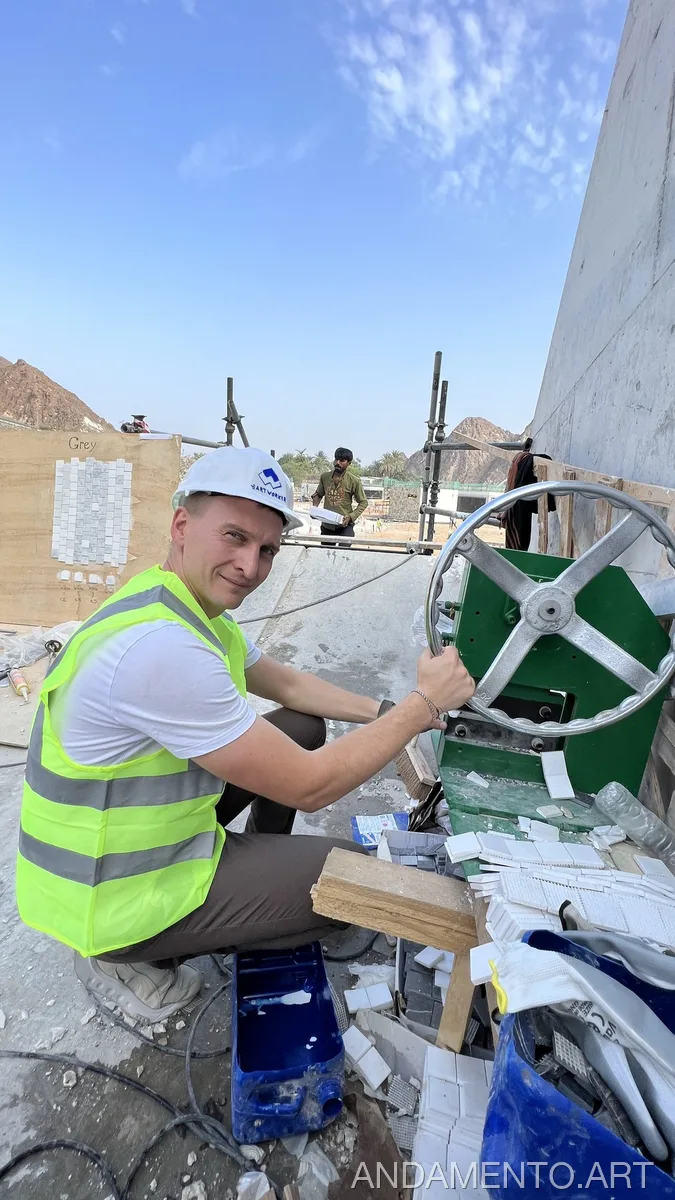
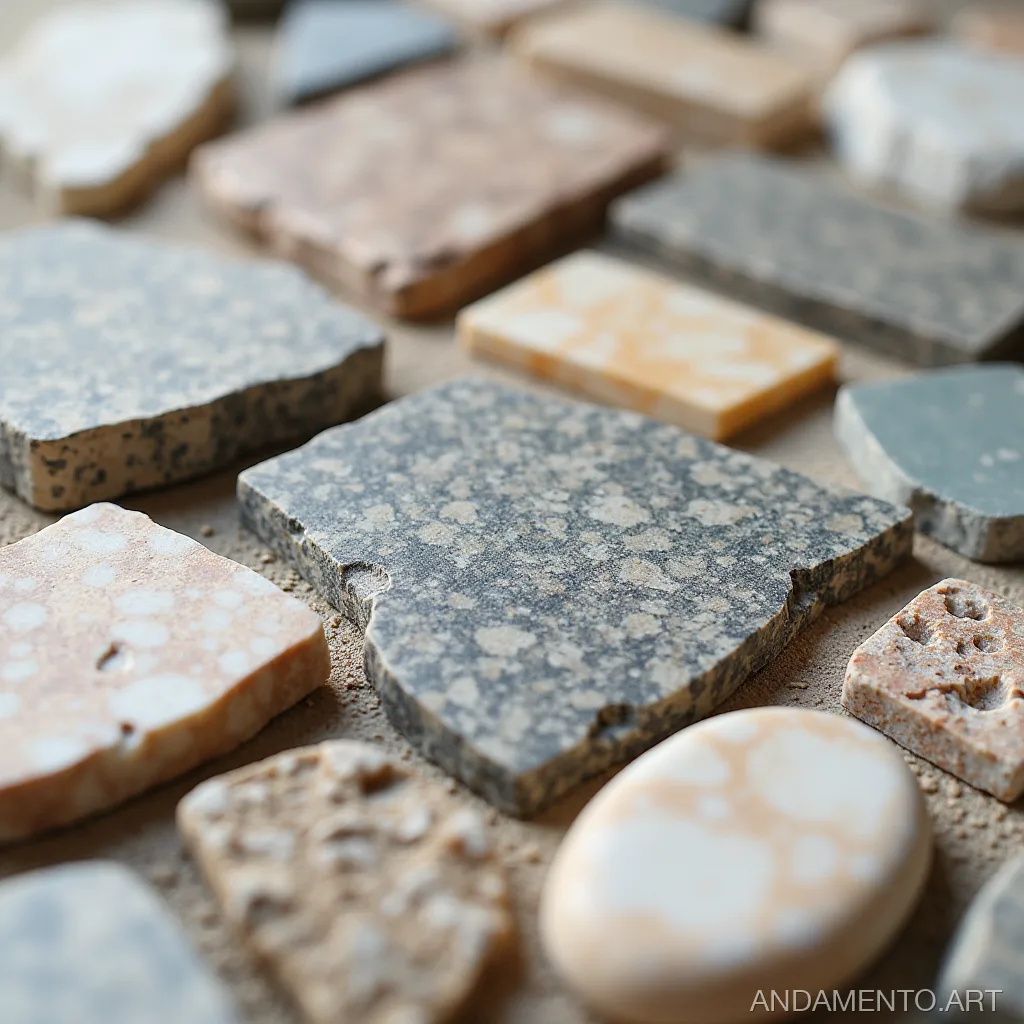
When selecting materials, artisans rely on the geological properties of the stone, as each mineral type dictates its own rules of engagement. Marble is a metamorphic rock valued for its plasticity and rich palette of shades. For example, white Carrara marble from Italy has been the primary material for creating classical panels for centuries. It is relatively easy to work with, allowing for the creation of small tesserae with sharp edges; however, its porosity makes it vulnerable to acids.
Granite, by contrast, is an igneous rock and is considered one of the most durable materials. Thanks to its high content of quartz and feldspar, granite is virtually non-absorbent and highly resistant to abrasion. This makes it ideal for use as a flooring material in high-traffic areas. The color palette of granite is more understated—dominated by gray, black, and pink tones—but it is precisely this austerity that lends a sense of monumentality to the work.
Travertine is a sedimentary rock characterized by its caverns (pores). In Ancient Rome, it was used to build the Colosseum, and in mosaics, it is prized for its warm beige and cream tones. Travertine lends a natural roughness and authenticity to a piece. Unlike smooth marble, it creates a more matte, “earthy” surface, which is often used in eco-design and rustic interiors. Each of these stones requires a different approach to cutting and setting.
The Florentine Tradition: The Art of Commesso
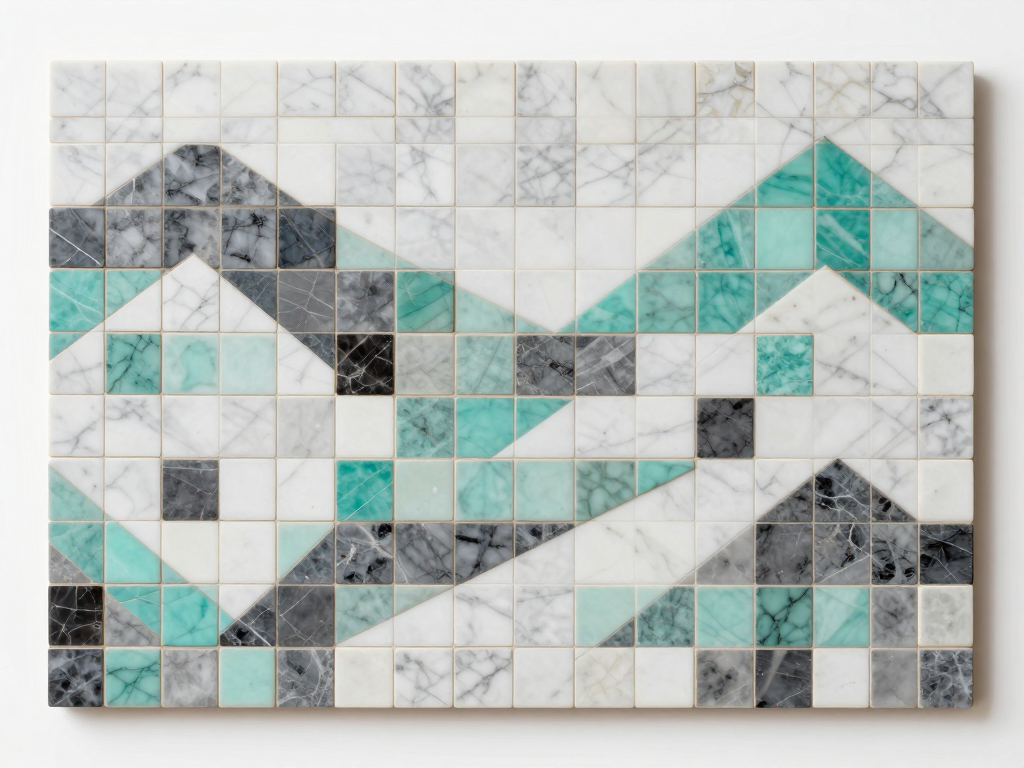
A special place in history is held by Florentine mosaic, or Pietre Dure (hard stones). This technique emerged in the 16th century with the support of the Medici dynasty, who founded the Opificio delle Pietre Dure in 1588—a workshop where incredibly detailed stone paintings were created. Unlike classical mosaics, where tesserae are separated by grout lines, the Florentine technique involves the tightest possible fit of the elements. Masters selected pieces of natural stone by color and pattern to create the illusion of a painting.
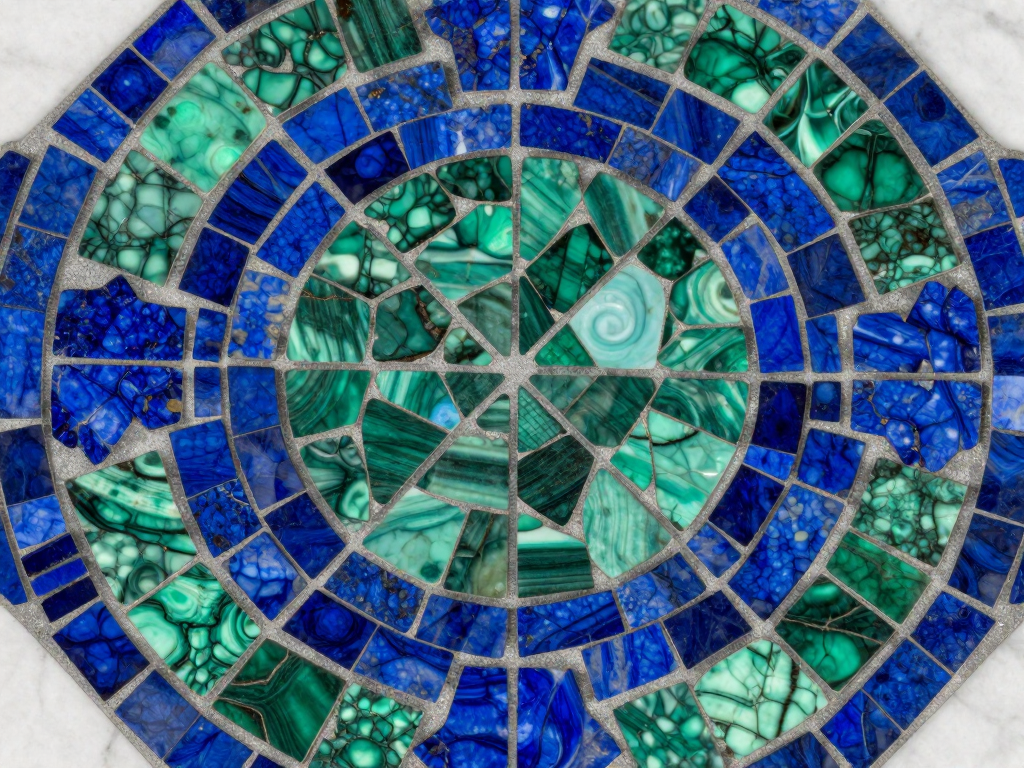
Commesso utilizes not only marble and granite but also semi-precious stones: lapis lazuli, jasper, malachite, and agate. This allows for an incredible color saturation that sometimes surpasses even vibrant smalti. The primary difficulty lies in the fact that each element is cut precisely to the shape of the design detail, rather than in standard squares. Such work requires jewelry-like precision and a deep understanding of the mineral’s structure to ensure the cut does not cause the entire fragment to shatter.
The Florentine tradition transformed mosaic from a functional floor decoration into a high art form. Today, such works are considered collector’s items. The use of rare stone varieties combined with filigree edge-fitting creates the effect of a “stone canvas,” where the boundaries between details are virtually invisible, and the depth of color remains unchanged for centuries.
Stone Processing and Cutting Technology
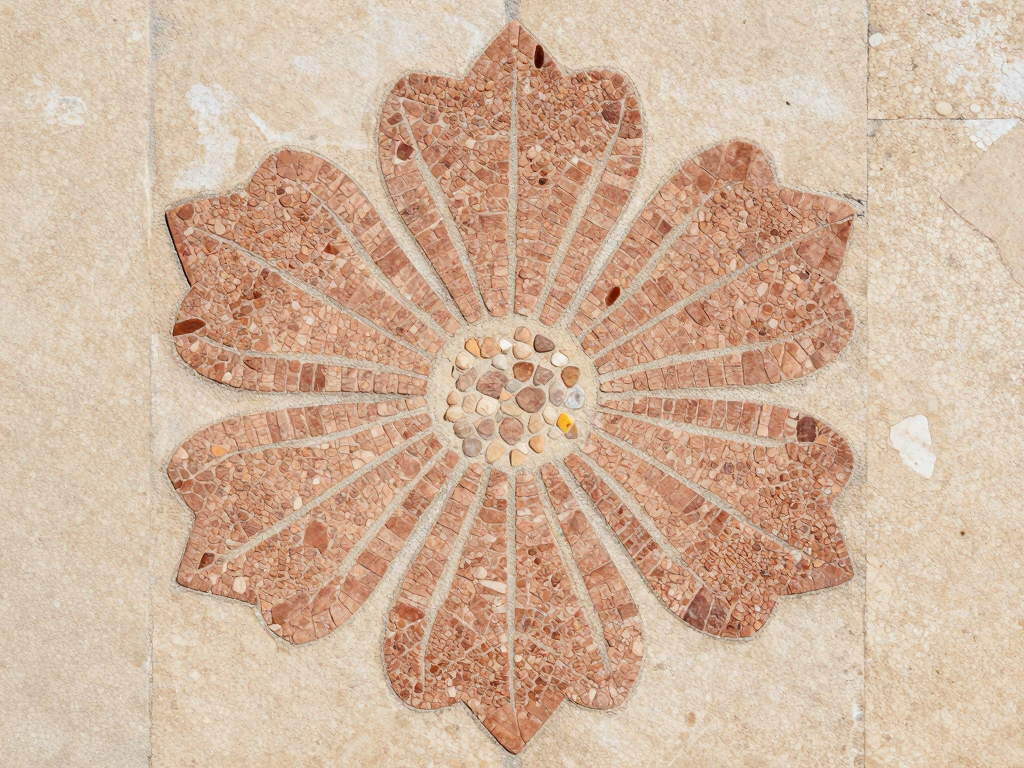
The process of turning a block of stone into elegant tesserae requires a combination of traditional tools and modern technology. The classical method involves the use of a martellina (a specialized hammer) and a taliolo (a steel wedge set in a wooden block). The artisan strikes the stone, forcing it to split along a specific line. This method is still valued for creating a “living” edge, which gives the mosaic volume and a characteristic play of light that is unattainable with perfect machine cutting.
The modern approach includes the use of diamond discs and CNC machines. This allows the stone to be cut into perfectly even squares or strips with precision down to a fraction of a millimeter. For complex patterns, water-jet cutting is used, which allows any curvilinear shapes to be cut from granite or marble without the risk of overheating or cracking the material. This is especially important when creating large-scale panels that require perfect geometry.
Cutting is followed by the grinding and polishing stage. For marble, abrasives of various grits are used to achieve a mirror shine. Granite is more difficult to polish due to its hardness, but the result is more durable. Travertine is often left in its “wild” state or has its pores filled with special mastics so that the surface becomes smooth while retaining its natural texture. The proper treatment of the edge of each detail directly affects the final appearance of the seam.
Applications: Interior, Facade, and Landscape
The choice of stone depends directly on where the composition will be located. In residential interiors, marble dominates. It is used for bathroom design, kitchen backsplashes, and decorative panels in living rooms. Thanks to its ability to reflect light, marble visually expands the space and adds an air of aristocracy. However, in areas with high humidity and the risk of exposure to household chemicals, granite is recommended, as it is less hygroscopic and does not react with cleaning agents.
For building facades, travertine and granite are ideal solutions. Travertine possesses excellent thermal insulation properties, making it popular in Mediterranean architecture; it heats up slowly in the sun and releases heat slowly. Granite is indispensable for cladding plinths and entrance groups, as it is completely indifferent to temperature fluctuations and freeze-thaw cycles, which is critical for northern climates.
In landscape design, natural stone for mosaics is used to create garden paths and decorate fountains and pools. Granite tesserae are most commonly used here due to their non-slip properties (with specific grinding) and resistance to UV radiation. Natural stone mosaic inserts in a garden blend harmoniously with the natural surroundings, unlike ceramic tiles, which can look too artificial against the greenery.
Material Cost, Care, and Protection
The price of natural stone is determined by the rarity of the variety, the difficulty of extraction, and the country of origin. Local granite and travertine are considered the most affordable. Marble from Italy or India is significantly more expensive, and the semi-precious stones used in the Commesso technique can cost hundreds of dollars per kilogram. The thickness of the cut also affects the cost: thin slabs are cheaper, but they are more fragile and require a higher-quality adhesive during installation.
Caring for stone mosaics requires caution. Marble must absolutely not be cleaned with products containing acid (vinegar, citric acid), as this will lead to etching of the surface and loss of shine. pH-neutral agents are recommended for cleaning. Granite is more low-maintenance, but even it requires periodic renewal of the protective layer. Hydrophobizers and impregnators—special compounds that penetrate the pores of the stone to create a barrier against water and grease—are used to protect all types of stone.
Related works in the gallery:
Special attention should be paid to grouting the seams. For natural stone, epoxy or cement grouts are chosen that match the main material as closely as possible in color. This prevents the visual “fragmentation” of the pattern. Regular polishing with wax compounds helps maintain the depth of color and protects the surface from micro-scratches, which is especially important for glossy marble surfaces.
If you want to experiment with design and see how your ideas would look in stone, try the andamento.app service for creating digital mosaic sketches.