Today, glass mosaic tiles are among the most accessible and popular materials for interior decoration and the creation of contemporary art objects. However, professional artists and restorers often debate their suitability compared to traditional smalt, which for centuries has been considered the gold standard of mosaic art. To create a truly high-quality work, whether it be a classic Opus Tessellatum or an expressive Trencadís, one must have a detailed understanding of the physicochemical differences between these materials.
Technological Features and Composition: Glass Mosaic Tiles vs. Smalt
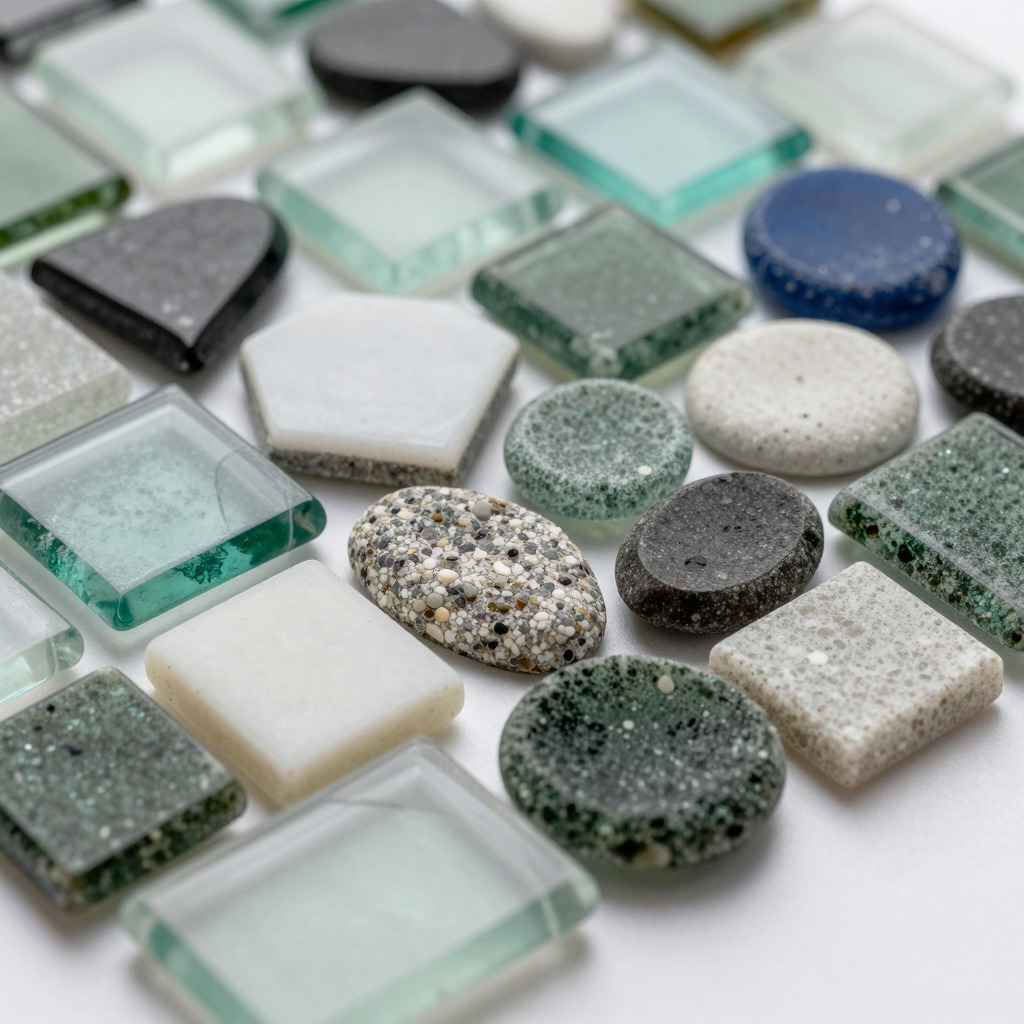
The primary difference lies in the manufacturing process and chemical composition. Glass mosaic tiles are produced industrially: molten glass is poured into molds or rolled into sheets (the float glass technology developed by Alastair Pilkington in 1952), and then cut into precise squares, typically 20×20 mm or 25×25 mm. The composition of such glass includes quartz sand, soda, and dyes, which ensure color uniformity throughout the thickness of the tile.
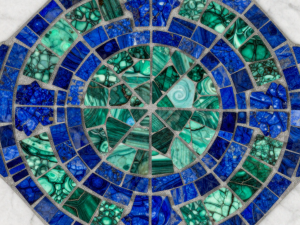
Smalt, however, is a dense, opaque glass fired in specialized furnaces. Unlike tiles, smalt is not cast into sheets but is formed into massive blocks. Significant amounts of metal oxides are added to smalt to achieve deep colors: cobalt produces a rich blue, copper provides red and green, and manganese creates purple. Historically, Venice and Ravenna were the centers of smalt production. The master glassmaker controls the process so that small air bubbles remain within the mass, creating a unique internal structure unattainable with industrial tiles. Smalt has no standard size; the artist breaks the block using a specialized hammer (martellina), creating fragments with jagged, organic edges.
Optical Properties: Transparency, Light Refraction, and Palette
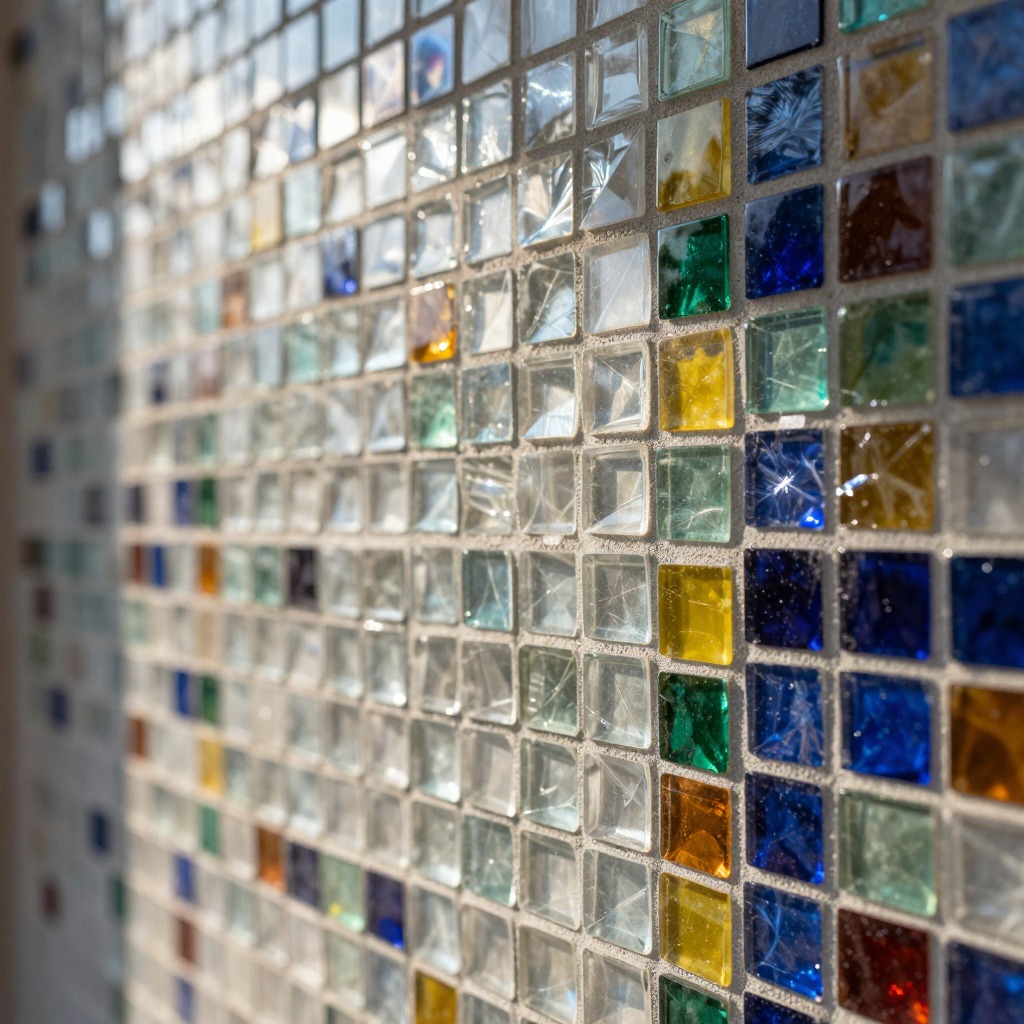
From an aesthetic perspective, these materials interact with light in completely different ways. Glass tiles can be completely transparent, translucent, or matte. Thanks to their smooth, polished surface, they have a high reflection coefficient, creating a “mirror” effect. Modern manufacturers often add an iridescent coating to the tiles, which shimmers with different colors as the viewing angle changes. The color palette here is extremely broad—from neon shades to pastel tones—with the color distributed evenly.
Smalt interacts with internal light. Due to its opacity and heterogeneous structure, it does not reflect light off the surface but rather “absorbs” it and radiates it from within. This creates an effect of depth that is particularly prized in Byzantine mosaics. A special variety is gold smalt: an ultra-thin layer of 24-karat gold is sandwiched between two layers of glass (the sandwich technique). To enhance the play of light, masters intentionally set the pieces of smalt at different angles, creating a dynamic surface. While glass tiles strive for a perfect plane, smalt requires a deliberate disruption of that plane to achieve the maximum visual effect.
Strength, Wear Resistance, and Technical Specifications
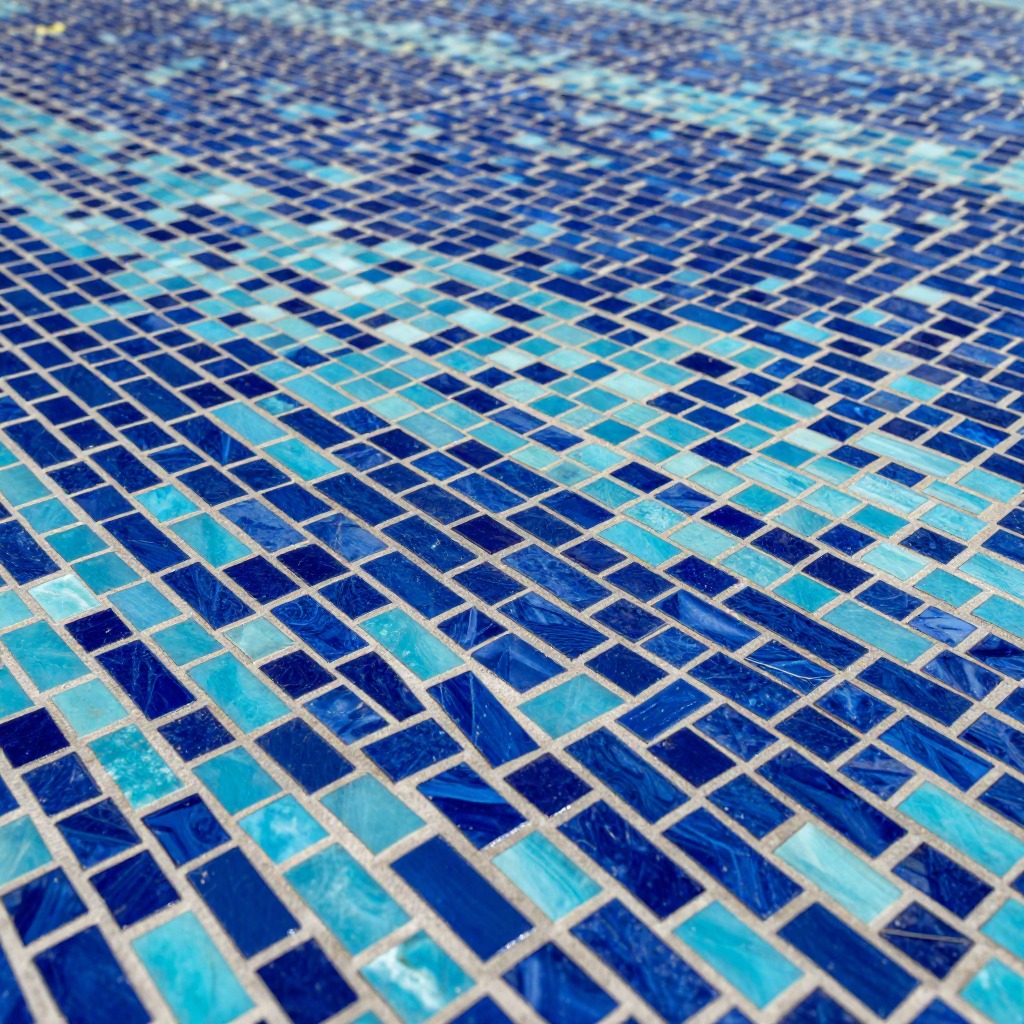
In terms of durability, smalt significantly outperforms industrial tiles across many parameters. It possesses higher density and nearly zero water absorption, making it ideal for monumental outdoor works. Smalt is resistant to ultraviolet radiation—colors do not fade even after centuries, as evidenced by the mosaics of the Basilica of San Vitale in Ravenna (6th century). Its hardness allows it to be used in high-traffic areas, although it is more brittle under point impact.
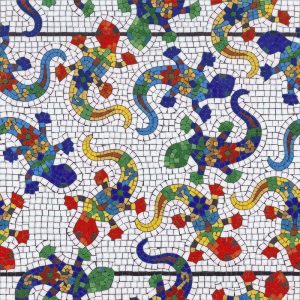
Glass mosaic tiles are more susceptible to mechanical damage and scratches unless they have undergone a tempering process. However, they are easier to install due to their standard sizes and flat shape. When using the Trencadís technique (as seen in the works of Antoni Gaudí in Park Güell), where fragments of ceramics and glass are used, it is critical to choose materials with high adhesion to epoxy resins and cement mortars. Tiles are better suited for wet areas (pools, showers), as their smooth surface facilitates cleaning and prevents dirt from accumulating in the joints, whereas the porous structure of jagged smalt requires more thorough grouting.
Application Areas and Economic Analysis
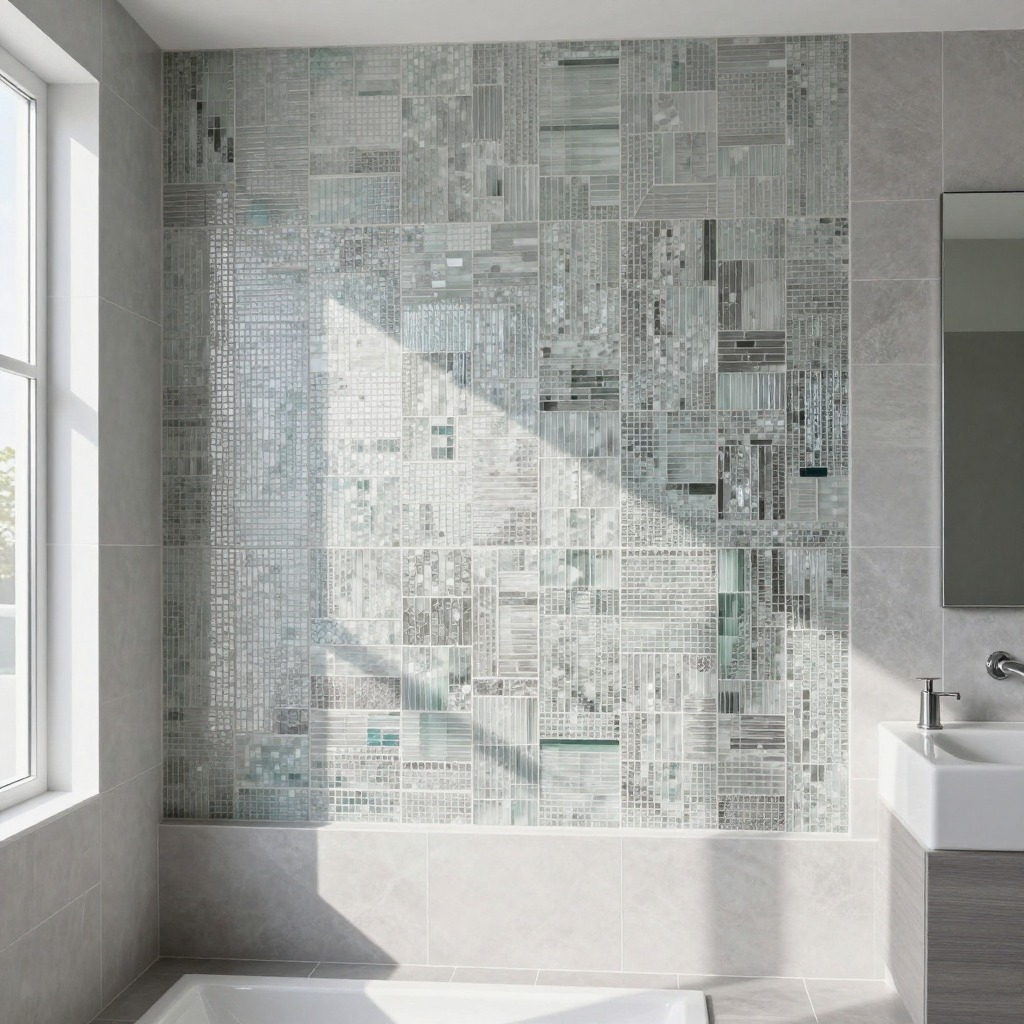
The applications of these materials are clearly divided by functional and artistic purpose. Glass tiles are the choice for interior design, architectural accents, and commercial spaces. They are used for kitchen backsplashes, bathroom finishes, or the creation of modern panels. The price of industrial tiles is relatively low and depends on the brand and special effects (such as iridescence). On average, costs range from 20 to 80 dollars per square meter for basic sets.
Smalt remains the domain of fine art, iconography, and restoration. It is used in altar screens, monumental murals, and exclusive art objects. The cost of smalt is calculated not per square meter, but per kilogram, as the consumption of the material depends on the density of the layout. High-quality Italian smalt (for example, from the Viero brand) can be dozens of times more expensive than tiles, especially regarding gold or deep red shades, which are technically more difficult to produce. For instance, creating a small icon measuring 40×60 cm from smalt may require material costs that exceed the price of an entire bathroom finished with glass tiles.
Recommendations for Choosing Material for a Specific Project
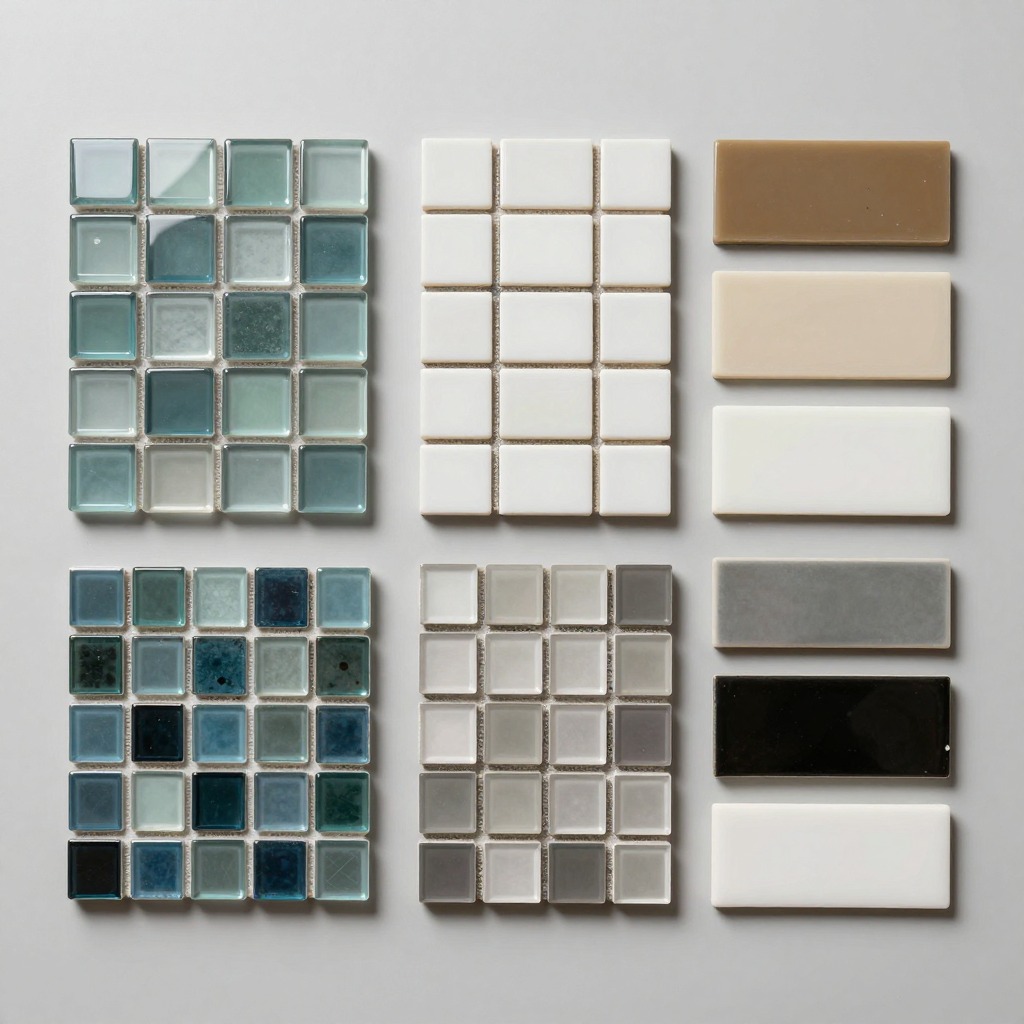
The choice between these two materials should be based on the desired visual outcome and the budget. If your goal is to create a work in the Opus Tessellatum style with clean lines and geometric precision, glass mosaic tiles will be the optimal solution. They will reduce cutting time and ensure a neat, “sterile” surface appearance. For projects in minimalism or high-tech styles, where symmetry and a uniform gloss are important, industrial tiles are indispensable.
Related works in the gallery:
If the project calls for an emotional, vivid image with rich texture, smalt is the ideal choice. It is irreplaceable for portraits, religious subjects, and abstractions where the play of light and shadow is essential. When choosing smalt, pay attention to the country of origin: Italian workshops in Venice and Ravenna remain the benchmark for quality. For outdoor works subject to temperature fluctuations, prefer smalt or specialized frost-resistant glass tiles. Before starting work, it is recommended to create a small trial sample (sketch) of 10×10 cm to check how the chosen material interacts with the lighting in the specific room.
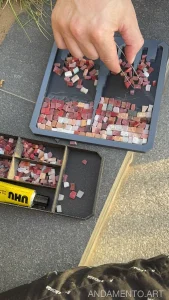
For those who wish to experiment with mosaic compositions and techniques without spending huge budgets on materials, modern digital tools are available. You can try creating your own unique patterns and visualizing a future project using the andamento.app service.