A custom mosaic portrait is more than just transferring a photograph to a physical medium; it is the creation of a monumental work of art that blends the eternity of stone with the dynamism of the human image. Unlike painting, mosaics do not fade under ultraviolet light and are resistant to humidity, making them an ideal choice for interiors in the Art Deco, Classicism, or modern Minimalism styles. Today, the market offers two fundamentally different approaches to creating such works: traditional manual craftsmanship and innovative methods utilizing artificial intelligence.
The Evolution of the Sketch: From Manual Drawing to AI Generation
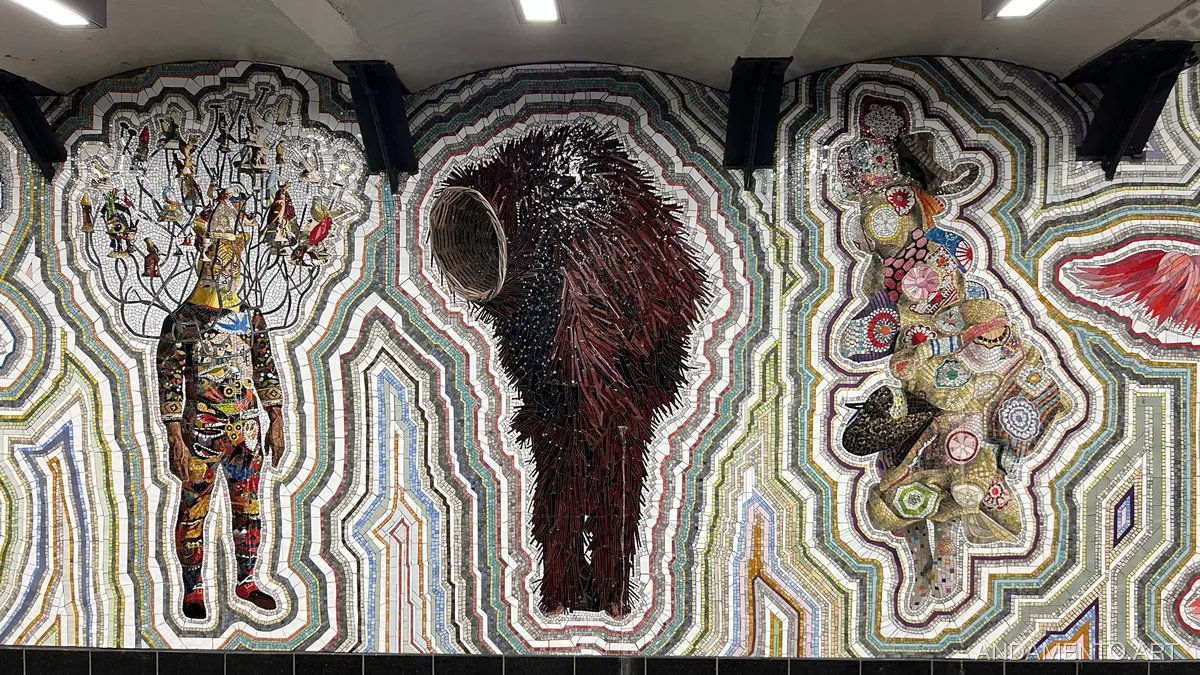
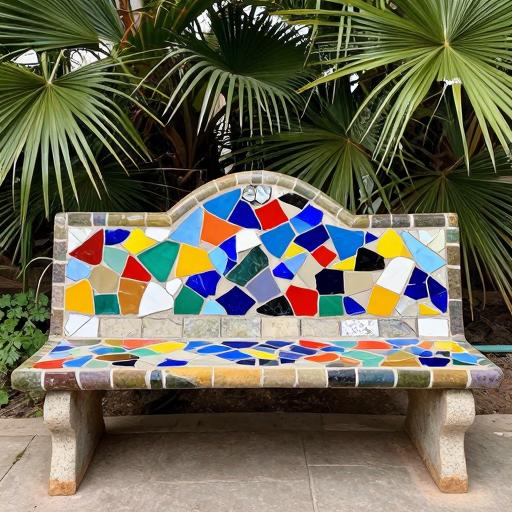
The first and most critical stage of commissioning a custom mosaic portrait is the creation of the sketch. Traditionally, the master works using the “cartoon” method—a full-scale drawing where the primary color masses and line directions are developed. This process can take anywhere from a few days to two weeks, as the artist must manually translate the smooth gradients of a human face into discrete color zones, which will later be filled with stone or glass. An error at this stage can lead to distorted facial proportions, which is critical in the portrait genre.
Modern technology has radically transformed this stage. Today, AI services such as andamento.app are used to create precise layouts. Artificial intelligence analyzes the photograph, determines the primary tonal transitions, and automatically generates a scheme for the placement of elements. This eliminates the human factor when capturing anatomical features and significantly accelerates the process. AI sketch generation does not replace the master; rather, it provides them with a perfect map where every tessera (an individual piece of mosaic) already has its designated place and color. This reduces preparation time by 5 to 10 times, allowing the client to see a preliminary version of their portrait just minutes after uploading the photo.
The Technical Process: From Photograph to Final Grouting
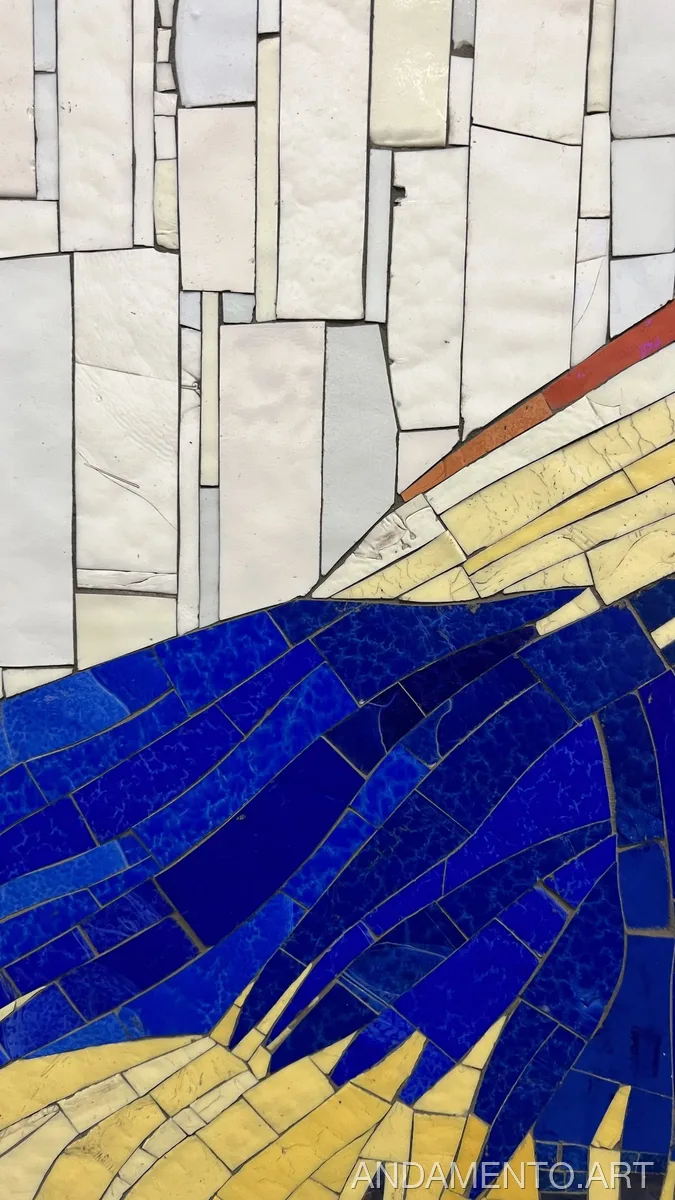
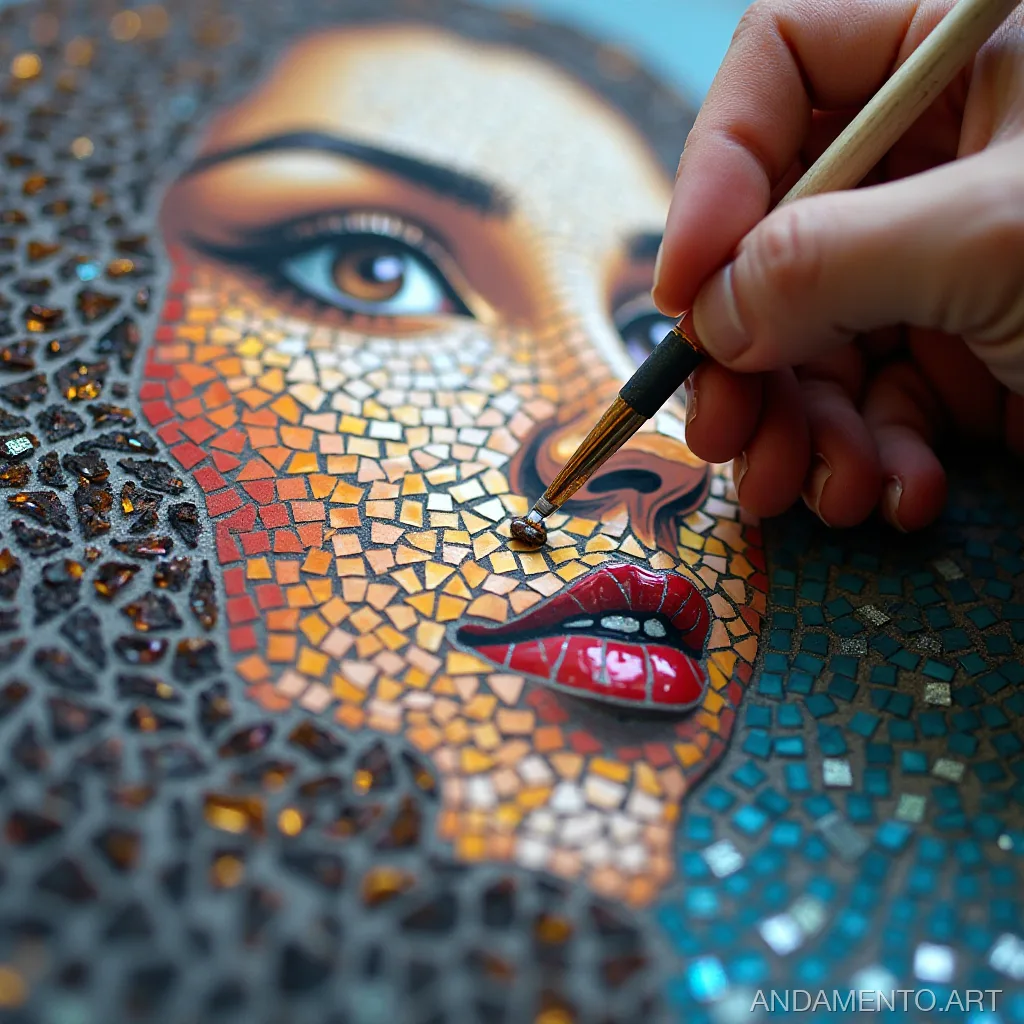
The process of creating a mosaic portrait consists of a complex sequence of technological operations. Once the sketch is approved, the material selection phase begins. The master selects shades that most accurately match the model’s skin, hair, and eyes. It is important to understand that in mosaic art, there is no possibility to “mix” two colors on a palette; therefore, volume and depth are created through the juxtaposition of different shades and the direction of the layout.
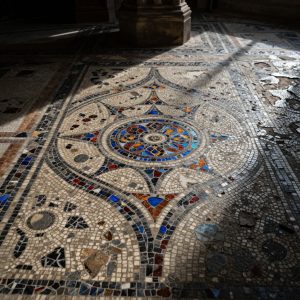
Next is the layout stage. There are two primary methods: the direct method (gluing elements directly onto the base) and the indirect method (assembling the portrait on paper or fabric using a special adhesive, which is then transferred to the wall or substrate). Particular attention is paid to the concept of “andamento”—the rhythm and direction of the lines along which the tesserae are laid. In portraits, these lines must follow the contours of the face, emphasizing the cheekbones, the shape of the eyes, and the curve of the lips to create a three-dimensional effect. After the layout is complete, the joints are grouted. The grout not only fixes the elements in place but can also visually unify the composition or, conversely, emphasize the graphic nature of each individual piece. The entire production cycle for a medium-sized manual portrait (e.g., 50×70 cm) typically takes from 2 to 6 weeks.
Mosaic Materials: Smalt, Marble, and Ceramics
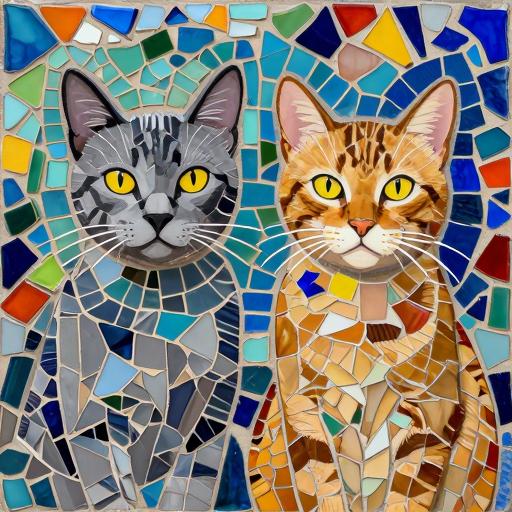
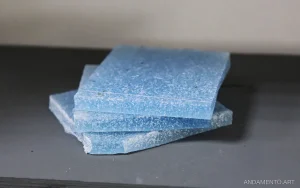
The choice of material directly affects the aesthetics and durability of the work. Smalt—opaque colored glass produced using ancient Byzantine techniques—is considered the most noble and expensive material. Smalt possesses a deep internal color and often contains particles of gold or silver, creating a shimmering effect. It is from smalt that Byzantine-style portraits are created, where the background is often composed of gold tesserae symbolizing divine light.
For more understated, classical portraits, natural marble and granite are used. Marble is limited in its color palette (white, gray, beige, black), making such works reminiscent of ancient Roman mosaics. A third popular option is ceramic tile and the Trencadís method, popularized by Antoni Gaudí. This approach uses shards of multicolored ceramics, giving the portrait an expressive, almost cubist appearance. In contemporary art, stained glass is also used, allowing for semi-transparent portraits with a glowing effect under backlight. Each material requires its own tools: a hardie and hammer for marble, and special nippers and dividers for smalt.
The Cost of a Mosaic Portrait in Russia: Price Breakdown
When a client decides to commission a custom mosaic portrait, price becomes one of the key considerations. In Russia, the cost of such works varies greatly depending on the region and the master’s qualifications. On average, a small portrait (30×40 cm) can cost between 15,000 and 40,000 rubles, while large-scale panels starting from 1 meter can reach prices of 200,000 to 500,000 rubles and above.
The final cost is influenced by the following factors:
1. Level of detail. The smaller the tesserae, the more time is spent on cutting and laying them. A portrait in the Opus Tessellatum technique (small square elements) is more expensive than a work in a coarse mosaic style.
2. Material. Smalt, especially with gold leaf, is significantly more expensive than ceramics or ordinary glass.
3. Size of the piece. The area of the work directly correlates with the amount of materials used and labor hours.
4. Urgency and sketching. A manual sketch drawn by the master adds a certain amount to the cost for the original design. Using an AI sketch can reduce the cost of the preparatory stage.
5. The base. A portrait on lightweight hardboard or aluminum composite will be cheaper than a work integrated directly into a concrete or brick wall.
Stylistic Directions: From Byzantinism to Soviet Monumentalism
When ordering, it is important to decide on a style, as it determines the visual perception of the image. The Byzantine style is characterized by strict frontality, the use of a gold background, and an emphasis on the eyes. Such works appear solemn and sacred. Florentine mosaic, by contrast, strives for maximum realism, using the thinnest slices of natural stones to imitate painting, making it one of the most expensive techniques in the world.
An interesting direction is Soviet mosaic, which was popular from the 1960s to the 1980s. It is characterized by large forms, the use of smalt combined with concrete slabs, and a certain heroic aesthetic. In contemporary art, the Trencadís style is popular, where chaotic tile shards create a dynamic, almost “digital” image. The Classical AI style is also gaining momentum, where algorithms help create perfect symmetry and color transitions that are then realized in stone. The choice of style depends on whether the portrait should be part of an interior, become a family heirloom, or serve as a bold art object.
Creating a mosaic portrait is an investment in art that will live for centuries. If you want to start by visualizing your idea or creating a perfect digital template for a future master, explore the capabilities of the andamento.app service for generating professional mosaic sketches.