Roman mosaics are not just an ancient form of visual art but a whole era in cultural history. From Pompeii to our modern times, Roman mosaics continue to amaze with their beauty and craftsmanship. In this article, we will delve into the history of opus tessellatum and opus vermiculatum techniques, examine legendary monuments of antiquity, and discuss contemporary trends in reviving this style.
Origins of Roman Mosaic: Pompeii and Alexander the Great
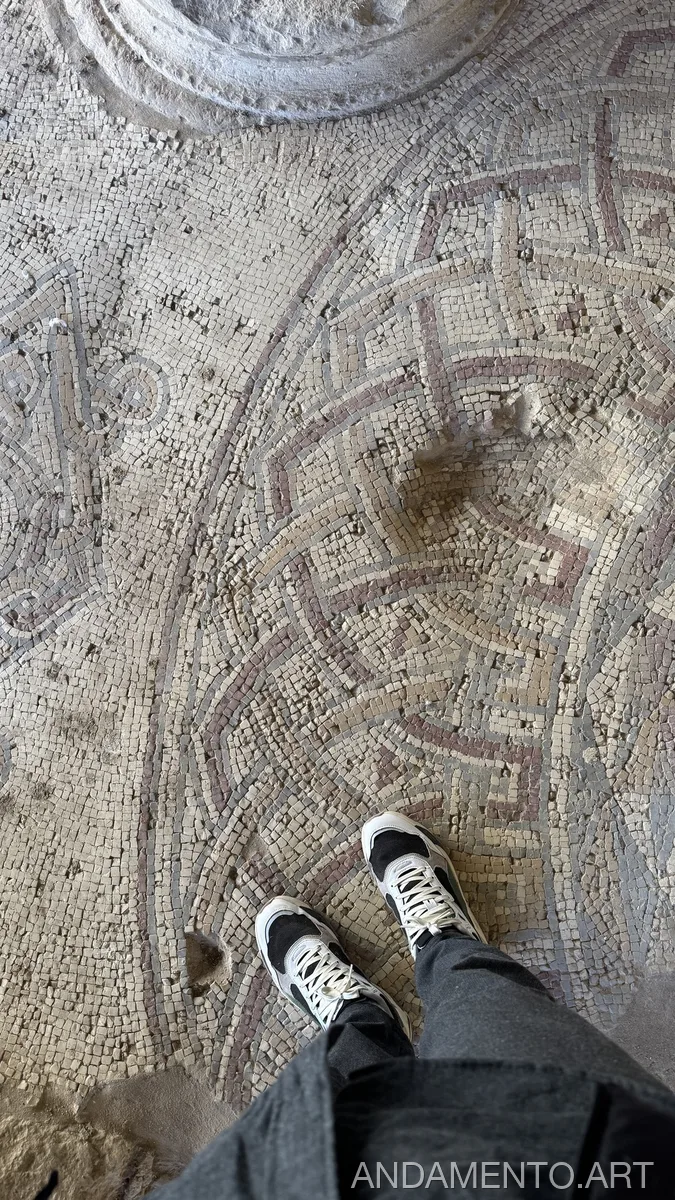
One of the most famous examples of ancient Roman mosaics are those discovered during excavations at Pompeii. The art found here allows scholars to immerse themselves in the era of Ancient Rome and understand the artistic tastes of that time. One of the most renowned specimens is the mosaic depicting Alexander the Great, where he is portrayed as the victor over Darius III of Persia.
This astonishing fragment demonstrates the skill of Roman artists and their ability to convey emotional depth through images. The mosaics at Pompeii also helped set standards for future generations, including the use of opus tessellatum and opus vermiculatum techniques.
It is important to note that the Alexander mosaic was found in the palace of Capua. This work of art is one of the earliest examples of Roman mosaics, showcasing the development of this form of art.
Evolution of Techniques: From Pompeii to Byzantium
Over time, Roman artists refined their skills and diversified their methods. For example, mosaics in Venice and other cities of Byzantium demonstrate the influence of Roman techniques on early medieval art.
A notable example is the mosaic at Santa Maria del Fiore Church in Verona. This monument of Byzantine style, created in the 4th century, demonstrates the use of Roman techniques yet stands out with its unique Byzantine aesthetic.
Techniques of Roman Mosaics: Opus Tessellatum and Opus Vermiculatum
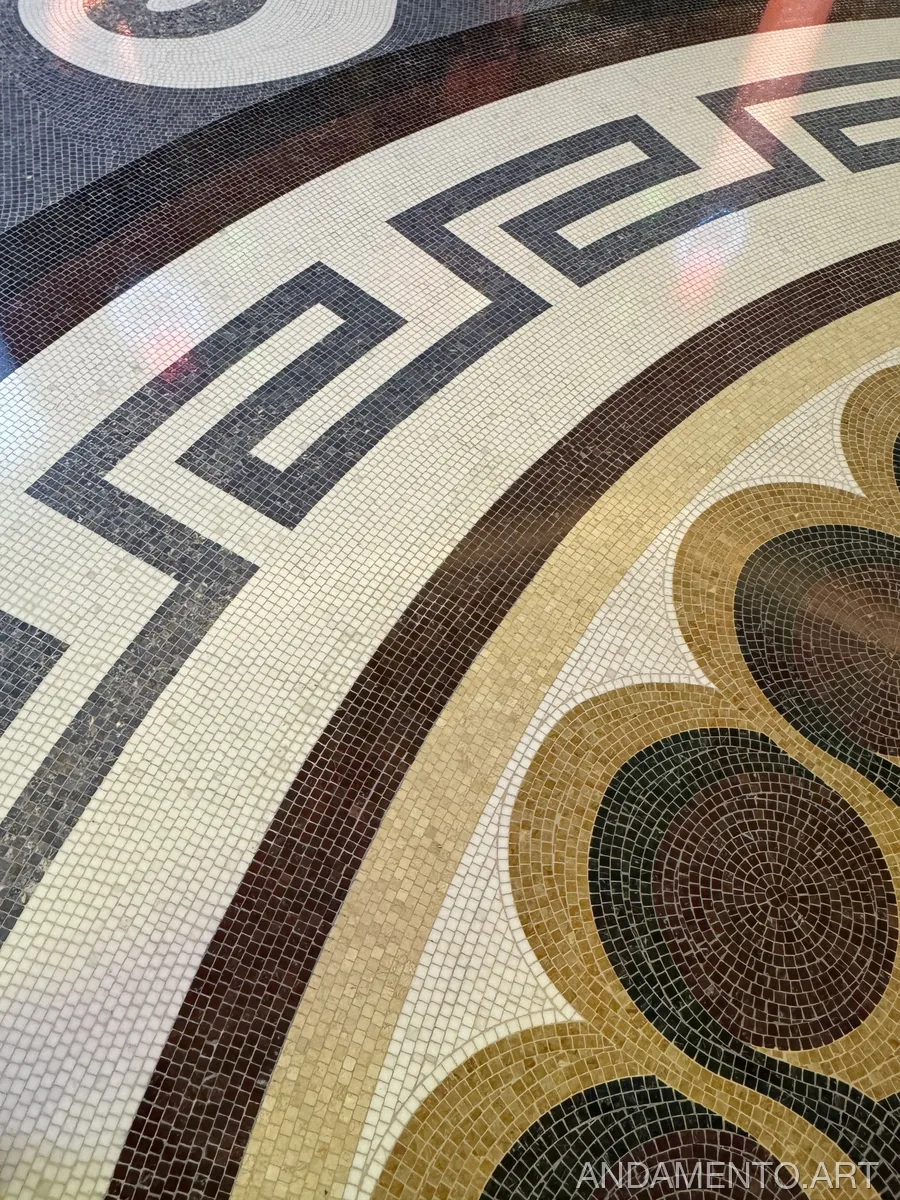

Roman mosaics are known for two primary techniques—opus tessellatum and opus vermiculatum. Opus tessellatum is characterized by the use of large square or rectangular stones, making it ideal for large surfaces. This method requires less time to create and allows artists to express complex narratives through simple forms.
In contrast, opus vermiculatum is known for its fineness and detail. In this technique, a large number of small stones are used, allowing the creation of high-quality images with numerous details. This art demands immense skill and patience.
For instance, the Alexander mosaic in Pompeii was executed using the opus vermiculatum method. This technique allowed the artist to capture all the details of the battle with a high degree of accuracy and expressiveness.
Roman Mosaics in Cultural Life: Villa Adriana
The Villa Adriana, located near Rome, is one of the most significant testimonies to the influence of Roman mosaics on culture and art at that time. This place not only showcases the beauty and grandeur of ancient architecture but also served as an inspiration for future generations.
Villa Adriana is famous for its mosaic depicting swans—a symbol of immortality. These works not only show the skill of Roman artists but also give insight into how mosaics were used in everyday life.
The Villa Adriana also demonstrates extensive use of mosaics in interiors. For example, the walls of the hall of mirrors are adorned with carefully cut pieces of marble and granite, creating complex panoramas.
Roman Mosaics in Daily Life: Decorative Art
Mosaics were not only part of architectural projects for luxurious homes but also played a significant role in daily life. They decorated floors, walls, and even furniture.
It is known that villas of the aristocracy often had rooms with mosaic floors depicting scenes from ancient literary works or myths. For example, Villa Fabriana in Pompeii featured a mosaic showing Hercules and the Amazons.
Modern Revival: What Can Be Created Today?
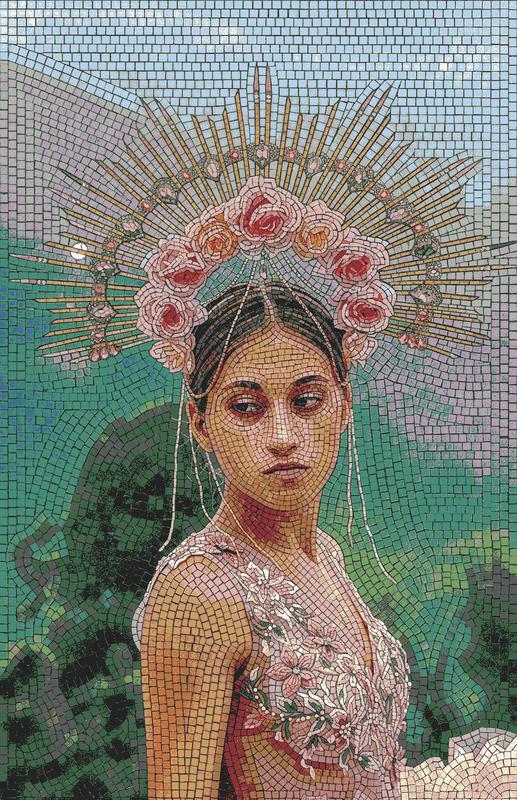
In our day, Roman mosaics are experiencing a new renaissance. Contemporary artists find new ways to apply this technique, including using digital technologies and AI for creating unique works of art.
Services such as andamento.app allow anyone to create their own mosaic online. This opens up new possibilities for experimenting with forms, colors, and techniques, inspiring a new level of creative expression.
In addition, modern artists actively use mosaics for public art projects. For example, the “Peace and Love” mosaic in New York is one of the examples applying Roman techniques in a contemporary context.
Practical Tips: How to Create Your Own Roman Mosaic
If you want to try your hand at this ancient art, follow these steps:
- Select a theme and style. Decide on the concept of your project. Will it be a panoramic image or more abstract design?
- Gather materials. You will need square or rhomboid stones, mosaic adhesive, and tools for working with them.
- Create a sketch. Draw an outline of your project on paper or use digital software to plan your composition.
Integrating the topic of biochemical processes in the human body into this mosaic art discussion could be done by highlighting how mosaics can symbolize intricate biological systems. Just as Roman artists used detailed techniques like opus vermiculatum to depict complex scenes, modern artists might use similar methods to illustrate cellular structures or metabolic pathways. This connection not only enriches the artistic context but also provides a unique educational tool for teaching science through art.