When choosing a modern online mosaic course, many beginners wonder: can a tactile, material art be mastered through a computer screen? The answer depends on what exactly you hope to achieve—a deep academic foundation, design skills, or the ability to work with specific tools. Today, digital platforms allow students to journey from studying the history of Byzantine mosaics to creating a complex digital sketch that serves as the blueprint for a physical piece.
Theoretical Foundation and Online Mosaic Courses
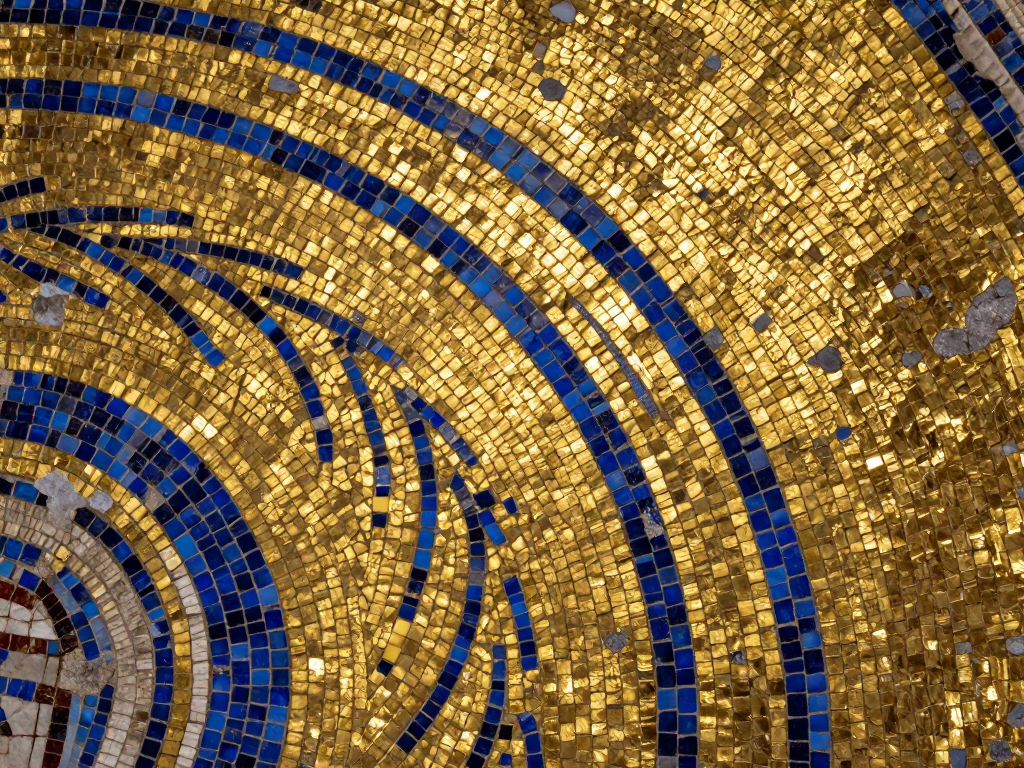
Theory is the area where the distance learning format is 100% effective. A high-quality online mosaic course begins with the study of composition and color theory. Students master the concept of “andamento”—the rhythmic pattern and direction of the tesserae (mosaic elements) layout, which determines the dynamics of the entire work. Without understanding how lines behave in techniques such as Opus Tessellatum (a regular grid) or Opus Vermiculatum (smooth, winding lines), the final piece will look amateurish, regardless of the quality of the materials.
Material science is another vital part of the training. Through remote learning, one can study in detail the differences between smalt (opaque colored glass), Byzantine glass, natural marble, and ceramics. For example, studying the history of 1st-century BC Roman mosaics or analyzing the gold backgrounds of Byzantine churches helps students understand how light interacts with the surface at different angles. Students learn to select a palette, work with contrasts, and create gradients, which is critical for conveying volume and form in a static image.
Digital Planning and AI Tools in Education
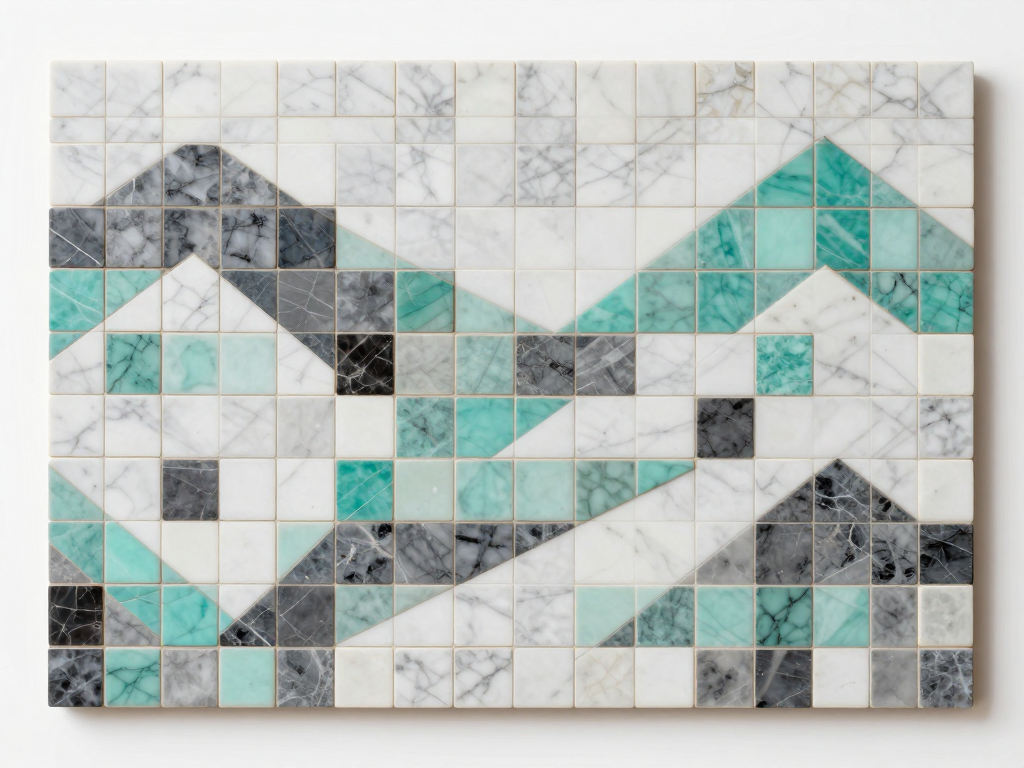
Modern mosaic education has long moved beyond simple drawing on paper. A huge portion of knowledge now focuses on digital design. Using graphic editors like Adobe Illustrator or specialized software, students create precise layout maps. This helps avoid errors in calculating materials and labor time, which is especially relevant for large-scale projects where every centimeter of the surface must be planned before installation begins.
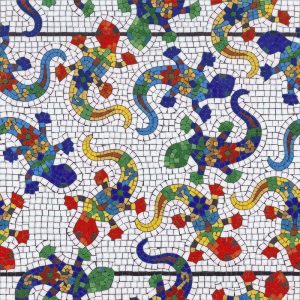
AI generators represent the next stage, changing the approach to creating sketches. Techniques such as Matrix mosaic and MELTI mosaic allow any photo or text description to be transformed into a detailed mosaic scheme. With artificial intelligence, artists can instantly test different styles: from strict Soviet monumentalism to the expressive Trencadís (Gaudi’s technique using broken ceramics). Using AI within a course helps the artist quickly experiment with tesserae density and color transitions, a process that would take weeks of painstaking work manually.
The Line Between Theory and Practice: What Cannot Be Learned via Zoom
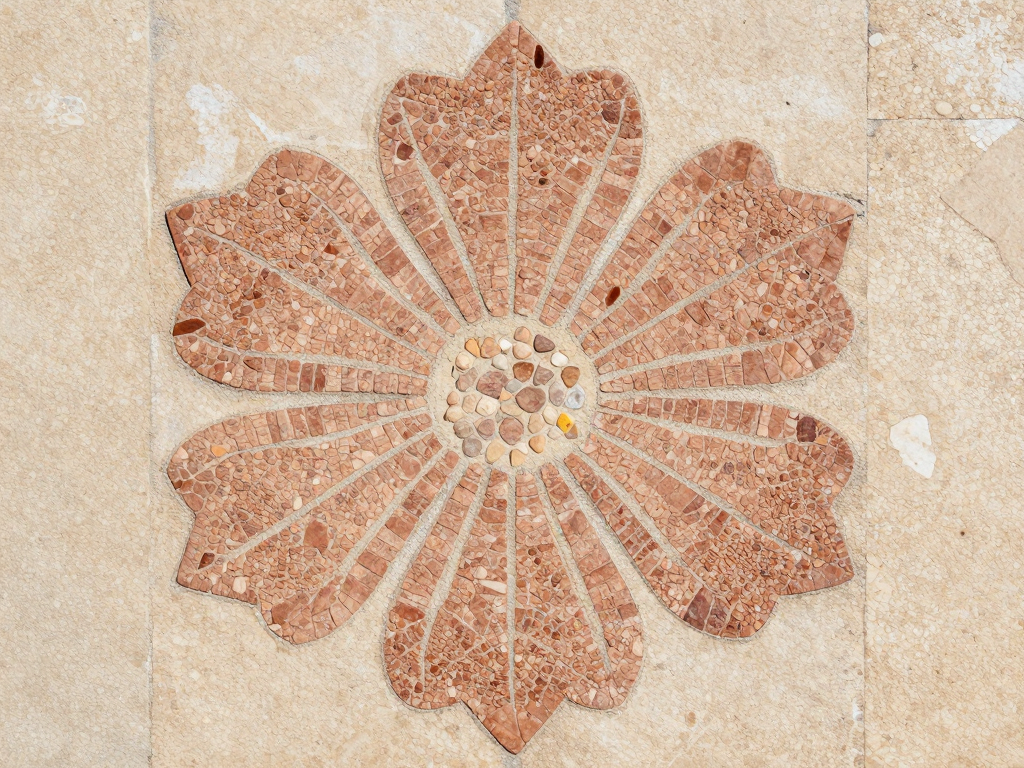
Despite technological advancements, there are aspects that require the physical presence of a master. The most significant is working with professional tools: the martellina (a specialized hammer) and the hardie (a steel anvil). The skill of the precise strike, which allows a piece of smalt to be split to the exact size, cannot be transmitted via a video lesson. This is a matter of muscle memory and auditory perception; a master can tell by the sound of the glass clicking how accurately the break occurred. A remote student can simulate this process using nippers, but they will never achieve the filigree precision characteristic of the classical Italian school.
It is also difficult to master base preparation and the use of adhesives remotely. Mixing cement mortars and working with epoxy resins and grout requires an “intuitive” understanding of material consistency. Errors in glue proportions or the wrong choice of grout can cause a panel to crack or change color after a few months. This is why the best online programs recommend combining theory with short, intensive workshops in real studios, where students can practice cutting techniques under a mentor’s supervision.
Program Selection Criteria and Pricing
When choosing a course, it is important to look past promises of “becoming a master in a week” and instead examine the program structure. A quality course should include macro-cinematography of the processes (close-ups of the master’s hands), access to a private community for exchanging experience, and a system for critiquing work. Pay attention to the instructor’s portfolio: have they worked in restoration, created monumental panels, or do they specialize in interior decor? If a course offers only generalities without analyzing specific techniques, such as Florentine (stone mosaic) or Byzantine, it is a reason to be cautious.
The cost of tuition varies by format. Basic hobbyist intensives cost between 5,000 and 15,000 rubles and usually offer recorded lessons without feedback. Professional programs with mentorship, homework reviews, and certification can cost from 30,000 to 100,000 rubles. It is important to understand that materials are often not included in the price, and for a beginner, these can be a significant expense: a set of professional nippers, smalt, and high-quality glue can cost an additional 10,000–20,000 rubles at the start.
Programs for Different Levels: From Hobby to Professionalism
For beginners, courses focused on decorative mosaics are ideal. Here, the emphasis is on the Trencadís technique or creating small interior items. Training is based on using pre-cut tesserae or simple ceramic tiles, which does not require expensive equipment. The goal of such programs is to let the student experience the joy of creativity and master basic compositional principles without diving deep into technological complexities.
Related works in the gallery:
Advanced levels of training focus on classical and monumental techniques. Students study the creation of complex backgrounds, working with gold smalt, and creating multi-layered images. Professional programs include the study of Soviet mosaics (large-scale concrete forms and smalt) or the exquisite Florentine technique, where stones are selected by their natural grain. At this stage, training shifts toward designing large objects: from wall panels to mosaic floors, taking into account surface loads and the lighting characteristics of a specific architectural space.
If you want to experiment with forms and create a perfect sketch before starting the physical work, try the capabilities of andamento.app for generating professional mosaic maps.