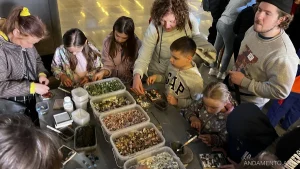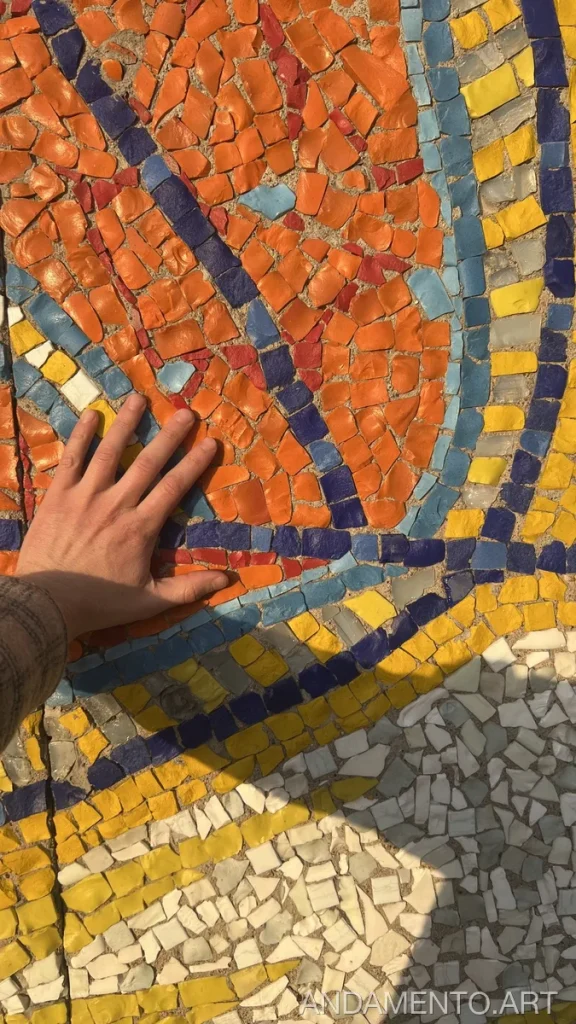
The ancient art of mosaic, traditionally passed down through hands-on apprenticeships, is now more accessible than ever thanks to the rise of online education. With the global online learning market demonstrating robust growth, creative fields like mosaic art are experiencing a surge in popularity. Online mosaic courses offer a unique opportunity to delve into this captivating craft from the comfort of your home, catering to both aspiring beginners and seasoned artists seeking to refine their skills.
The Breadth of Remote Mosaic Education
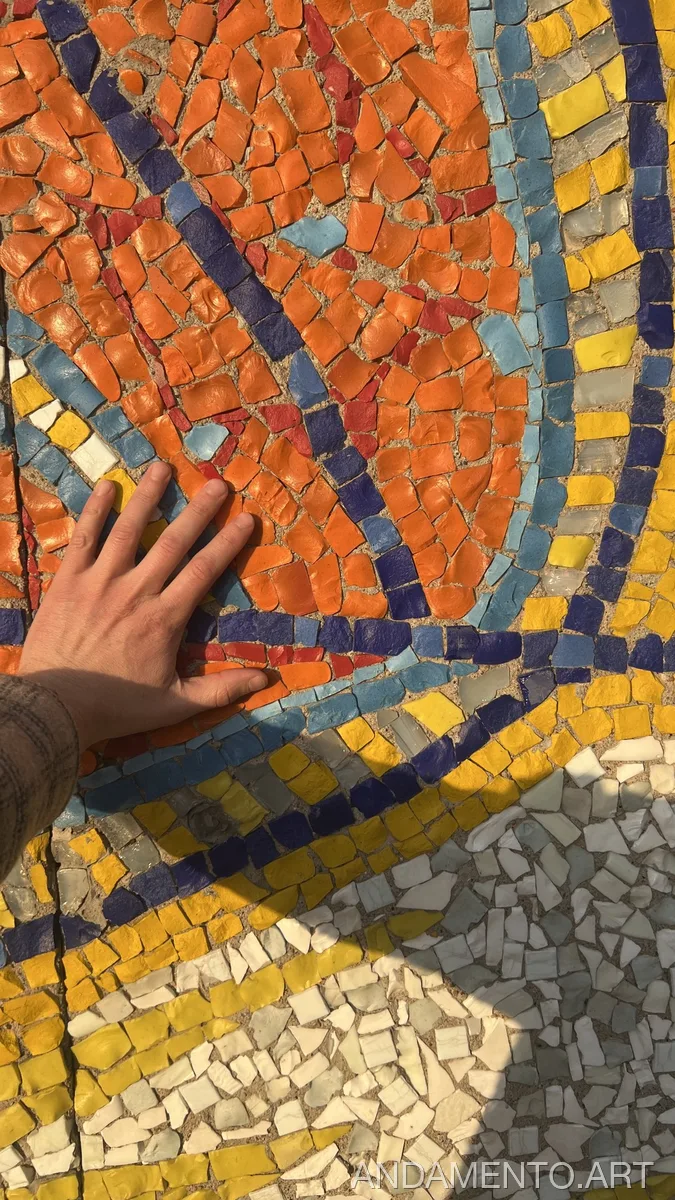
Online platforms provide a wealth of knowledge, allowing students to master various theoretical and practical aspects of mosaic art. Remotely, you can delve deep into the rich history of mosaic, from its ancient Mesopotamian origins in the 4th millennium BC to the opulent Byzantine and intricate Roman styles. Understanding the historical context enriches the creative process, offering inspiration from masters like those whose works are preserved in the Ravenna Mosaic Museum or the Metropolitan Museum of Art.
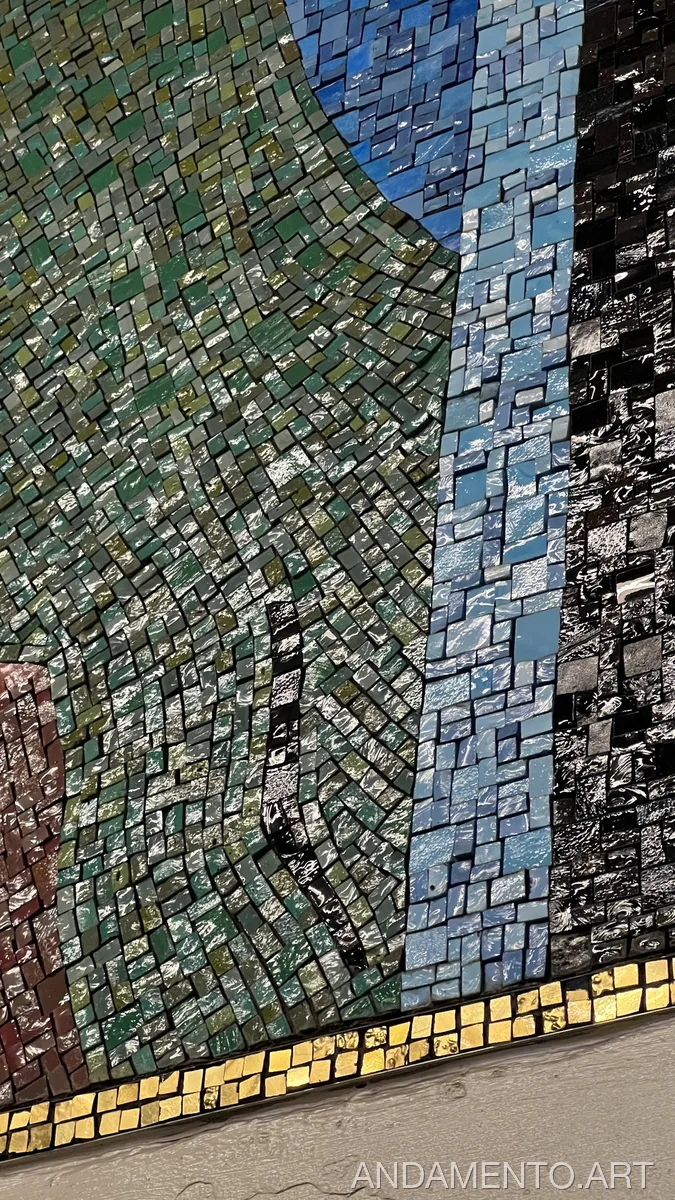
Furthermore, online mosaic courses excel at teaching fundamental techniques and design principles. Students can learn about different types of tesserae, such as smalti, natural stone, and glass tile, understanding their properties and applications. Detailed video lessons demonstrate cutting and shaping various materials using tools like Montolit nippers or the traditional hammer and hardie. You’ll gain insights into adhesive and grout selection, learning which products are best suited for interior, exterior, or wet environments. Crucially, online courses cover mosaic composition, color theory, and the principles of Andamento – the art of laying tesserae to create movement and flow within a design. This comprehensive theoretical foundation is vital for developing a strong artistic vision and executing complex projects.
Advantages of Embracing Online Mosaic Learning
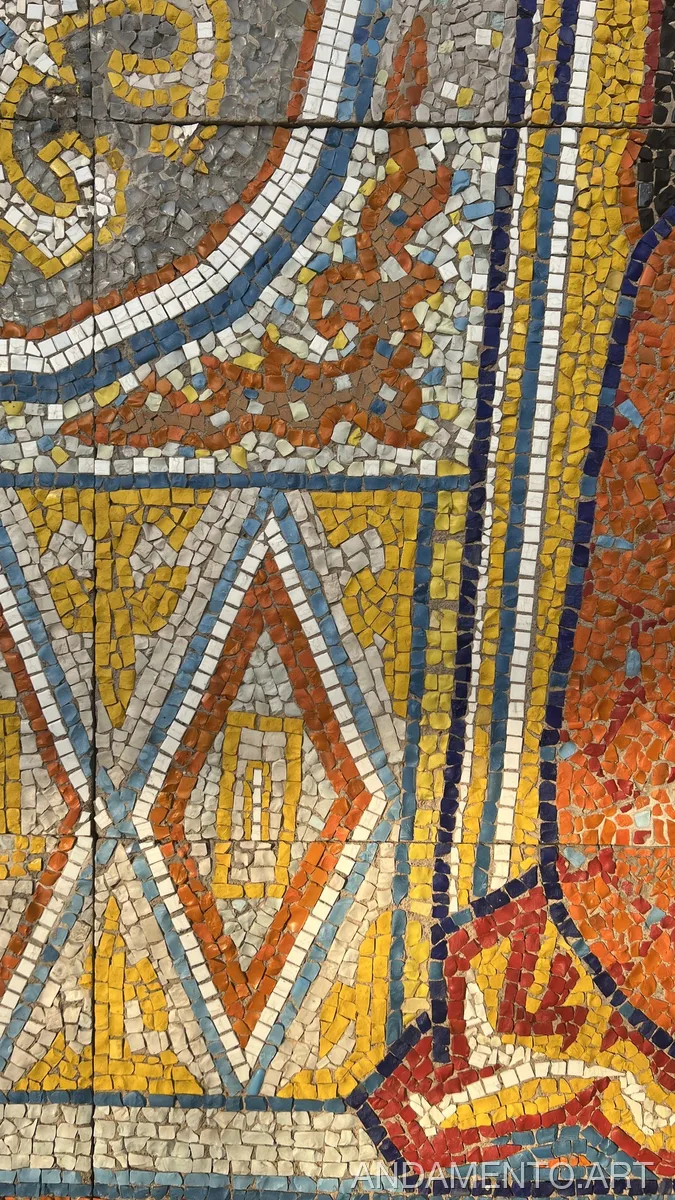
The appeal of online mosaic courses lies in their unparalleled flexibility and accessibility. Unlike traditional workshops, remote learning allows individuals to study at their own pace, fitting lessons around work, family, and other commitments. This adaptability is a significant benefit, especially for those in remote locations or with limited access to physical mosaic schools. High-quality video tutorials, interactive assignments, and downloadable resources ensure that learning materials are available 24/7, from anywhere in the world.
Many online platforms also foster a strong sense of community. Students can connect with peers, share their progress, ask questions, and receive constructive feedback from instructors or dedicated curators. This peer-to-peer interaction and expert guidance, often facilitated through dedicated forums or chat groups, are invaluable for motivation and problem-solving. ArtWorker’s online school, for instance, offers online courses with material kits delivered across Russia, ensuring students have everything they need to get started. The ability to specialize in niche areas, such as Florentine mosaic or even micromosaics, further highlights the versatility of online education, allowing artists to tailor their learning path.
Selecting the Ideal Online Mosaic Course
With the increasing number of online platforms, choosing the right online mosaic course requires careful consideration. For beginners, look for courses that cover the absolute basics: tool safety, material handling, direct and indirect methods of mosaic making, and simple design exercises. A good introductory course should provide clear, step-by-step instructions and ideally include a starter kit with materials. ArtWorker offers various online courses, including “Fundamentals of Mosaic” and “Mosaic from Smalti,” which are excellent starting points for novices.
Advanced artists might seek courses focusing on specific techniques like Byzantine mosaic, portraiture, or working with challenging materials like natural stone. Key criteria for selection include the instructor’s expertise (e.g., renowned masters like Lorenzo Gambaro or contemporary artists like Elissa Calliope), the depth of the curriculum, and the availability of personalized feedback. Checking reviews and student testimonials can also provide valuable insights into the course quality and instructor’s teaching style. Some courses, like those on realistic animal mosaics, cater to very specific artistic interests, ensuring a highly specialized learning experience.
Bridging the Gap: What Remote Learning Can’t Fully Replace

While online mosaic courses offer immense value, certain aspects of mosaic art still benefit from hands-on instruction in a physical workshop. Developing fine motor skills, especially when working with intricate details or tiny tesserae, can be challenging without immediate, in-person correction from a master. Similarly, tackling large-scale projects, such as building facade mosaics or complex floor installations, often requires physical collaboration, specialized equipment, and direct guidance on site. The tactile experience of selecting and cutting materials, feeling their weight and texture, is also best appreciated in person.
However, the industry is rapidly evolving. The trend towards hybrid learning formats, combining online theory with occasional in-person intensives, aims to bridge this gap. ArtWorker’s physical school in Moscow offers master-classes and courses that complement online learning, providing that crucial hands-on experience. Furthermore, emerging technologies like VR/AR are being explored to offer more immersive and visually explicit demonstrations of techniques, potentially simulating the workshop environment more effectively in the future. Despite these limitations, online courses remain an excellent foundation and a flexible pathway for continuous learning in mosaic art.
The Future of Mosaic Education: Innovation and Community
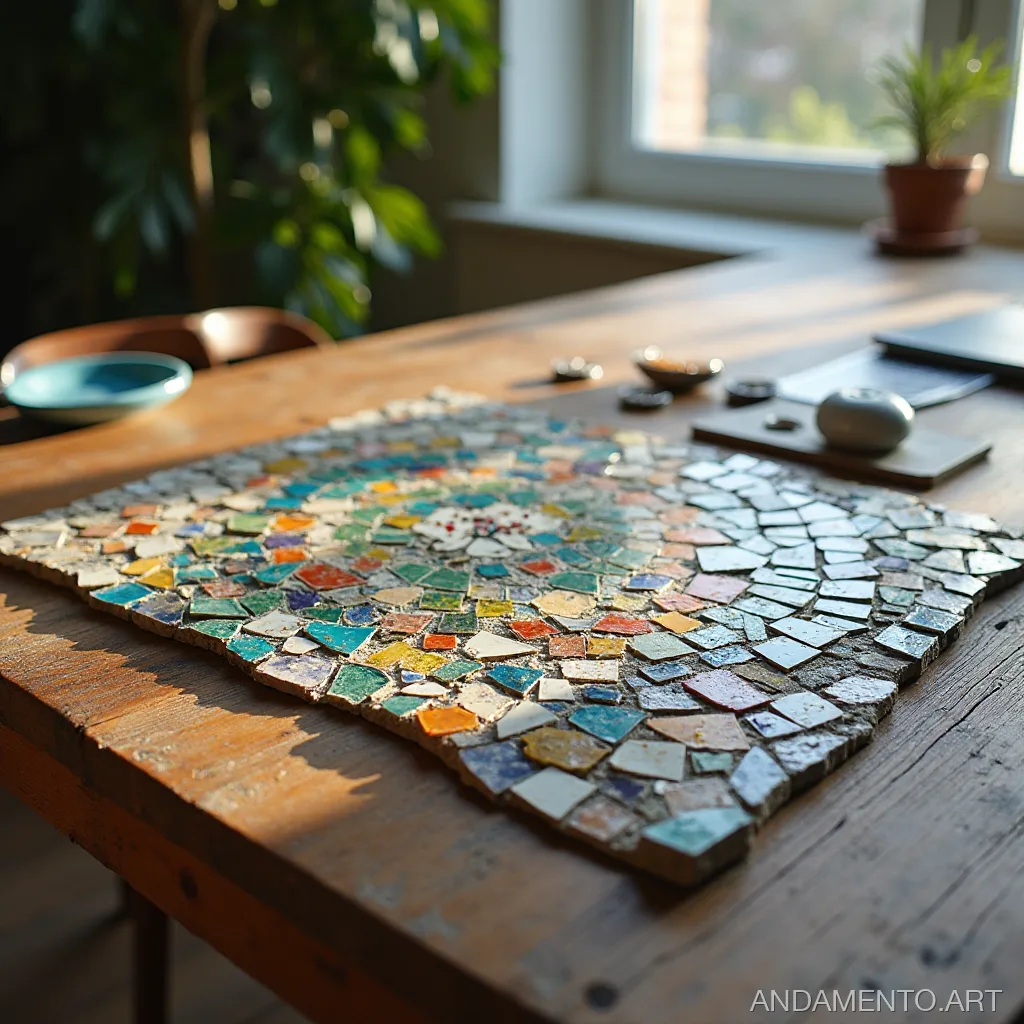
The landscape of online mosaic courses is continuously evolving, driven by technological advancements and a growing global community of artists. Recent trends highlight the development of hybrid learning models, where students can combine the flexibility of online modules with the invaluable practical experience of in-person workshops or specialized intensives. This approach allows for a comprehensive education, addressing both theoretical understanding and the nuances of tactile craftsmanship.
Работы по теме в галерее:
Furthermore, innovations such as the integration of AI in mosaic design, exemplified by tools like andamento.app, are transforming how artists approach their craft. These neural network-powered platforms can convert photos into mosaic sketches and calculate material needs, streamlining the design process. Experiments with Virtual Reality (VR) and Augmented Reality (AR) are also on the horizon, promising even more immersive and interactive learning experiences, allowing students to visualize techniques and processes with unprecedented clarity. The focus on building strong online communities—where artists can share insights, receive peer support, and participate in virtual exhibitions—is also shaping the future, making the journey of learning mosaic art more collaborative and engaging than ever before. These developments ensure that online mosaic courses will continue to be a dynamic and enriching resource for artists worldwide.
Ready to embark on your mosaic journey or enhance your existing skills? Whether you’re in Moscow or anywhere else in Russia, ArtWorker’s online school sends material kits directly to you, providing everything you need for your first project. Explore our comprehensive online mosaic courses and start creating your masterpiece today!