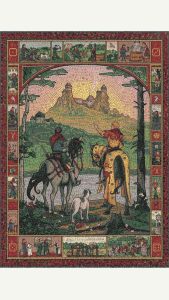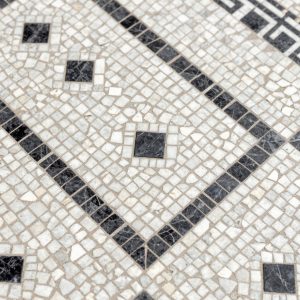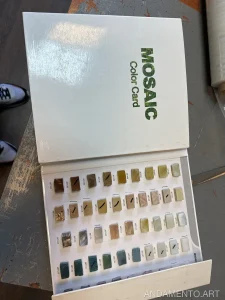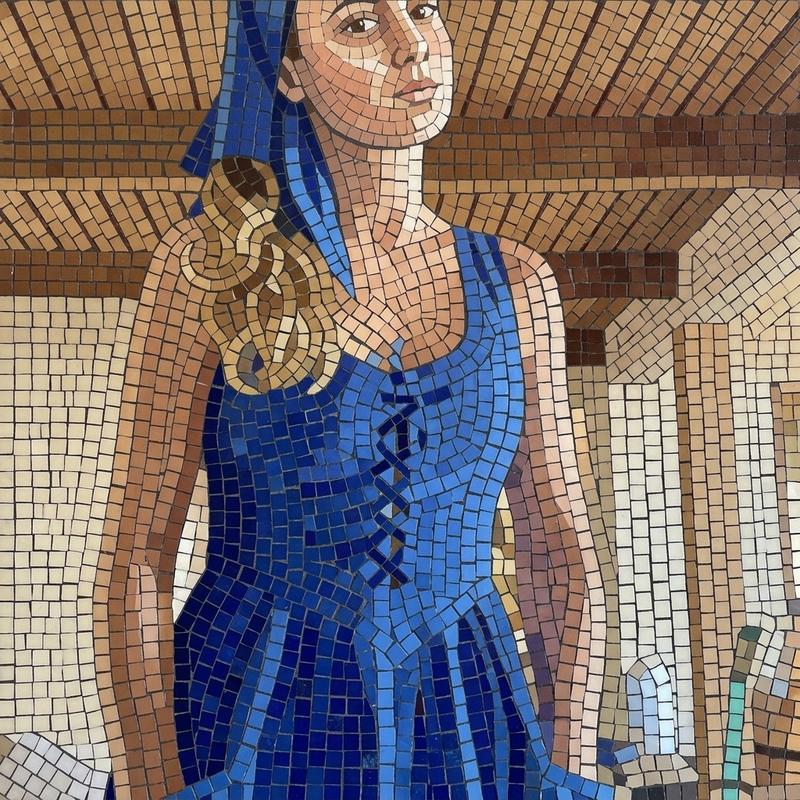
Byzantine mosaic is a unique direction of artistic creation that reached its peak in the Byzantine Empire. This is an art with a deep history and unique technical features, reflecting the spirituality and religious significance of the temple structures of the era.
Byzantine Mosaic: History and Development
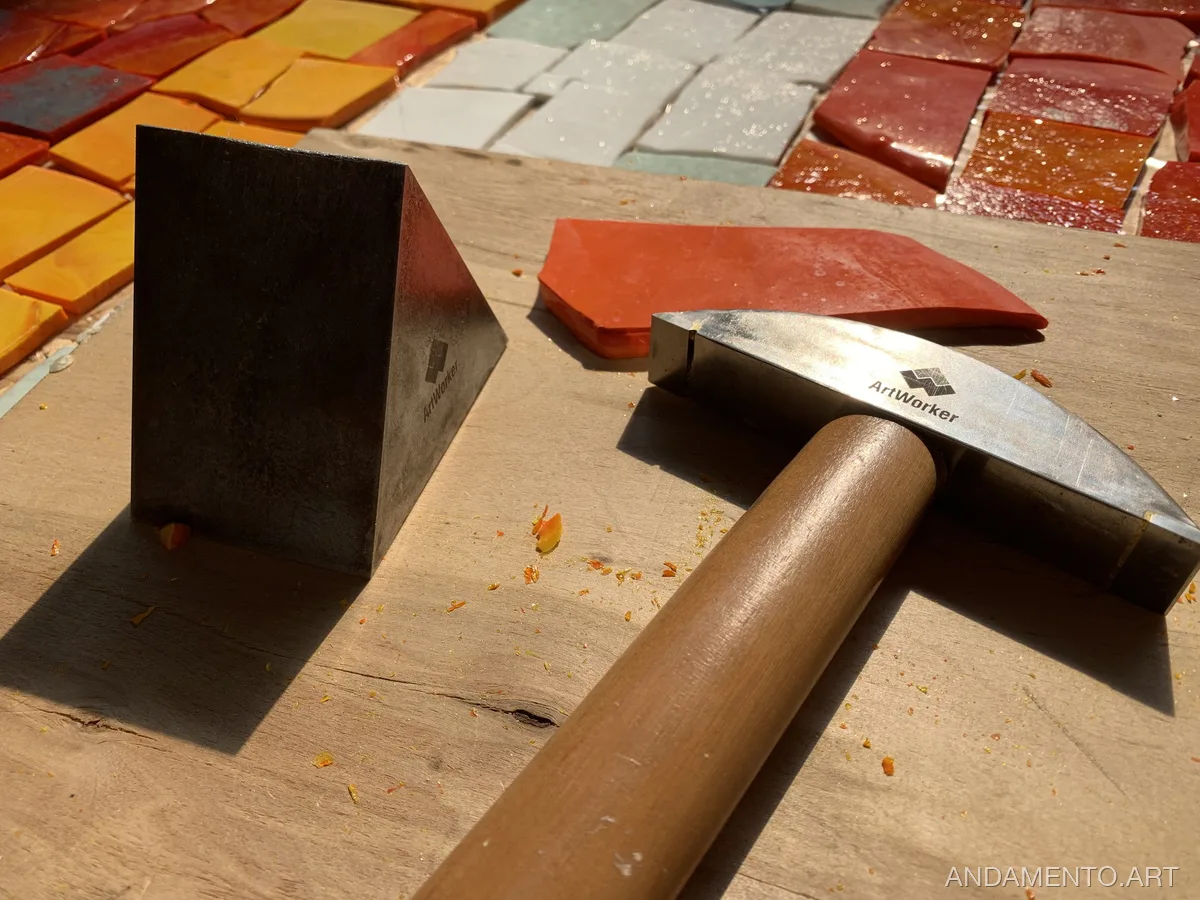
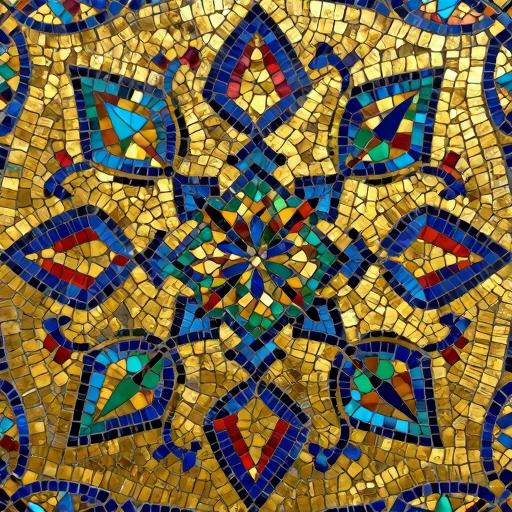
The peak of Byzantine mosaic development falls in the early and late imperial periods. During this time, masters managed to preserve the cultural traditions of Ancient Rome while creating a unique style that reflected the religious significance of temples. Mosaics developed particularly actively in the 5th-7th centuries under Emperor Justinian I (527-565).
One of the centers of Byzantine mosaic was the city of Ravenna. Masters from this city created many masterpieces, such as “The Annunciation” and “The Triumph of Christianity.” These works not only glorified Ravenna as a center of culture and art but also inspired subsequent generations of masters to creative experiments. Byzantine mosaics also adorned famous temples such as the Basilica of Sant’Apollinare and the Chapel of Arkadius.
Constantinople also played an important role in the development of mosaic art. Byzantine masters created mosaics for the temples and palaces of the imperial capital, where they could fully reveal their mastery, using rich materials and exquisite techniques. One of the most famous examples of Byzantine mosaic in Constantinople are the works in the Hagia Sophia.
Influence on Architecture

Byzantine-style mosaic was used not only to decorate the interiors of temples but also the exterior of buildings. This led to the creation of unique architectural compositions where mosaic played a key role.
Byzantine masters used mosaics to create large-scale panels on the facades of temples and palaces. These works often depicted biblical scenes, symbolic images, or portraits of the imperial family. Such compositions could cover entire walls of buildings, creating impressive visual effects.
Secrets of Byzantine Smalti
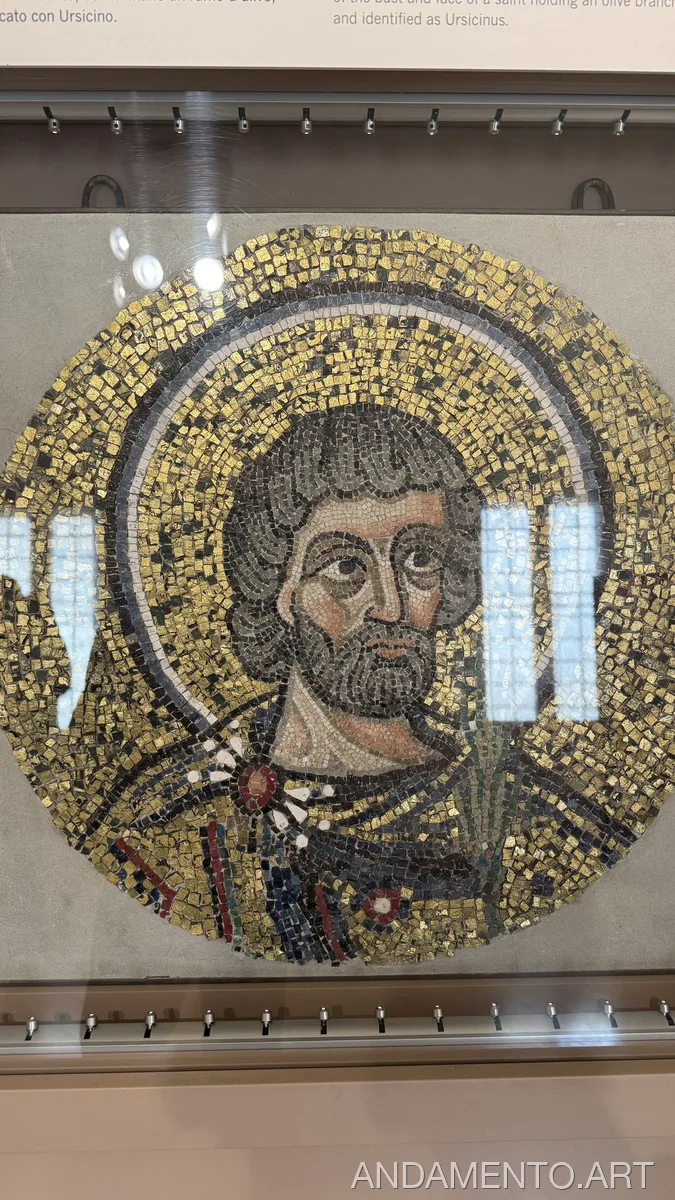
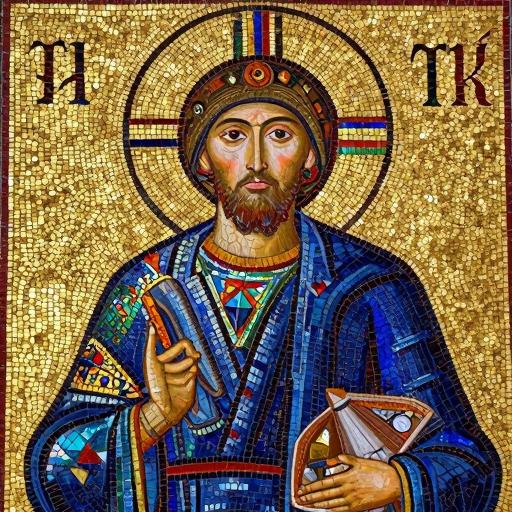
One of the main secrets of Byzantine mosaic is the use of gold smalti – glass chips that give the mosaic extraordinary luxury and depth. Gold smalti creates a sense of light within each tile, making it ideal for depicting divine figures.
Technique of Laying Byzantine Mosaics
The Byzantine mosaic technique is characterized by its particular sharpness and decorativeness. Masters used thin tiles, as well as a variety of color solutions to create picturesque images. Gold smalti plays a key role in this technique: it provides shine and depth, creating a sense of light within each mosaic composition.
Byzantine masters also used various methods for laying mosaics. One of them was “fastening” – a technique in which tiles were attached to each other through special holes and wires. This allowed for the creation of more durable and long-lasting compositions.
Influence on Modern Art
Today, the Byzantine mosaic technique continues to live and develop. Masters around the world strive to revive ancient traditions, applying them to modern themes and ideas.
Modern artists also find inspiration in this epochal technique. For example, it has recently become possible to create AI mosaics in the style of Byzantine mosaics, allowing anyone to experience the beauty and depth of this art without needing to master complex laying techniques.
Restoration of Byzantine Mosaics
The preservation and restoration of Byzantine mosaics require special knowledge and skills. Masters must be able to distinguish original elements from later additions, as well as carefully restore damaged areas.
The restoration process includes several stages: cleaning the mosaic surface from dirt and old materials; fixing crumbling elements using special adhesives; restoring missing sections using modern materials that are as close as possible to the originals.
Byzantine Mosaic and its Symbolism
Byzantine-style mosaics often contain deep symbolic meaning. For example, depictions of divine figures with gold smalti symbolize holiness and divine presence.
Images of animals and plants, which have their own traditional meanings, are also often found in mosaics. For example, birds can symbolize the human soul or spiritual ascension, and trees – eternal life and the connection between the earthly and divine worlds.
Conclusion
Byzantine mosaic is not just a historical fact, but also a living art form that continues to inspire us today. Enjoy the beauty of this art on Andamento.