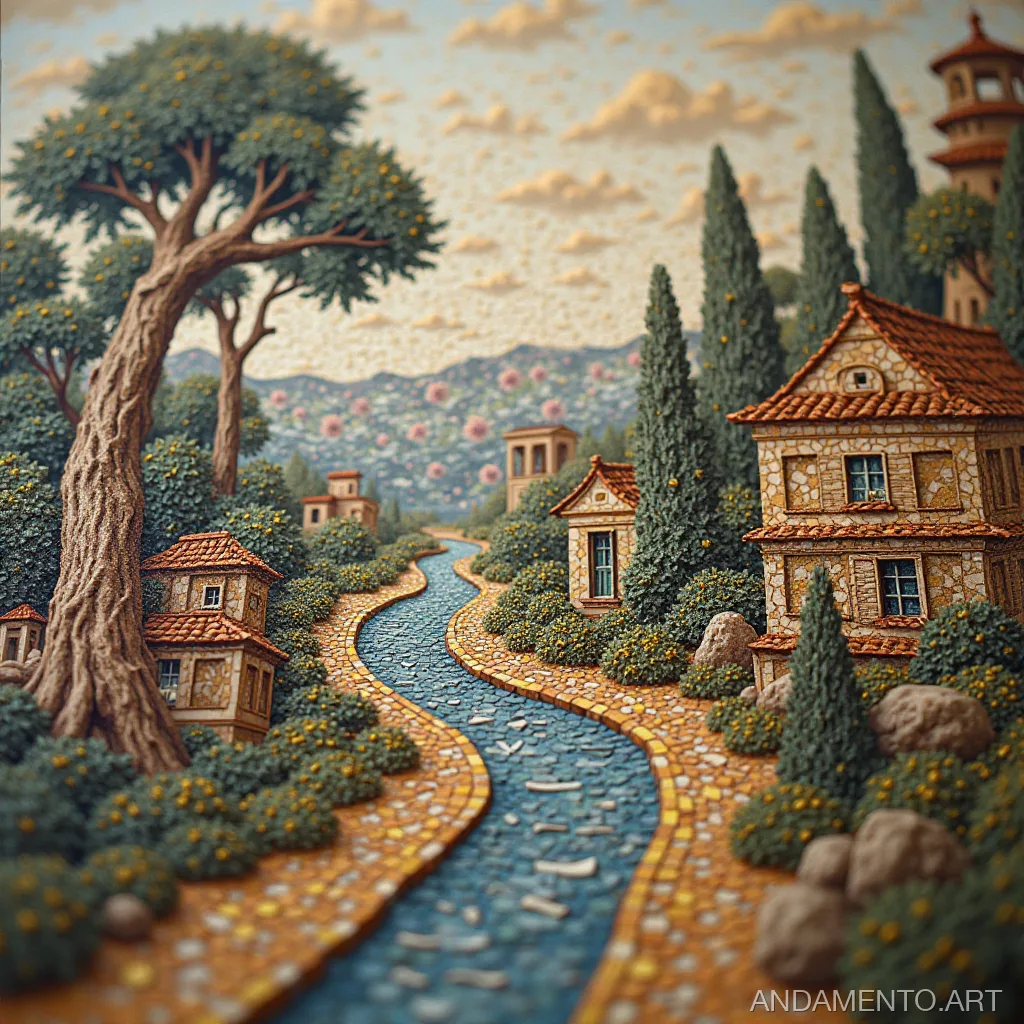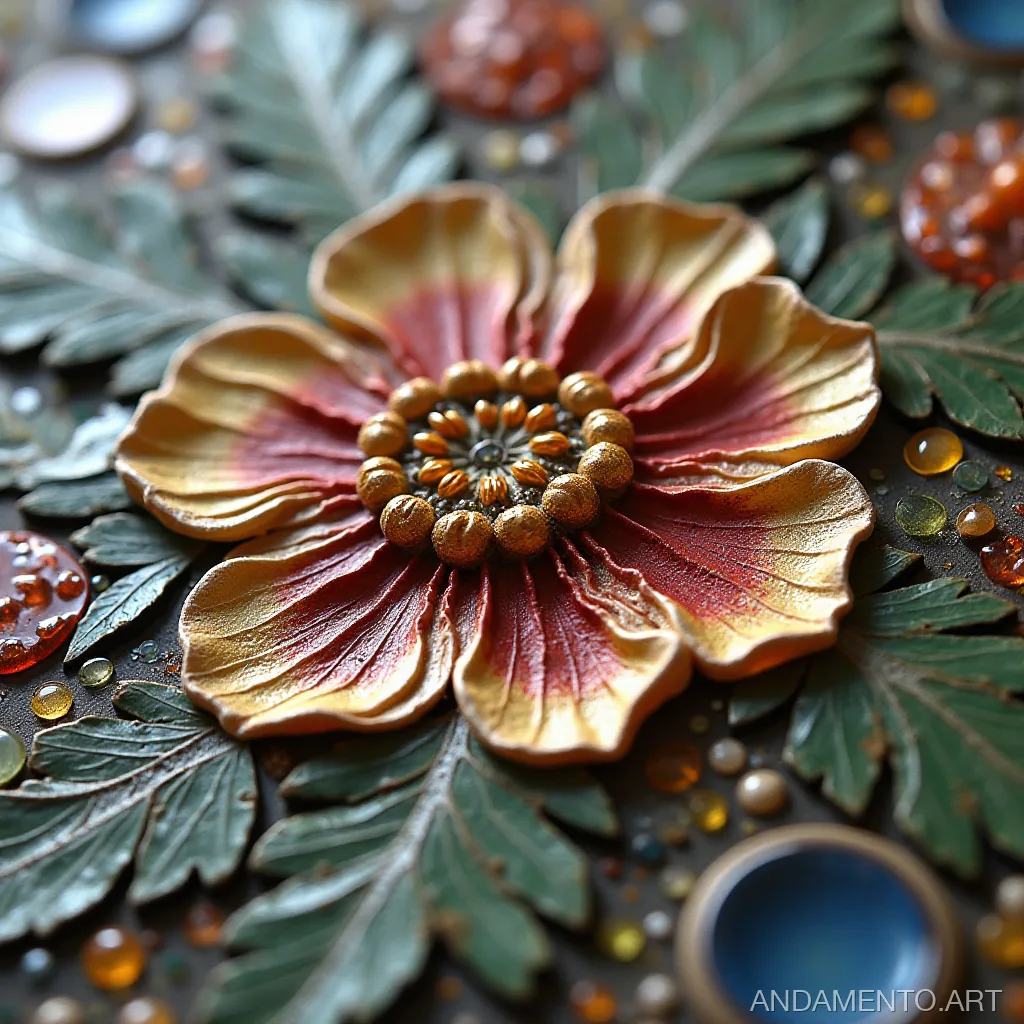
Micromosaic art, a breathtaking testament to human patience and skill, stands as a unique and revered branch of mosaic craftsmanship. Flourishing notably in 18th and 19th-century Rome, this intricate art form transformed minuscule pieces of enamel into stunning, highly detailed images that rivaled fine paintings. Unlike larger mosaic works, micromosaics captivate with their incredible precision, often featuring tesserae so small they are barely visible to the naked eye. This ancient art form, brought to new heights in the modern era, continues to fascinate collectors and artists alike.
The Golden Age of Micromosaic Art in Rome
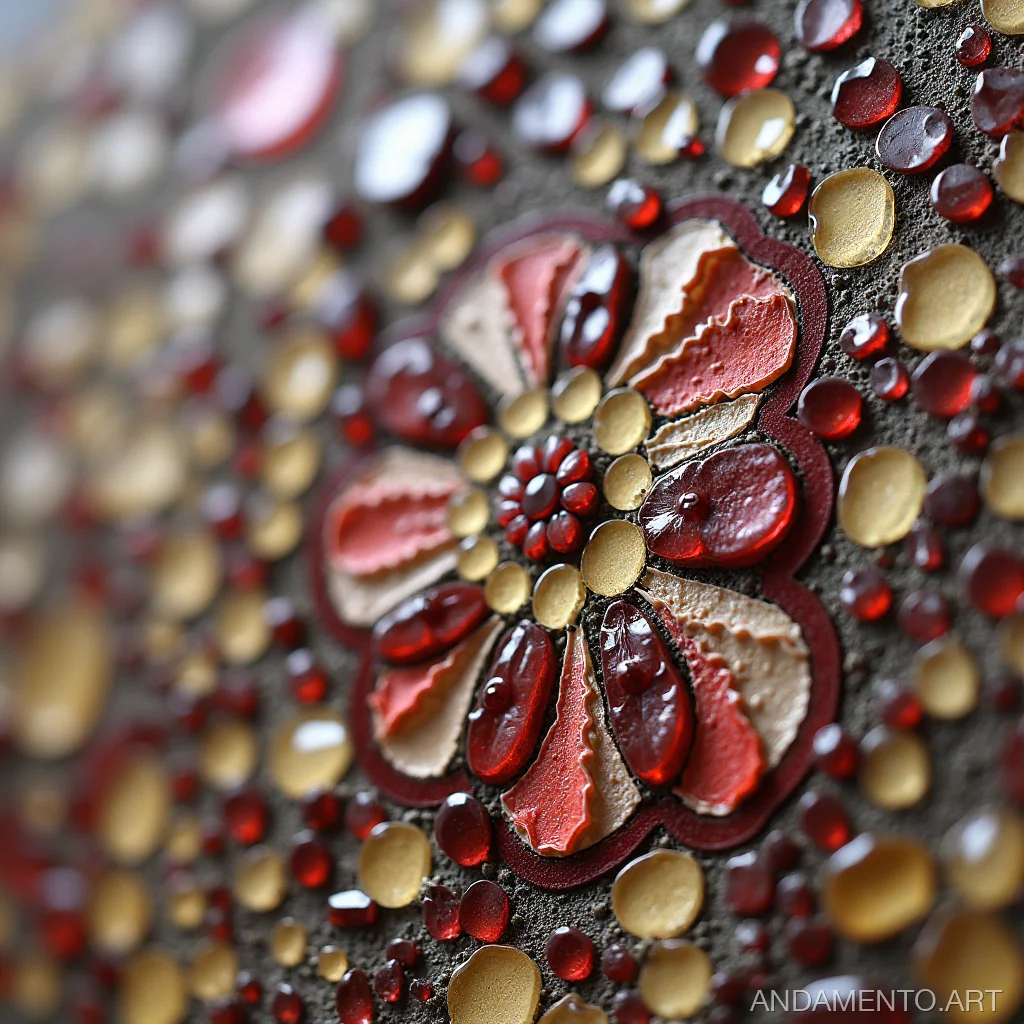
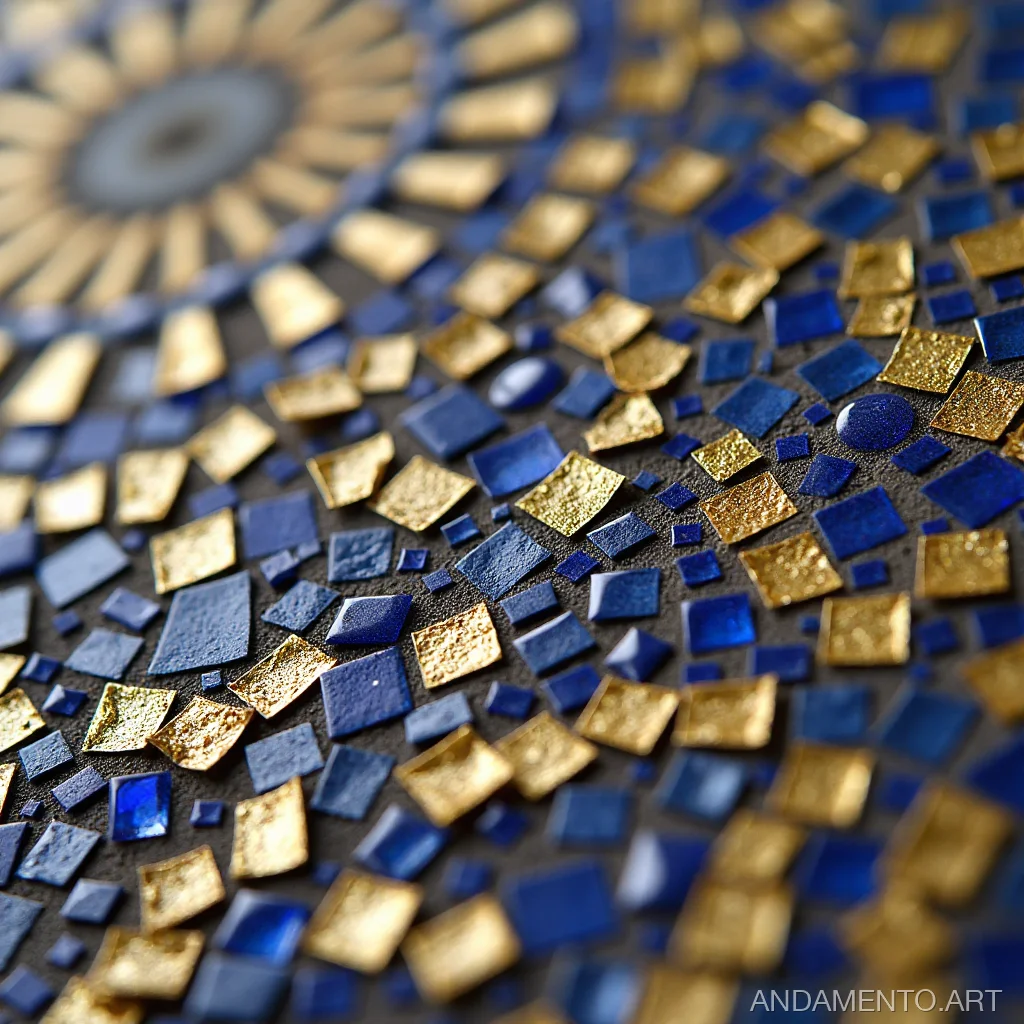
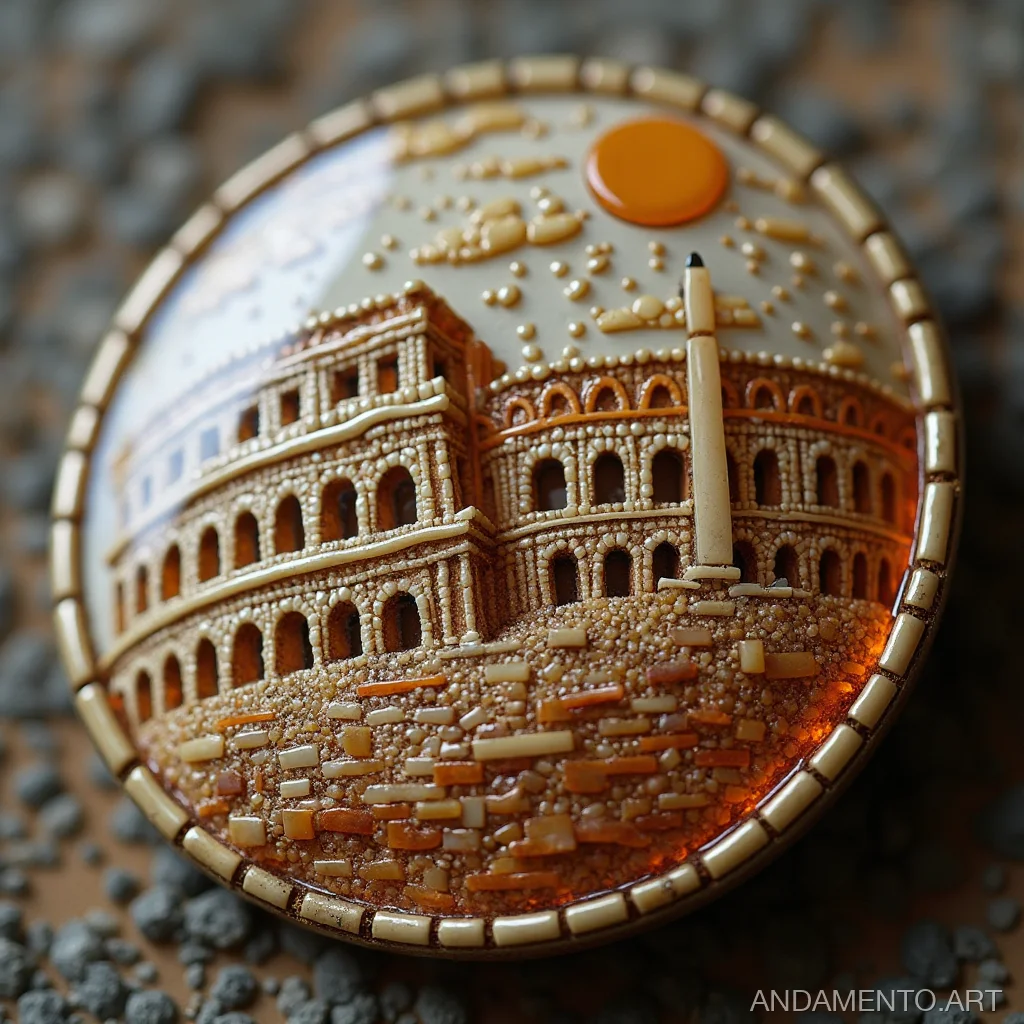

The 18th and 19th centuries marked the zenith of micromosaic art, particularly in the bustling artistic heart of Rome. During this period, Europe’s elite embarked on the “Grand Tour,” a traditional journey through the continent’s cultural centers. Rome, with its rich classical heritage and vibrant artistic scene, was a mandatory stop. Wealthy travelers sought exquisite souvenirs to commemorate their journeys, and micromosaics quickly became the ultimate luxury item. These miniature works of art, often depicting iconic Roman landmarks, classical ruins, or pastoral landscapes, offered a portable and durable alternative to oil paintings, capturing intricate detail in a remarkably small format.
Работы по теме в галерее:
The demand for these unique treasures spurred innovation and competition among Roman workshops, leading to an unprecedented refinement in technique and artistry. The ability to render complex scenes with such fidelity using tiny fragments of material was seen as a marvel, elevating micromosaics from mere craft to high art. Each piece was a testament to the artisan’s skill, a tiny window into the grandeur of Rome and the artistic prowess of its inhabitants.
The Vatican Workshop: A Cradle of Precision
Central to the flourishing of micromosaic art was