DIY mosaics for beginners is more than just a craft; it is an opportunity to engage with an art form that has evolved over thousands of years, from ancient Roman villas to the modernist parks of Antoni Gaudí. Creating your own panel allows you to blend architectural precision with pictorial expression, transforming scattered pieces of glass or stone into a unified visual image. In this guide, we will break down the entire technical cycle: from selecting tools to the final polishing of the surface.
Tools and Materials: Getting Started with DIY Mosaics for Beginners
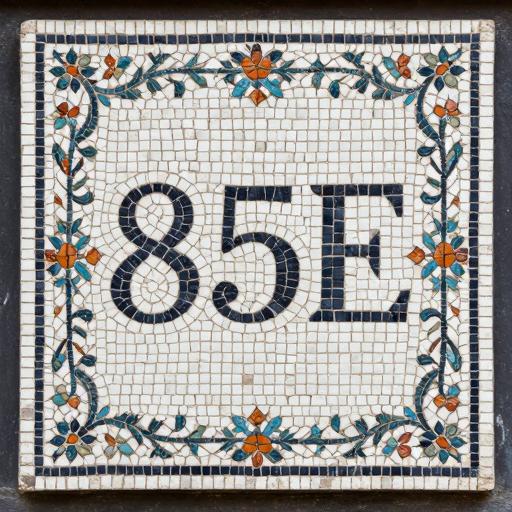
The first step in mastering this craft is assembling the right toolkit. For those drawn to DIY mosaics, it is important not to overwhelm yourself with professional-grade equipment, but also not to skimp on the basic tools. Your primary tool will be wheeled nippers for glass and ceramics (pliers with carbide edges), which allow you to precisely break the material. You will also need tweezers for the accurate placement of small elements and safety goggles, as sharp shards can fly during the cutting process.
When it comes to materials, the choices are vast. The most accessible option is ceramic tile or old porcelain. A more noble material is smalti—a specialized opaque glass infused with metal oxides, used by Byzantine masters to create the shimmering mosaics of their cathedrals. You can also use natural stone (marble, travertine) or modern stained glass. To secure the pieces, you will need a high-quality adhesive. For work on wood or MDF, PVA or acrylic glue is suitable, while for wet areas or outdoor installations, cement-based adhesive or epoxy resin is recommended to ensure maximum durability.
Preparing the Base and Creating a Sketch
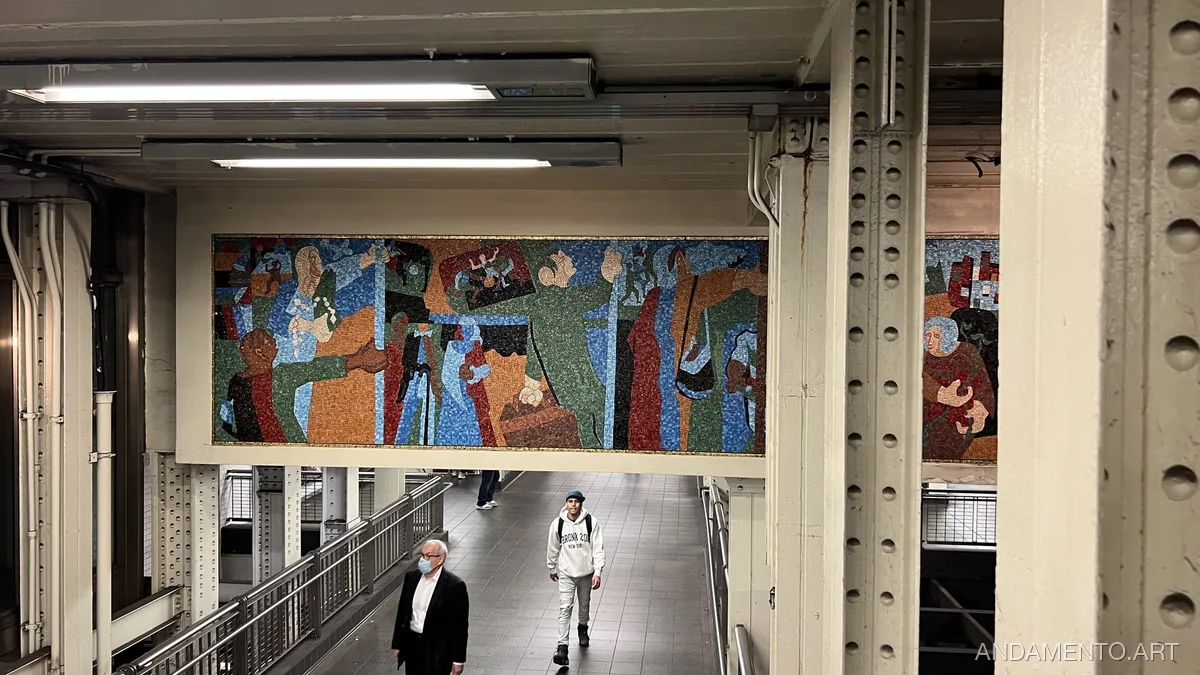
The base is the foundation of your work. The choice of material depends on where the piece will be located. For an interior artwork, a sheet of MDF or plywood 10-12 mm thick is an ideal option. For outdoor objects, such as garden paths or benches, reinforced concrete or cement slabs are used. It is important to remember that the base must be rigid and resistant to significant deformation; otherwise, the tesserae may begin to detach due to temperature fluctuations or humidity.
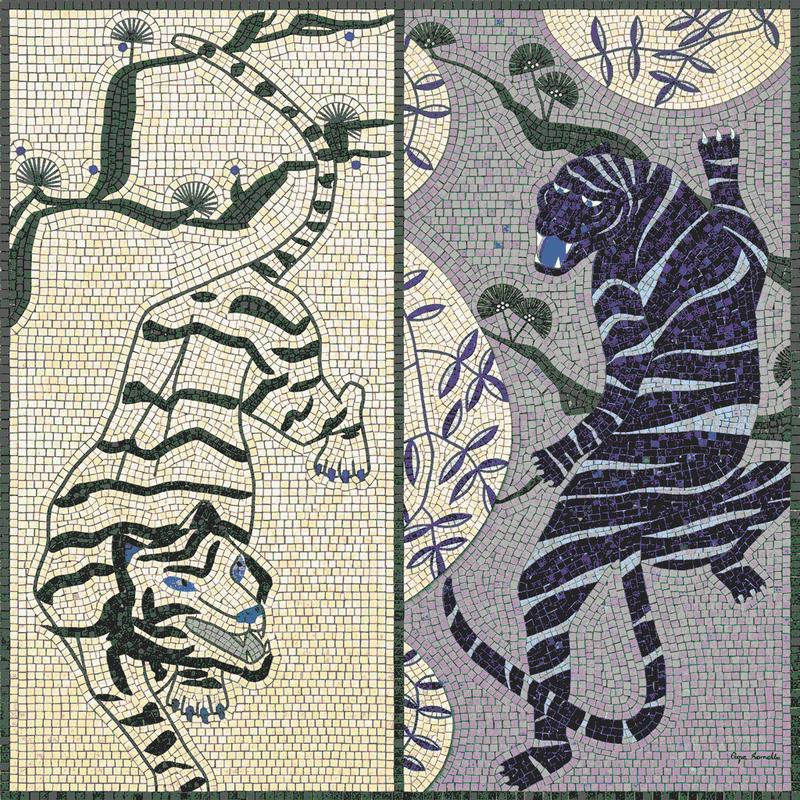
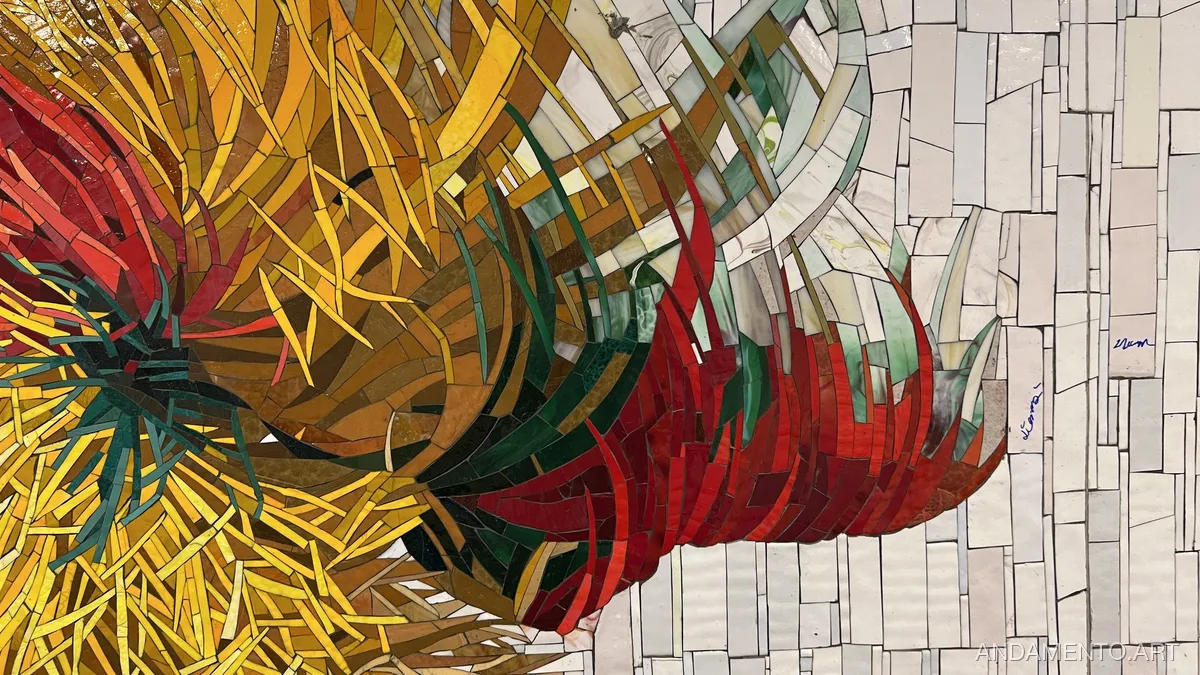
Before you begin gluing, you must create a detailed full-scale sketch. In the art of mosaic, there is a concept known as “andamento”—the rhythmic pattern of the layout that guides the viewer’s eye. Draw the outlines of the main objects and determine how the rows of elements will flow. If you are creating a complex subject, transfer the drawing directly onto the base using carbon paper or a marker. Keep in mind that in mosaic, you cannot “erase” a line as you would in a pencil drawing, so careful composition during the sketching phase will save you a great deal of time during the laying process.
Techniques for Cutting and Laying Tesserae
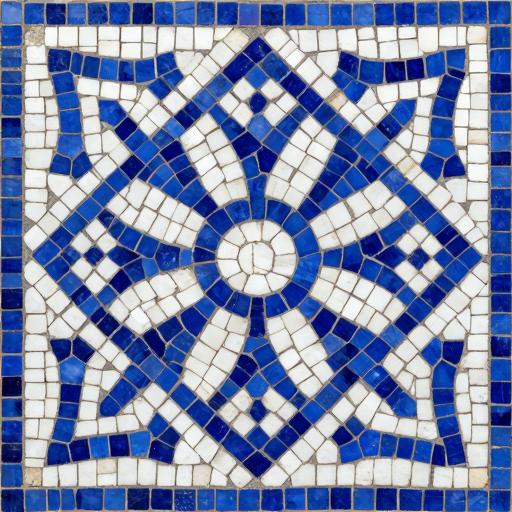
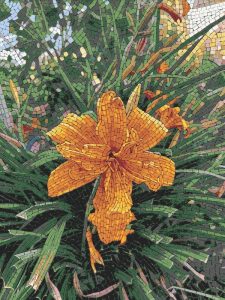
Tesserae are the small fragments of material that compose the image. In the classical Opus Tessellatum technique, tesserae are kept as square and uniform as possible, but in modern art—such as the Trencadís style (Gaudí’s technique)—a chaotic, “broken” form is encouraged. To achieve the desired size, use your nippers: place the tool against the edge of the tile and use a smooth, confident motion to clip away the excess. Try not to break the material too finely, to avoid turning the work into a blur of crumbs.
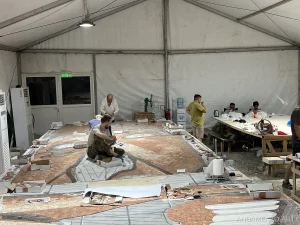
There are two primary laying methods. The direct method involves gluing the tesserae directly onto the base. You apply the adhesive to a small area of the base or to the tessera itself and press it down, leaving gaps of 2-3 mm for subsequent grouting. The indirect method is used for creating complex panels: elements are glued face-down onto paper or mesh using a temporary adhesive. Once the composition is complete, the entire sheet is transferred to the base and filled with mortar. This method allows for perfect density and makes it easier to adjust the drawing during the process.
Grouting and Final Finishing
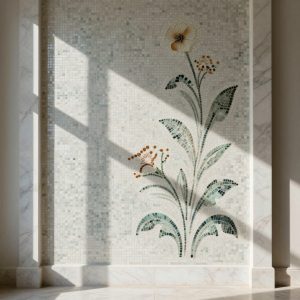
Once all elements are fixed and the glue has completely dried, it is time to fill the voids. For this, a grouting mixture is used—a special solution based on cement or epoxy resin. The color of the grout can radically change the perception of the work: dark joints emphasize the graphic nature and separate the colors, while light joints unify the composition, making it softer and more cohesive. Before applying the mixture, ensure there is no dust, debris, or excess glue between the tesserae that could surface.
Apply the grout using a rubber spatula or simply your fingers (wearing gloves), thoroughly pressing the solution into every gap. Do not leave any voids, as they can become entry points for moisture and lead to the deterioration of the work. After 15-20 minutes, when the mixture begins to set, wipe the surface with a damp, but not soaking, sponge. It is important to remove excess grout from the surface of the tesserae without washing the solution out of the joints. After it has fully dried (usually after 24 hours), wipe the surface with a soft microfiber cloth. To add shine and protect against moisture, you can apply a special mosaic wax or varnish, which is especially relevant if you used porous stone or smalti.
Your First Weekend Project and Common Mistakes
For those trying DIY mosaics for the first time, an ideal first project would be a decorative trivet or a small mirror frame. These objects have simple geometry and allow you to practice all the stages: from cutting to grouting. Choose a simple abstract shape or a geometric pattern. Use leftover ceramic tiles and PVA glue. Such a project will take about 4-6 hours of active time but will provide a full understanding of the material and technique.
Beginners often make a few critical mistakes. First—gaps that are too wide. If the distance between tesserae exceeds 5 mm, the grout may crack upon drying, and the work will look untidy. The second mistake is using incompatible materials (for example, gluing heavy stone onto thin cardboard), which leads to the deformation of the base. The third mistake is ignoring the “andamento.” If elements are laid randomly, the work loses its dynamics and looks flat. Remember that the lines of the layout should flow around the main forms of the drawing, emphasizing their volume and direction.
Creating a mosaic is a meditative process that teaches patience and attention to detail. Over time, you will be able to move from simple forms to complex techniques, such as Byzantine or Florentine mosaics. And if you want to experiment with design and see how your ideas would look in different styles, try the andamento.app service to generate digital mosaic sketches.