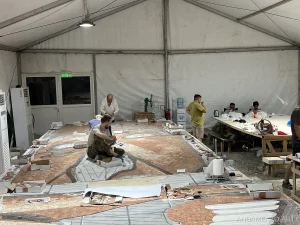
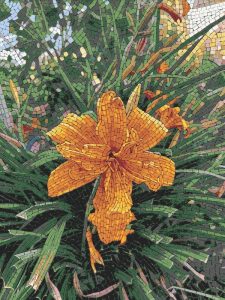
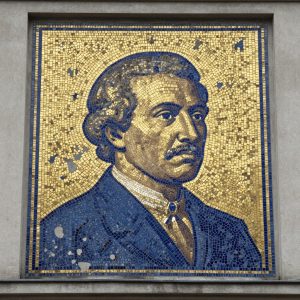
A mosaic panel represents a unique synthesis of architectural form and pictorial imagery, transforming an ordinary wall into a monumental work of art. Unlike standard tiling, such a piece possesses a deep texture and a play of light that shifts depending on the viewing angle. Creating a full-scale composition requires not only artistic taste but also strict adherence to a technological cycle, where every stage determines the durability and aesthetics of the final result.
Concept Development and Sketching for Mosaic Panels
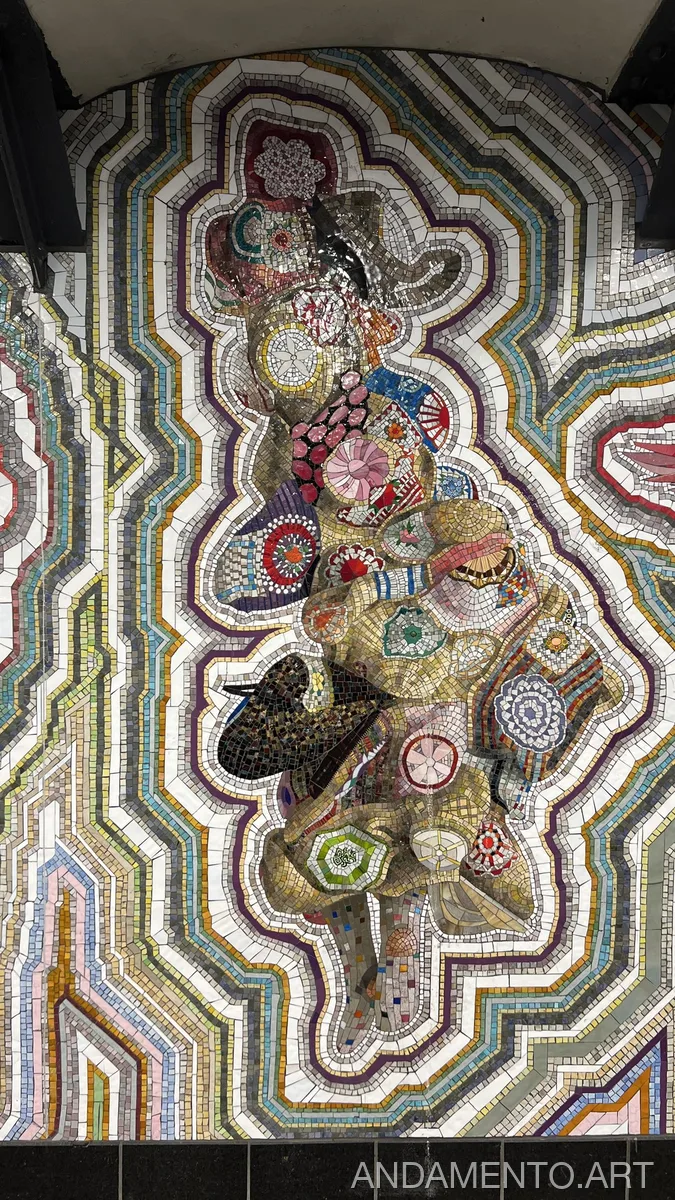
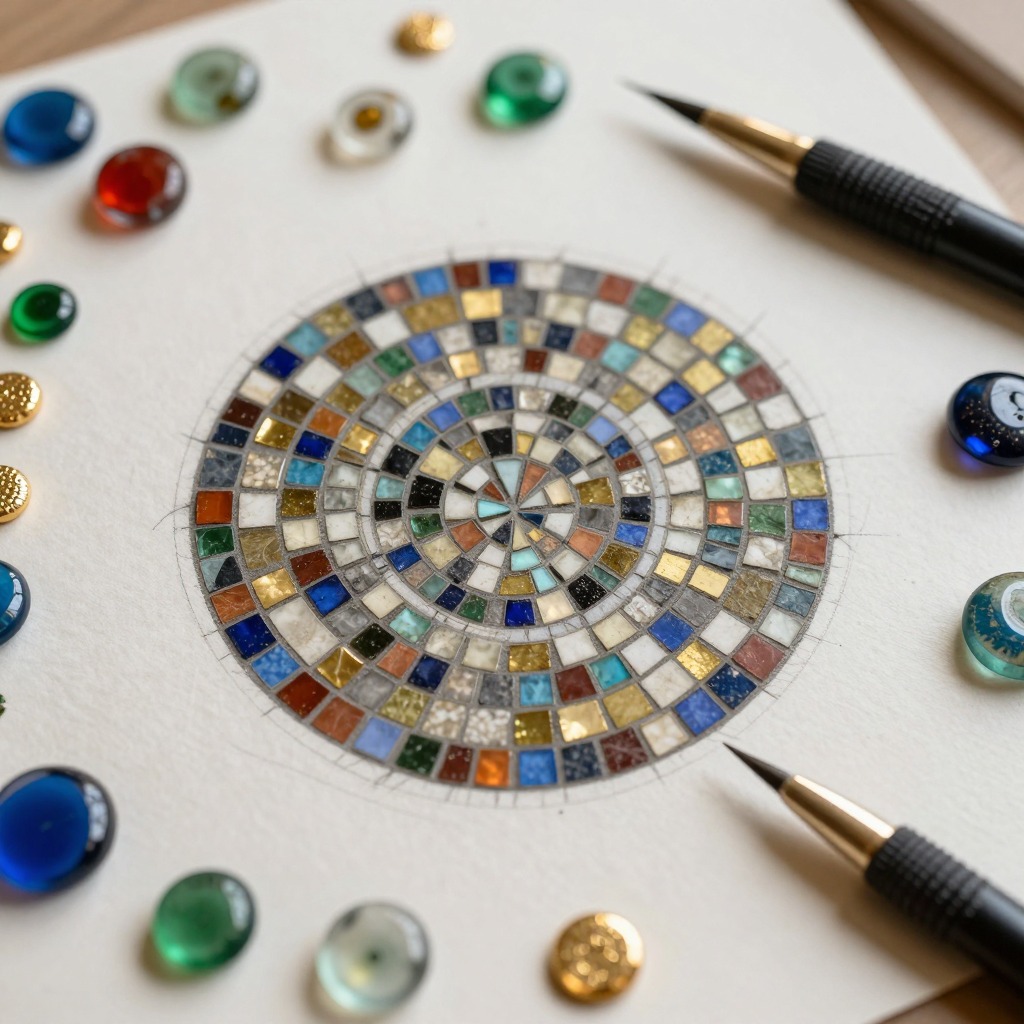
The process begins with the selection of a subject and the creation of a detailed sketch, known in professional circles as a “cartoon.” At this stage, the Andamento—the direction of the tesserae (mosaic elements) layout—is determined, which sets the dynamics of the entire composition. While lines in classical Opus Tessellatum run in straight rows, in more complex works, they follow the contours of the objects, creating an effect of volume and movement. Modern masters increasingly use AI tools to generate precise layout schemes, allowing them to avoid errors in color transitions before materials are even purchased.
Scale is a crucial consideration: for small interior panels (up to 1 square meter), detailing can be maximized, whereas for monumental works measuring 3×5 meters or more, the emphasis shifts to large color blocks and general forms. The sketch must include a detailed color map, where each shade is assigned a specific material number. This is especially critical when creating portraits or complex landscapes, where a smooth gradient is achieved by blending several similar tones of smalt or marble, creating an “optical mixing” effect from a distance.
Selection of Materials and Artistic Techniques
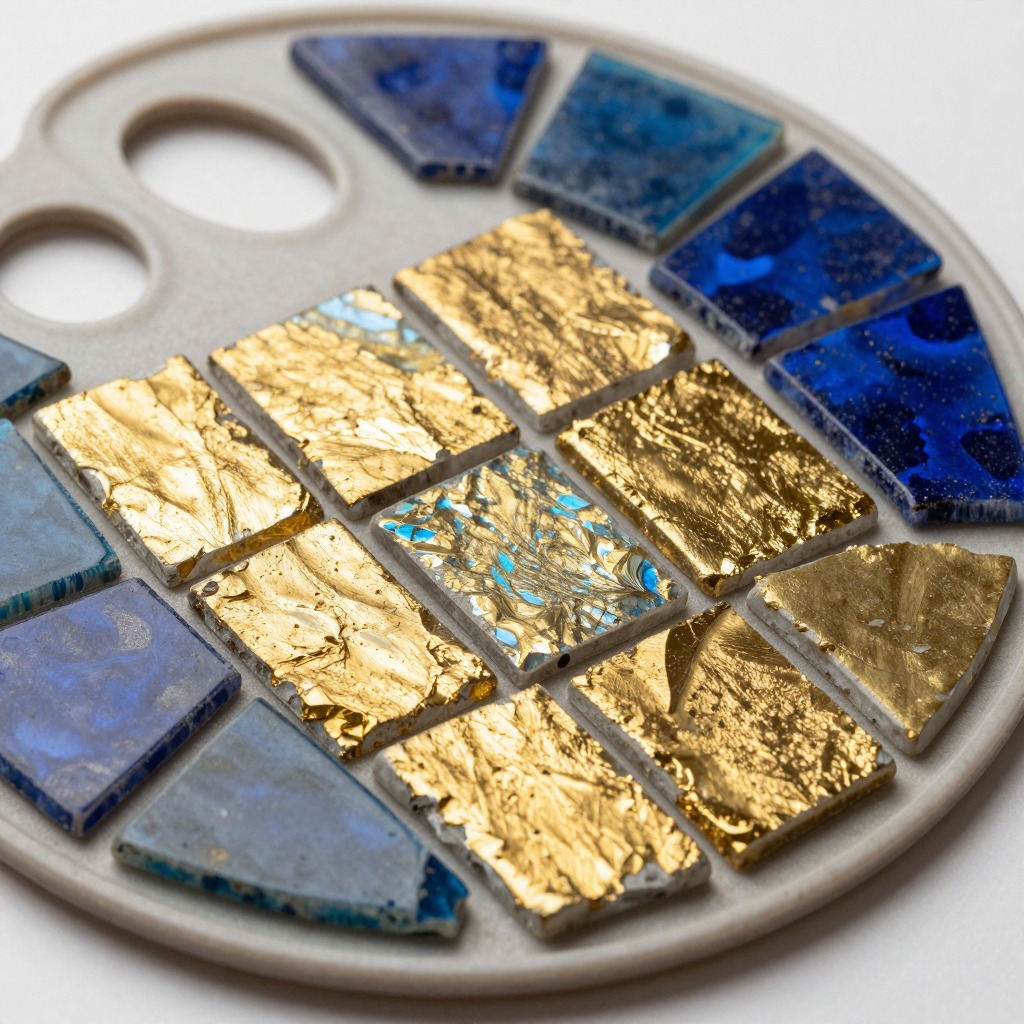
The material determines the character of the future piece. Smalt—opaque colored glass infused with metal oxides—is considered the gold standard for the Byzantine style. It possesses rich color and can contain gold or silver leaf, creating an effect of divine radiance. For more understated, natural interiors, natural marble or granite are chosen for their durability and noble matte finish. If the goal is a bold, modern style, the Trencadís technique, popularized by Antoni Gaudí, is used, employing shards of ceramic tiles and pottery.
The technological approach is also divided into direct and indirect methods. In the direct method, the master glues the tesserae directly onto the wall, allowing the composition to be perfectly adjusted to the surface relief. The indirect method involves assembling the panel on a paper or mesh base in the studio, with subsequent transfer to the site. To achieve high precision in modern works, Matrix mosaic and MELTI mosaic methods are used, which translate digital images into clear layout grids, minimizing the risk of proportion distortion during manual execution.
Production Technology and Execution Formats
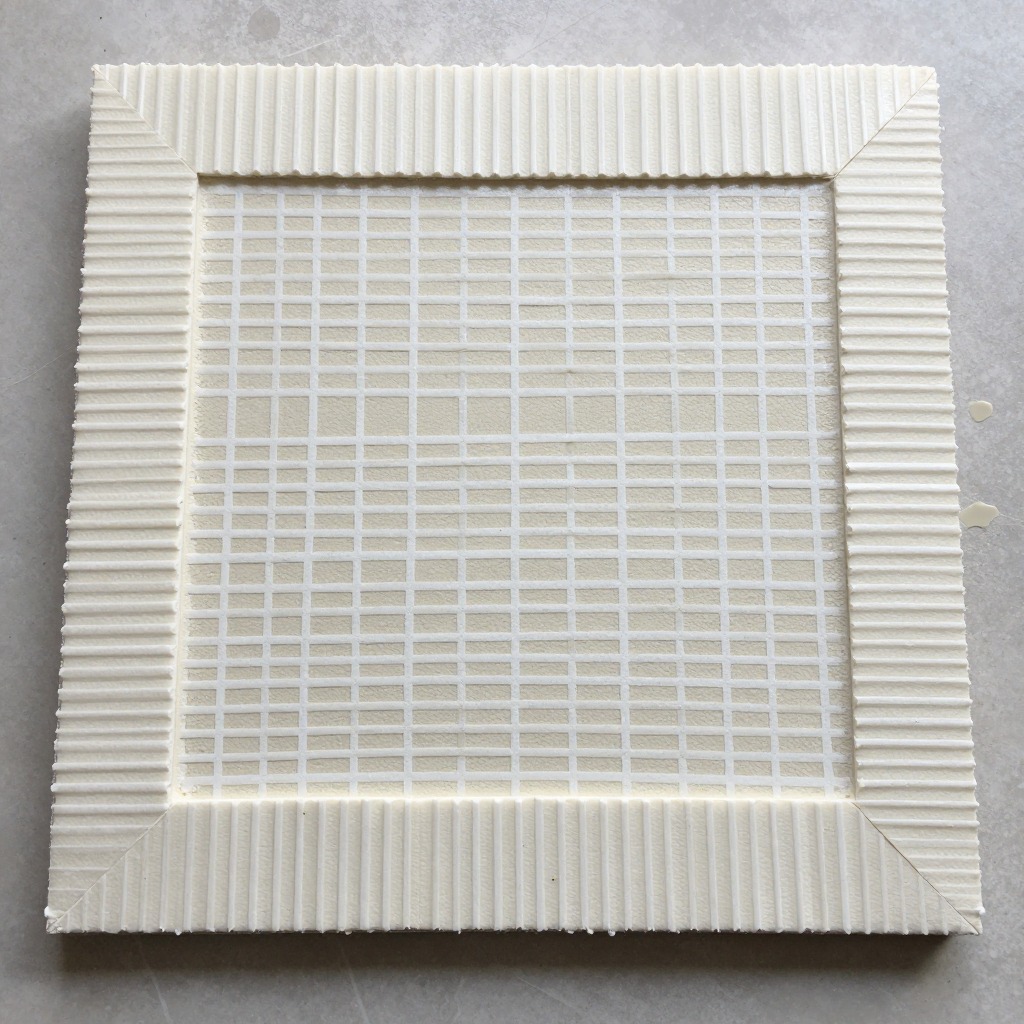
Technical implementation begins with the preparation of the base. If the panel is created using the Florentine technique, particular attention is paid to the thinness of the cut elements to ensure the lines are as elegant as possible. The master’s toolkit includes nippers, diamond discs, and grinding machines. Each element is fitted by hand to ensure that the gaps between them are minimal and uniform. In the case of Soviet Mosaic, characteristic of 20th-century monumental art, larger blocks of smalt are used, giving the work industrial power and conciseness.
Panel formats vary from narrow friezes that emphasize the geometry of a room to full-scale wall murals. When creating large formats, it is critically important to plan the system of seams and expansion joints so that the mosaic does not crack during the settlement of the building. Lighting is also taken into account: glossy glass will create glares that can “cut” the image; therefore, for areas with direct sunlight, matte surfaces or special anti-reflective coatings are often chosen to keep the image stable under any lighting conditions.
Thematic Solutions: From Nature to Abstraction
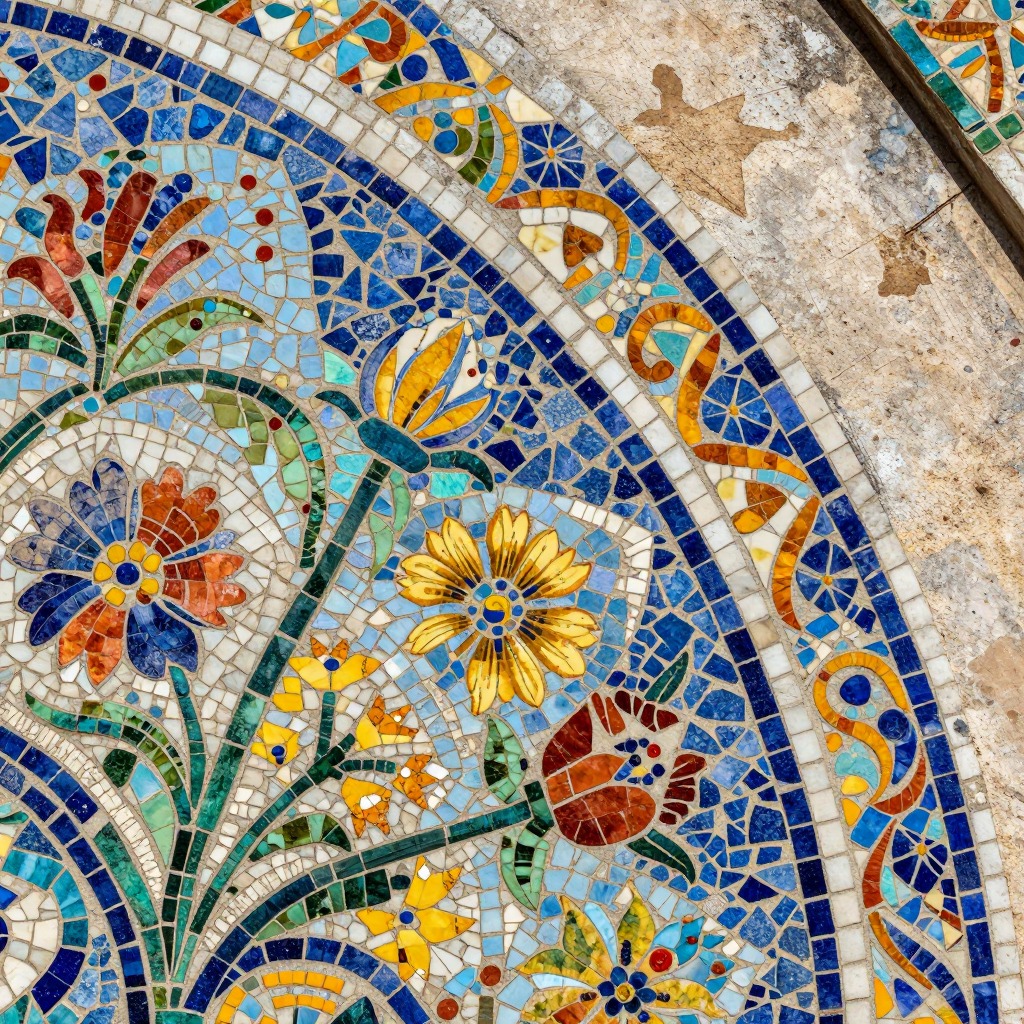
The choice of theme dictates the choice of technique. Natural motifs and florals fit perfectly into organic lines, where the Andamento follows the curves of leaves and stems. Here, the use of Stained Glass mosaic is appropriate, as it allows light to pass through and creates a transparency effect. Portraits require jewelry-like precision and the use of the smallest tesserae to convey facial expressions and the depth of a gaze; such works often combine a Classical AI approach with manual refinement of details to achieve photographic likeness while preserving the mosaic structure.
Abstract compositions allow for experimentation with volume and texture. Different materials can be combined in one panel: for example, rough concrete, mirror smalt, and polished marble. This creates a tactile contrast and visual tension. Abstraction often employs the principle of rhythm, where repeating geometric figures create a sense of infinity or digital noise, making such works ideal for modern offices or lofts where art should emphasize the technological nature of the space.
Wall Installation and Final Finishing
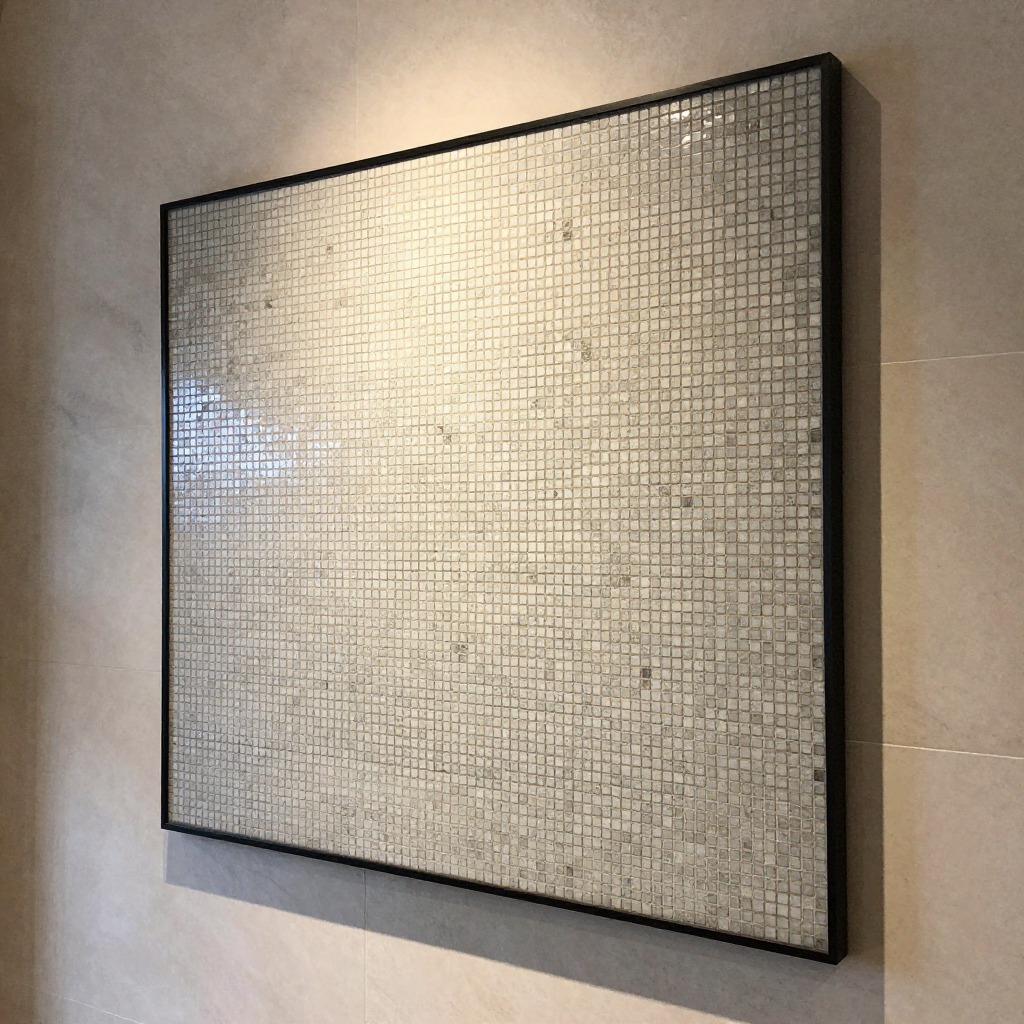
Installation is the most critical stage, determining whether the mosaic panel will remain on the wall for decades. Surface preparation includes leveling the wall and applying a primer to improve adhesion. For heavy stone or glass panels, high-strength cement or epoxy adhesives with increased elasticity are used. If the work was assembled on a mesh, it is secured with clamps until the mortar fully dries to prevent elements from sliding under their own weight.
Grouting the seams is the final touch, which can either emphasize or hide the structure of the mosaic. The use of contrasting grout highlights each individual tessera, turning the work into a graphic pattern. Neutral tones, conversely, blend the elements into a single color canvas. After grouting, the surface is cleaned of mortar residue and treated with a hydrophobic sealant, which protects the seams from moisture and contaminants—especially important for panels in bathrooms, kitchens, or open terraces.
Cost of Project Development and Implementation
The price of a mosaic panel is composed of three main factors: the cost of materials, the complexity of the sketch, and the master’s labor. The most expensive materials are gold smalt and rare varieties of marble. The complexity of the work directly depends on the size of the tesserae: the smaller the element, the more time is required for cutting and installation. For example, creating a detailed portrait in the Opus Tessellatum technique can take 3-4 times longer than creating an abstract landscape in the Trencadís style.
Related works in the gallery:
The execution method also affects the cost. Individual manual selection of each stone is significantly more expensive than working from a ready-made digital scheme. However, the use of AI technologies for design allows for the optimization of material consumption and reduces the time spent on sketching, making professional art more accessible. On average, the cost per square meter of mosaic can vary from a few dozen to several thousand dollars, depending on whether a utilitarian decorative panel or a unique collectible art object is being created.
If you want to visualize your idea or create a precise sketch for a future masterpiece, try the capabilities of the andamento.app service to generate perfect mosaic patterns.