Mosaics for children are not just an engaging hobby, but a powerful tool for developing fine motor skills, spatial thinking, and aesthetic taste. Unlike drawing, where a line can be spontaneous, creating a mosaic panel requires planning, patience, and the ability to see the whole through many small details. This art form allows a child to feel like a true architect and artist, creating durable objects with their own hands. The process of assembling a composition from individual fragments teaches a systematic approach to problem-solving: to achieve the final image, one must first prepare the elements, plan their arrangement, and sequentially fill the space.
Introducing Children to Art: Mosaics for Kids
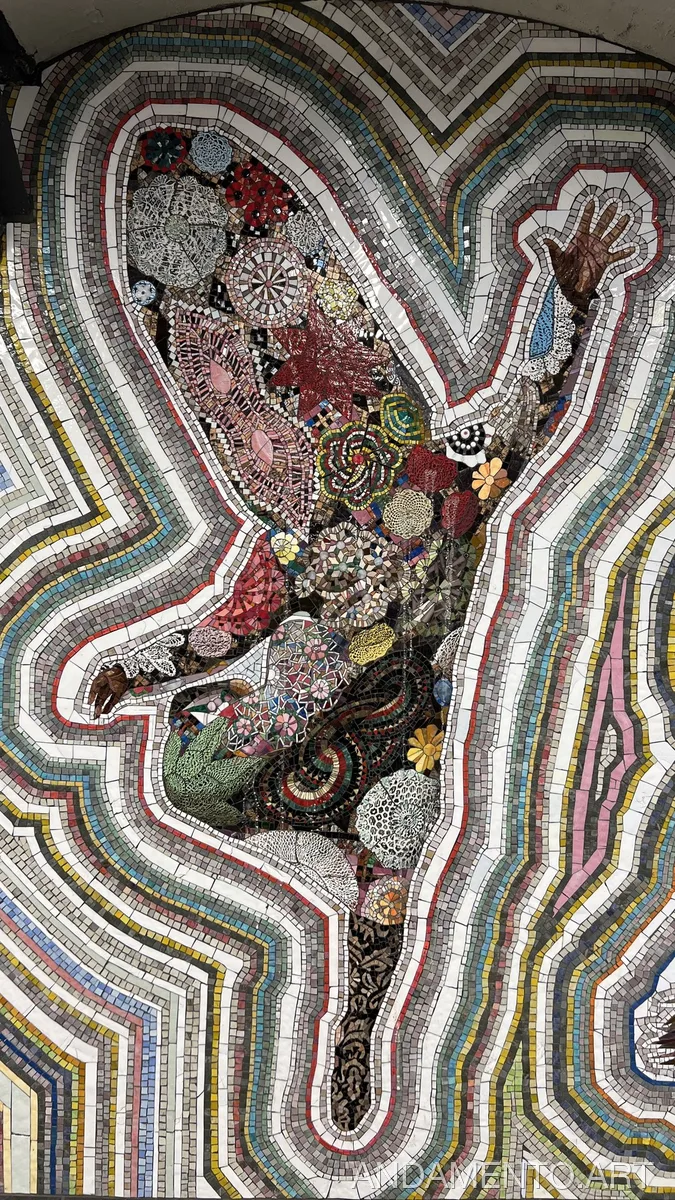
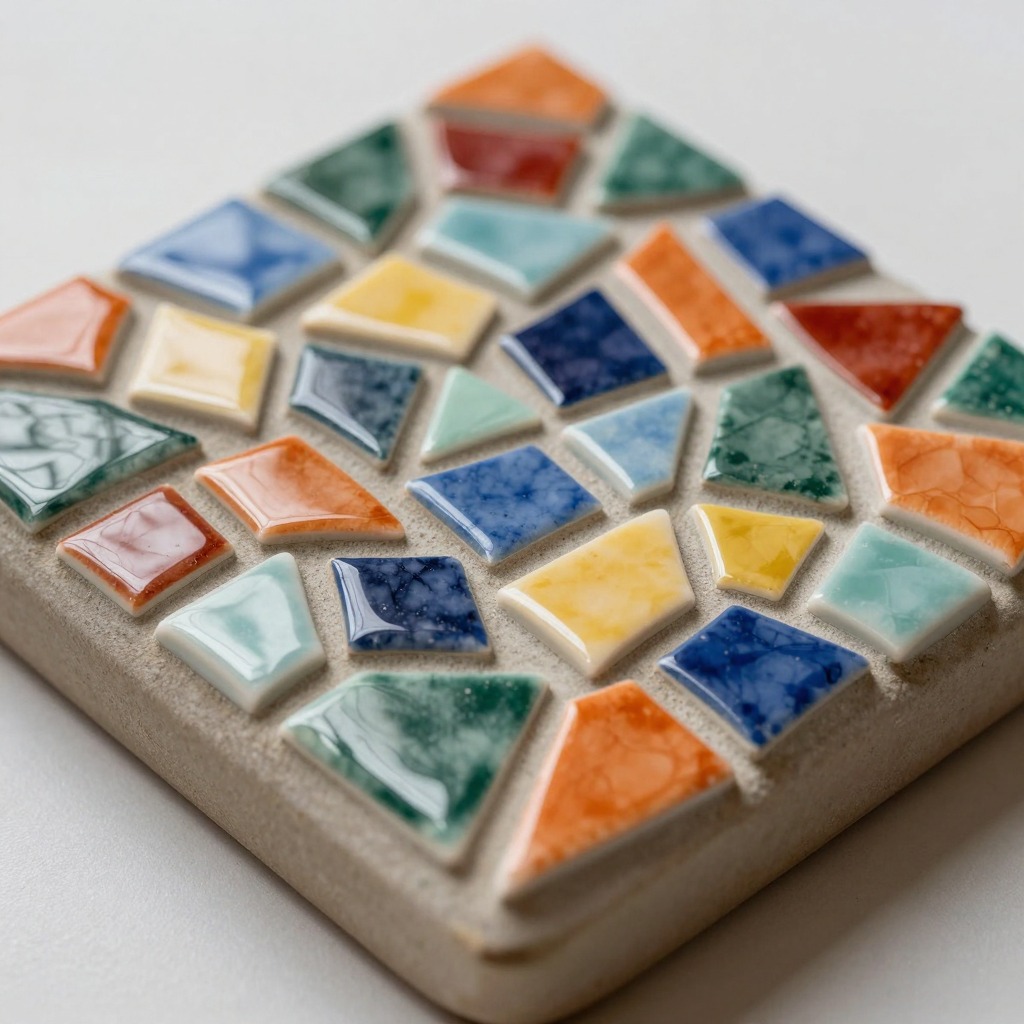
The first step in introducing this art form is visual inspiration. To ensure that mosaics become a conscious passion for children rather than just playing with glue, it is important to show them the scale of this creativity. Start with city walks or by exploring albums featuring the works of Antoni Gaudí, especially his masterpieces in Park Güell, where the Trencadís technique—creating compositions from ceramic and glass shards—is used. Tell the child that mosaics have existed for thousands of years: from the ancient Roman floors in Pompeii to the luxurious Byzantine mosaics in the Hagia Sophia in Constantinople. Such examples help them understand that their creativity is part of a great global tradition.
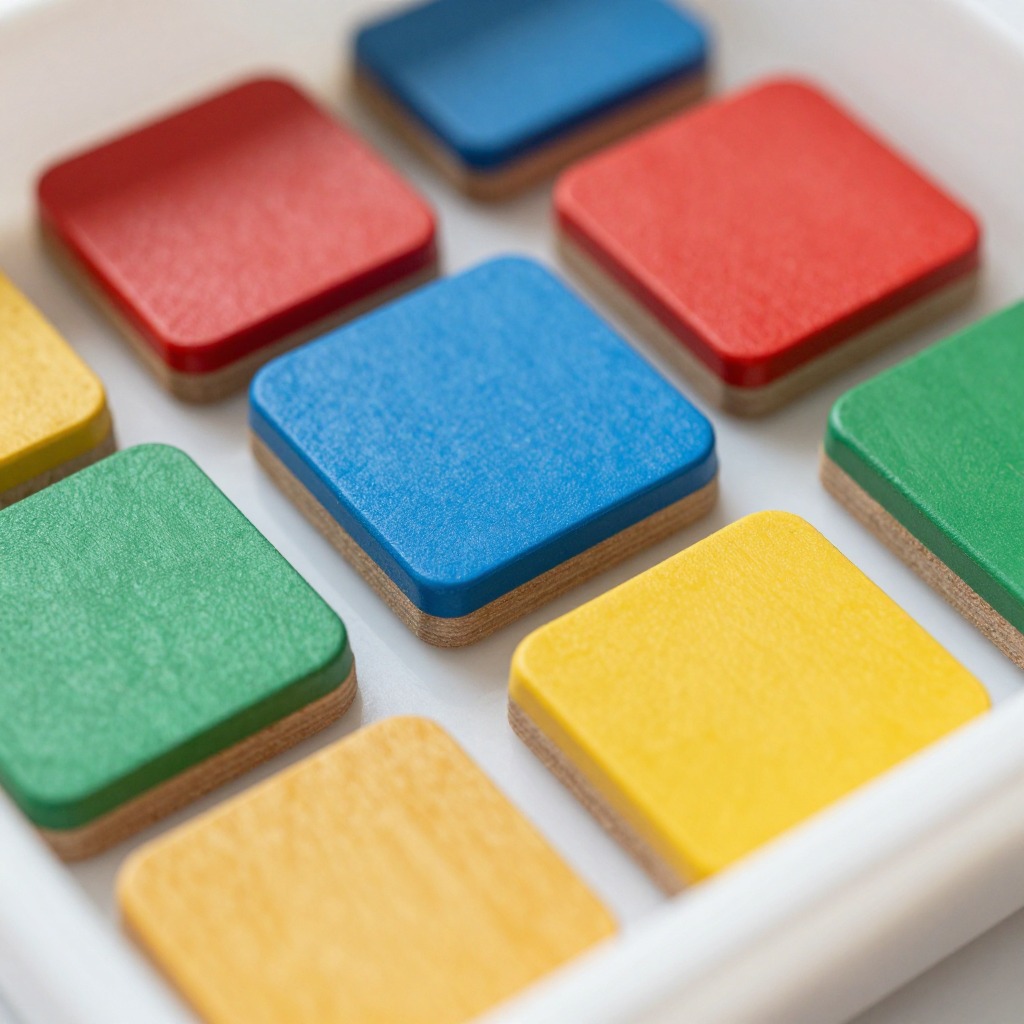
Discuss the concept of “andamento”—the direction and rhythm of the layout. Explain that each tile (tessera) is like a letter in a word: if they are arranged correctly, a beautiful story emerges. Try to examine together how lines in a mosaic can create volume or imitate the movement of water and wind. Suggest that the child try creating a simple scheme on paper using colored squares. It is important that the process begins as a game where there is no concept of a “mistake,” only the search for the perfect combination of colors and shapes. Once the child understands the principle of filling a plane and learns to feel the rhythm of the layout, they will be ready to move from theory to practice and their first real materials.
Safe Materials: Which Mosaics are Best for Children
Safety is the number one priority, so classic smalt or broken glass are excluded for children until they reach their teenage years. At the initial stage, it is best to use materials that have no sharp edges and are non-toxic. An ideal option would be EVA foam mosaics or special plastic. These materials are lightweight, bright, and allow for easy correction of mistakes, as parts can be reglued without damaging the base. For the youngest (3-5 years), self-adhesive sets are suitable, as the child does not need to use glue, which eliminates the mess on furniture and clothing and minimizes the risk of accidentally swallowing small parts under proper supervision.
Paper mosaics are another accessible and eco-friendly option. Instead of simply cutting paper with scissors, suggest that the child tear it into small pieces by hand. This further trains the small muscles of the fingers and develops tactile sensitivity. Thick cardboard, plywood, or even old CDs can be used as a base. If you decide to use glue, choose only PVA or special non-toxic water-based compositions that are easily washed off the skin and have no pungent smell. For more advanced projects, you can use plastic buttons, beads, or natural materials: sunflower seeds, beans, and colored pebbles collected on a riverbank, turning creativity into a true exploration of nature.
Age Recommendations: From Appliqué to Art
The teaching approach should change as the child grows to maintain interest and match their developmental level. For children aged 3 to 6, mosaics should take the form of large-scale appliqué. At this age, the goal is to teach the child to stay within the contour and distinguish basic colors. Use large elements (2-3 cm in size) and simple shapes: circles, squares, and triangles. The focus here is not on the final result, but on the process of tactile interaction with the material. The child learns to coordinate hand-eye movements, which directly affects the development of speech and cognitive functions, laying the foundation for future writing.
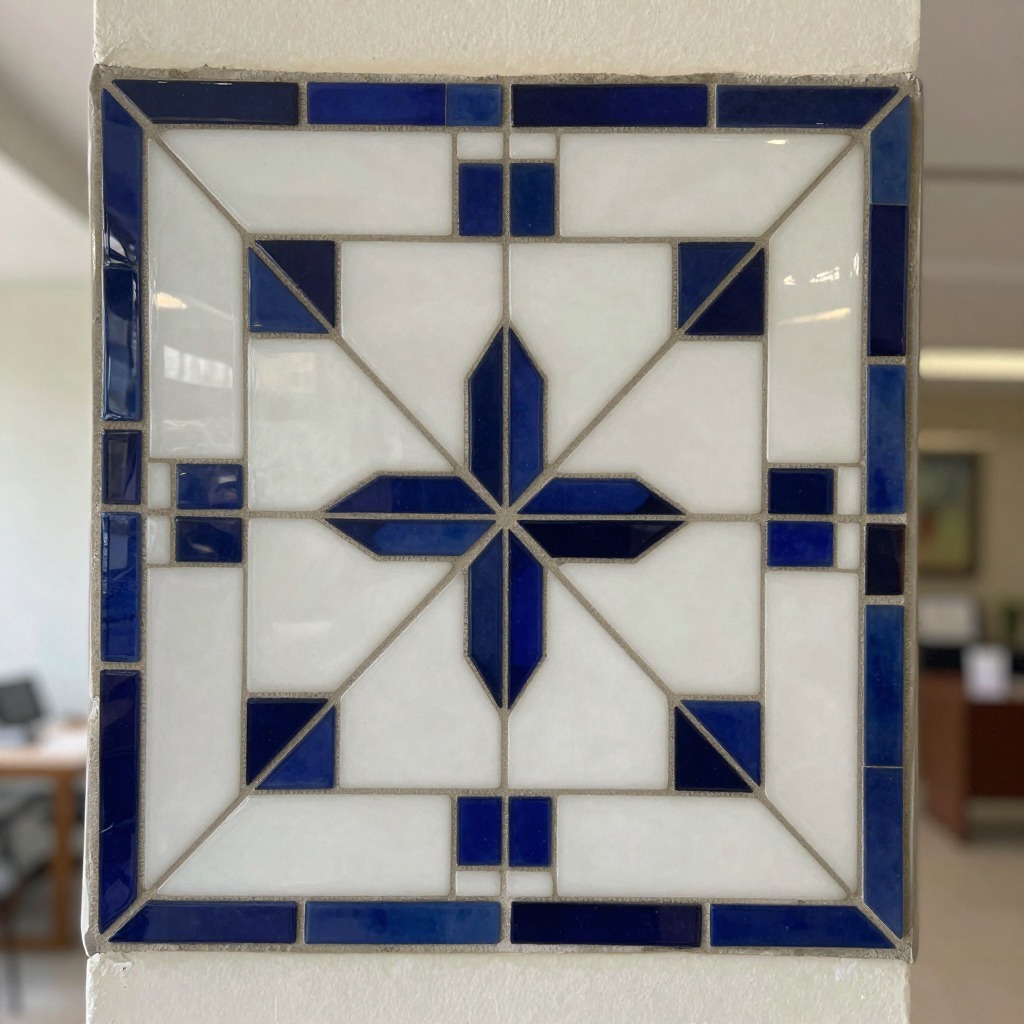
For children aged 7-12, more complex techniques can be introduced, and greater precision can be required. At this age, they are capable of working with small details and following a detailed sketch created by an adult or themselves. You can introduce them to the principles of classic Opus Tessellatum, where elements are laid in even rows, creating a strict geometric order. This is the time for creating the first full-fledged interior items, such as jewelry boxes or stands. Teenagers (13+) can move on to more serious materials under adult supervision. They can be encouraged to try the stained glass mosaic technique or work with safe glass that has been pre-treated in a kiln. At this age, the emphasis shifts to composition, the play of light and shadow, and a deep study of art history.
Simple Projects: First Mosaics for Children and Beginners
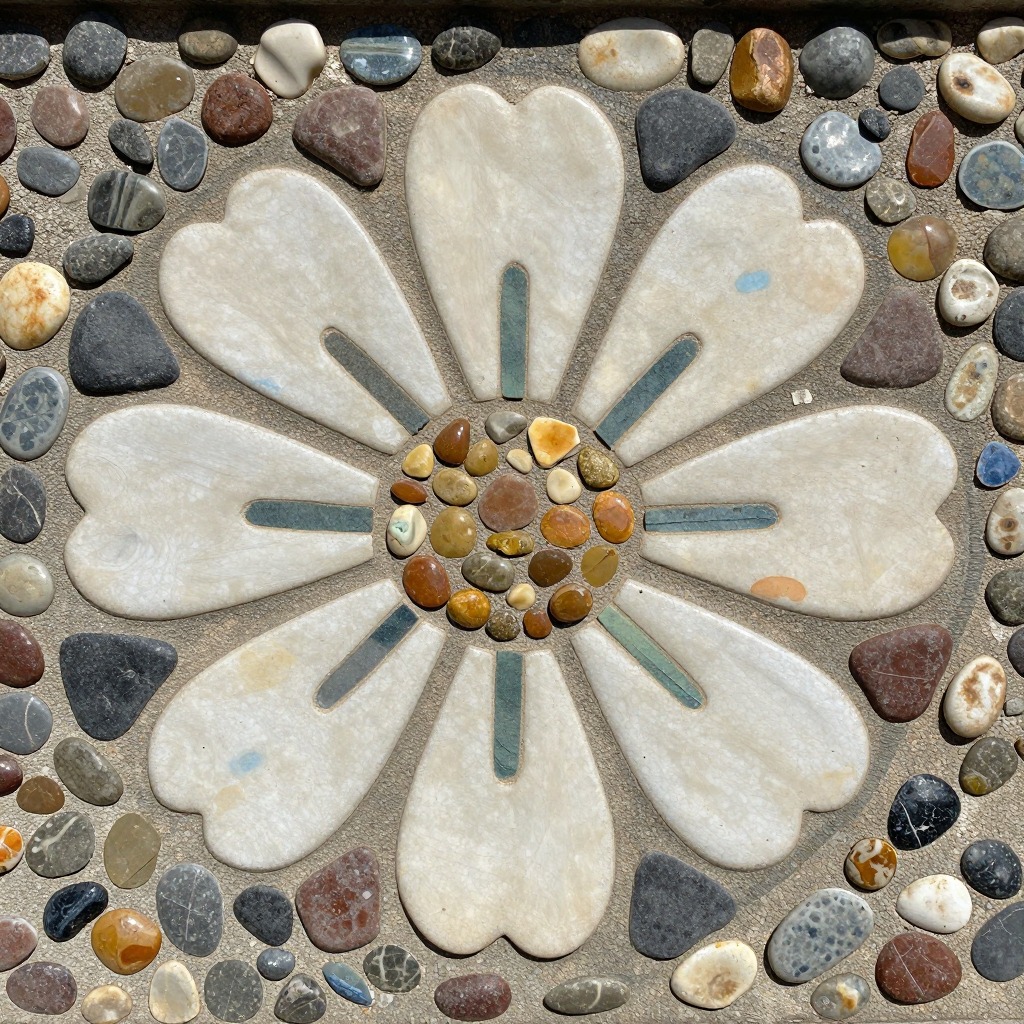
To keep the child from getting bored, projects should be practical—so that the result can be used in everyday life. The first project could be a coaster. Take a square blank made of cork or wood and suggest the child fill it with plastic or ceramic tiles, creating a geometric pattern. This is an excellent way to study symmetry and the repetition of elements. It is important to teach the child to leave small gaps between the parts, which in professional art are filled with grout, but in a children’s project can remain empty for ease and speed of execution. Encourage experiments with color by suggesting contrasting combinations.
The second project will be a photo frame. The child can decorate a regular wooden frame using the Trencadís technique with plastic or colored cardboard. This allows them to add volume to the work and experiment with different textures: combining smooth surfaces with rough ones. The third, more ambitious project is a wall panel. Suggest that the child draw a simple subject (for example, a sun, a tree, or a favorite cat) and fill it with materials of different colors. Here, the gradient method can be applied: a smooth transition from dark blue to light blue in the depiction of the sky. Such works become a wonderful decoration for a child’s room and give the child a sense of pride in a created object that will remain with them for many years.
Developmental Benefits: Why Mosaics are Good for the Brain
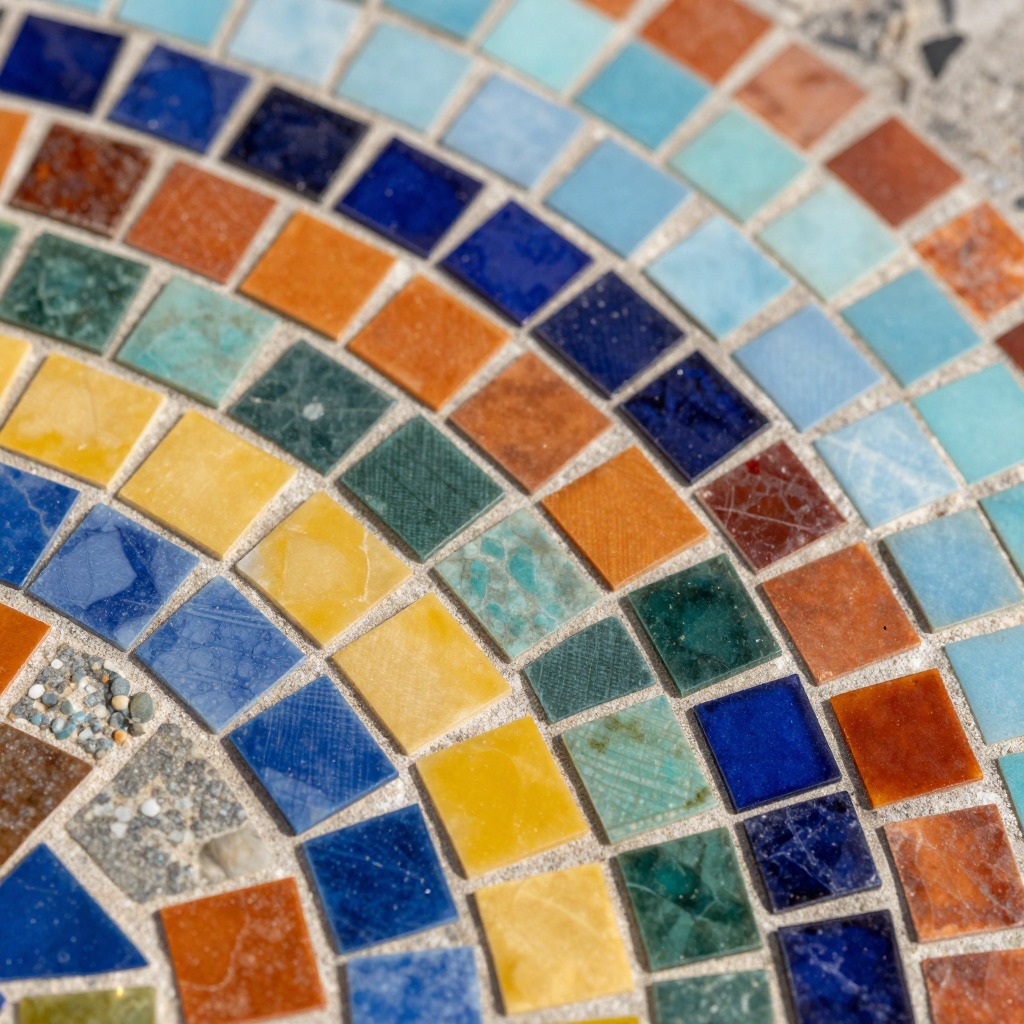
Engaging in mosaics has a comprehensive effect on a child’s psyche and physiology. Firstly, it develops fine motor skills. Precise finger movements when grasping a small tessera and placing it in the right spot stimulate brain centers responsible for thinking and speech. Secondly, mosaics teach concentration and patience. In an era of digital content where everything changes in a second, creating a panel that requires several hours of painstaking work becomes a kind of meditation. This helps the child cope with stress, reduce hyperactivity, and learn to see a task through to the end, gaining satisfaction from the physical result of their labor.
Furthermore, mosaics for children serve as a practical lesson in geometry and mathematics. The child visually sees how a large rectangle is composed of small squares, how triangles form a rhombus, and how to fill a space densely without unnecessary gaps. This develops spatial intelligence and the ability to analyze complex structures. Additionally, working with color develops artistic taste: the child learns to mix shades, create contrasts and harmonious combinations, which lays the foundation for any future creative or engineering education. The ability to see the structure of an object before it is assembled develops abstract thinking.
From Physical Creativity to Digital AI Art: Modern Mosaics for Children
In the modern world, art extends beyond physical materials. Once a child has mastered the basic principles of composition, they can be introduced to the digital embodiment of mosaic. Modern technologies allow any photo or drawing to be transformed into a professional mosaic scheme. This opens new horizons: a child can create a digital sketch using AI tools and then attempt to realize it in reality using available materials. This combines classic craft with cutting-edge technology, making the learning process more interactive.
Related works in the gallery:
Studying techniques such as Matrix mosaic or MELTI mosaic in a digital format allows for experimentation with millions of shades that are unavailable in a standard tile set. A child can see how their childhood drawing transforms into a monumental canvas in the style of Byzantine masters or Soviet monumentalism. This approach removes the fear of the “blank page” and provides the opportunity to infinitely try different design options before proceeding to the physical implementation of the project. This makes the learning process more flexible, modern, and less costly during the planning stage.
If you want to see how your ideas or photographs turn into stunning mosaic masterpieces, try the capabilities of the andamento.app” target=”_blank” rel=”noopener”>andamento.app service. This tool will help create a precise work plan that will serve as an ideal guide for the young master, and using the application
Загрузите фото или опишите идею — AI создаст мозаику за минутыСоздайте свою мозаику