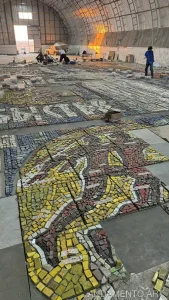
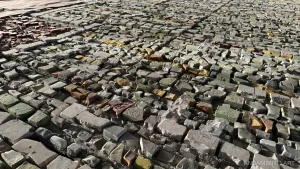
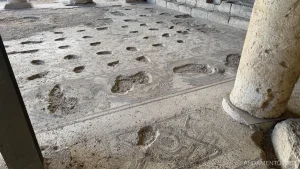
Today, AI mosaic neural networks are evolving from simple digital filters into powerful design tools that merge ancient traditions with the technologies of the future. This is not merely replacing pixels with squares, but a deep simulation of the physical process of laying smalt, ceramics, or natural stone. Modern algorithms can recreate the aesthetics of Byzantine temples or the monumentalism of Soviet murals in a matter of seconds, providing both masters and art enthusiasts with ideal digital maps for implementation.
How AI Mosaic Neural Networks Create Sketches and Digital Maps
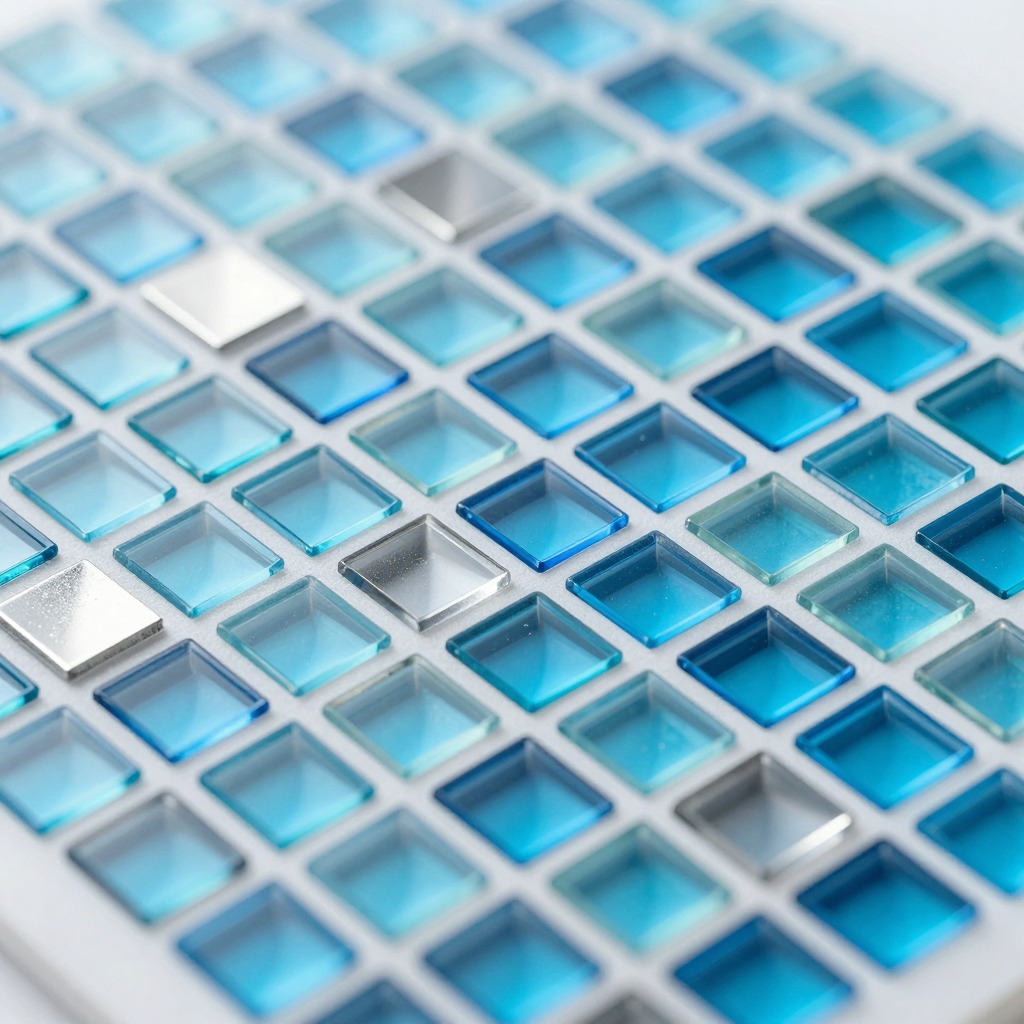
The process of creating a mosaic sketch using artificial intelligence is radically different from ordinary drawing. The neural network does not simply overlay a texture; it analyzes the geometry of the image, identifying primary color masses and contours. A key concept here is “andamento”—an Italian term referring to the direction and rhythm of the layout of tesserae (individual mosaic pieces). AI imitates this flow, creating lines that emphasize the volume and shape of the object, much like the masters of the Roman Empire did, using the Opus Tessellatum technique for backgrounds and Opus Vermiculatum for detailed faces and figures.
Modern models use image segmentation to determine where a finer stone fraction is required for detail and where larger elements can be used. For example, when generating a portrait, the neural network automatically densifies the grid around the eyes and lips to create a high-detail effect, while expanding it in the background. This results in a complete “cartoon” (a technical drawing), which a master can use to physically lay the mosaic without spending weeks manually drawing every tessera. Consequently, AI handles the most routine part of the design, leaving the artist in creative control over the choice of materials and final assembly.
Algorithmic Approach vs. Neural Network Approach: What is the Difference?
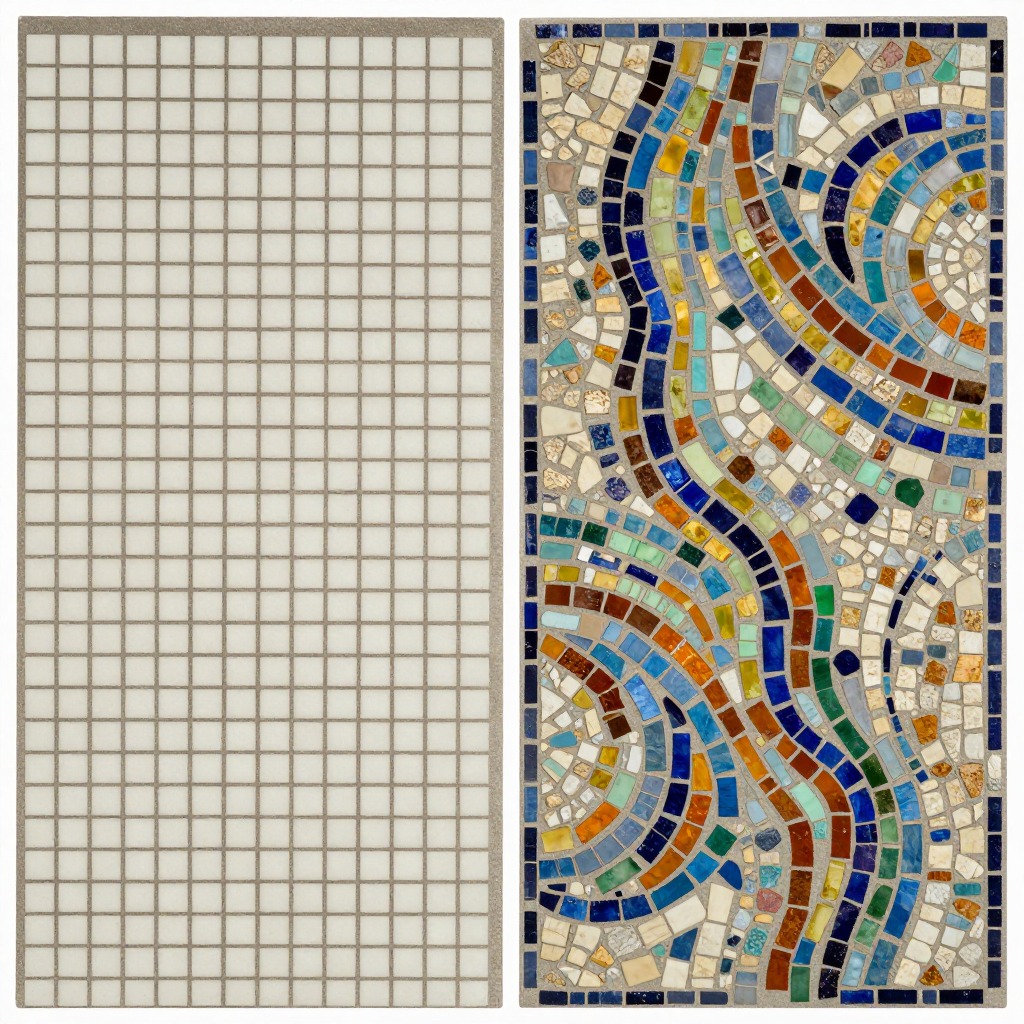
Before the advent of generative neural networks, the algorithmic approach dominated digital mosaics. It was based on rigid mathematical formulas, such as Voronoi diagrams or simple pixelation. The algorithm divided the image into polygons or squares, selecting the average color for each cell. The result often looked mechanical and flat because the program did not “understand” the essence of the image: it didn’t recognize the fold of a fabric or the curve of a human body, simply filling the space according to a set grid. It resembled bathroom tiling rather than a work of art.
The neural network approach used in modern AI services operates at the semantic level. The network is trained on thousands of real photographs of mosaics from different eras—from the ancient floors of Pompeii to modernist panels of the 20th century. It understands context: how light hits the smalt, how gradients are created using different shades of stone, and how lines should flow to create the illusion of movement. Instead of simply dividing a picture into parts, the AI generates a structure that mimics a human hand. The difference between them is the difference between a calculator and an artist: one calculates areas, while the other creates composition and rhythm.
The Technical Arsenal of andamento.app: From Matrix to Trencadís
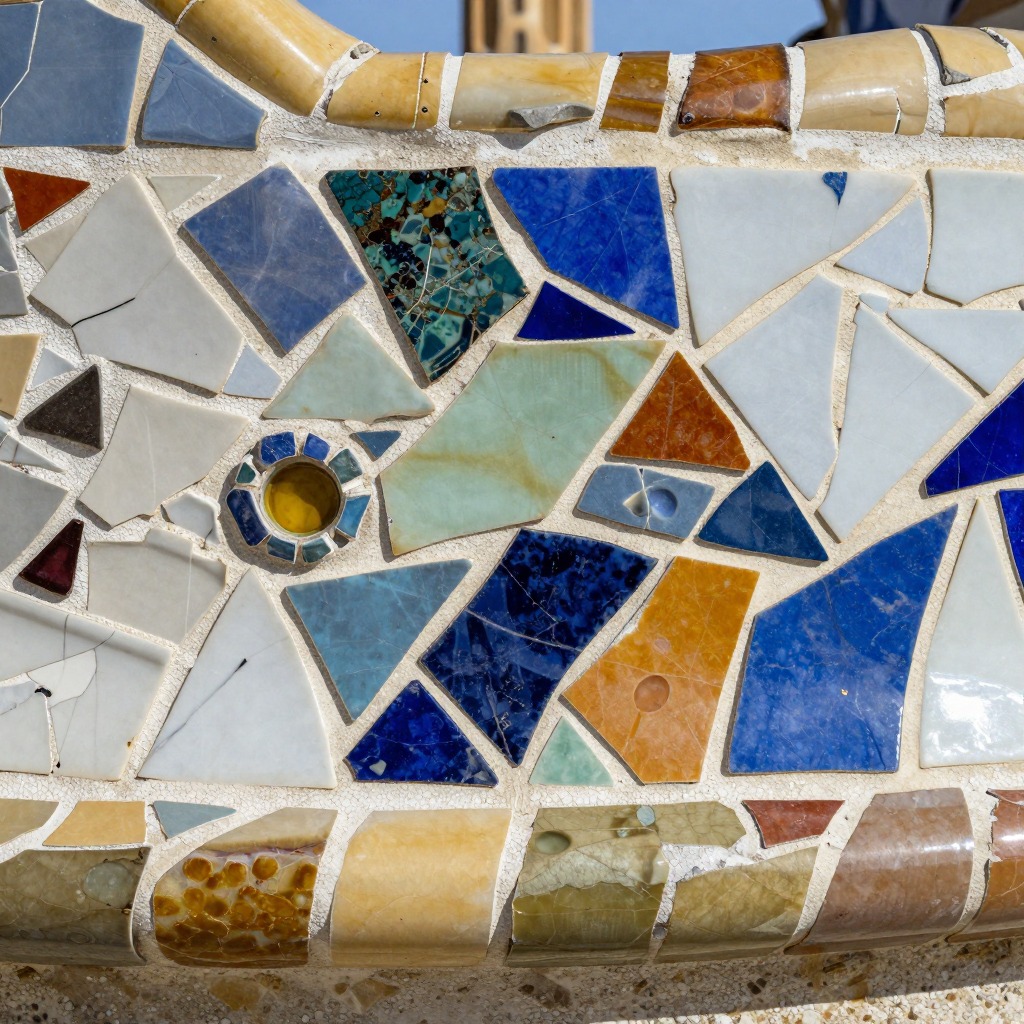
The andamento.app service provides users with access to a wide range of techniques, each with its own historical and aesthetic foundation. For instance, the Matrix mosaic technique allows for the creation of strict, geometrically precise compositions that are ideal for modern minimalism. For those seeking more organic forms, the Trencadís style is available—the “broken ceramic” technique made famous by Antoni Gaudí in Park Güell. Here, the AI imitates chaotic, sharp shards of various sizes, creating the dynamic and vibrant surface characteristic of Catalan Modernism.
For lovers of the classics, the Byzantine and Florentine styles are implemented. Byzantine mosaics are characterized by the use of gold backgrounds and a specific tilt of the tesserae to create a play of light, which the AI simulates through specialized color transitions. The Florentine style emphasizes the elegance of lines and the pastel tones of the Renaissance. The service also features specific directions such as Soviet Mosaic, recreating the monumental style of the 1960s–1980s with its characteristic coarse texture and heroic pathos, and Stained Glass, which mimics the art of stained glass with its transparency and clear lead contours. Each of these techniques in andamento.app is not just a filter, but a full simulation of the material.
Comparison: Master’s Handwork and AI Generation
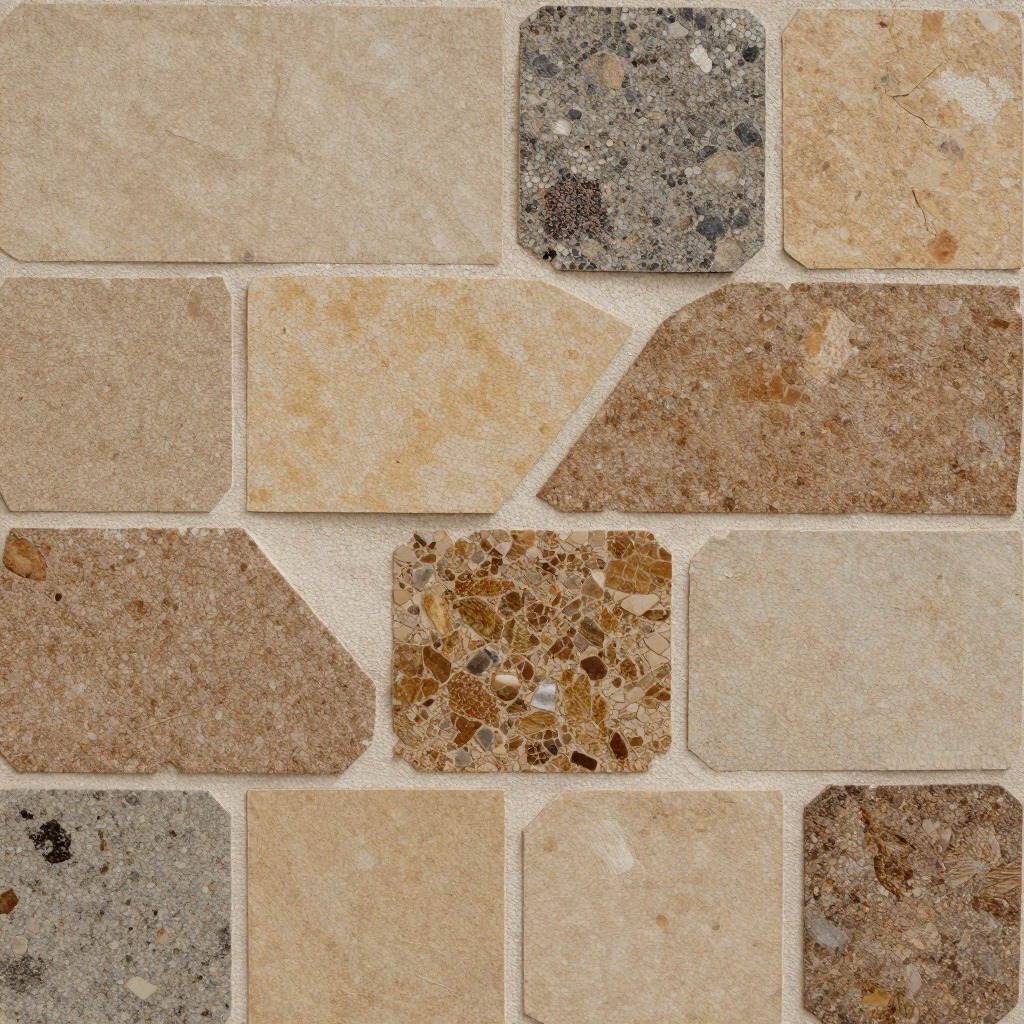
Comparing the manual labor of a mosaicist with the work of a neural network often sparks debates about the “soul” of art, but in reality, they refer to different stages of production. A master mosaicist possesses a unique feel for the material: they sense the weight of the stone, its true color under different lighting, and can intuitively change the direction of the layout during the process. Manually creating a sketch for a complex panel can take from several days to several weeks. Every cut of smalt is a physical effort and a risk of error that could ruin the entire composition.
AI, in turn, offers instant iterativity. Where a master would have to redraw a sketch three times to find the perfect balance of colors, a neural network generates ten options in a minute. However, AI cannot replace the final stage—the physical assembly. A real mosaic lives through the micro-irregularities of the surface, which create a living shimmer. AI provides the perfect blueprint, but it is the hand of the master, choosing a specific piece of marble or smalt, that breathes life into the work. Today’s trend is synergy: using AI to create highly complex layout maps (cartoons), which are then realized in stone by professionals, reducing production time without sacrificing quality.
The Future of AI in Applied Arts and Mosaics
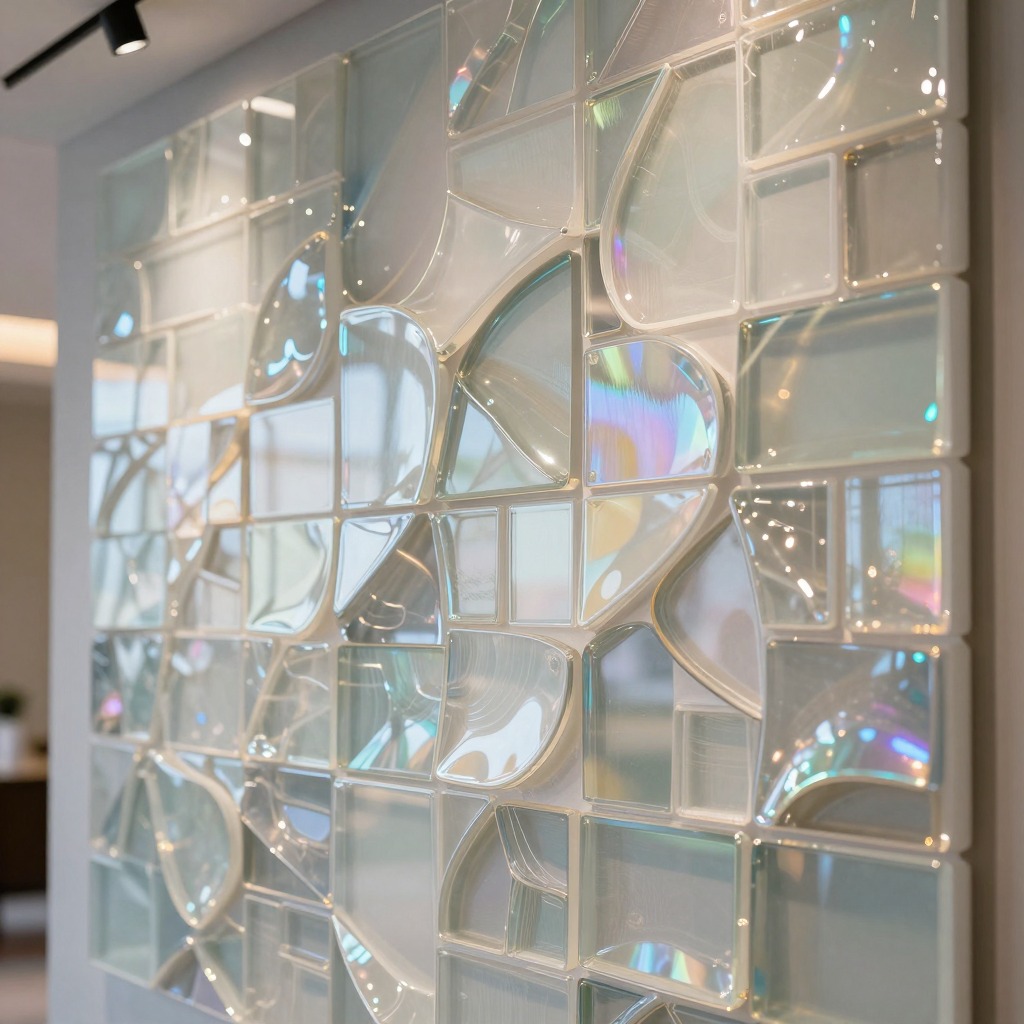
The development of generative design is leading toward a blurring of the line between the digital layout and the physical object. In the near future, we will see the integration of AI services with CNC systems and laser cutting. This will allow for the creation of custom tesserae sets, where each piece is cut by a robot exactly to the shape generated by the neural network, but then laid by hand. Such a hybrid method will enable the creation of works of incredible complexity that were previously technically impossible or too expensive to execute.
Related works in the gallery:
Furthermore, AI will assist in the restoration of lost monuments. By analyzing surviving fragments of ancient mosaics, neural networks will be able to reconstruct missing parts with high accuracy, taking into account the style of a specific master or regional school. We will see the emergence of “smart” sketches that automatically calculate the required amount of materials in grams and square centimeters, minimizing the waste of expensive smalt. Applied art will not disappear, but it will move to a new level where AI becomes the primary assistant, freeing the artist from routine and opening the way to new, bolder forms of visual expression.
Try creating your first digital masterpieces and explore the possibilities of modern art at andamento.app.