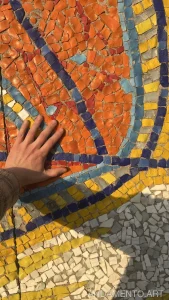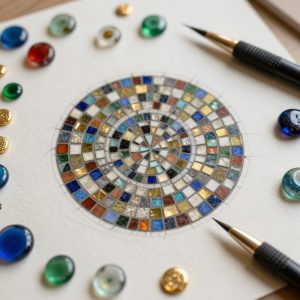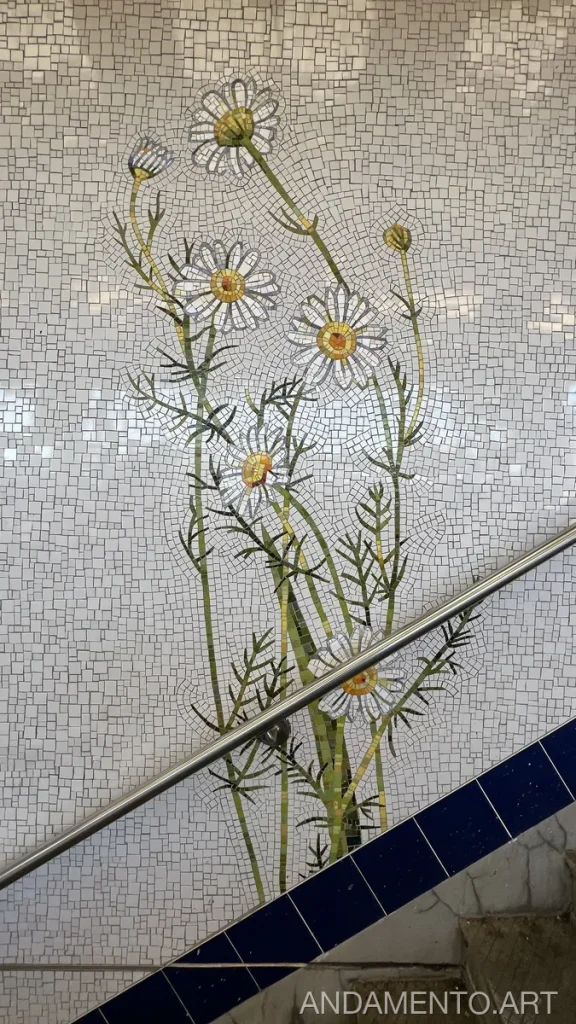
Pebble mosaic art, an ancient and enduring craft, transforms ordinary stones into breathtaking designs that enhance any outdoor space. Dating back to Neolithic times, this technique has graced floors and walls in ancient Greece and Rome, depicting mythological scenes and intricate patterns. Today, it enjoys a resurgence in popularity, blending historical elegance with contemporary landscape design. This guide explores the techniques, materials, and creative ideas for incorporating pebble mosaics into your garden and home, offering insights into how to create durable and beautiful installations.
The Enduring Legacy of Pebble Mosaic Art

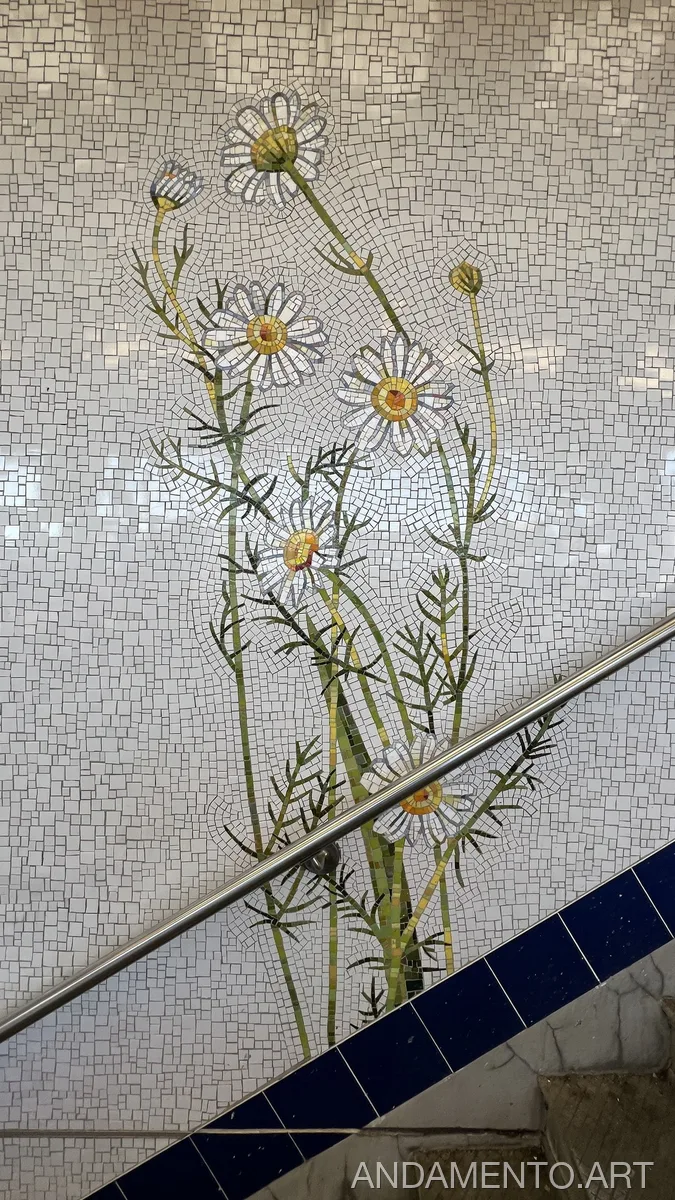
The history of pebble mosaic art is as rich and varied as the stones themselves. Originating in the Neolithic period, this art form developed significantly in Ancient Greece and Rome, where it became a sophisticated method for decorating both public and private spaces. Early examples often featured simple geometric patterns, evolving over centuries to intricate scenes that captured daily life, mythology, and natural beauty. These ancient mosaics, often found in archaeological museums worldwide, demonstrate the timeless appeal and durability of natural pebble compositions. The fundamental principle of creating images from small elements, or tesserae, using naturally occurring, irregularly shaped stones, links pebble mosaics directly to the broader history of mosaic art.
The appeal of natural materials in landscape design is experiencing a notable rise, making pebble mosaics a particularly relevant and sought-after choice in 2024-2025. This renewed interest highlights the ecological benefits and unique aesthetic that natural stones bring to outdoor environments. From historical masterpieces to modern interpretations, pebble mosaics continue to inspire artists and homeowners alike, proving that simplicity, when combined with skilled craftsmanship, can achieve extraordinary results.
Choosing the Right Pebbles for Your Mosaic

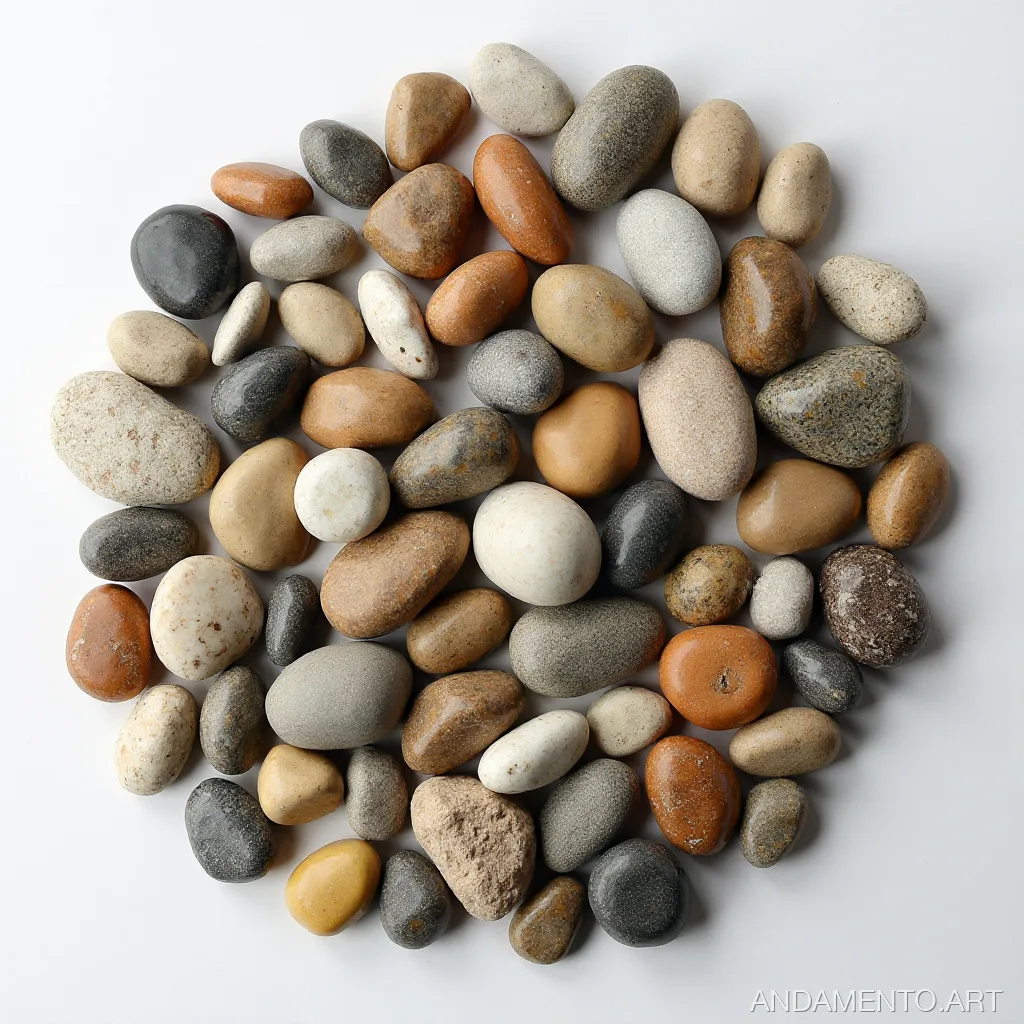
The foundation of any successful pebble mosaic art piece lies in the careful selection of materials. Natural pebbles, shaped by water and time, offer a unique smoothness and tactile appeal that makes the mosaic not just visually stunning but also pleasant to touch. The average size of pebbles used in mosaics typically ranges from 2 to 10 cm in diameter, allowing for flexibility in design detail and overall scale.
Pebbles boast a wide natural color palette, from pristine whites and various shades of grey to vibrant reds, earthy greens, and deep blacks. This diverse range enables artists to create complex and varied patterns without the need for artificial dyes. Some pebbles, particularly those from volcanic rock formations, feature unusual natural patterns and inclusions, lending an unparalleled uniqueness to each mosaic. When selecting pebbles, consider how their natural colors and textures will interact to form your desired design. For larger projects or specific color schemes, it’s beneficial to source pebbles from specialized suppliers. The cost of pebbles for mosaics can vary significantly, from 50 to 500 rubles per kilogram, depending on their size, color, and origin.
For those looking to visualize their pebble mosaic designs before committing to materials, the andamento.app can be an invaluable tool. It allows you to upload a photo or describe an idea, and the AI generates a mosaic sketch, helping you to experiment with different pebble sizes and color arrangements. This can significantly aid in the planning phase, especially when working with the natural variations of natural stone for mosaics.
Techniques for Creating Durable Pebble Mosaic Art Outdoors
Creating an outdoor pebble mosaic art piece requires specific techniques to ensure its longevity and resistance to environmental factors. The direct method of mosaic application is commonly used for pebble mosaics, where stones are set directly into a prepared mortar bed. This allows for immediate visual control over the design and is often preferred by beginners.
For outdoor installations, especially in climates with freezing temperatures, the choice of adhesive is crucial. Cement mixes with added polymers are frequently used to enhance frost resistance and water resistance. ArtWorker recommends Kerabond T combined with Isolastic, a professional-grade cement adhesive and latex plasticizer. When mixed in a reinforced proportion (C2S2 class), this combination provides high elasticity and durability, making it ideal for outdoor and facade work.
The process typically involves preparing a stable base, such as a concrete slab, applying the adhesive, and then carefully pressing each pebble into the wet mortar. The pebbles are usually set with their smoothest side facing up, ensuring a comfortable and aesthetically pleasing surface. Once the pebbles are set and the adhesive has cured, the mosaic is typically grouted to fill any gaps, further enhancing its stability and appearance. For outdoor applications, epoxy grout is highly recommended due to its superior water resistance and chemical stability, particularly for areas exposed to moisture like garden paths or pool surrounds.
Pebble Mosaic Art in Landscape Design: Inspiring Ideas
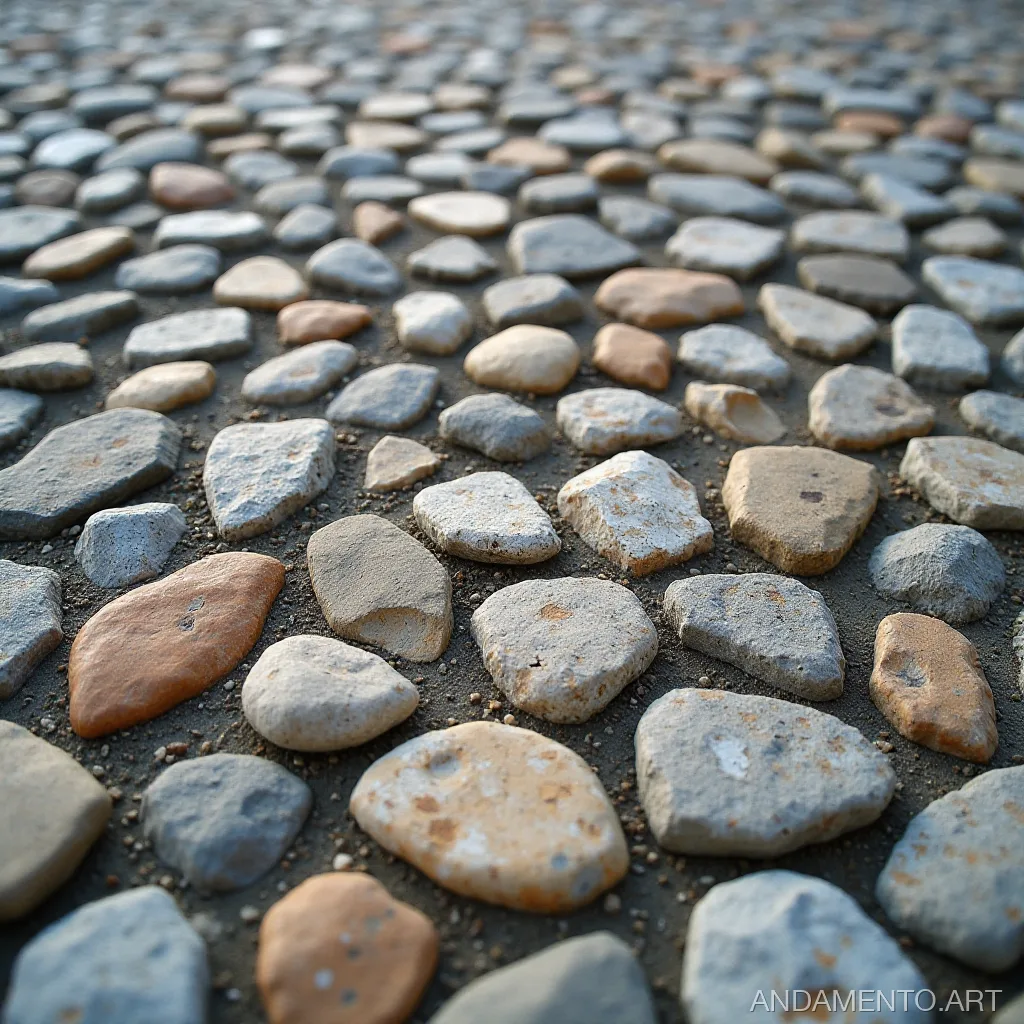
The versatility of pebble mosaic art makes it a perfect addition to various landscape design elements. Its ability to blend seamlessly with natural surroundings while adding an artistic touch is unparalleled. Here are some inspiring ideas for incorporating pebble mosaics into your garden:
- Garden Paths and Walkways: Create enchanting pathways that guide visitors through your garden. Pebble mosaics can be designed with intricate patterns or simple flowing lines, offering not only a beautiful visual element but also a unique tactile experience. Some designs can even provide a massage effect on bare feet.
- Decorative Panels and Borders: Frame flower beds, patios, or water features with custom pebble mosaic borders. These can be simple bands of contrasting colors or elaborate motifs that complement the surrounding flora. Decorative panels can also serve as focal points on garden walls or within paved areas.
- Fountain Surrounds and Water Features: The natural water-worn smoothness of pebbles makes them ideal for decorating around fountains, ponds, and birdbaths. The interaction of water with the varied textures and colors of the stones creates a dynamic and serene ambiance.
- Outdoor Showers and Pool Areas: For areas prone to moisture, pebble mosaics offer both aesthetic appeal and practical benefits. They are naturally non-slip and, when installed with appropriate waterproof adhesives and epoxy grout, are highly durable in wet environments. Pebble mosaics around pools can also improve drainage, adding a functional advantage to their beauty.
- Unique Garden Furniture: Integrate pebble mosaic art into custom-built benches, tabletops, or planters. These elements become unique pieces of art that are both functional and visually captivating.
The growing interest in eco-friendly and natural materials further boosts the popularity of pebble mosaics, aligning with sustainable landscape practices. Contemporary landscape designers frequently showcase pebble mosaic projects at exhibitions and festivals dedicated to decorative arts. For more ideas on incorporating mosaics into outdoor spaces, explore articles on landscape mosaics or building facade mosaics.
DIY Pebble Mosaic Projects: Getting Started
The accessibility of materials and the potential for personalization have made DIY pebble mosaic art projects increasingly popular. Online platforms and social media are brimming with new ideas, techniques, and master-classes for creating garden pebble mosaics. Starting your own project is a rewarding experience that allows for immense creativity.
For beginners, starting with a smaller project like a stepping stone or a small border is advisable. You will need basic mosaic tools, including a trowel for applying adhesive, a sponge for cleaning, and protective gloves. Sourcing pebbles can be a fun activity, whether you collect them from natural environments (where permitted) or purchase them from garden centers or specialized suppliers. Remember to clean your pebbles thoroughly before use to ensure proper adhesion.
ArtWorker’s online mosaic courses or master-classes can provide foundational knowledge and practical skills for those new to mosaic art, including techniques applicable to pebble mosaics. For those who prefer hands-on learning, the “Italian Mood” master-class offers a great introduction to mosaic techniques. Embracing this hobby allows you to transform your outdoor areas into personalized artistic statements, reflecting your unique style and appreciation for natural beauty.
Maintaining Your Pebble Mosaic Art for Lasting Beauty
Proper maintenance is key to preserving the beauty and integrity of your pebble mosaic art for many years. Due to their natural durability, pebble mosaics generally require minimal upkeep, especially when installed with high-quality materials like Kerabond T and Isolastic and epoxy grout.
Работы по теме в галерее:
Regular cleaning involves simply wiping the surface with a soft, damp cloth and a neutral cleaning solution. Avoid using abrasive sponges, harsh chemicals, or acidic cleaners, as these can damage the grout and potentially dull the natural sheen of the pebbles. For outdoor installations, ensure that drainage around the mosaic is adequate to prevent water from pooling, which could compromise the adhesive and grout over time. In areas prone to heavy foot traffic, periodic inspection of the grout lines and individual pebbles can help identify any areas needing minor repairs. Addressing small issues promptly will prevent them from escalating into larger problems, ensuring your pebble mosaic remains a stunning feature in your garden for generations.
Want to see how a pebble mosaic might transform your space? Upload a photo or describe your idea to andamento.app, and our AI will create a mosaic sketch with a precise material calculation in minutes.