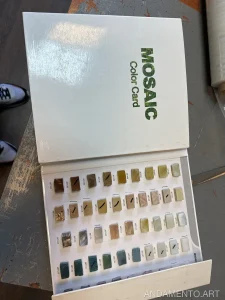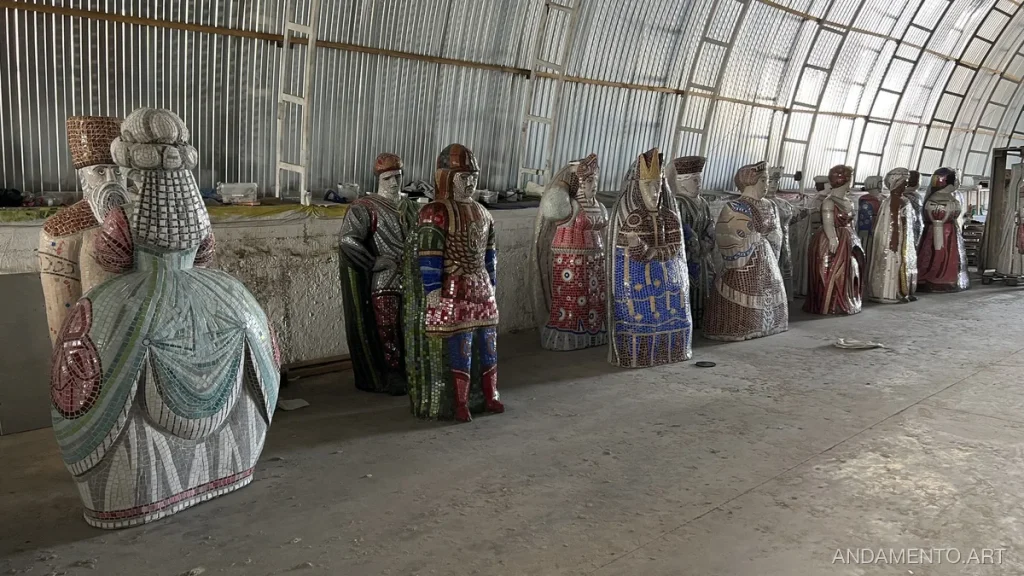
Smalti mosaics represent a timeless art form, captivating viewers with their vibrant colors and unique texture. This opaque glass, meticulously hand-cut, has been a cornerstone of mosaic art for centuries, playing a crucial role in creating enduring masterpieces across different eras. From ancient cathedrals to modern galleries, smalti continues to be celebrated for its unparalleled ability to reflect light and imbue artworks with a profound sense of depth and vitality.
What is Smalti? Unveiling the Material’s Magic
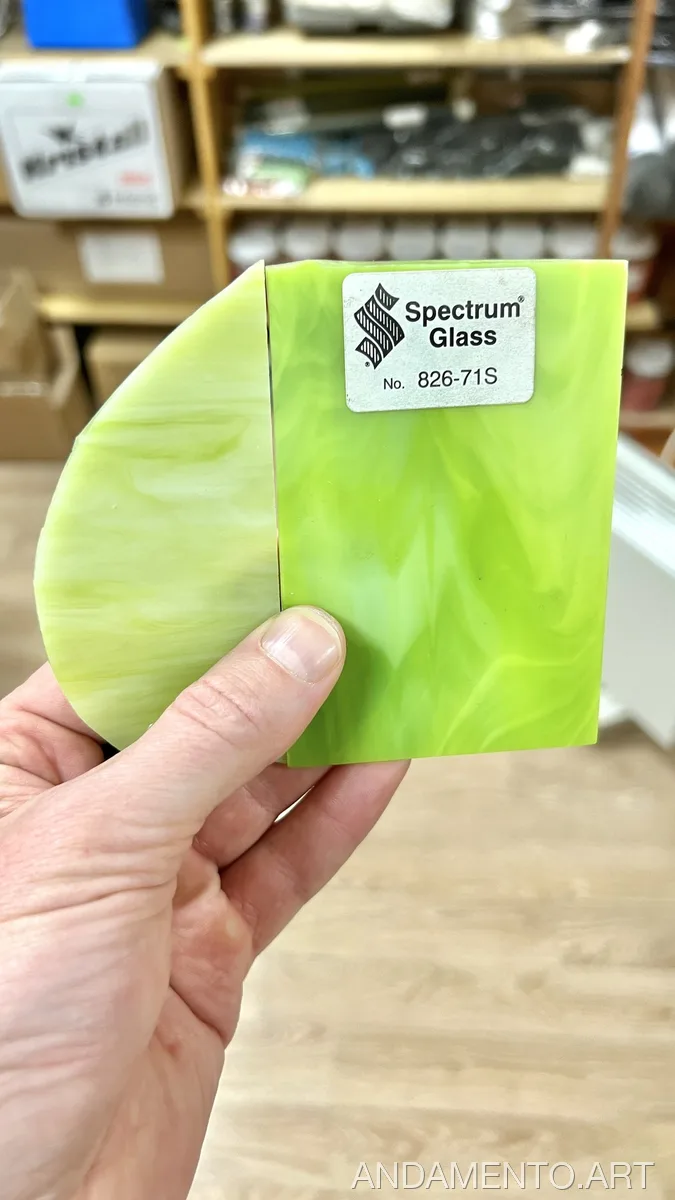
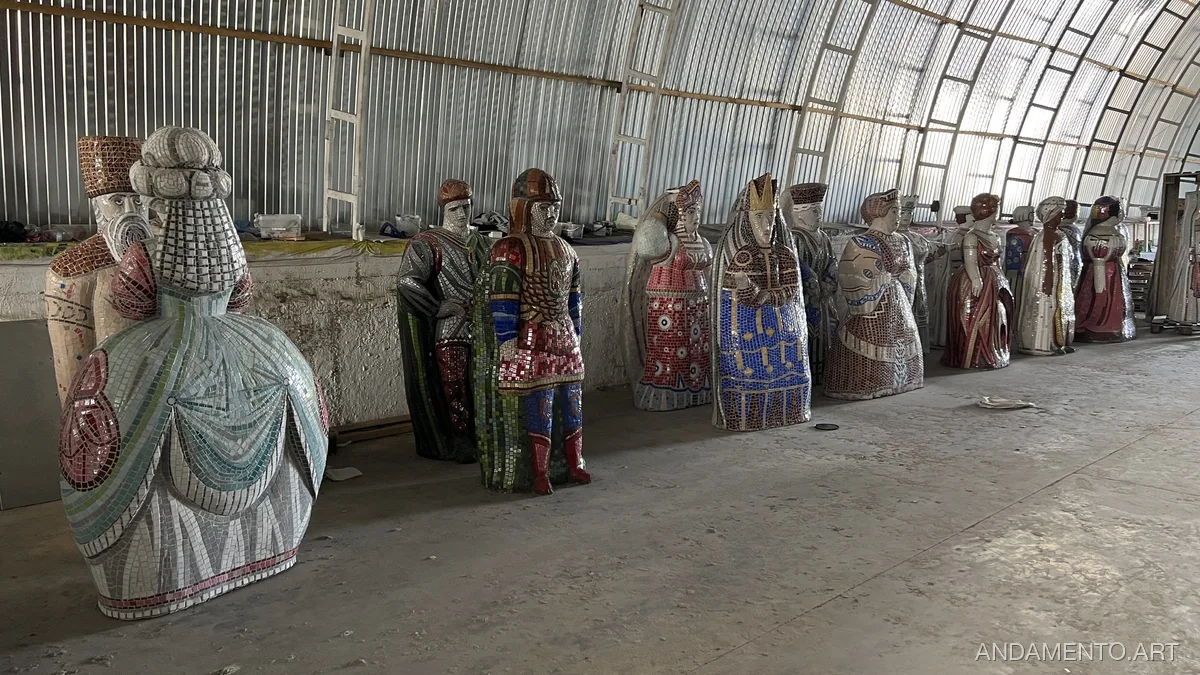
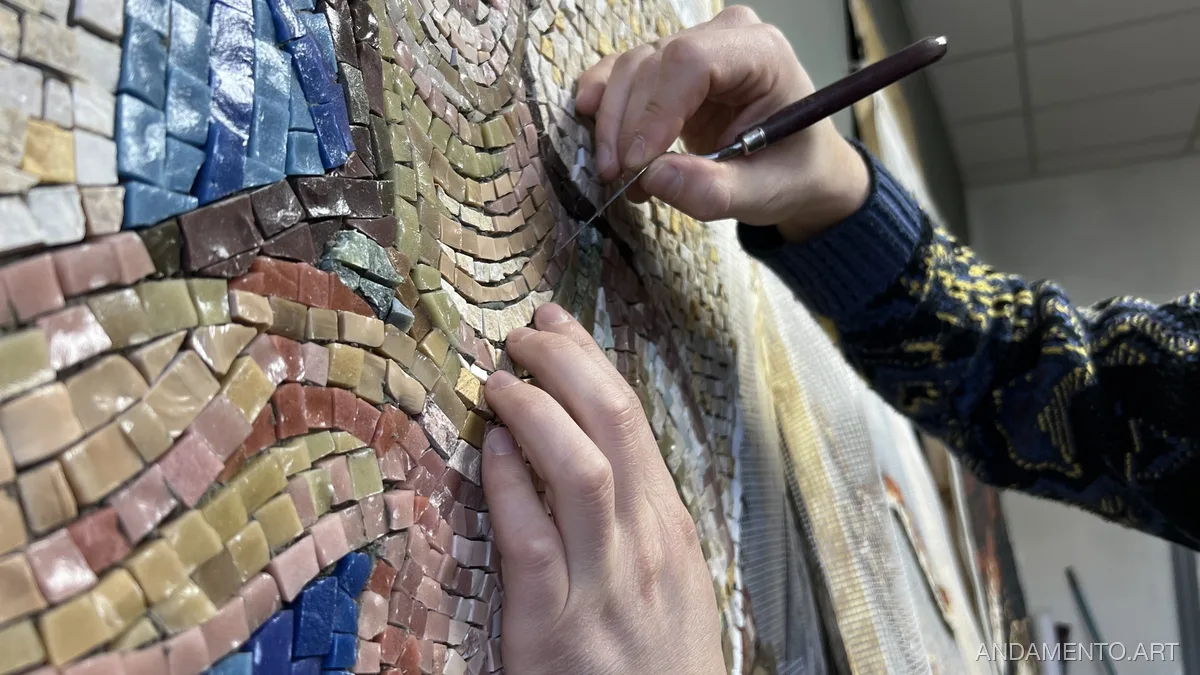
Smalti is a specialized opaque glass, distinct from common glass tiles, primarily used in traditional and contemporary mosaics. Its unique properties stem from a specific manufacturing process that involves melting sand, soda, and lime, then adding various metal oxides to achieve an astonishing array of colors. Unlike standard glass, smalti is typically cast in thick slabs, or “blins,” and then hand-cut into individual tesserae. This artisanal process ensures that each piece of smalti possesses a unique, slightly irregular shape and a characteristic texture, allowing for subtle variations in light reflection.
Работы по теме в галерее:
The beauty of smalti lies in its opacity and the way it interacts with light. Its irregular surfaces catch and refract light in multiple directions, creating a shimmering, almost “living” effect that changes with the viewer’s perspective and the ambient lighting. This dynamic quality is one reason why smalti has been favored for monumental art, where the interplay of light and shadow adds to the grandeur of the piece. The ArtWorker collection, for instance, offers smalti for mosaics in over 160 repeatable colors, alongside the unique MELTI range, providing artists with an extensive palette for their creative visions.
A Journey Through History: Smalti’s Golden Ages
The history of smalti is deeply intertwined with the evolution of mosaic art itself. Its use dates back to antiquity, but it truly flourished during the Byzantine Empire, from the 4th to the 15th century. Byzantium became the epicenter for smalti production and application, where artisans perfected its use in creating awe-inspiring religious iconography. The famed mosaics of the Hagia Sophia in Constantinople (now Istanbul) stand as monumental testaments to the Byzantine mastery of smalti, with their shimmering gold backgrounds and hieratic figures that seem to glow from within