Stained glass art is a unique synthesis of architecture, painting, and the play of light that has transformed the spaces around it for centuries. This art form is capable of turning a simple ray of sunlight into a complex composition of deep blues, rich reds, and golden hues. Today, we are witnessing how this traditional craft, born in the Middle Ages, is integrating into the digital space and modern interior design, acquiring new meanings and forms.
The History of Stained Glass in European Cathedrals
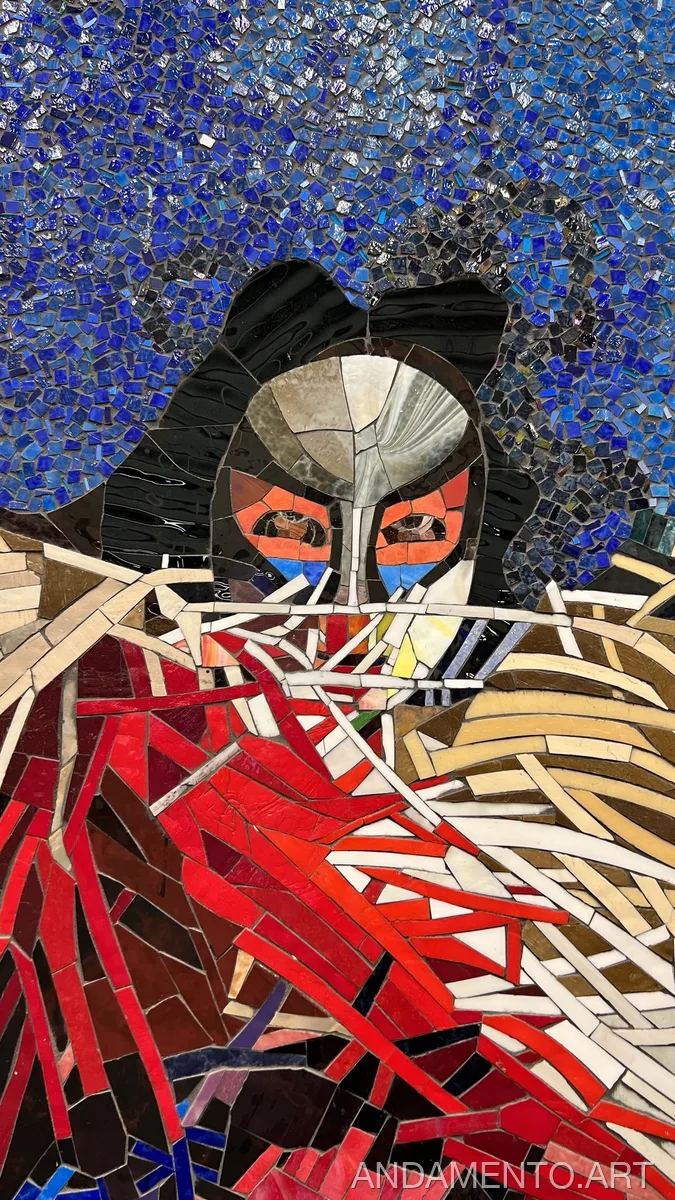
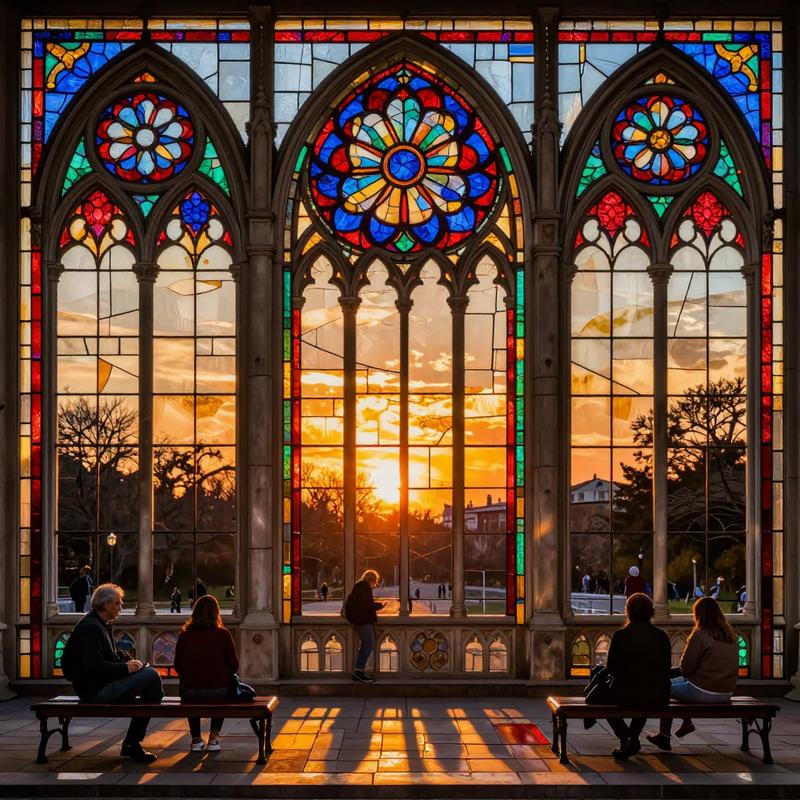
The peak of what we now call stained glass art occurred during the High Gothic period of the 12th and 13th centuries. During this time, light ceased to be a mere physical phenomenon and began to be perceived as a symbol of divine presence. Abbot Suger, who initiated the reconstruction of the Basilica of Saint-Denis in Paris around 1140, introduced the concept of “Lux Nova” (New Light), asserting that contemplating radiant glass elevates the human soul from the material to the spiritual. It was then that artistic glass became the primary storytelling tool for the illiterate population, turning cathedral walls into a “picture Bible.”
One of the greatest monuments of this era is Chartres Cathedral, which preserves unique blue glass known as “Chartres blue.” To achieve this color, masters used cobalt mixed with sand and potash. Technically, such windows were created using lead cames: small fragments of colored glass were inserted into H-shaped lead profiles, which were then secured with iron armatures. In Sainte-Chapelle in Paris, built in 1248, the scale of the glazing is such that the walls virtually disappear, leaving only a framework filled with light. In these structures, the lead cames served not only a decorative but also a structural role, holding massive arrays of glass against wind pressure.
The Revolution of Louis Comfort Tiffany
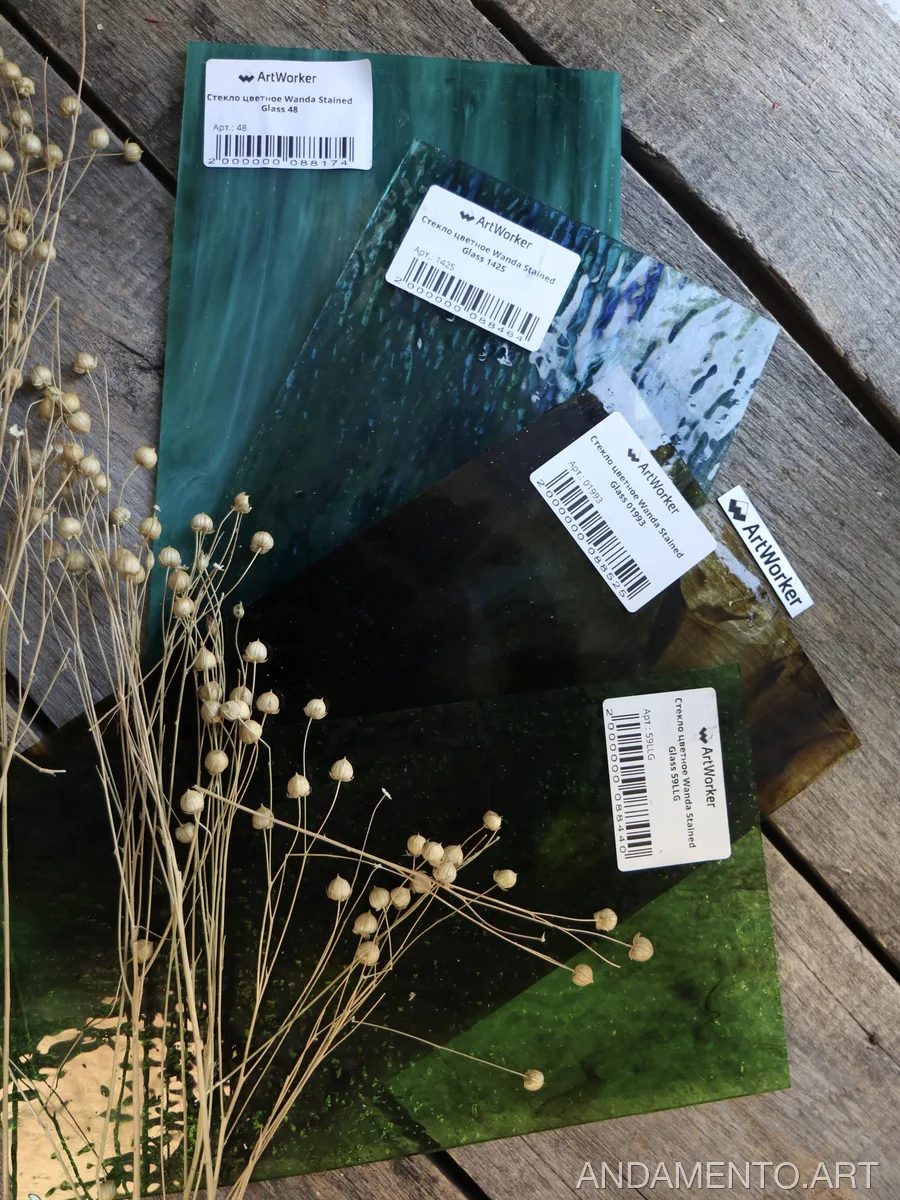
At the end of the 19th century, stained glass art experienced a rebirth thanks to the American artist Louis Comfort Tiffany. He radically changed the approach to production, moving away from the classic use of lead profiles in favor of the copper foil technique. Tiffany developed a method in which each piece of glass was wrapped in a thin copper ribbon, which was then soldered to adjacent elements. This allowed for the creation of much more detailed, fluid, and organic forms, making it the perfect tool for the Art Nouveau style.
Tiffany’s primary contribution was the creation of opalescent glass. Unlike traditional transparent glass, which simply transmitted light, opalescent art glass had a milky, semi-matte hue and internal color inconsistency. This allowed for the imitation of natural textures: flower petals, dew drops, or dense foliage. Tiffany’s light-transmitting glass did not just color the beam; it created volume and depth within the material itself. The famous Tiffany lamps became a symbol of the era, combining the functionality of a lighting fixture with the jewelry-like precision of mosaic assembly, where each element was like a precious stone.
The Technical Process: How to Create a Stained Glass Piece
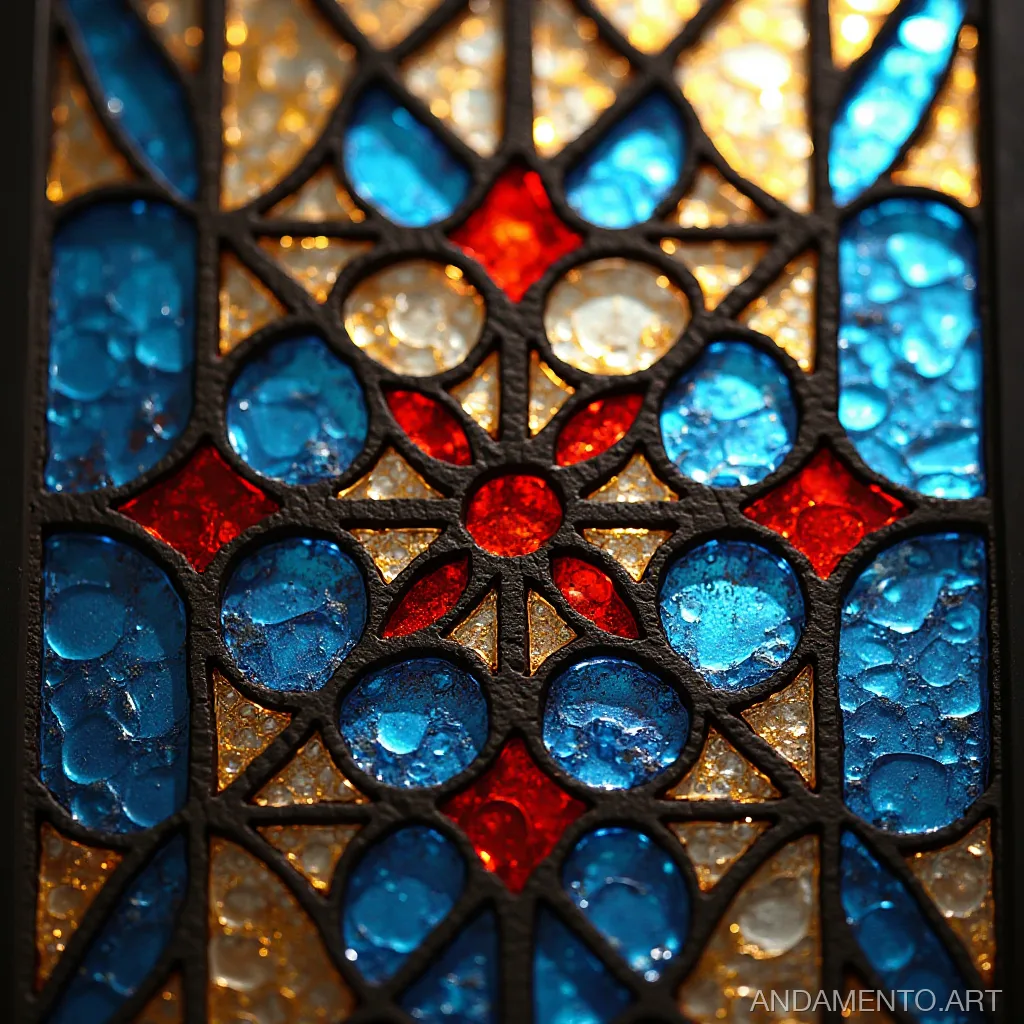
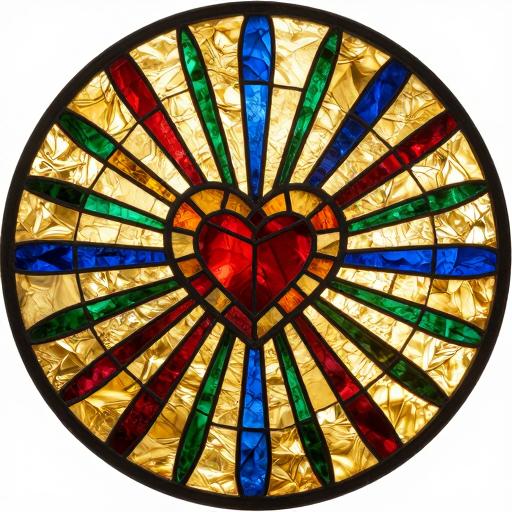
Creating a piece using stained glass requires strict adherence to the technological cycle and a high level of precision. The process begins with the development of a 1:1 scale sketch, which is then divided into individual segments. Each segment corresponds to a specific color and texture of glass. The master selects the appropriate light-transmitting glass, considering the direction of the veins and the intensity of the shade to ensure the composition looks alive and dynamic.
After cutting the glass with a special glass cutter, each fragment is ground to achieve the perfect shape. In the Tiffany technique, the edges of each piece are wrapped in copper foil and then soldered using a tin-lead solder and a powerful soldering iron. In the classic method, lead cames are used to hold the glass, and the gaps are filled with a special sealant (putty) to ensure the rigidity of the structure. The final stage is patination—the chemical coloring of the seams in black or copper, which gives the piece an antique look and emphasizes the graphic nature of the drawing. High-quality glazing requires not only artistic taste but also knowledge of material chemistry and the strength of materials.
Modern Applications in Interior and Architecture
In modern design, stained glass has ceased to be the exclusive preserve of temples or luxurious mansions. Today, it is integrated into minimalist and industrial interiors, bringing comfort and individuality. One of the most popular solutions is the use of stained glass partitions in bathrooms and bedrooms. Here, artistic glass allows for the zoning of space while maintaining natural lighting, providing necessary privacy through matte finishes or complex patterns.
Modern glazing often combines traditional methods with new technologies. For example, the use of tempered glass or triplex in combination with stained glass painting allows for the creation of safe and durable structures for building facades. In loft-style interiors, stained glass elements are often embedded in black steel metal frames, creating a contrast between raw industrial metal and the fragility of colored glass. Accent details are also popular: stained glass panels, inserts in interior doors, and designer lamps that create a specific lighting atmosphere, affecting the psycho-emotional state of a person in the room.
AI Generation and Digital Art in the Stained Glass Style
With the arrival of the era of artificial intelligence, stained glass art has found a new form of existence—the digital one. Deep learning algorithms are now capable of analyzing thousands of historical samples, from the Gothic windows of Chartres to the works of Tiffany, to simulate the refraction of light and the specific geometry of glass segments. AI generation allows artists and designers to instantly create complex sketches that previously required weeks of manual drawing. Programs take into account nuances such as the thickness of the lead cames and the gradients of the light-transmitting glass, creating hyper-realistic images.
This opens up incredible possibilities for visualization: it is now possible to imagine how a stained glass piece will look in a specific interior before the first sheet of glass is even purchased. Moreover, digital art allows for experimentation with forms that are physically impossible to implement in glass due to the laws of gravity or the fragility of the material. AI tools turn the design process into a game of color and light, where the user can specify a “Byzantine” or “Trencadís” style and instantly receive a result that looks like a genuine work of art. Thus, technology does not replace the master but becomes a powerful tool for searching for new ideas.
Stained glass art has come a long way from the sacred spaces of Europe to digital canvases. It remains one of the most emotional forms of art because it works with the most essential element—light. If you want to explore the possibilities of this style or create your own unique project, try the andamento.app service to generate mosaic and stained glass masterpieces.