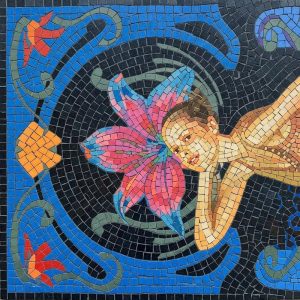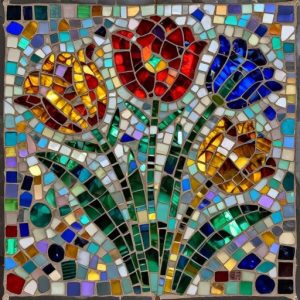
The ancient art of mosaic, traditionally known for its flat, two-dimensional surfaces, has evolved into a captivating new dimension with the emergence of volumetric mosaics. This innovative approach transforms flat images into stunning three-dimensional artworks, allowing artists to build depth, form, and sculptural effects using the same intricate tesserae. From subtle reliefs to monumental installations, volumetric mosaics push the boundaries of traditional mosaic art, offering a dynamic visual experience that changes with perspective and light.
The roots of creating textured and raised mosaic patterns can be traced back to ancient Rome and Byzantium, where early techniques hinted at the potential for adding depth to architectural decorations. Today, contemporary artists are harnessing modern materials and advanced techniques to fully realize the expressive power of three-dimensional mosaic art.
Understanding Volumetric Mosaics: From Flat to Form
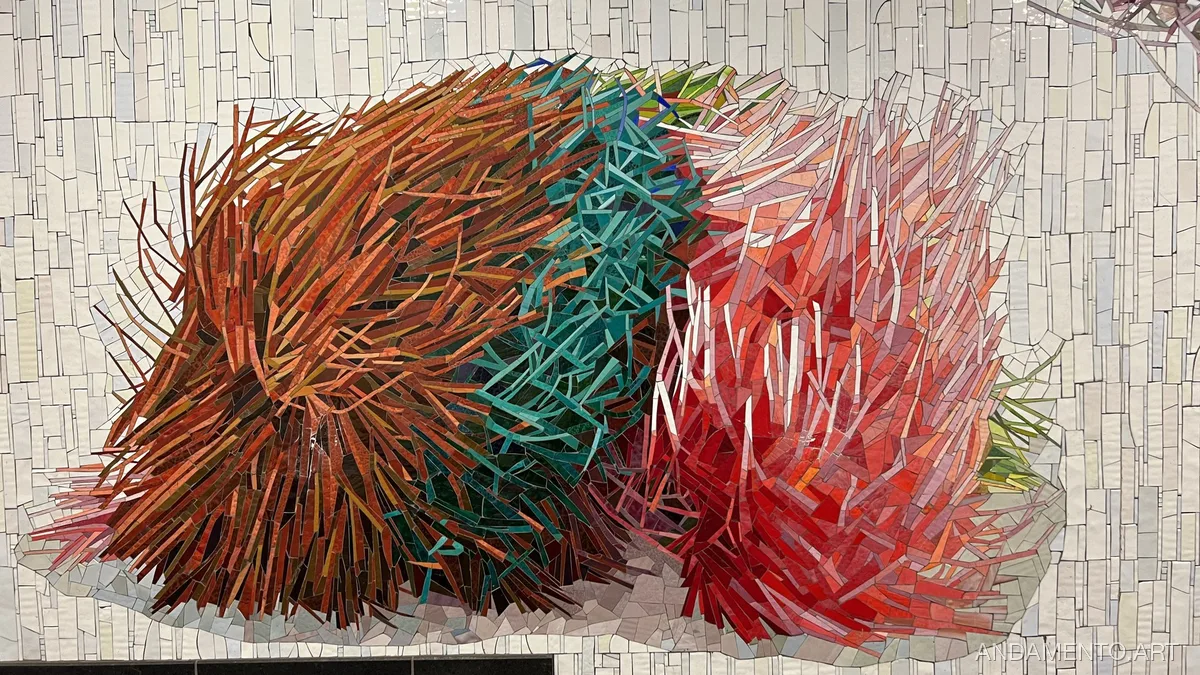
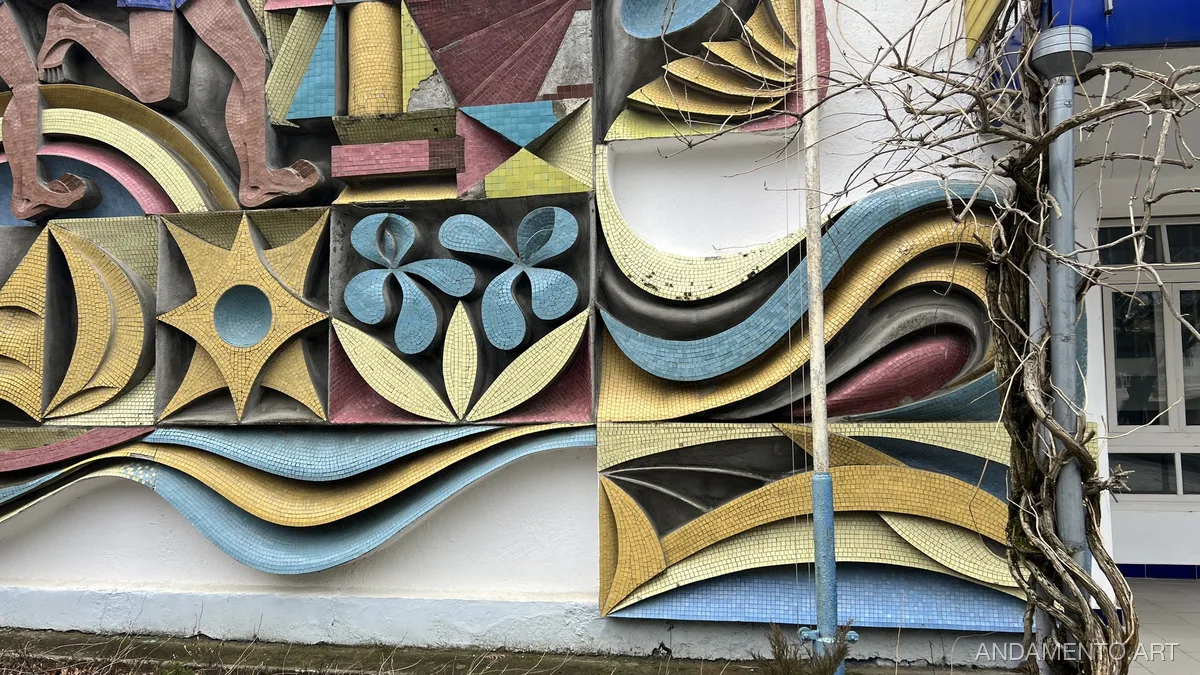
At its core, volumetric mosaic art takes the fundamental principles of traditional mosaic – creating an image from countless small pieces – and applies them to form relief, shape, and space. Instead of merely adhering tesserae to a flat substrate, artists meticulously build layers, sculpt underlying forms, and employ various techniques to elevate the artwork into the third dimension. This transition from a flat plane to a sculpted form introduces new challenges and exciting artistic possibilities, allowing for a more immersive and tactile engagement with the artwork.
The impact of volumetric mosaics is profound; they invite viewers to experience art not just visually, but also spatially. The interplay of light and shadow on the varied surfaces creates a dynamic effect, making the mosaic appear to move or change as one walks around it. This “living” quality is one of the most compelling aspects of this evolving art form.
[IMAGE PLACEHOLDER with alt=”Volumetric mosaic sculpture with intricate details” caption=”A complex volumetric mosaic sculpture showcasing depth and form achieved with carefully placed tesserae.”]
Materials and Techniques for Building Depth
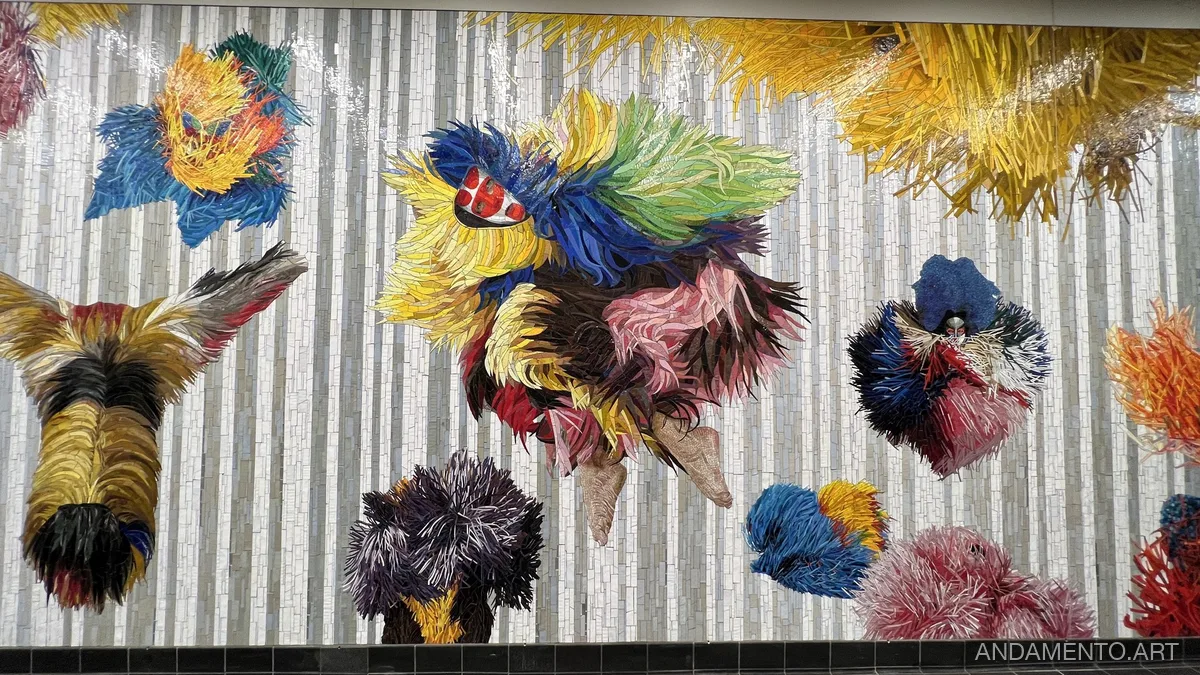
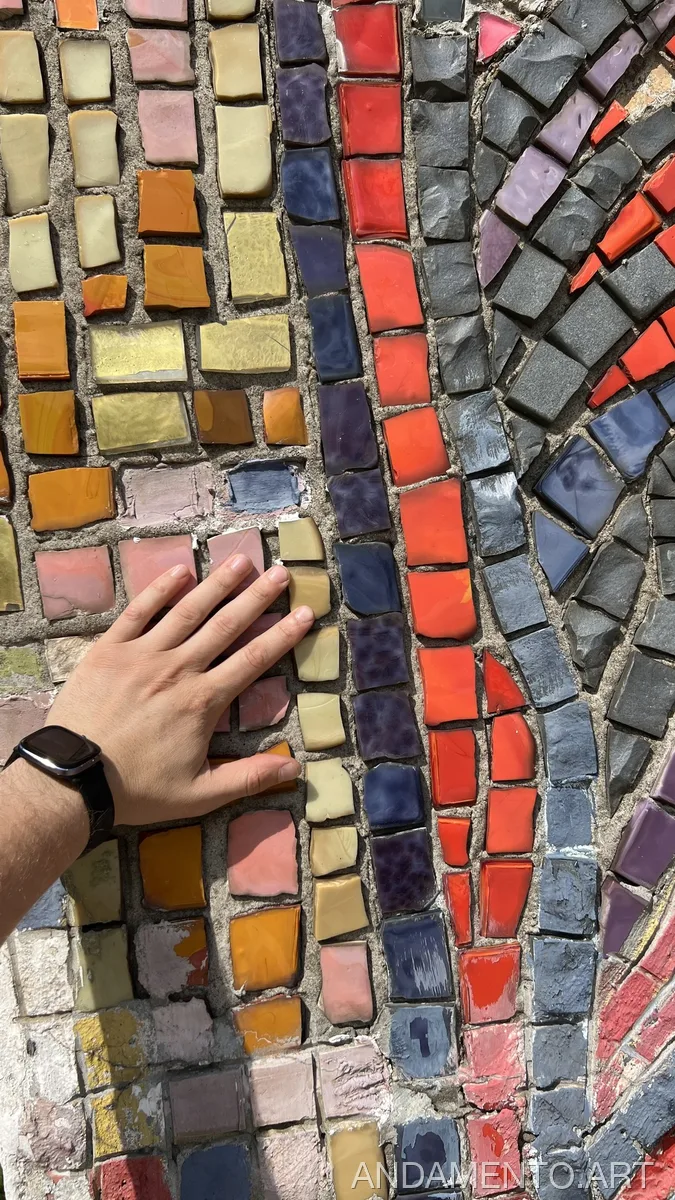
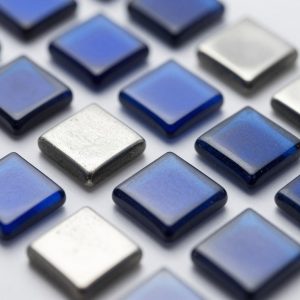
Creating depth and form in volumetric mosaics requires a thoughtful selection of materials and precise application techniques. Artists today work with a diverse palette of materials, including glass, ceramic, natural stone, metal, and even recycled plastics, each contributing unique textures and light-reflecting properties to the three-dimensional surface. The choice of material often dictates the aesthetic and structural integrity of the finished piece.
The foundation of any volumetric mosaic is its substrate. Artists utilize various materials for the underlying structure, such as foam, wood, or metal, which are first sculpted into the desired three-dimensional form. These substrates provide the necessary support and shape for the tesserae. Once the form is established, tesserae are applied using specialized adhesive and grout compositions that ensure strong adhesion and durability, especially important for multi-layered or outdoor installations.
Key techniques for achieving volume include:
- Multi-layered application: Stacking tesserae in various thicknesses or at different angles to create raised areas and contours.
- Sculptural substrates: Building the initial form with materials like carved foam or welded metal, then covering it with mosaic.
- Varying tesserae size and shape: Using larger pieces for foundational forms and smaller, more detailed tesserae for fine textures and transitions.
- Angled placement: Setting tesserae at slight angles to catch and reflect light, enhancing the perception of depth and movement, a technique reminiscent of Byzantine mosaics.
For materials like smalti, their inherent thickness and varied surfaces make them ideal for creating rich textures and light play. Natural stone, with its unique patterns and robustness, is often used for outdoor volumetric mosaics that need to withstand environmental elements.
Pioneering Artists and Their Monumental Visions
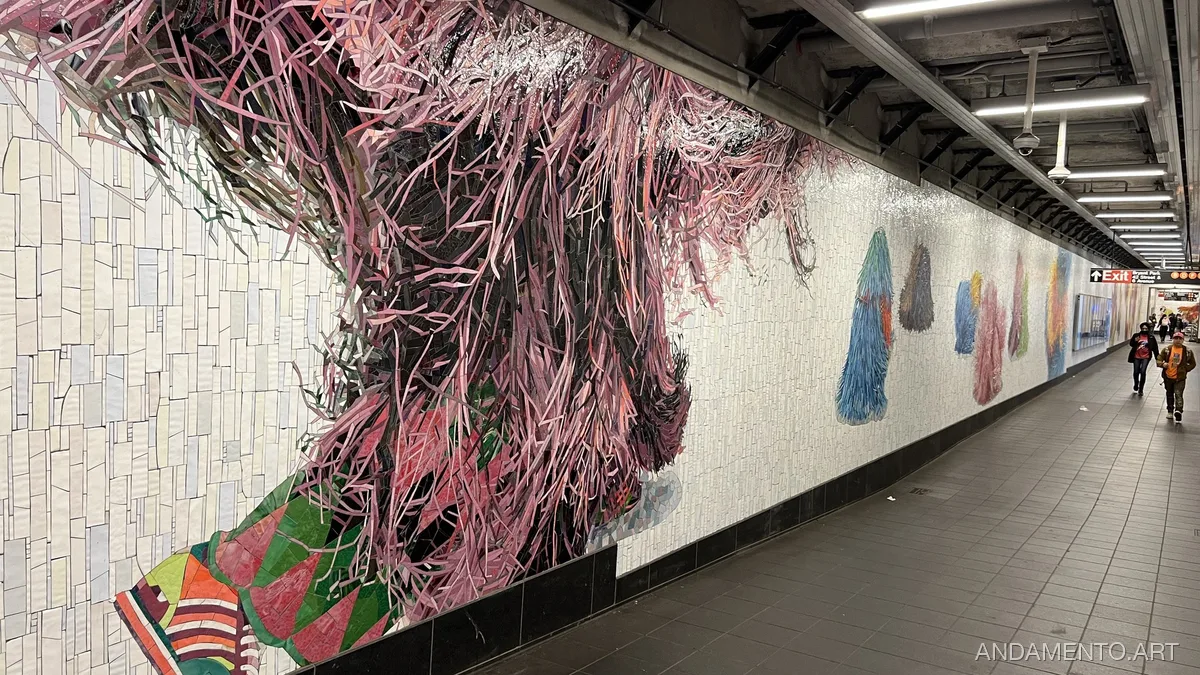
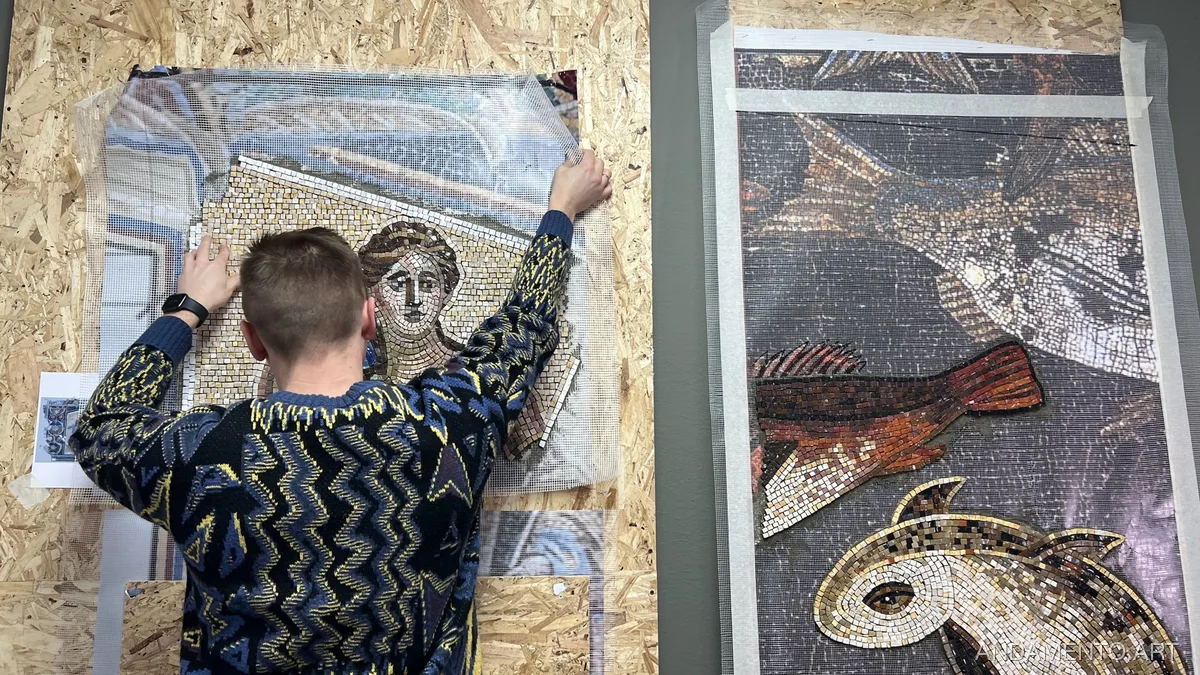
The field of volumetric mosaics is continuously being shaped by visionary artists who are daring to explore its full potential. These contemporary masters are not only refining existing techniques but also inventing new methods to bring their three-dimensional mosaic visions to life. Their work serves as an inspiration, showcasing the incredible versatility and expressive power of this art form.
Among the notable artists pushing the boundaries of volumetric mosaic art are:
- Eliza Arnold: Known for her highly detailed works, Arnold’s mosaics often feature intricate textures and forms that draw the viewer into a world of minute complexity.
- Julianne Sharp: Sharp specializes in monumental installations, creating large-scale volumetric mosaics that command attention in public spaces and architectural settings.
- Kendall Smith and Claire Smith: These artists also contribute significantly to the modern mosaic landscape, often exploring innovative combinations of materials and scale in their three-dimensional pieces.
These artists, alongside organizations like The Society of American Mosaic Artists (SAMA) and the British Association for Modern Mosaic (BAMM), are instrumental in promoting and developing the art of volumetric mosaics, ensuring its visibility in galleries and museums of contemporary and applied arts.
[IMAGE PLACEHOLDER with alt=”Large-scale volumetric mosaic installation in a public space” caption=”Julianne Sharp’s monumental volumetric mosaic, integrated seamlessly into its urban environment.”]
Applications and Scale: From Intimate Decor to Public Art
The versatility of volumetric mosaics allows for a wide range of applications, from intimate decorative pieces to grand public art installations. This adaptability makes them a favored choice for various settings, adding unique artistic value and tactile interest.
- Interior Design: In homes and commercial spaces, volumetric mosaics can adorn walls, fireplace surrounds, or even furniture, creating focal points that are both artistic and functional. They add texture and character that flat mosaics cannot achieve.
- Landscape Art: Integrated into gardens, parks, and outdoor spaces, volumetric mosaics can form sculptures, benches, or decorative elements that interact with the natural environment. This integration often results in “living” mosaics that change appearance with natural light and weather conditions.
- Art Objects and Sculptures: Artists create standalone sculptures that are entirely covered in mosaic, transforming everyday objects or abstract forms into vibrant, textured masterpieces.
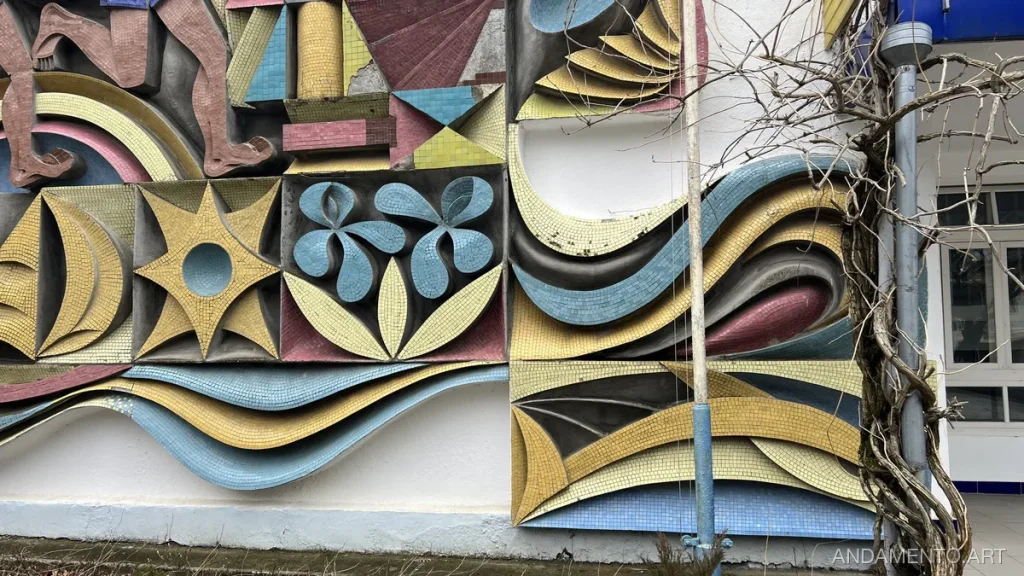
- Public Installations: On a larger scale, volumetric mosaics can be found in public spaces like metro stations, squares, and building facades, contributing to the urban landscape with their durable and visually striking presence. These projects often require extensive planning and collaborative effort, similar to custom mosaic projects.
[IMAGE PLACEHOLDER with alt=”Volumetric mosaic integrated into a garden landscape” caption=”A harmonious blend of volumetric mosaic art and nature, creating a unique garden feature.”]
Challenges and Artistic Possibilities in Three Dimensions
Working with mosaics in three dimensions introduces a unique set of challenges alongside exciting artistic possibilities. The transition from a flat plane to a sculpted form demands a deeper understanding of engineering, material science, and spatial design.
Challenges include:
- Structural Integrity: Ensuring the underlying form can support the weight of the tesserae and withstand environmental factors, especially for outdoor installations.
- Adhesion on Complex Curves: Applying tesserae evenly and securely on curved or irregular surfaces requires specialized techniques and adhesives.
- Optical Effects: Mastering how light interacts with varied surfaces and angles to create desired visual effects, rather than accidental distortions.
Despite these challenges, the artistic possibilities are vast. Artists can create mosaics that appear to shift and change with the viewer’s movement, offering a dynamic visual experience. The integration of volumetric mosaics with other art forms, such as sculpture and painting, leads to hybrid creations that defy traditional categorization. Furthermore, the use of AI and mosaics, including 3D modeling and digital technologies, is increasingly being used for designing complex volumetric pieces, allowing for precise planning and visualization before physical construction begins.
The ability to integrate volumetric mosaics into natural landscapes creates a symbiotic relationship between art and environment, where the artwork becomes an organic part of its surroundings. This innovative approach ensures that mosaic art remains a vibrant and evolving medium, continually discovering new ways to engage and inspire.
[IMAGE PLACEHOLDER with alt=”Digital 3D model of a volumetric mosaic design” caption=”Utilizing 3D modeling to visualize complex volumetric mosaic patterns before fabrication.”]
The Future of Volumetric Mosaics
The future of volumetric mosaics looks bright, driven by increasing interest, technological advancements, and a growing community of innovative artists. Exhibitions of contemporary art are expected to feature more works employing volumetric mosaic techniques, providing platforms for artists to showcase their creations and for the public to engage with this evolving art form.
Educational programs, both online and offline, are expanding to teach the intricate techniques of creating volumetric mosaics, reflecting a rising global interest. This proliferation of knowledge and skill will undoubtedly lead to even more diverse and complex works. Furthermore, ongoing research into new, eco-friendly, and technologically advanced materials promises to introduce novel forms and textures, pushing the boundaries of what is possible in volumetric mosaic art.
Работы по теме в галерее:
As artists continue to experiment with scale, materials, and digital tools, volumetric mosaics are set to become an even more prominent and exciting aspect of contemporary art, offering endless possibilities for creative expression and public engagement.
[IMAGE PLACEHOLDER with alt=”Artist working on a large volumetric mosaic installation” caption=”A mosaic artist meticulously placing tesserae on a large-scale volumetric artwork.”]
Order Your Custom Volumetric Mosaic
If your project demands professional execution, ArtWorker’s workshop has been creating mosaics of any complexity since 2011: from portraits to facades. Discuss your project: t.me/artworkerstudio or order@artworker.pro