Mosaic jewelry transforms the monumental art of tesserae into exquisite, wearable masterpieces. This unique craft, with roots stretching back over 4000 years to ancient Mesopotamia, brings the grandeur and intricate detail of large-scale mosaics to a personal, intimate level. From delicate brooches to statement necklaces, mosaic jewelry is a testament to precision, patience, and artistic vision, captivating admirers with its vibrant colors and timeless beauty.
A Rich History: From Ancient Adornment to Modern Trends
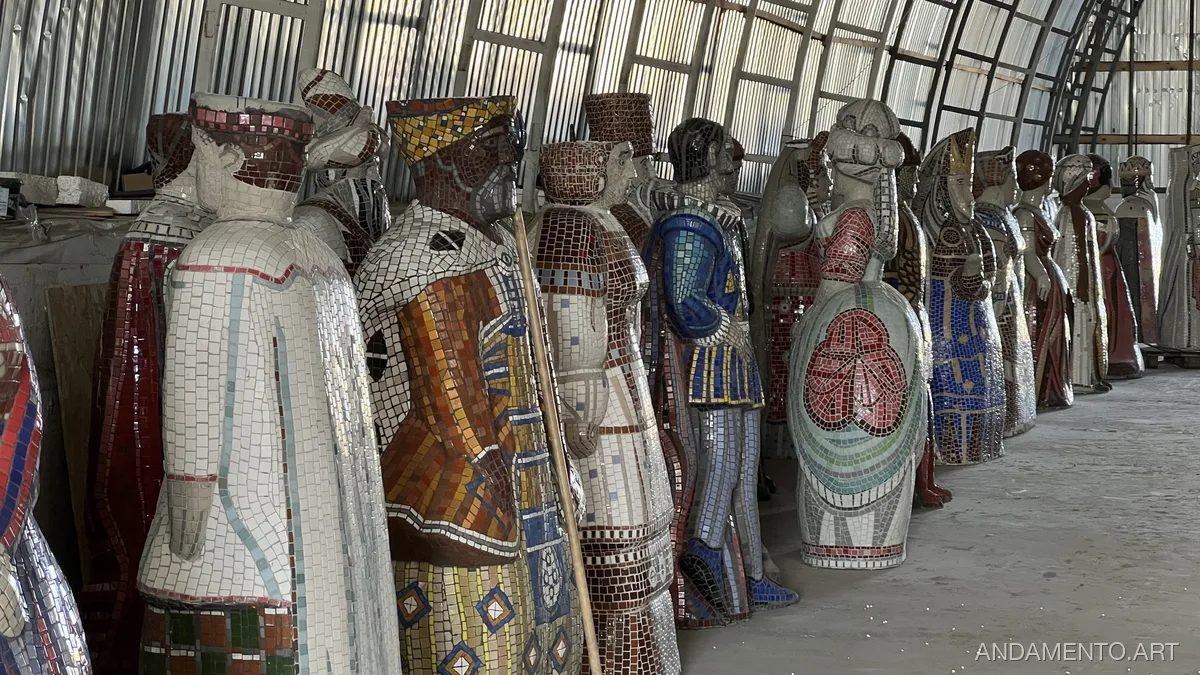
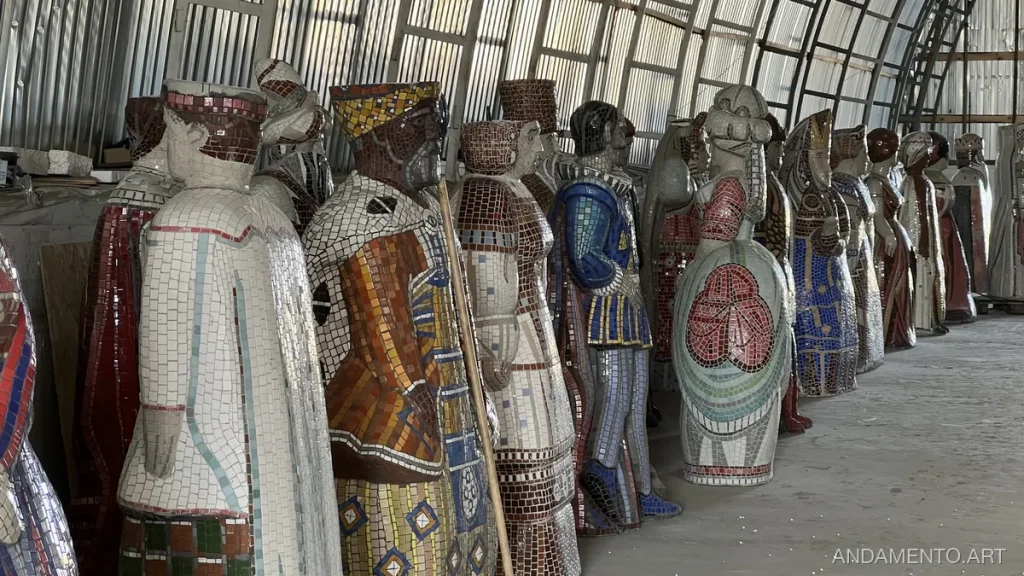
The journey of mosaic art began with decorating grand floors, walls, and ceilings of palaces and temples in the ancient world. Over centuries, this art form evolved, adapting to new materials and techniques. The Byzantine era, flourishing from the 4th to the 15th century, became renowned for its Byzantine mosaic icons, characterized by shimmering gold backgrounds and profound religious narratives. The Renaissance introduced innovations, incorporating colored glass and various stones, further expanding the mosaic palette.
Perhaps the most direct ancestor of modern mosaic jewelry is the micromosaic technique, which gained immense popularity in the 18th and 19th centuries. These miniature masterpieces, created from tesserae as small as 0.5–4 mm, were so finely detailed they often mimicked oil paintings. This demanding art form allowed for the creation of intricate portraits, landscapes, and historical scenes on snuff boxes, rings, and pendants, embodying the very essence of wearable art. In the early 20th century, modernists like Gustav Klimt integrated mosaic elements into their iconic works, paving the way for contemporary artists to explore new expressions.
Today, there is a growing interest in unique, handmade jewelry, and mosaic pieces are at the forefront of this revival. Online platforms like Instagram and Pinterest have become vital showcases for contemporary mosaic jewelers, making this intricate art form more accessible to a global audience. Jewelry houses and independent designers are increasingly incorporating mosaic elements into their collections, blending traditional craftsmanship with cutting-edge design.

Techniques and Materials: Crafting Miniature Worlds
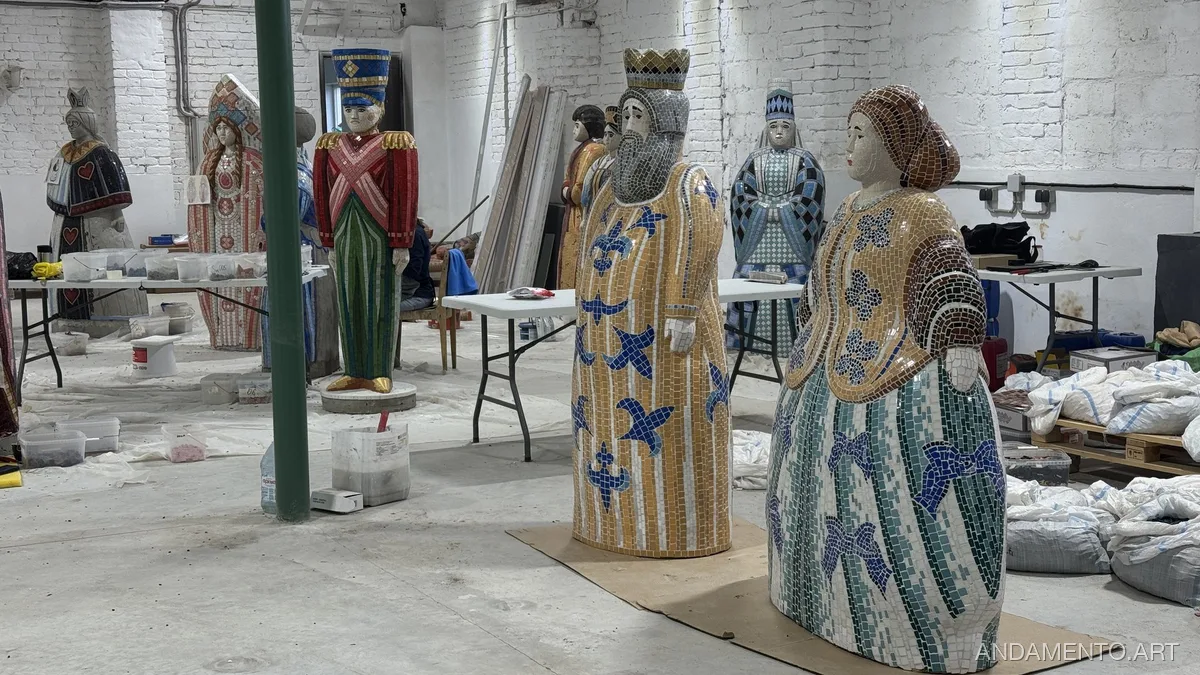
Creating mosaic jewelry involves adapting traditional mosaic techniques to a much smaller scale. Artists use various methods to achieve different aesthetic effects:
- Opus Tessellatum: The classic method of laying square tesserae in horizontal or vertical rows, often used for backgrounds or geometric patterns in jewelry.
- Opus Vermiculatum: Tesserae follow the contours of the depicted objects, creating a painterly effect with high detail, ideal for figurative elements in a brooch or pendant.
- Andamento: The careful direction of tesserae to convey movement and life, crucial for adding dynamism to tiny scenes.
- Pietra Dura: While typically a large-scale technique, the principle of meticulously cutting and fitting semi-precious stones with nearly invisible seams is sometimes applied in high-end mosaic jewelry, drawing inspiration from Florentine mosaic.
The choice of materials is paramount for mosaic jewelry, influencing both its aesthetic and durability:
- Smalti: Opaque glass specially formulated with metal oxides for vibrant, non-fading colors. ArtWorker offers a vast palette, including the classic V3.2 with 163 repeatable colors and the unique MELTI smalti with 24 experimental shades. Gold and silver smalti, containing real precious metals, add a luxurious shimmer to wearable pieces. Learn more about smalti for mosaics on our blog.
- Micro-glass: Extremely small pieces of colored glass, often used in micromosaic, allowing for incredible detail and smooth transitions.
- Enamel: Fused glass powder applied to metal, offering a rich, glossy finish and a wide spectrum of colors.
- Fine Stones: Polished natural stones like marble, agate, or jasper provide unique textures and earthy tones, often complementing glass tesserae.
- Millefiori: Decorative glass rods with intricate patterns, sliced to reveal floral or geometric designs, serve as beautiful accents.

The Challenges of Small-Scale Design
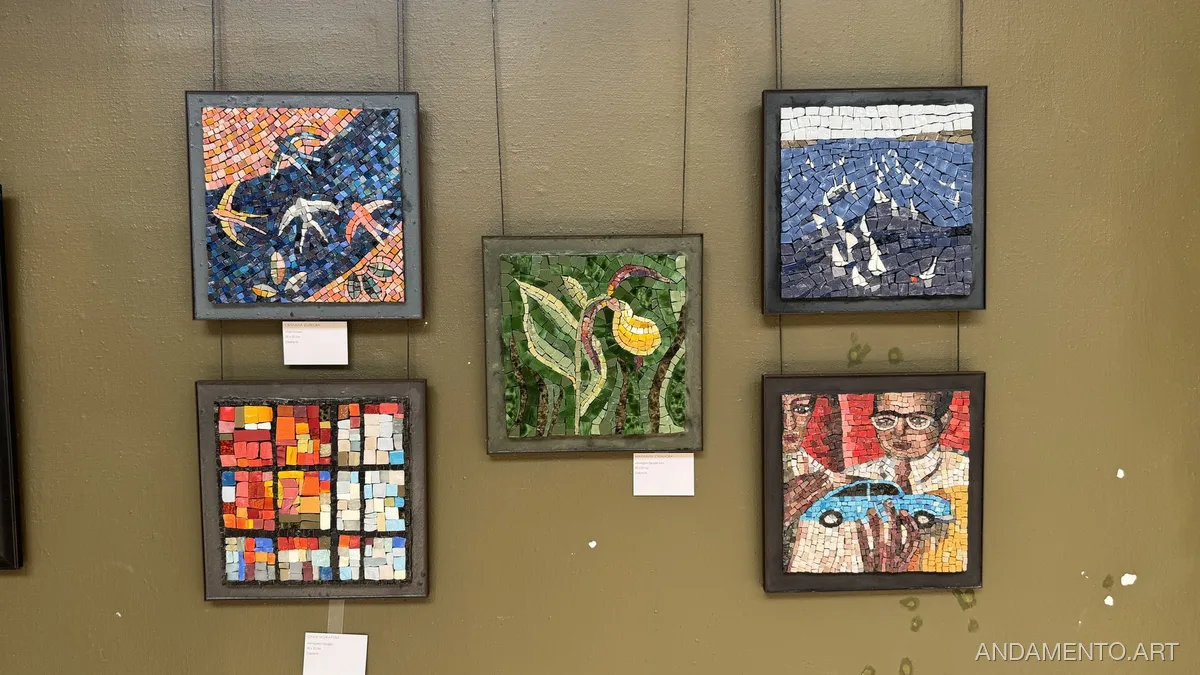
Working with mosaic on a miniature scale presents unique challenges that demand extraordinary skill and patience. Jewelers must possess a steady hand and a keen eye to precisely cut and place tesserae that can be less than a millimeter in size. The tools used are often specialized, including fine-tipped tweezers and miniature nippers, which are essential for achieving the required precision. You can find many of these mosaic tools in our shop.
The vision for a mosaic jewelry piece must be clear from the outset, as every tiny element contributes to the overall composition. Color selection becomes even more critical, as subtle shifts in hue can dramatically alter the perception of a small design. Artists often use specialized glues and magnifying equipment to ensure each tessera is perfectly seated and secured, preventing any movement or loss of detail. The meticulous nature of this work means that creating a single mosaic brooch can take anywhere from several hours to several weeks, depending on the complexity of the design and the size of the piece.

Contemporary Mosaic Jewelers and Innovations
The modern mosaic jewelry scene is vibrant, with artists pushing boundaries and incorporating innovative approaches. Masters like Kenneth Fry are celebrated for their contemporary mosaic jewelry, often blending traditional techniques with bold, modern aesthetics. Elizabeth Berry is another prominent figure, known for her exquisite miniature mosaics that demonstrate exceptional detail and artistry. Even renowned designers like Alessandro Mendini have integrated mosaic elements into their broader design projects, emphasizing its versatility.
Many contemporary mosaic jewelers experiment with non-traditional materials, such as recycled glass, ceramic shards, or even tiny pieces of metal, to create pieces with unique textures and narratives. Some artists incorporate fragments of antique tiles or broken crockery, infusing their creations with a sense of history and individuality. This blend of old and new, traditional and avant-garde, allows for an endless array of styles in mosaic jewelry, from classical reproductions to abstract expressions.

Durability and Wearability: Ensuring Longevity
For any piece of jewelry, durability is key, and mosaic jewelry is no exception. Given the small size of the tesserae and the constant exposure to wear, careful attention must be paid to the adhesive and finishing processes. Professional-grade adhesives, such as Kerabond T mixed with Isolastic (available in convenient 1kg and 2.5kg packs at artworker.shop, unlike the large 25kg bags found elsewhere), provide a strong, flexible bond that can withstand daily use. For areas requiring extreme resistance, such as pieces exposed to water or chemicals, a two-component epoxy grout like Diamant is essential, ensuring the integrity of the mosaic.
Proper finishing involves sealing the mosaic surface and protecting the tesserae from external damage. This might include polishing or applying a clear protective coat. Regular care for mosaic jewelry is simple: wipe with a soft, damp cloth and a neutral cleaning solution. Avoid harsh chemicals, abrasive materials, or high-pressure water, which can damage the grout or dislodge tesserae. With proper care, these wearable masterpieces can last for generations, preserving their beauty and intricate details.

From Ancient Art to Modern Adornment
Работы по теме в галерее:
Mosaic jewelry stands as a vibrant bridge between ancient artistry and contemporary fashion. It embodies the core principles of mosaic—the patient assembly of disparate elements into a harmonious whole—but scaled down to fit the human form. Whether it’s a delicate pendant echoing the grandeur of a Roman floor or a bold ring showcasing the vibrant hues of modern smalti, each piece tells a story. The meticulous selection of materials, the precise cutting of tesserae, and the careful arrangement of colors all contribute to a unique, personal work of art that can be cherished and worn. As interest in handmade and unique items continues to grow, mosaic jewelry remains a captivating choice for those who appreciate history, craftsmanship, and artistic expression.
Create Your Own Wearable Art
Inspired to create your own mosaic jewelry or explore mosaic art further? All the high-quality materials, from exquisite smalti and stained glass to professional nippers and adhesives like Kerabond T and Isolastic, are available at artworker.shop. We offer unique small-batch packaging, perfect for intricate projects. Dive into the world of mosaic and craft your own wearable masterpieces!