Современные мозаичисты — Contemporary Mosaic Artists: Innovators of the Modern Medium
The world of art is constantly evolving, and nowhere is this more evident than in the realm of mosaic. Today, contemporary mosaic artists are not merely preserving an ancient craft—they are reimagining it, pushing its boundaries, and infusing it with fresh perspectives. These innovators are transforming tiny tesserae into monumental statements, embracing new technologies, and redefining what mosaic art means in the 21st century. Their work spans a vast spectrum, from intricate abstract compositions to large-scale public installations, captivating audiences with their creativity and technical prowess.
Redefining Tradition: New Materials and Techniques
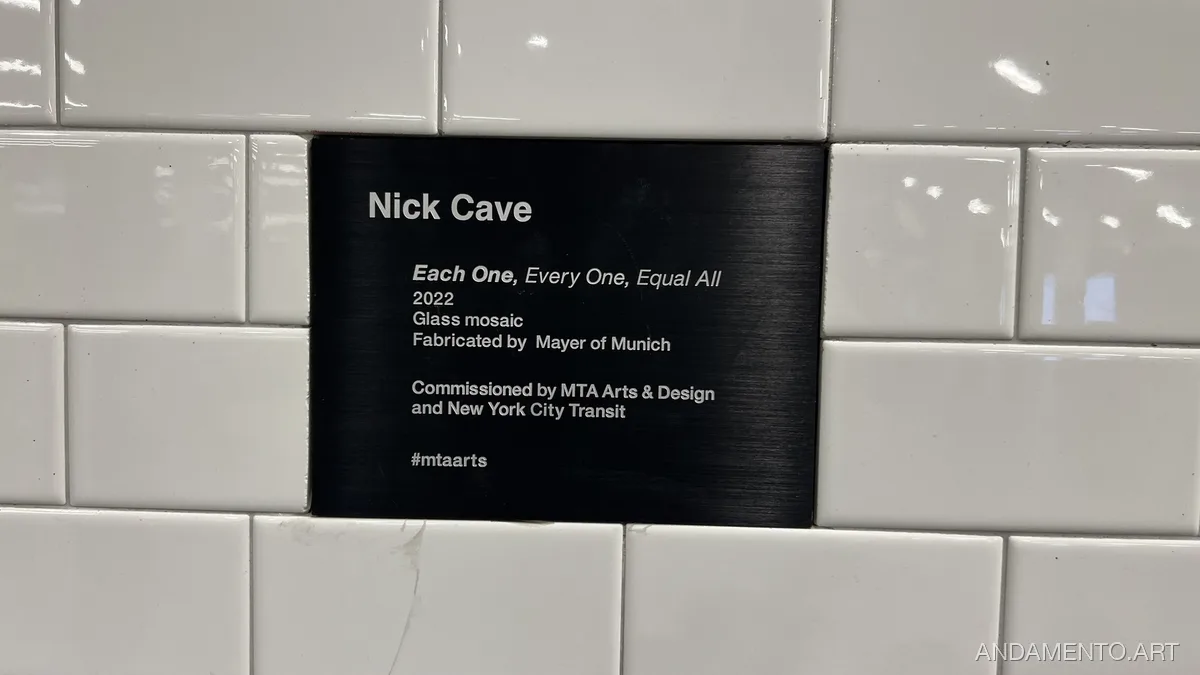
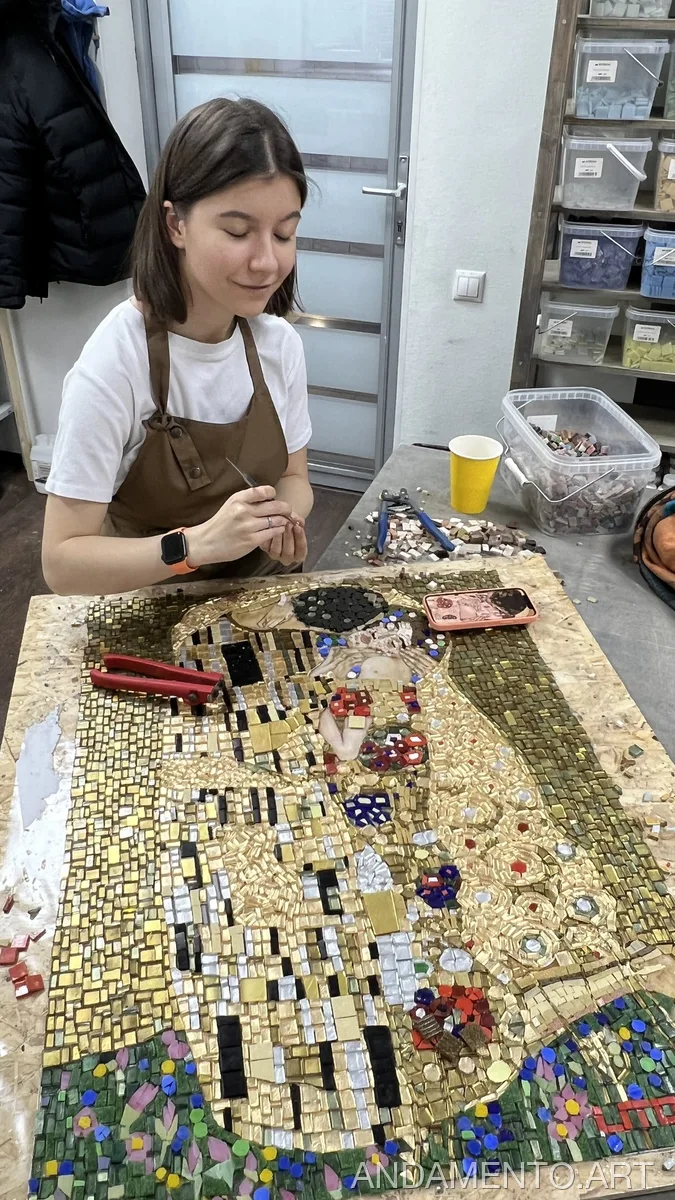
Historically, mosaic art has been synonymous with natural stone and glass. While these traditional materials remain central to the craft, contemporary mosaic artists are fearlessly experimenting with a broader palette. They challenge conventional notions by incorporating unconventional and often unexpected elements into their work.
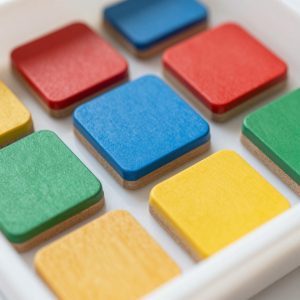
Many artists now use recycled glass, plastics, ceramics, and even discarded electronic components to create stunning new textures and visual narratives. This shift not only broadens the aesthetic possibilities but also often carries a message of sustainability and repurposing. For example, some artists meticulously sort and arrange broken pottery shards or fragments of industrial glass, transforming waste into beauty. This approach requires an intimate understanding of each material’s properties—how it fractures, reflects light, and interacts with other elements in a composition. While some still prefer the rich hues of smalti or the timeless elegance of natural stone mosaics, the exploration of new materials is a hallmark of contemporary innovation.
The Digital Frontier: AI and 3D Printing in Mosaic Art
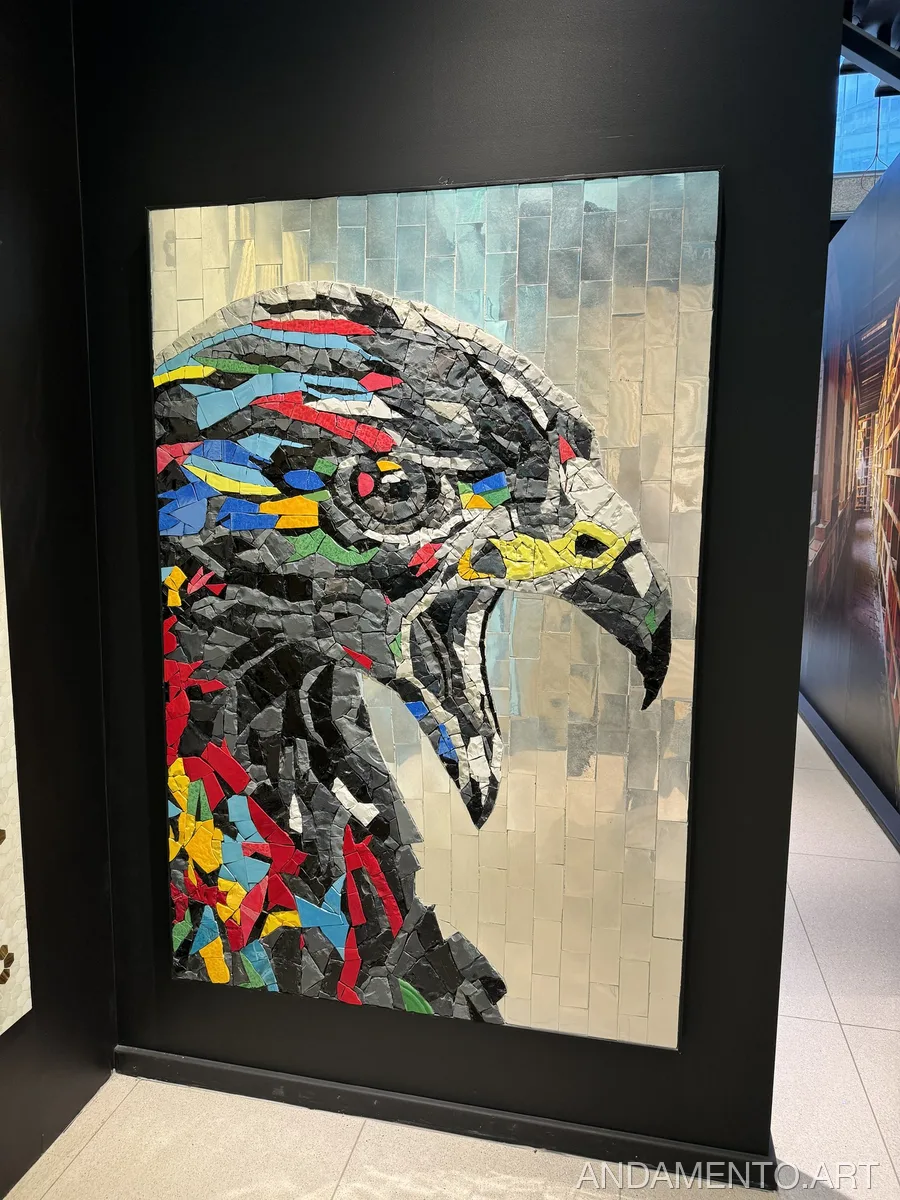
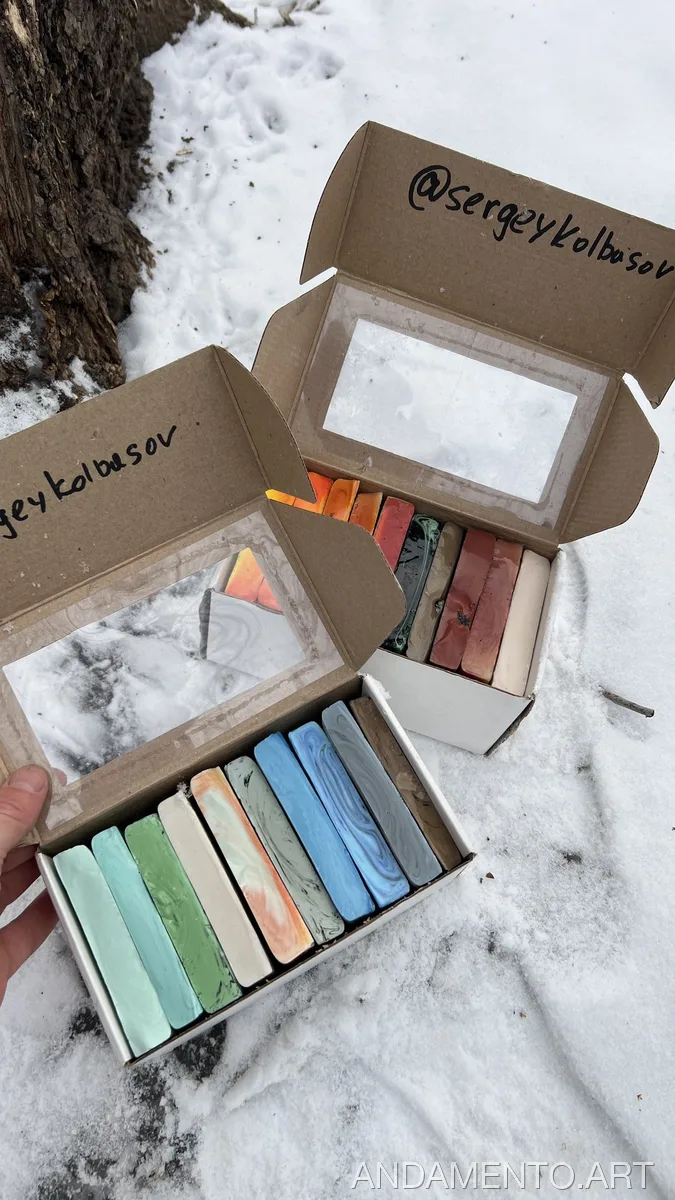
The intersection of ancient art and cutting-edge technology is one of the most exciting developments led by contemporary mosaic artists. Digital tools, including artificial intelligence and 3D printing, are opening up entirely new avenues for design and creation, pushing the limits of what was previously imaginable.
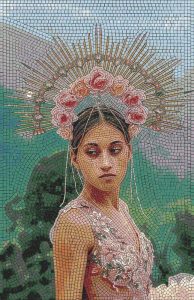
Artificial intelligence, for instance, is increasingly used to generate intricate patterns and complex compositions. Artists can feed images or concepts into AI algorithms, which then produce unique mosaic designs, sometimes even suggesting color palettes and tessera layouts. This collaborative process between human creativity and algorithmic intelligence allows for unprecedented complexity and precision. Our own application, andamento.app, is a testament to this, allowing users to create a photo mosaic online with AI assistance. Furthermore, 3D printing is being explored to create custom-shaped tesserae or even entire mosaic substrates, offering unparalleled dimensional possibilities that traditional methods cannot easily achieve. Some artists are also experimenting with interactive mosaics, which respond to light, sound, or viewer presence, creating dynamic and engaging art experiences. This blend of ancient technique with modern innovation is thoroughly explored in articles like «AI & Mosaics: How Neural Networks Transform Ancient Art».
Profiles of Innovation: Leading Contemporary Mosaic Artists
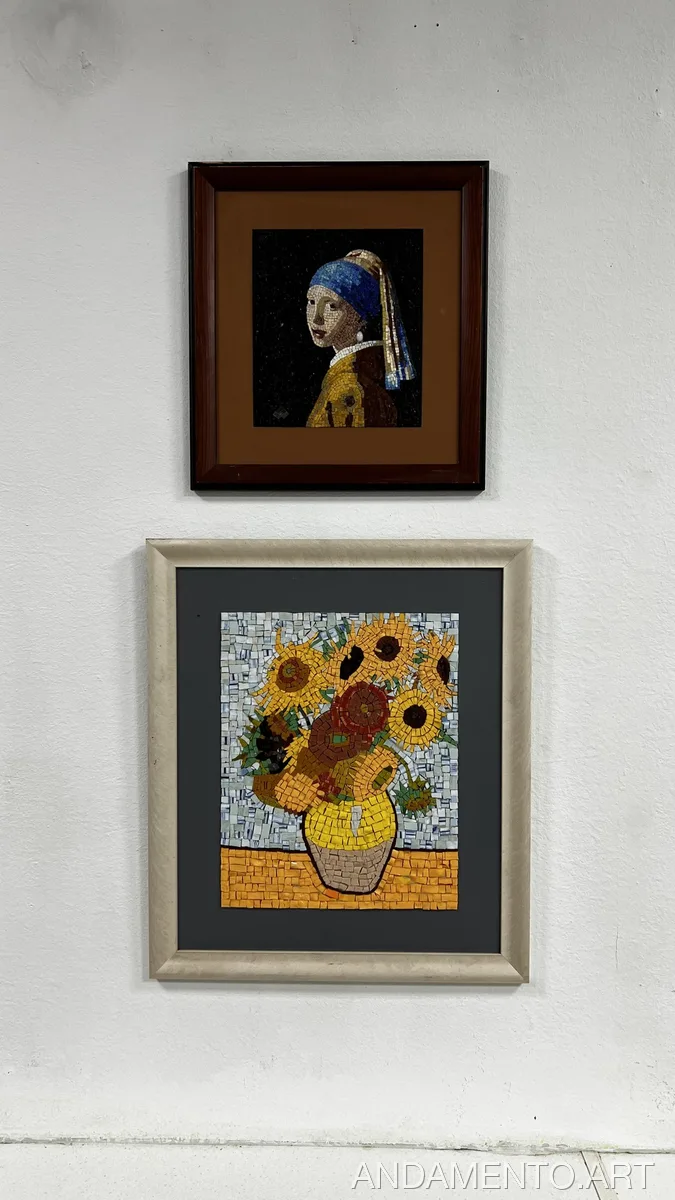
The landscape of modern mosaic is rich with artists who are pushing the medium into new territories. These contemporary mosaic artists are celebrated for their distinctive visions, technical mastery, and profound conceptual approaches. While each artist brings a unique voice, they collectively demonstrate the incredible versatility and expressive power of mosaic.
- Kenneth Friedmann is known for his bold, often large-scale abstract works that explore texture and depth. His pieces frequently incorporate varied materials, creating dynamic surfaces that invite viewers to engage closely with the art. Friedmann’s innovative use of light and shadow transforms his mosaics into living entities, shifting with the surrounding environment.
- Ellyson Gardner often delves into narrative and figurative themes, imbuing her mosaics with emotional depth and intricate storytelling. Her mastery of color and form allows her to create highly detailed and evocative portraits and scenes, often with a contemporary twist on classical subjects. Gardner’s work highlights the potential for mosaic to convey complex human experiences.
- Judi Mark explores the interplay of geometry and organic forms in her striking compositions. Her mosaics often feature vibrant colors and precise lines, creating a sense of movement and energy. Mark is particularly adept at integrating her art into architectural spaces, demonstrating a keen understanding of both design and material.
- Lynne Shaffer is recognized for her experimental approach to tessera placement, often breaking from traditional straight lines to create fluid, painterly effects. Her mosaics frequently touch on themes of nature and transformation, using rich, earthy tones and dynamic patterns to evoke natural landscapes and abstract concepts.
- Kimberly Woods focuses on conceptual art, using mosaic as a medium to address social and environmental issues. Her works are often thought-provoking, utilizing unexpected materials and juxtapositions to challenge perceptions and stimulate dialogue. Woods’s innovative storytelling through mosaic positions her as a significant voice in contemporary art.
These artists, among many others, exemplify the spirit of innovation, continuously seeking new ways to express themselves through the ancient art form. Their diverse styles, from abstract explorations to deeply personal narratives, underscore the boundless potential of mosaic in the 21st century. Their dedication to pushing creative boundaries ensures that mosaic art remains vibrant and relevant.
Beyond the Canvas: Large-Scale Installations and Public Art
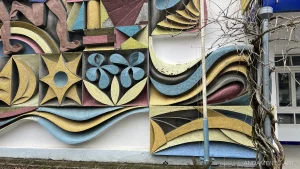
One of the most impactful ways contemporary mosaic artists are redefining the medium is through large-scale installations and public art projects. Mosaics are no longer confined to small panels or decorative accents; they are becoming integral parts of urban landscapes, architectural facades, and interior spaces. This collaborative spirit is vital, as artists often work closely with architects, urban planners, and designers to integrate their vision seamlessly into the built environment.
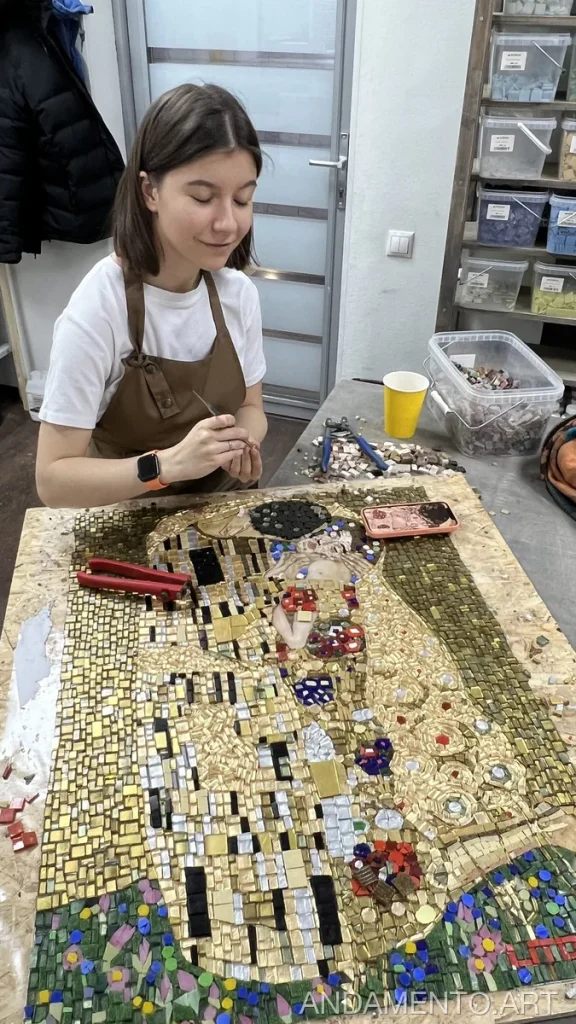
These monumental works transform public spaces, bringing color, texture, and narrative to communities. From vibrant murals adorning subway stations to intricate pavements in city squares, public mosaics create lasting impressions and become landmarks. The process of creating mosaic murals for public spaces involves extensive planning, from initial sketches and material selection to the intricate installation process, often requiring a team of skilled artisans. Such projects not only showcase the enduring beauty of mosaic but also its incredible durability, making it an ideal choice for outdoor and high-traffic areas. The scale and ambition of these projects highlight the collaborative and community-driven aspects of modern mosaic art, providing visual richness and cultural commentary.
Global Impact: Exhibitions and the Art Market
The resurgence of mosaic art is further fueled by international exhibitions, biennials, and a growing presence in the global art market. Events like RavennaMosaico in Italy play a pivotal role in showcasing the latest trends, techniques, and conceptual directions in contemporary mosaic. These platforms provide contemporary mosaic artists with opportunities to gain international recognition, connect with peers, and inspire new generations.
Organizations such as The Society of American Mosaic Artists (SAMA) and the British Association for Modern Mosaic (BAMM) are instrumental in fostering communities, organizing exhibitions, and promoting education within the mosaic world. Their efforts contribute significantly to the visibility and appreciation of contemporary mosaic art. Moreover, the popularity of mosaic is steadily growing in private collections and on the art market, reflecting a renewed interest in handcrafted, unique, and enduring art forms. Galleries specializing in contemporary art are increasingly featuring mosaic works, acknowledging their artistic merit and investment value. This global engagement ensures that mosaic art continues to evolve, reach new audiences, and solidify its place as a dynamic and relevant artistic medium.
Conclusion
The journey of mosaic art, from ancient decorative craft to a vibrant contemporary medium, is a testament to its enduring appeal and adaptability. Contemporary mosaic artists are at the forefront of this evolution, fearlessly experimenting with materials, embracing digital innovations, and pushing conceptual boundaries. Their dedication to the craft, combined with a willingness to explore new artistic territories, ensures that mosaic remains a powerful and relevant form of artistic expression in the 21st century. As they continue to innovate, these artists not only honor the rich history of mosaic but also forge a dazzling future for this timeless art form.
*
Discover the Future of Mosaic Art
Работы по теме в галерее:
Искусственный интеллект уже помогает мастерам — andamento.app переводит любую фотографию в готовый мозаичный эскиз с расчётом материалов. Первые генерации бесплатно, без регистрации.