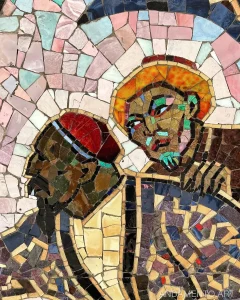
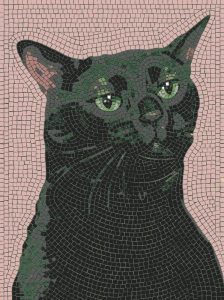
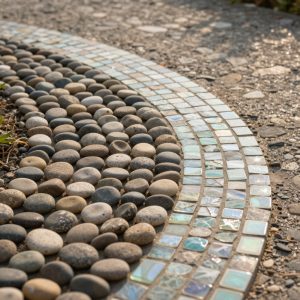
Florentine pietra dura mosaic represents the zenith of lapidary art, where natural stone is transformed into a full-fledged painting. Unlike classic smalt, this technique utilizes only semi-precious stones characterized by high density and rich coloration. Perfected during the Renaissance, this method allowed for the creation of detailed images with millimeter precision, mimicking the brushstrokes of a painter. Masters sought not merely to decorate, but to create “eternal paintings,” where minerals sourced from the far corners of the world replaced pigments, turning every piece into a true triumph of human patience and natural wealth.
The History of Florentine Pietra Dura and the Legacy of the House of Medici
The flowering of this art is inextricably linked to the Medici dynasty, who transformed Florence into a global center of luxury and intellectual pursuit. In 1588, Ferdinand I de’ Medici founded the Opificio delle Pietre Dure — a state workshop for the processing of hard stones. This was more than just a studio; it was a true research center where Italy’s finest masters experimented with cutting and polishing methods. The Medici aimed to create objects that would emphasize their status and the eternity of their power, as stone, unlike canvas, is not subject to decay, moisture, or fading under sunlight.
During the 17th and 18th centuries, Florentine mosaic became a premier diplomatic gift, a symbol of prestige and refined taste. Popes and European monarchs commissioned the Opificio to create jewelry boxes, tables, altar pieces, and even entire wall panels. Masters of that era, such as the Costa family or representatives of the del Vallo dynasty, strove for maximum naturalism, known in painting as “trompe-l’œil” (deceiving the eye). They created complex still lifes and mythological scenes where every flower petal, dewdrop, or fold of fabric was carved from a separate piece of stone, carefully selected for its color and texture. This tradition established a unique school where the craftsman became a full-fledged artist, working with nature’s hardest and most stubborn materials to turn cold minerals into living images.
The Technology of “Hard Stone”: Malachite, Lapis Lazuli, and the Secrets of Cutting
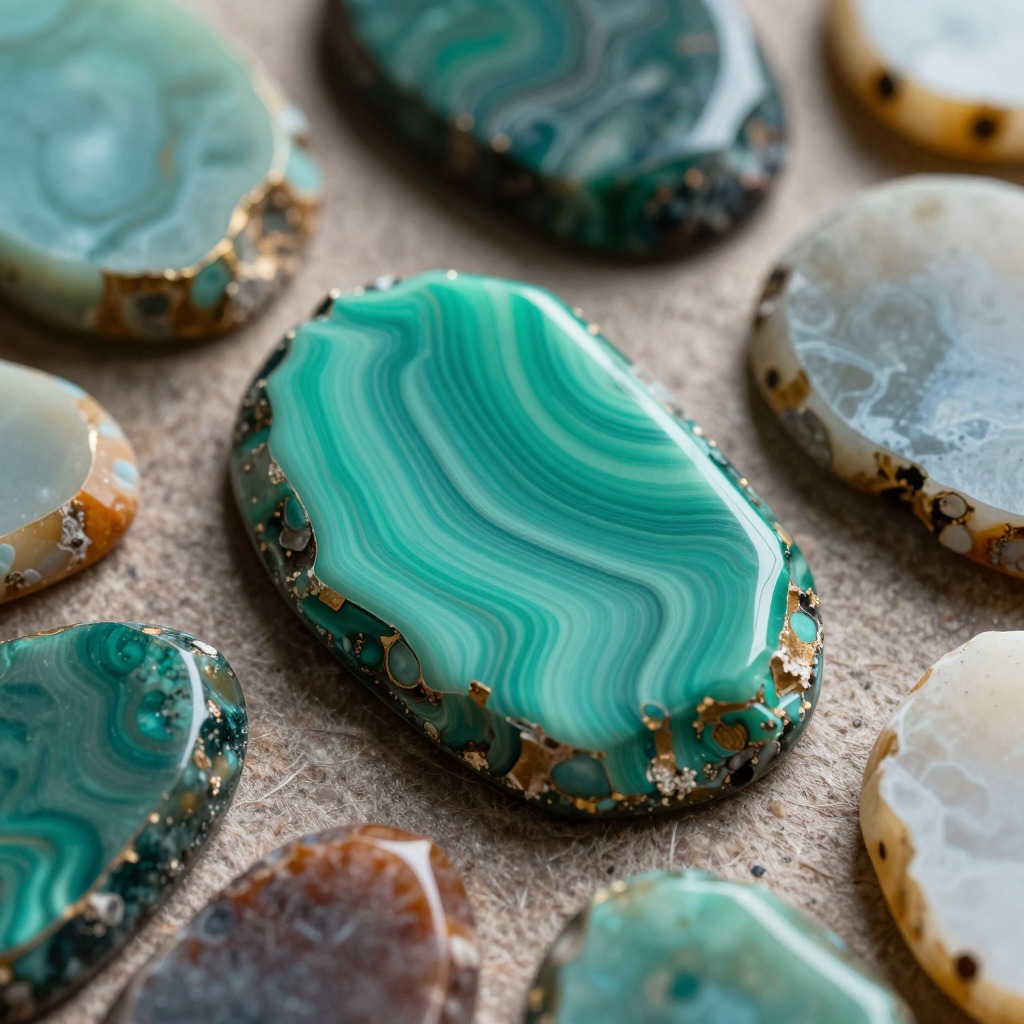
The name “pietra dura” literally translates to “hard stone,” which defines the primary technical challenge of this medium. Unlike classic mosaics, where elements (tesserae) have a standard square or rectangular shape, each fragment here is cut according to an individual template, precisely following the contour of the adjacent element. This resembles the assembly of an incredibly complex puzzle where gaps between parts are virtually nonexistent, creating the effect of a single seamless canvas. To achieve this, a special wire with diamond or iron coating was used, which, with the help of an abrasive (quartz sand), slowly and painstakingly cut through the stone. Today, such compositional principles can be explored through modern design tools, for instance, by using andamento.app to study patterns.
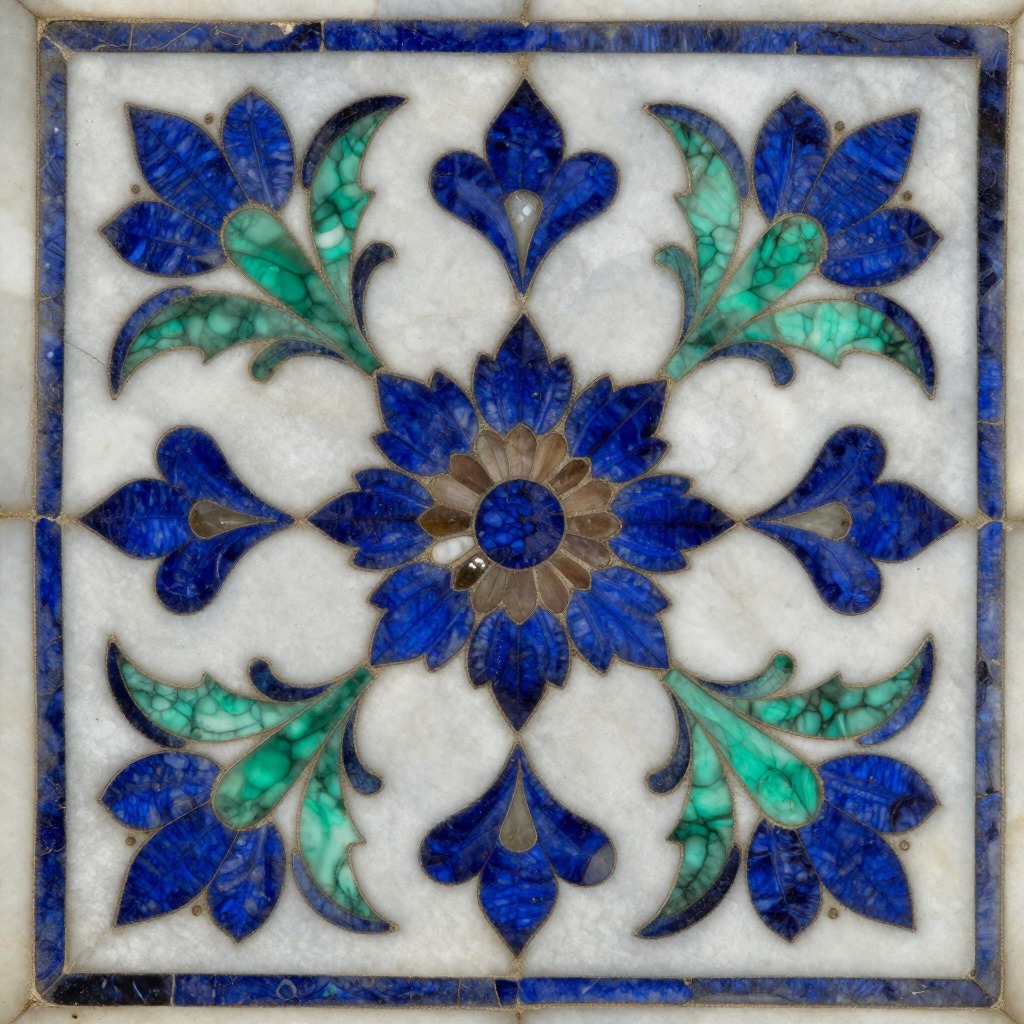
The material palette of Florentine mosaic is striking in its variety and geographical reach. To create deep blue skies, nocturnal spaces, or ocean depths, lapis lazuli was used, imported from distant Afghanistan. The rich greens of foliage, moss, and architectural elements were embodied in malachite and jade. Agates and jaspers, with their natural veins and swirls, were ideal for imitating clouds, human skin, or wood grain, allowing the master to use the stone’s natural patterns to enhance realism. Quartzite and carnelian held a special place, adding warm ochre, yellow, and red tones to the composition. After the meticulous fitting of all parts, they were bonded with a special compound and subjected to multi-stage polishing to a mirror shine, creating an illusion of volume, depth, and an inner glow within the stone.
Masterpieces in the World’s Museums: From Palazzo Pitti to the Hermitage
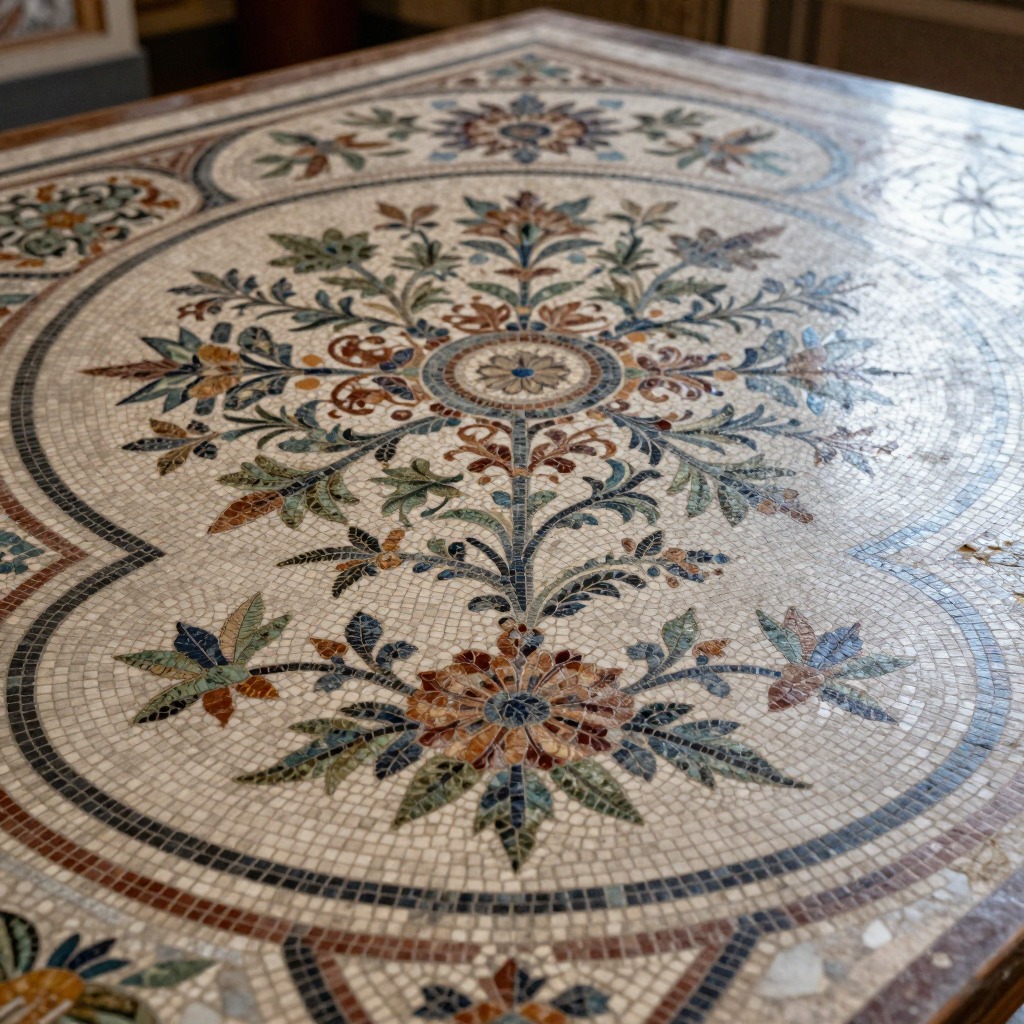
Today, the finest examples of Florentine mosaic are housed in the world’s leading museums, confirming its global influence on decorative art. In the heart of Florence, at the Palazzo Pitti and the Uffizi Gallery, original works from the Opificio are preserved, including luxurious tables and inlaid panels. These exhibits demonstrate incredible detail: one can find depictions of exotic birds where every feather is crafted from a different variety of stone, selected to capture the play of light. It is also worth noting the Basilica of Santa Maria Novella, where mosaic inserts are integrated into the church interior, creating an atmosphere of divine grandeur and permanence.
Beyond Italy, significant pietra dura collections are found in the State Hermitage Museum in St. Petersburg. Russian emperors, particularly Catherine the Great, were passionate collectors of Florentine art, leading to the appearance of magnificent mosaic cabinets and vases in Russia. These works were often integrated into palace interiors, emphasizing Russia’s connection to the European cultures of the Renaissance and Baroque. The Louvre in Paris also presents works that show the evolution of the style from strict Renaissance order to the lush, emotional Baroque. Browsing these collections, one can observe how masters transitioned from simple geometric ornaments and floral garlands to complex allegorical subjects that rivaled the finest oil paintings of the time in their execution and depth.
Antiques and Valuation: The Cost of Pietra Dura Masterpieces
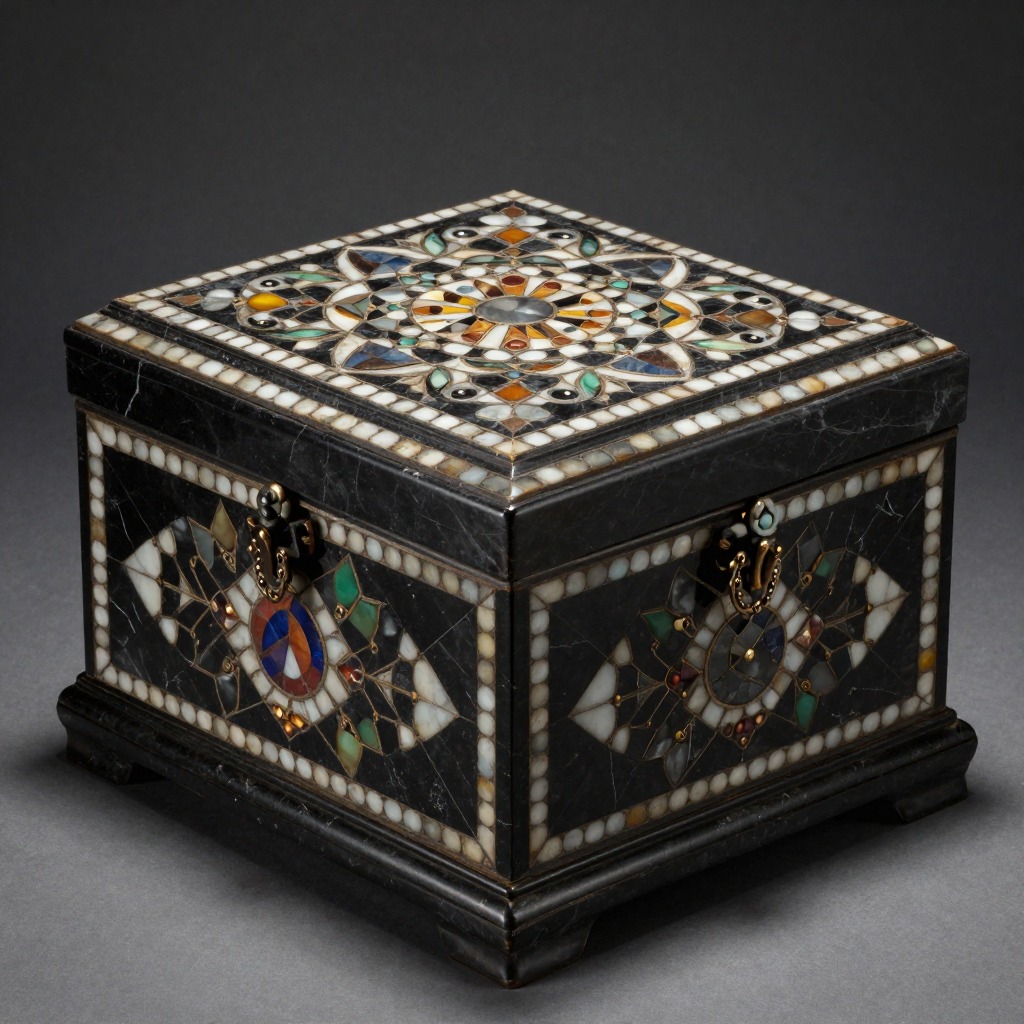
The antiques market views Florentine mosaic as a high-potential investment asset. The price of such pieces depends on several critical factors: provenance (confirmed origin), compositional complexity, the condition of the stone, and the name of the master. Works with direct attribution to the Opificio delle Pietre Dure workshop from the 16th to 18th centuries are valued in the tens or even hundreds of thousands of dollars at Sotheby’s and Christie’s auctions. Items utilizing rare stone varieties, such as high-grade lapis lazuli without white inclusions or unique varieties of jasper with rare natural patterns, are especially prized.
Smaller items, such as inlaid boxes, desk clocks, or cigarette cases from the 19th century, are more affordable, yet remain highly sought after by collectors for their aesthetic appeal. The average price range for a high-quality antique pietra dura table can vary from $5,000 to $50,000. However, museum-grade specimens—full-scale paintings in stone—often never reach the open market, passing from one private collection to another through private treaty sales. This high cost is explained by the fact that creating a single such work in the past required months, and sometimes years, of painstaking manual labor, which is nearly impossible to reproduce on the same scale today due to the lack of masters with such a level of training.
Modern Interpretations: From Craft Workshops to AI Art
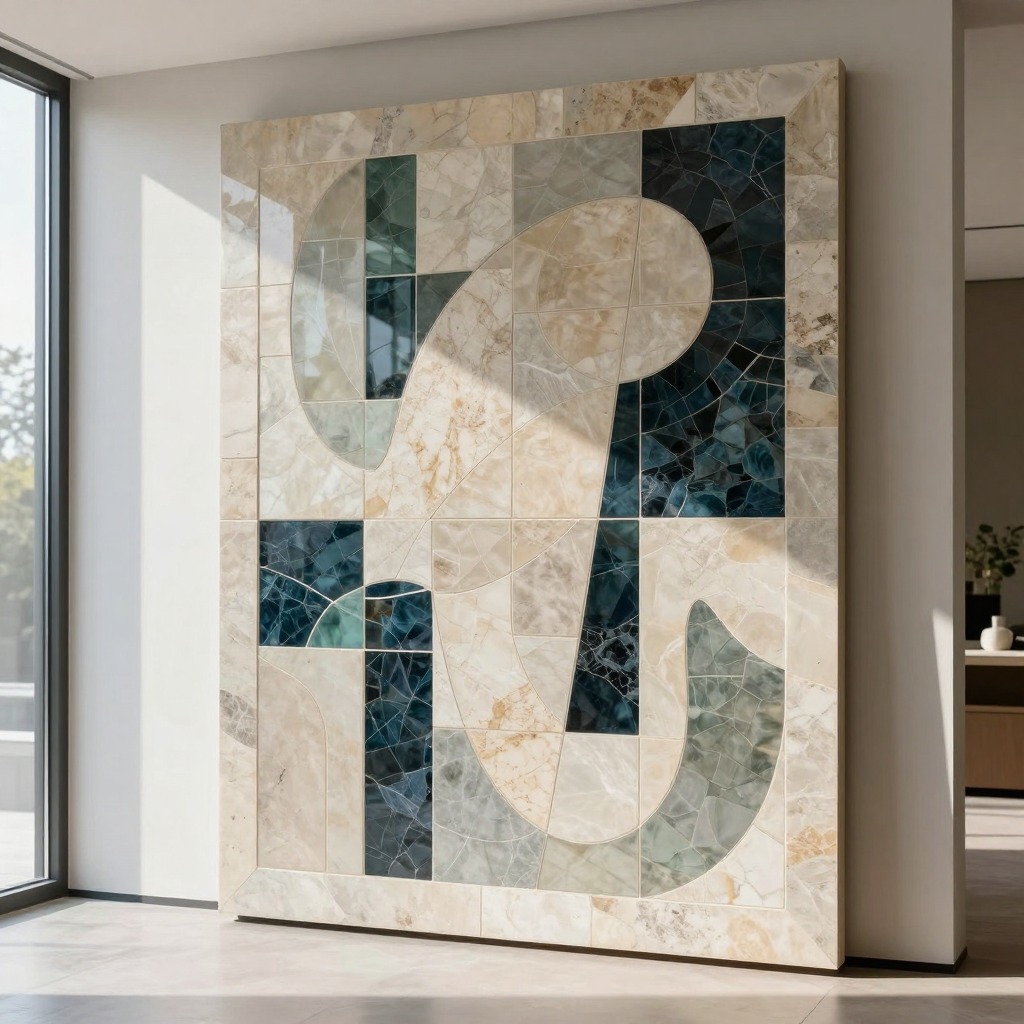
In contemporary Florence, private workshops still preserve the traditions of pietra dura, although the demand for such expensive pieces has become more niche. Modern masters combine classic cutting methods with new tools, such as laser cutting and computer modeling, which reduces production time and achieves even more perfect joints without stripping the work of its nobility. Nevertheless, the physical creation of semi-precious stone mosaics remains one of the most expensive and labor-intensive art forms in the world, requiring deep knowledge of geology and material chemistry.
Related works in the gallery:
Alongside this, a new era is emerging: the digital reimagining of the classics. With the help of artificial intelligence, it is now possible to simulate the complex textures of malachite or lapis lazuli, creating visual works that inherit the aesthetics of Florentine mosaic. This allows art lovers to explore endless variations of stone and color combinations without spending colossal resources on the physical extraction and processing of minerals. AI generations bring the spirit of the Opificio into the digital space, creating mosaic canvases that look like genuine stone masterpieces but are accessible to everyone in a single click.
If you wish to create your own work in the style of the great masters, explore the capabilities of andamento.app to generate unique mosaic art inspired by the classics of pietra dura.