Custom mosaic pricing, which can range from several tens of thousands to millions of rubles, involves a complex calculation of material costs and intellectual labor. It is not merely a surface finish, but the creation of a durable work of art where every fragment—the tessera—matters. The cost of a project depends on whether it is an intimate mosaic panel in the Opus Tessellatum style or a large-scale wall in the spirit of monumentalism. Understanding the pricing structure allows the client to allocate their budget wisely and choose the optimal execution technique.
Key Factors Influencing Custom Mosaic Pricing
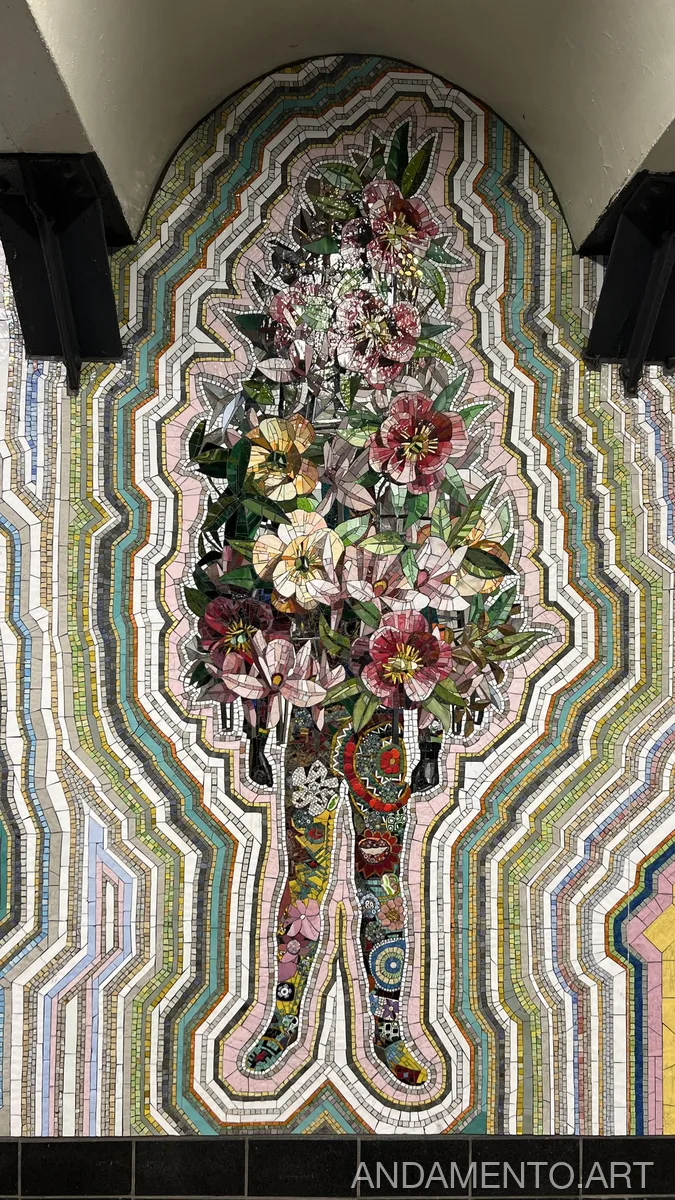
The first factor is the size of the piece. While the area determines the volume of materials to be purchased, the complexity of the design determines the number of labor hours. If the project involves smooth color transitions, complex anatomical forms, or fine details, the artist’s labor cost increases, as each tessera must be selected with high precision.
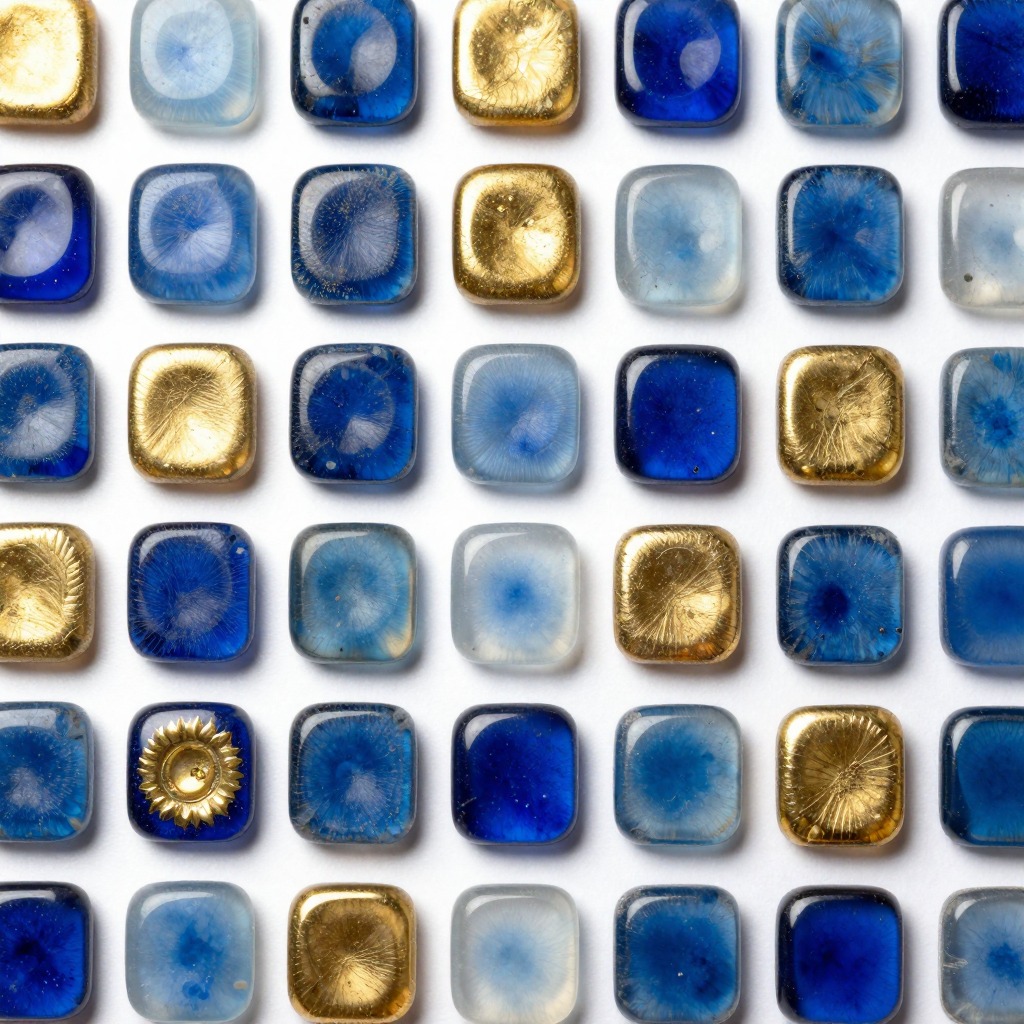
Material plays a critical role. The most expensive segment is smalt—opaque colored glass produced using ancient technologies. Gold and silver smalti are particularly prized, as a layer of precious metal is sealed between layers of glass. Marble and natural stone are less expensive, though their price depends on the rarity of the variety (for example, white Carrara marble is more expensive than standard grey). Ceramic tiles and glass kits are the most budget-friendly options, but they lack the depth of classical materials.
The installation method is also taken into account. The direct method (gluing to the base in the workshop) and the indirect method (assembling “face down” on paper or fabric) differ in labor intensity. The indirect method allows for a perfectly smooth surface but requires more time for preparation and installation, which is reflected in the final bill.
Execution Techniques: From Opus Tessellatum to Trencadís
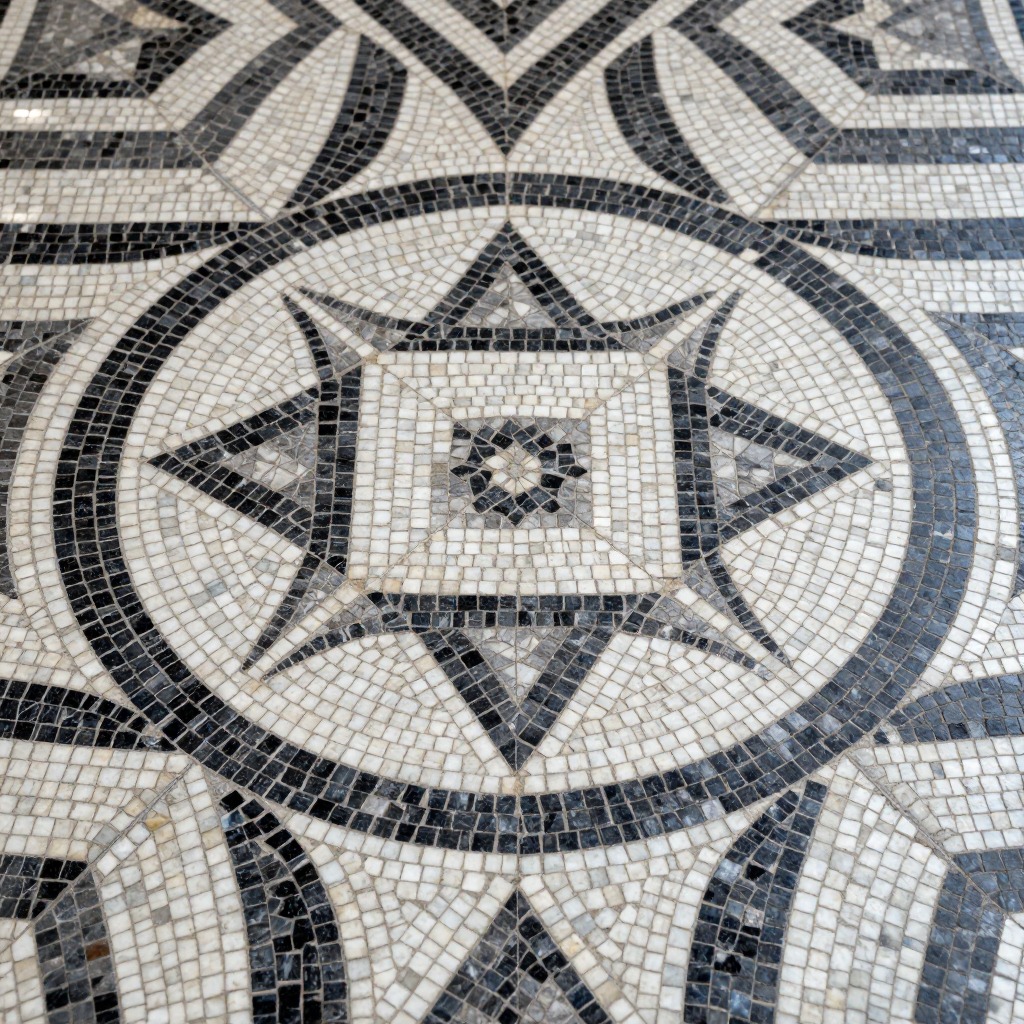
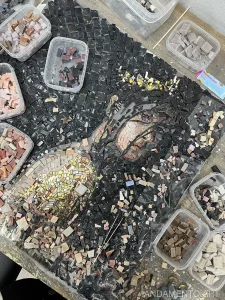
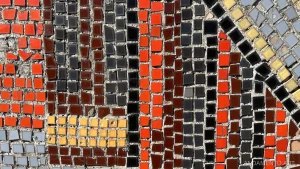
The choice of technique affects the cost, as different styles require different levels of mastery. Classical Opus Tessellatum involves using square tesserae laid in even rows; this is the basic standard with a moderate cost. More complex is Opus Vermiculatum, where the fragments are so small that they allow for painterly effects, mimicking brushstrokes. This technique requires jewelry-like precision and is used in premium commissions.
The Byzantine style is characterized by the use of gold smalt and a specific tilt angle of the tesserae to play with light. This is one of the most expensive techniques due to the cost of materials. In contrast, the Trencadís technique, popularized by Gaudí, involves using broken ceramics. It is more affordable as it allows for the use of material scraps, but it requires a high degree of artistic intuition.
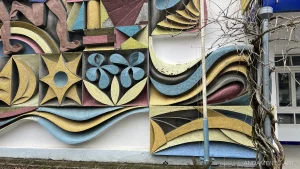
Florentine mosaic (commesso) is the pinnacle of the craft, utilizing thin slices of colored stones fitted together without visible seams. The cost of such work is extremely high. It is also worth mentioning Soviet mosaics made from large blocks. Today, restoring or creating new works in this style requires sourcing specific materials, which can increase the cost due to logistics.
Design and Sketching: Hand-drawn vs. AI Generation
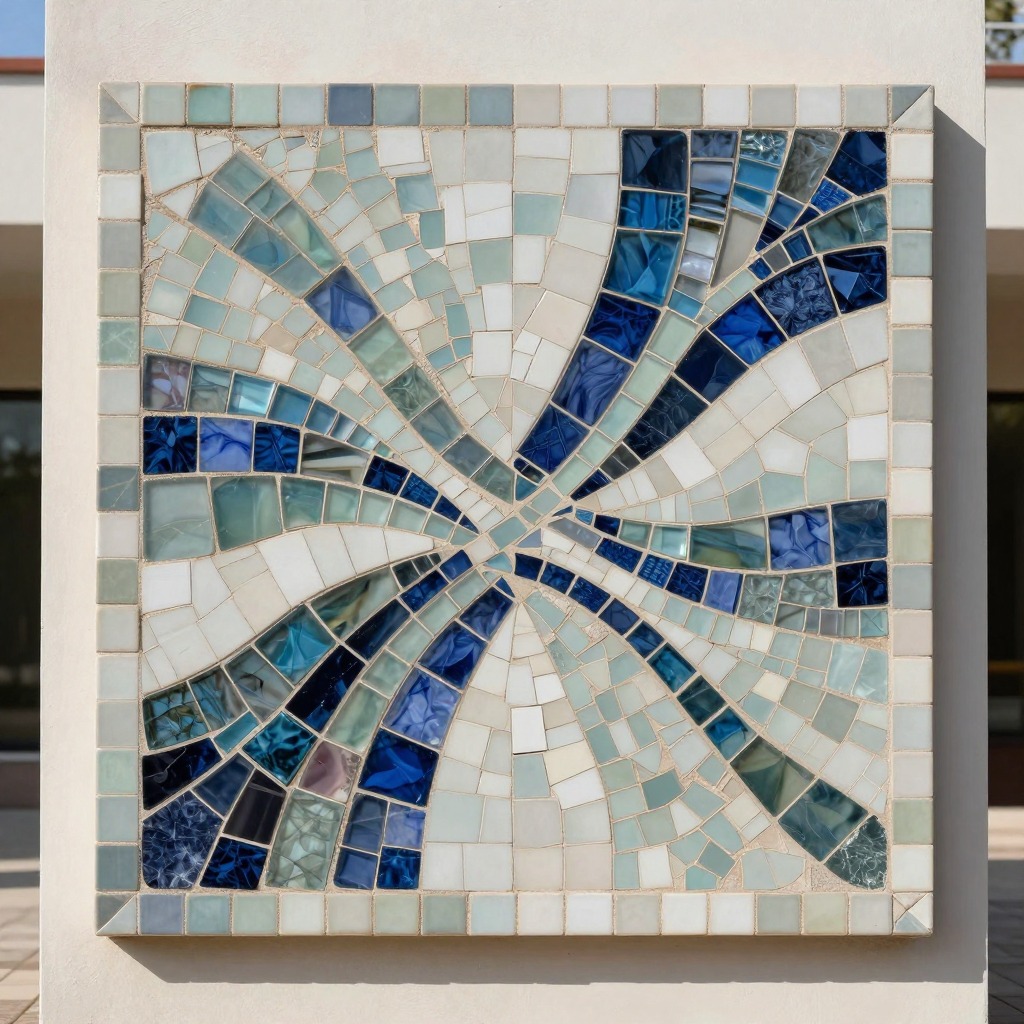
Developing a sketch is the first stage, which can take anywhere from a few days to several months. Traditionally, an artist creates a detailed layout, selects a palette, and produces a “cartoon” (a full-scale drawing). The fee for a professional mosaic designer can range from 10% to 30% of the total project cost. Each iteration of revisions increases the preparation cost.
With the advent of AI technologies, the design process has changed. Modern services, such as andamento.app, allow a photo or description to be instantly transformed into a precise mosaic sketch. This significantly reduces the cost of the preparatory stage. Techniques like Matrix mosaic or MELTI mosaic allow the work to be visualized considering the size of the tesserae and the grout, eliminating errors. The client receives a finished pattern that the master uses as an instruction, without spending hours on manual drawing.
The use of AI makes it possible to experiment with compositional variants in a matter of minutes. This allows the budget to be saved on design and redirected toward more expensive materials, such as Italian smalt or rare varieties of quartzite, without sacrificing the project’s aesthetics.
Price Ranges in Russia and Regional Characteristics
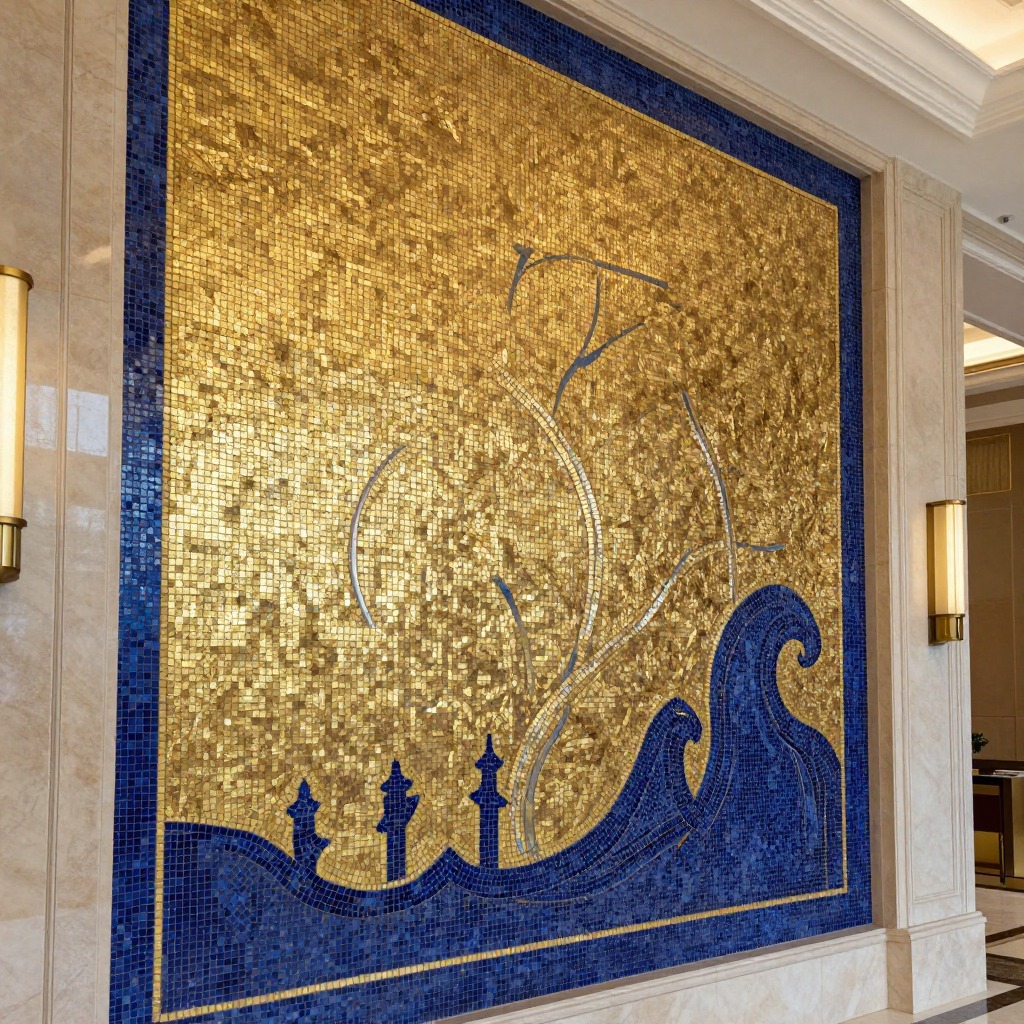
The mosaic market in Russia is heterogeneous. In Moscow and Saint Petersburg, prices are higher due to workshop rental costs and demand for the premium segment. On average, the cost per square meter for a custom mosaic starts at 15,000 rubles for simple ceramic patterns and can reach 300,000 rubles for complex artistic panels made of gilded smalt.
Approximate calculation: a small bathroom panel (about 1.5 m²) in the Classical AI or Opus Tessellatum technique will cost between 30,000 and 70,000 rubles. A large-scale living room wall (5–10 m²) made of natural stone can cost from 200,000 to 800,000 rubles. For the restoration of Soviet mosaics or the creation of objects in the Byzantine style, the price is calculated individually based on the rarity of the raw materials.
Regional artisans often offer more affordable prices, but it is important to consider the cost of material delivery. If imported smalt is used, logistics expenses are included in the estimate. Additionally, the cost of installing the mosaic at the site is often calculated separately from production and can range from 5,000 to 15,000 rubles per square meter.
How to Optimize Your Budget Without Sacrificing Quality
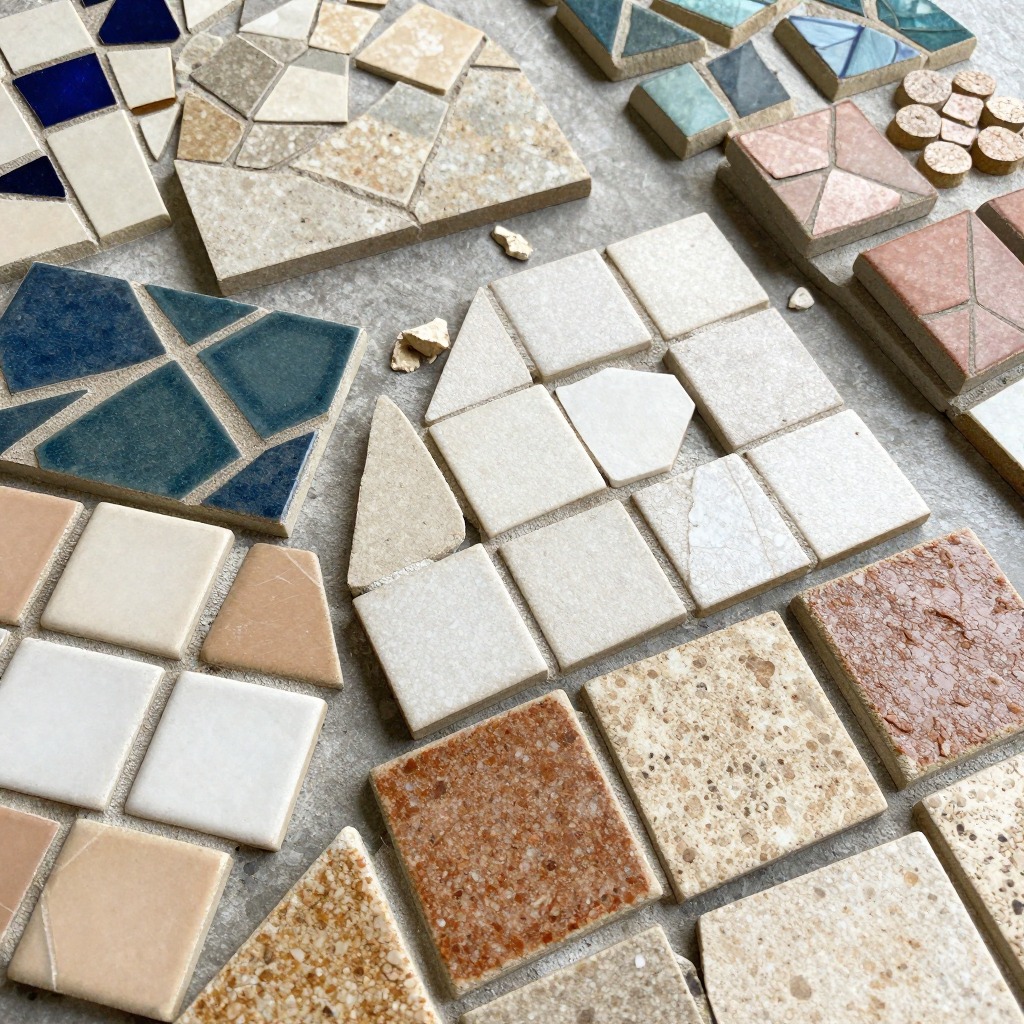
Savings should not apply to the quality of the glue and grout to avoid the tesserae peeling off. However, there are ways to reduce the final amount. The first option is combining materials. Instead of making the entire panel from expensive smalt, you can use it only for accents and execute the background in affordable marble or glass. This creates a contrast of textures and lowers the cost.
The second method is simplifying the design. The fewer fine details and gradients in the composition, the faster the master can complete the work. Geometric abstractions are cheaper than hyper-realistic portraits. Using the Trencadís technique also helps reduce costs, as tile offcuts are used in the work.
The third path is automating the sketching process. Instead of paying for several manual sketches, you can use AI generators. By creating a precise layout in andamento.app, you provide the master with a clear technical specification. This eliminates the risk of rework and saves up to 20% of the budget by reducing design time.
Customer Checklist: What to Clarify Before Payment
To ensure the final custom mosaic price does not increase during the process, fix the details in the contract. Clarify the origin of the materials: smalt from Italy differs in color and durability from cheaper analogues. Ask for tessera samples to ensure the shades match the actual lighting of your room.
An important question is the type of grout. Epoxy grout is more expensive than cement grout, but it is waterproof and does not change color, which is critical for wet areas. Also, clarify whether surface preparation and panel installation are included in the price, as installation is often paid for separately.
Related works in the gallery:
Request a portfolio specifically in the technique you have chosen. A Trencadís master may not be able to handle the subtleties of Byzantine smalt. Clarify the execution deadlines and the availability of a warranty. Remember that high-quality mosaics are created slowly; an excessively low price and a promise to finish a panel in three days are often signals of low-quality materials.
If you want to see how your future mosaic will look, or create the perfect sketch for your master, try the tools at andamento.app.