Byzantine mosaic icons represent a pinnacle of sacred art, serving not merely as decorative elements but as profound expressions of faith and spiritual guidance. Flourishing from the VI to the XV century, these intricate artworks transformed churches and monasteries into shimmering sanctuaries, reflecting the divine light and theological depth of the Byzantine Empire. Their enduring beauty and complex symbolism continue to inspire awe and devotion, making them invaluable treasures of art history and religious heritage.
The Golden Age of Byzantine Mosaic Icons: History and Context (VI-XV Century)
The creation of Byzantine mosaic icons reached its zenith between the VI and XV centuries, a period marked by profound spiritual fervor and artistic innovation. These early masterpieces were often monumental in scale, adorning the walls and domes of grand basilicas and humble chapels alike. One of the earliest and most significant examples can be found in the Hagia Sophia in Constantinople, now Istanbul, with its magnificent mosaics begun in the VI century. These works vividly illustrate biblical narratives and depict revered saints, emperors, and empresses, capturing a glimpse into the spiritual and political landscape of the era.
However, the history of Byzantine mosaic icons is also marked by periods of turmoil, most notably the Iconoclasm (726-843 AD). During this controversial period, many early mosaic icons were systematically destroyed, as the veneration of images was deemed idolatrous by some religious factions. The survival of any mosaic from this tumultuous time is therefore exceptionally rare and precious, offering a direct link to the earliest forms of this sacred art. Key centers of production for these revered icons included Constantinople, the vibrant capital, as well as Ravenna in Italy and Thessaloniki in Greece, each developing distinct regional styles while adhering to the overarching Byzantine aesthetic. To learn more about the significant contributions of one of these cities, explore the rich history of Ravenna mosaics.
Materials and Techniques: Crafting Divine Light
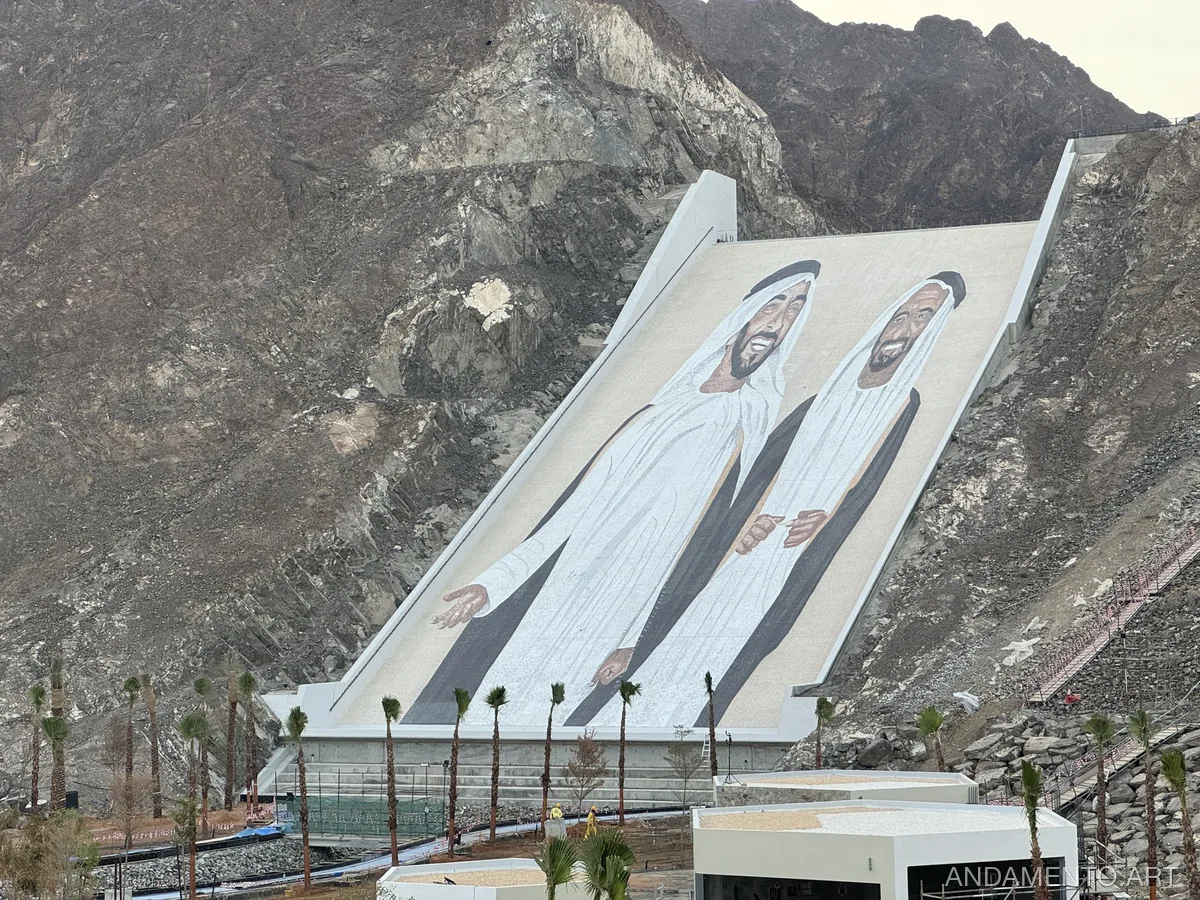
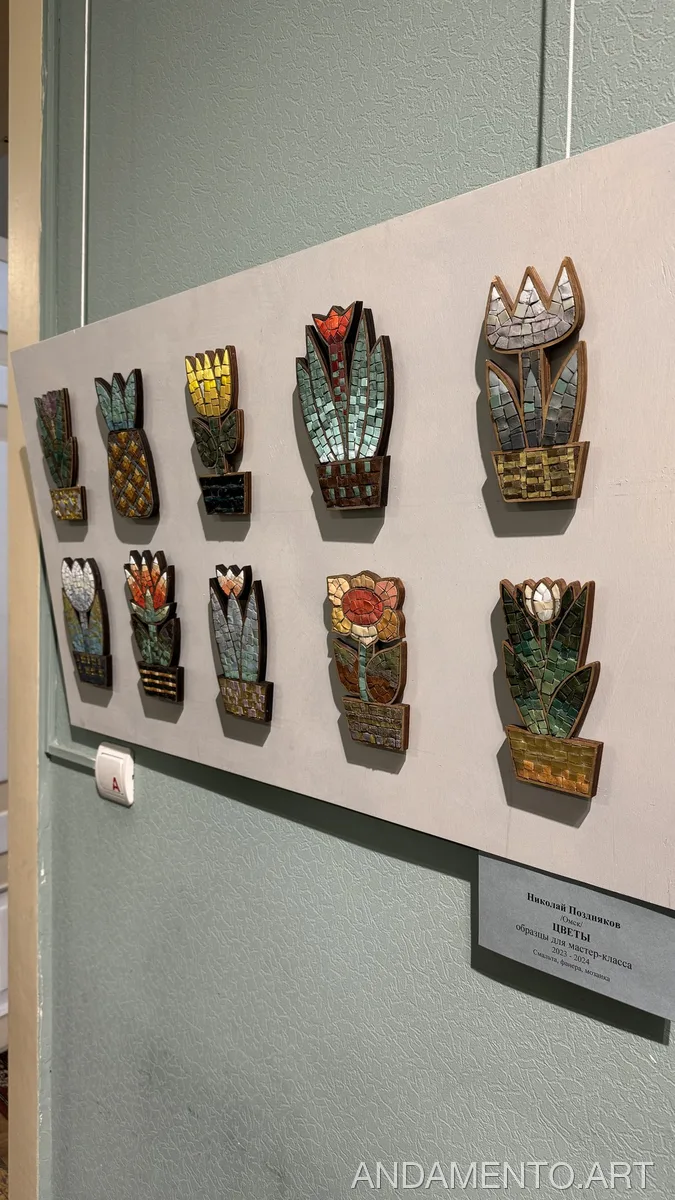
Работы по теме в галерее:
The unparalleled luminosity and spiritual depth of Byzantine mosaic icons owe much to the meticulous techniques and specific materials employed by their anonymous creators. The primary material was smalti – opaque glass tesserae specially formulated with metal oxides to achieve a vast spectrum of colors. What truly set Byzantine mosaics apart was the strategic inclusion of gold and silver smalti. These precious tesserae, often backed with gold or silver leaf, were embedded into the mortar at slight, varying angles. This ingenious method allowed the mosaics to catch and reflect light from different viewpoints, creating a mesmerizing shimmering effect that evoked a sense of divine presence and ethereal glow within the dimly lit interiors of churches.
The artisans, often remaining unnamed due to the theological emphasis on divine inspiration rather than human authorship, demonstrated extraordinary skill in handling these tiny pieces. Their work was not merely about replicating an image but about infusing it with spiritual energy. The precise cutting and careful placement of each tessera contributed to the overall composition, where lines flowed seamlessly, and figures appeared