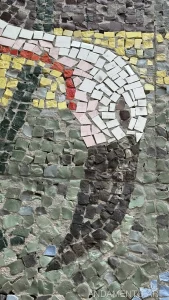
Mosaic tools determine not only the speed of the artist’s work but also the cleanliness of the lines, known in professional circles as “andamento.” The rhythm of the entire composition and the visual harmony of the piece depend on how precisely you can cut smalt or ceramic tiles. Today’s market offers both traditional hand tools and high-tech solutions that allow for working with materials of various densities and thicknesses, ensuring perfect geometry for every individual fragment.
Cutting Tools: Nippers and Their Varieties
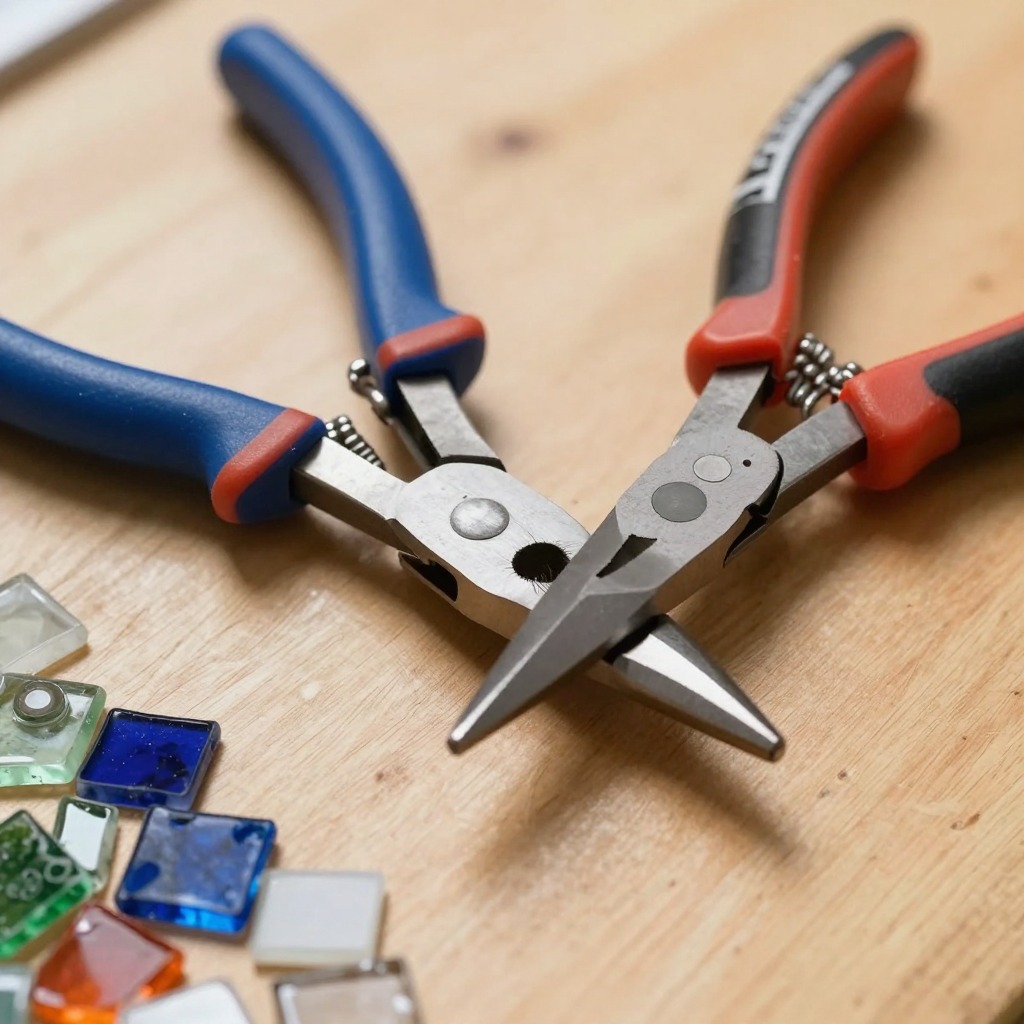
The foundation for any artist is a pair of nippers, although the choice between wheeled and pliers models depends on the material. Wheeled nippers are indispensable when working with stained glass and thin ceramics, as they allow for clean, almost seamless cuts, minimizing the risk of the workpiece cracking. This is critical when creating works in the Opus Tessellatum technique, which requires even, rectangular tesserae. The mechanism of the wheeled tool works on a rolling principle, which reduces internal tension in the glass. Pliers nippers, by contrast, possess greater compression force and are suitable for coarser materials, such as thick tiles or natural stone. Professional models are distinguished by the use of tungsten carbide in the blades, allowing the tool to remain sharp even during the intensive cutting of hard smalt. Budget options made of ordinary steel dull quickly, leading to “chewing” of the material’s edge and unsightly chips. When working with the Trencadís technique, popularized by Antoni Gaudí in Barcelona, both types of tools are often combined to create dynamic, broken forms, allowing for maximum expression in the layout.
Ravenna Traditions: Martellina and Hardge
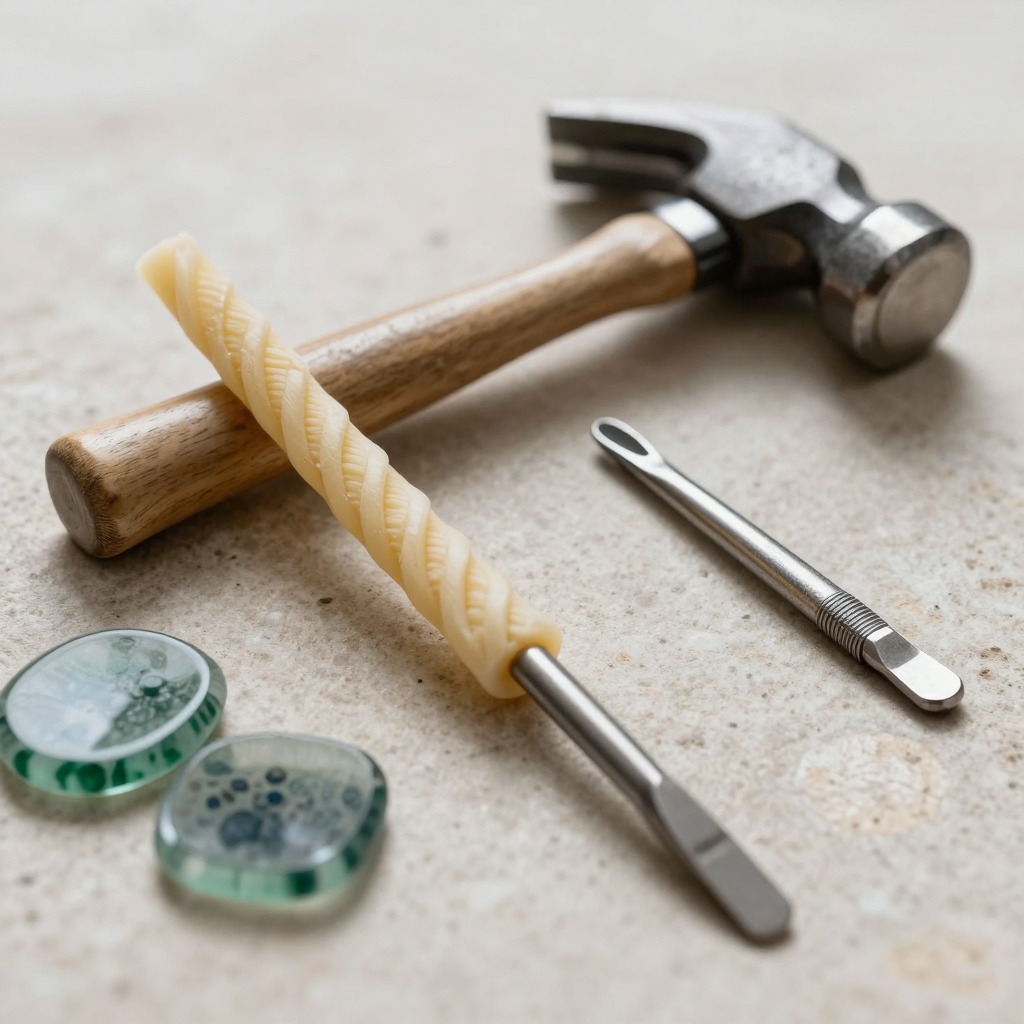
For those striving for an authentic Byzantine or Florentine style, standard nippers are not enough. In Ravenna, the heart of Italian mosaic art, the classic duo is still used: the martellina (a special hammer with a sharp blade) and the hardge (a steel wedge set into a massive wooden base). The process involves the artist placing a piece of smalt on the edge of the hardge and splitting it into the required fragments with a sharp strike of the martellina. This method produces tesserae with a characteristic rough texture and natural fracture, creating a unique play of light that is unattainable with modern nippers. A professional martellina is made of high-carbon steel with perfect weight balancing, which reduces the strain on the wrist when creating large-scale panels exceeding 2-3 square meters. Using this set turns the process into a meditative rhythm, where every strike is calibrated by decades of practice by master mosaicists. It is important to understand that working with a martellina requires a specific skill in controlling the force of the blow to avoid crushing the material into fine dust and instead achieve a clean, controlled break.
Mosaic Tools: Preparation and Installation
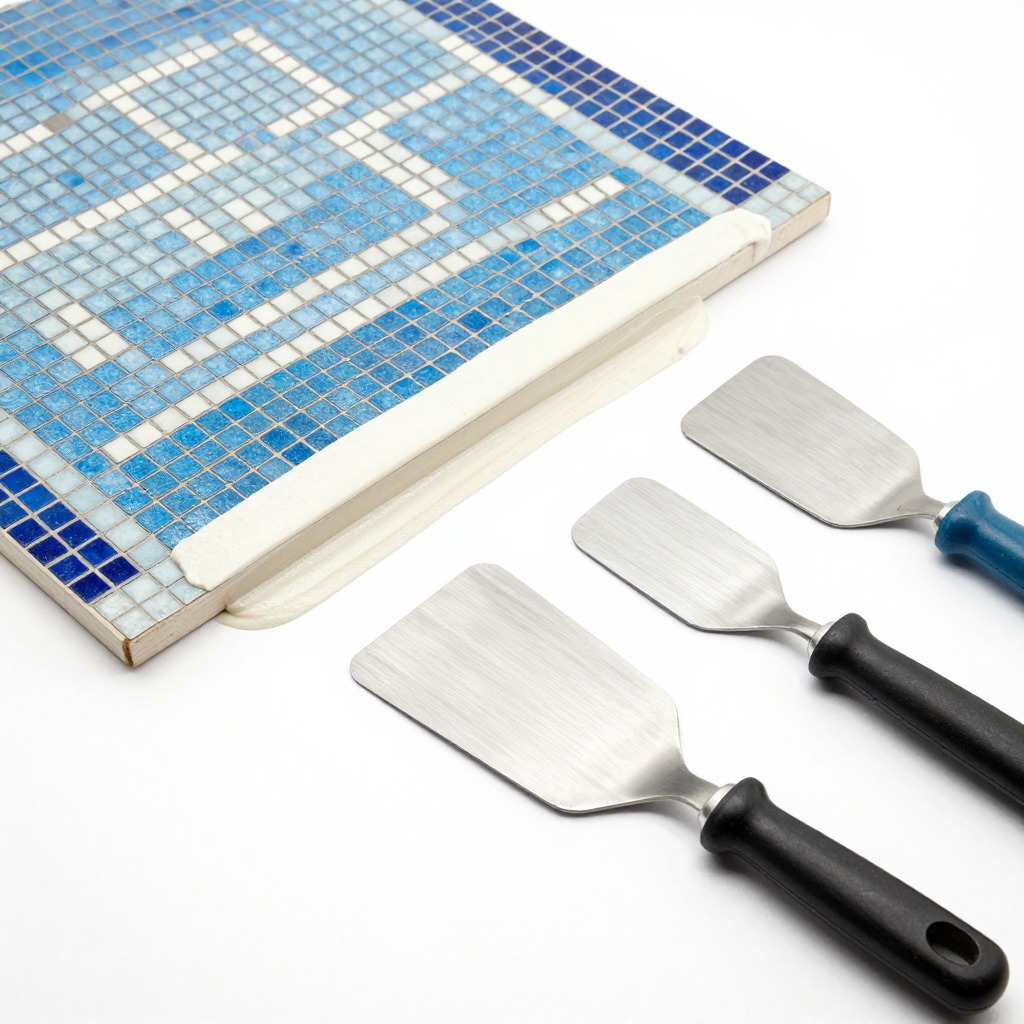
Proper mosaic tools also include an auxiliary arsenal for fixing elements. When using the direct method of laying, steel spatulas with rounded edges are indispensable, as they allow for the even distribution of adhesive (such as modern Mapei or Litokol adhesives) across the surface. For work in the indirect method, where the mosaic is assembled on a temporary base, special boards are used. The optimal board size for a beginner is 50×50 cm, while professionals use modules of 60×60 cm or larger. The board should be made of moisture-resistant plywood at least 15-20 mm thick to avoid deformation under the weight of the smalt and glue. The kit also includes rubber spatulas for grouting the joints, which do not scratch the glass surface and allow the gaps between tesserae to be filled densely. It is important to remember that the quality of the grouting directly depends on how closely the tool fits the surface; therefore, professionals choose spatulas with ergonomic handles made of two-component plastic to prevent blisters during prolonged work. Additionally, an installer’s arsenal includes levels and squares to ensure the perfect geometry of the entire canvas.
Professional vs. Budget Equipment Comparison
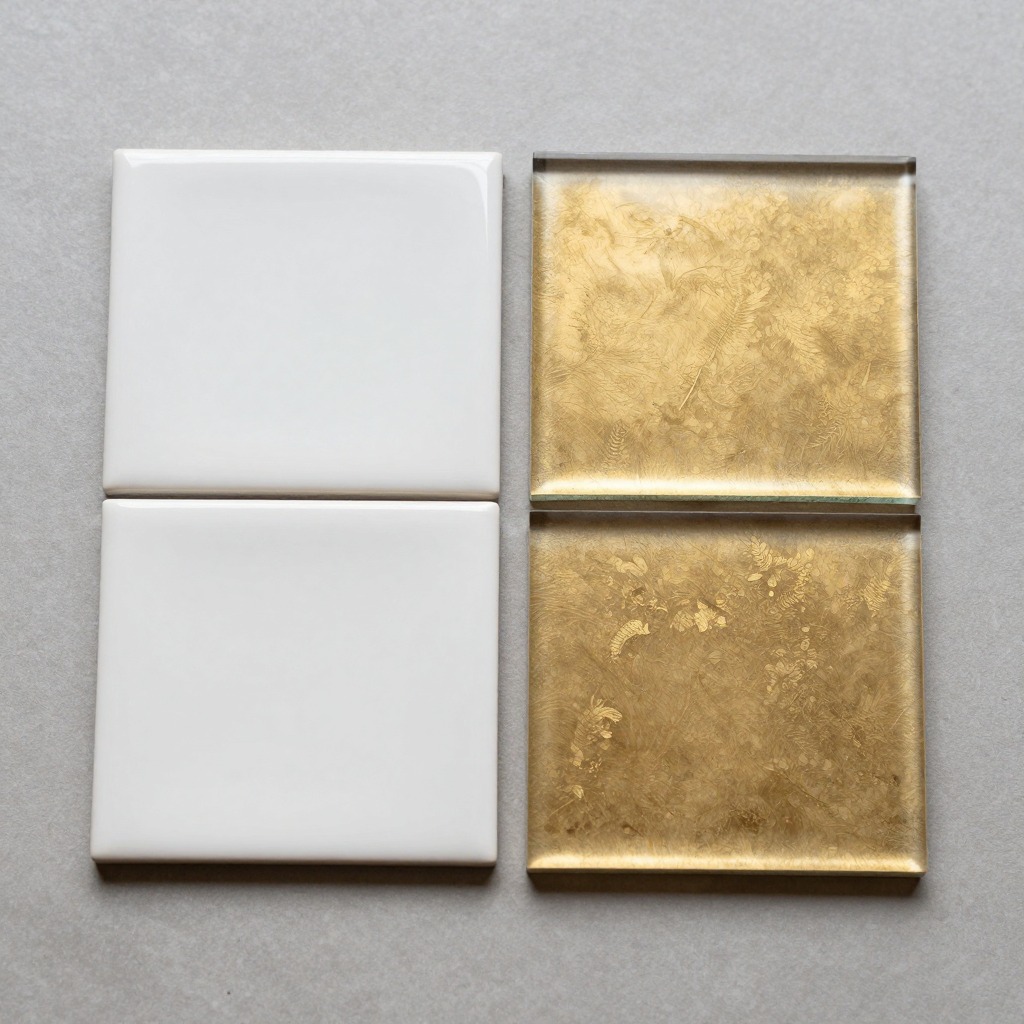
The difference between a budget set from a hardware store and professional tools lies in durability and precision. Cheap nippers often have play in the hinge joint, which leads to the tessera shifting during the cut and damaging the material. Professional tools, such as those from Italian workshops, undergo thermal hardening, which increases the lifespan of the blades by 5-10 times. While a budget tool may begin to “bend” the glass instead of cutting it, a professional tool ensures a clean snap. The cost of high-quality nippers can be 3-4 times higher, but they pay for themselves by eliminating waste in expensive materials, such as gold smalt. Furthermore, the ergonomics of professional tools are designed so that the artist can work for 8-10 hours a day without the risk of developing carpal tunnel syndrome in the wrist. To avoid unnecessary spending on materials during experimentation, one can use the digital planner at andamento.app to calculate the number of tesserae. For a beginner, using mid-range tools is acceptable at the start, but when moving to works larger than 1 meter, switching to professional tools becomes a mandatory requirement for quality.
Starter Kit: What to Buy First
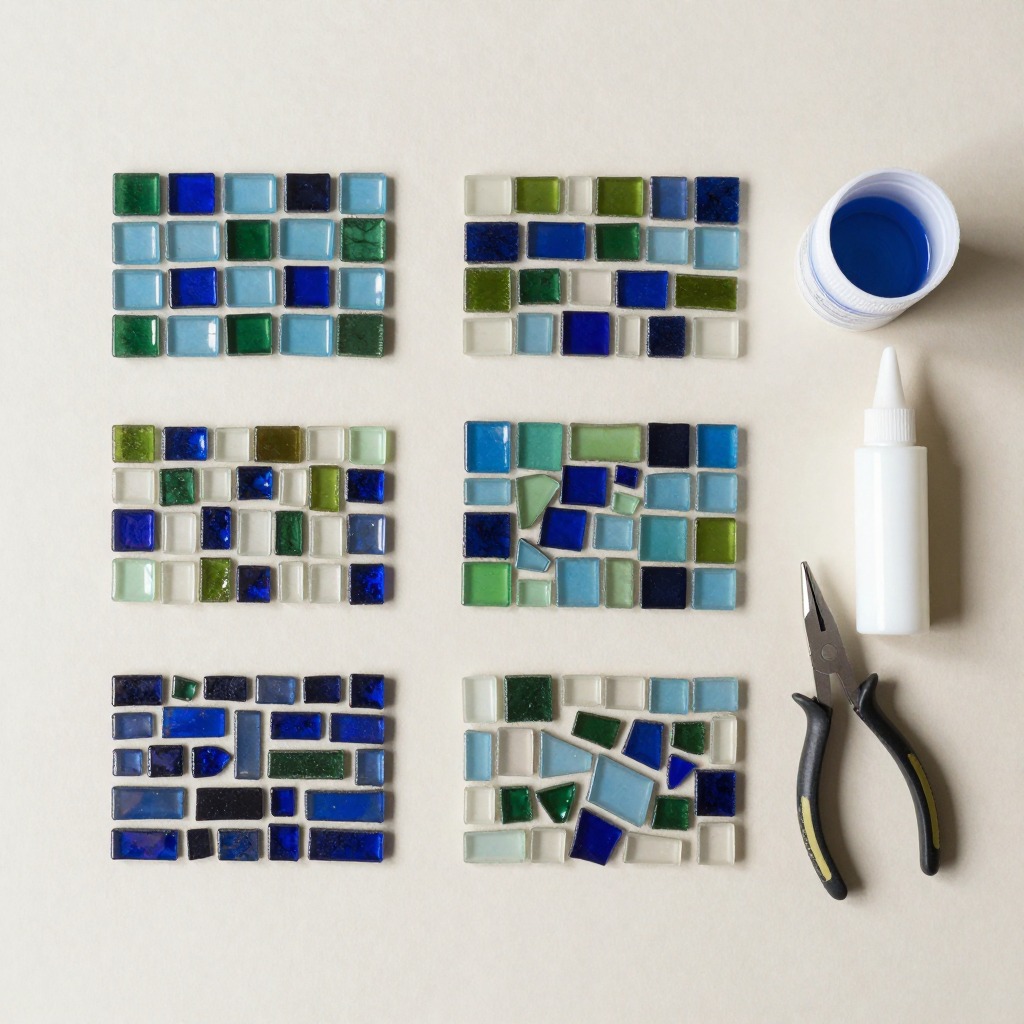
For those just beginning their journey in the art of mosaic, there is no need to buy everything in the store. An optimal starter kit should include: one pair of wheeled nippers for glass, one pair of pliers nippers for ceramics, a small rubber mallet for tapping elements into place, a 50×50 cm plywood board, and safety goggles. Eye protection is a critical point, as when cutting smalt