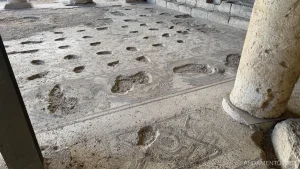
A mosaic kitchen backsplash transforms a utilitarian cooking area into a true work of art, blending practicality with high aesthetics. Unlike solid slabs or panels, small elements allow for the creation of intricate patterns and perfectly accommodate any wall irregularities. It is a long-term investment in the interior that remains timeless for decades and highlights the homeowner’s individuality.
Why is a mosaic kitchen backsplash considered the ideal solution?

Choosing a finishing material for the area between the countertop and upper cabinets always involves finding a balance between beauty and durability. A mosaic backsplash outperforms many alternatives due to its structure: numerous small pieces bonded by grout create a strong yet flexible layer. Unlike large-format porcelain stoneware, mosaics adapt more easily to curved walls or complex architectural features, such as rounded corners or niches. In terms of hygiene, modern glass and ceramic elements have zero water absorption, which is critical in an area constantly exposed to splashes of water, grease, and steam.
Furthermore, mosaic surfaces have a unique ability to play with light. By using smalti or glass with different refractive indices, the backsplash becomes an additional light source, reflecting light from integrated LED strips or pendant lamps. This visually expands the space, even in the smallest kitchens. Resistance to temperature fluctuations allows these panels to be installed in close proximity to the cooktop without fear of cracking—a common issue with cheap plastic or certain types of paint.
Material Selection: From Classic Opus Tessellatum to Modern Trencadís
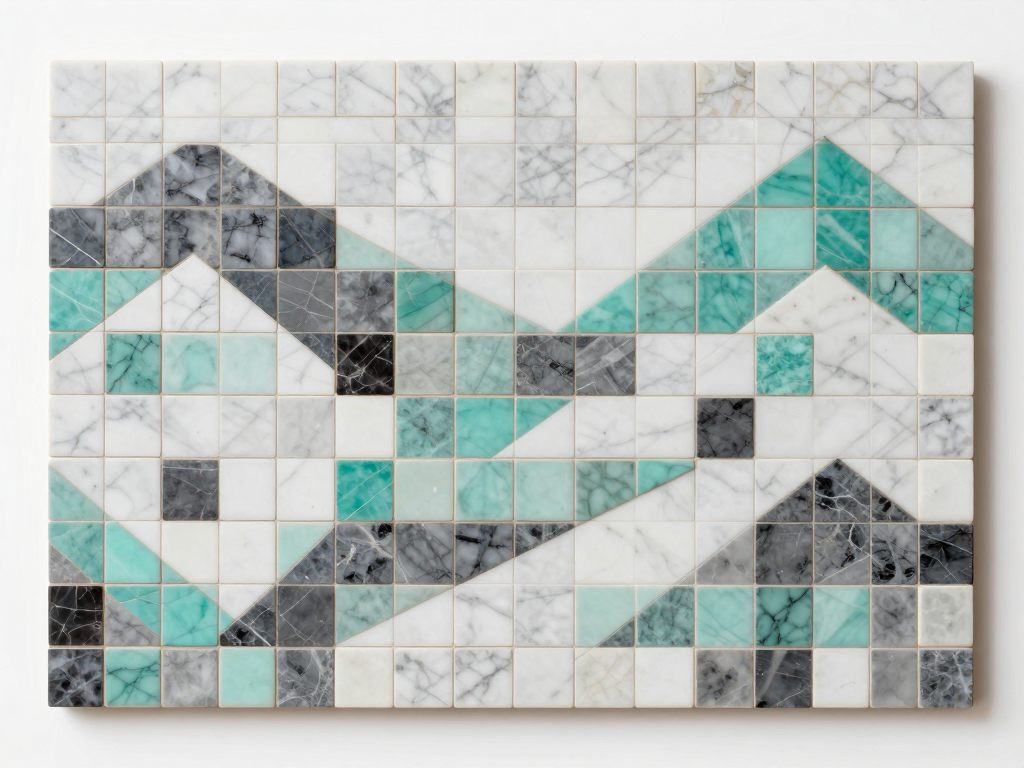
The material determines not only the appearance but also the longevity of the coating. A classic of mosaic art is Opus Tessellatum, a technique using neat square tesserae. For a kitchen, ceramics or natural stone (marble, travertine) are ideal, lending the interior a sense of nobility and monumentality. For those seeking vibrancy, smalti—opaque glass produced for centuries in the workshops of Venice and Murano—is a great choice. Smalti is characterized by deep, rich colors that do not fade under sunlight or dull from household chemicals.
For lovers of the avant-garde and eclecticism, the Trencadís technique, popularized by Antoni Gaudí in Barcelona, is a perfect fit. It involves using shards of ceramic tiles or pottery, creating a dynamic, “broken” pattern. This is an excellent way to create a unique, artisanal backsplash, even by using remnants of expensive tiles. In modern design, Matrix mosaics—modular systems with precise geometry—are also popular and easy to install. The choice between the cool brilliance of glass and the warmth of natural stone depends on the overall kitchen concept: Scandinavian style calls for light pastel tones, while Neoclassicism favors deep shades with gold accents.
Design Ideas: From Byzantine Style to Soviet Modernism
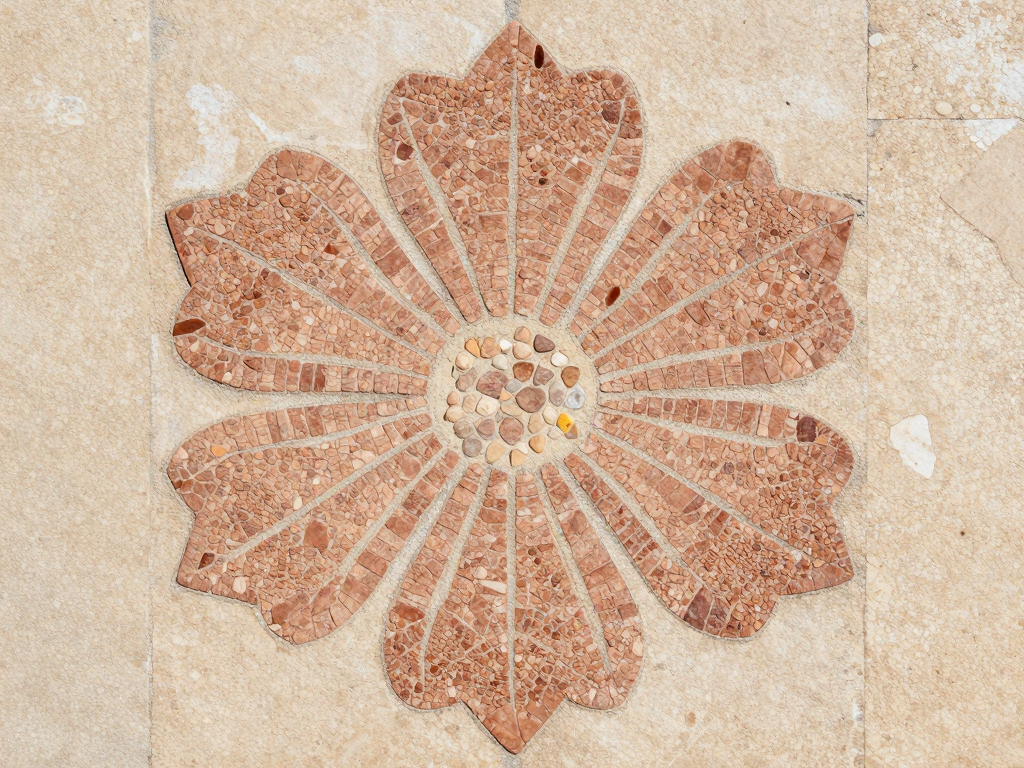
Creating a visual concept for a backsplash begins with choosing an artistic direction. The Byzantine style, with its abundance of gold tesserae and deep blue (lapis lazuli), can transform a kitchen into something akin to a palace. Such works often feature religious or floral ornaments, creating an atmosphere of solemnity. For those pursuing minimalism, the Florentine technique is a great option, emphasizing elegant lines and soft color transitions, fitting perfectly into Provence or Country-style interiors.
An interesting approach is to draw inspiration from the aesthetics of Soviet mosaics of the 1960s and 70s. Monumentalism, the use of large geometric forms, and a limited but contrasting palette (orange, brown, grey) are currently returning to fashion within the retro-futurism style. For those wanting something entirely new, AI-generated patterns offer endless possibilities. Modern algorithms allow for the creation of a unique sketch that is then translated into a real mosaic. One can combine classic Byzantine elements with digital art, creating gradients and fractals that would be impossible to conceive by hand, turning the kitchen backsplash into a true piece of contemporary art.
Technical Process: Step-by-Step Installation of a Mosaic Backsplash
Installing a mosaic requires precision and patience, especially when hand-laying individual elements. The first stage is surface preparation. The wall must be perfectly cleaned of grease and treated with a deep-penetrating primer to ensure adhesion. If the surface has significant irregularities, it must be leveled with plaster. The second stage involves marking the layout or transferring the sketch. If the mosaic comes on mesh sheets, the process is simplified; however, if working with individual tesserae, a special adhesive with a long open time is required.
The third stage is applying the adhesive. A high-elasticity cement-based or epoxy adhesive is recommended. Application is done using a small-tooth notched trowel. Tesserae are pressed into the surface, leaving gaps of 1-3 mm between them. The fourth and most critical stage is grouting. For kitchens, epoxy grout is strongly recommended. Unlike cement grout, it is completely waterproof, does not absorb grease or dyes (such as those from turmeric or beets), and is resistant to mold. After filling the joints, excess grout is removed with a damp sponge before it fully dries. The final touch is treating the joints with a hydrophobizer if a cement mixture was used.
Care and Longevity: How to Maintain the Shine for Decades
Properly installed mosaics can last for decades without losing their original appearance. The main secret to longevity lies in the choice of grout. As mentioned, epoxy grout is virtually eternal; however, when using cement mixtures, it is recommended to renew the protective hydrophobizer layer every 2-3 years. This prevents moisture from penetrating the pores of the material and protects the wall from dampness. For daily care, avoid using products with strong abrasives or acidic components, which can corrode the surface of certain types of natural stone or smalti.
Related works in the gallery:
To clean glass mosaics, a soft microfiber cloth and a simple soap solution or specialized glass cleaners are sufficient. In the case of stone mosaics, it is important to ensure that aggressive substances, such as vinegar or lemon juice, do not dry on the surface, as they can cause chemical burns to the stone and leave matte spots. Regular wiping after each cooking session prevents the buildup of a grease layer, which can dull the brightness of the colors over time. Due to the high density of the materials, quality mosaics are resistant to fading, making them one of the most practical solutions for the kitchen space.
If you want to create a unique design for your backsplash, inspired by great techniques or modern AI trends, try the tools at andamento.app to visualize your ideas.