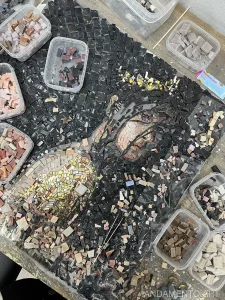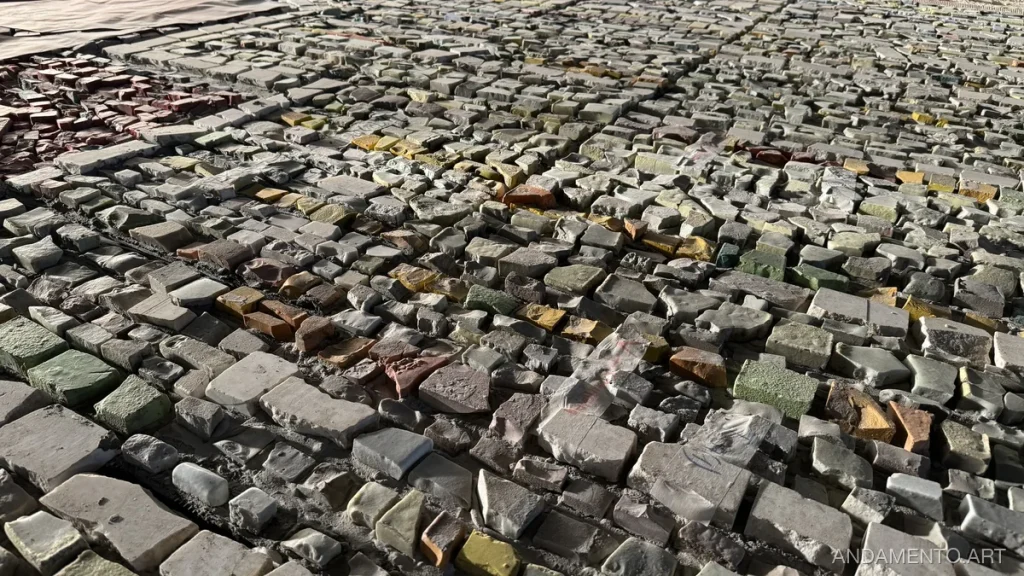
The beauty of mosaic art lies not only in the chosen materials and colors but profoundly in the way individual pieces, known as tesserae, are arranged. This arrangement, or andamento, is the visual rhythm and flow created by the direction and placement of each tessera. Understanding different andamento mosaic styles is key to appreciating the intricate textures, dynamic movements, and compelling depth that define masterpieces from ancient Rome to contemporary studios. Andamento dictates how light plays on the surface, how forms are rendered, and ultimately, how a mosaic tells its story.
What is Andamento in Mosaic Art?
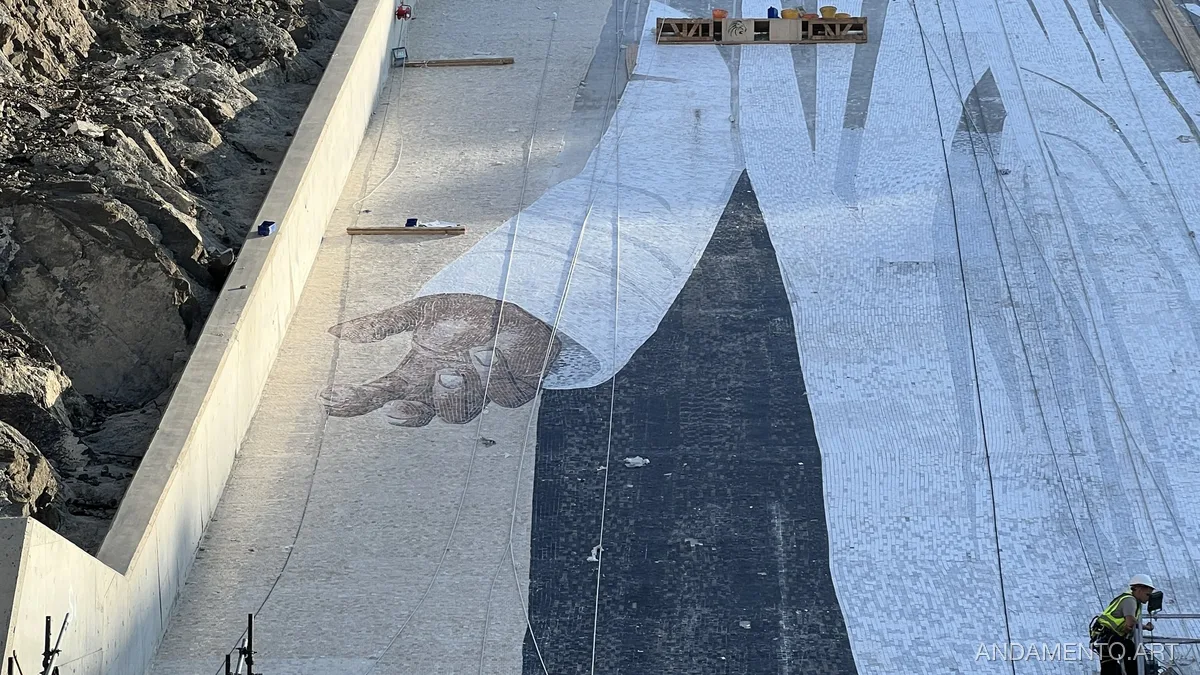
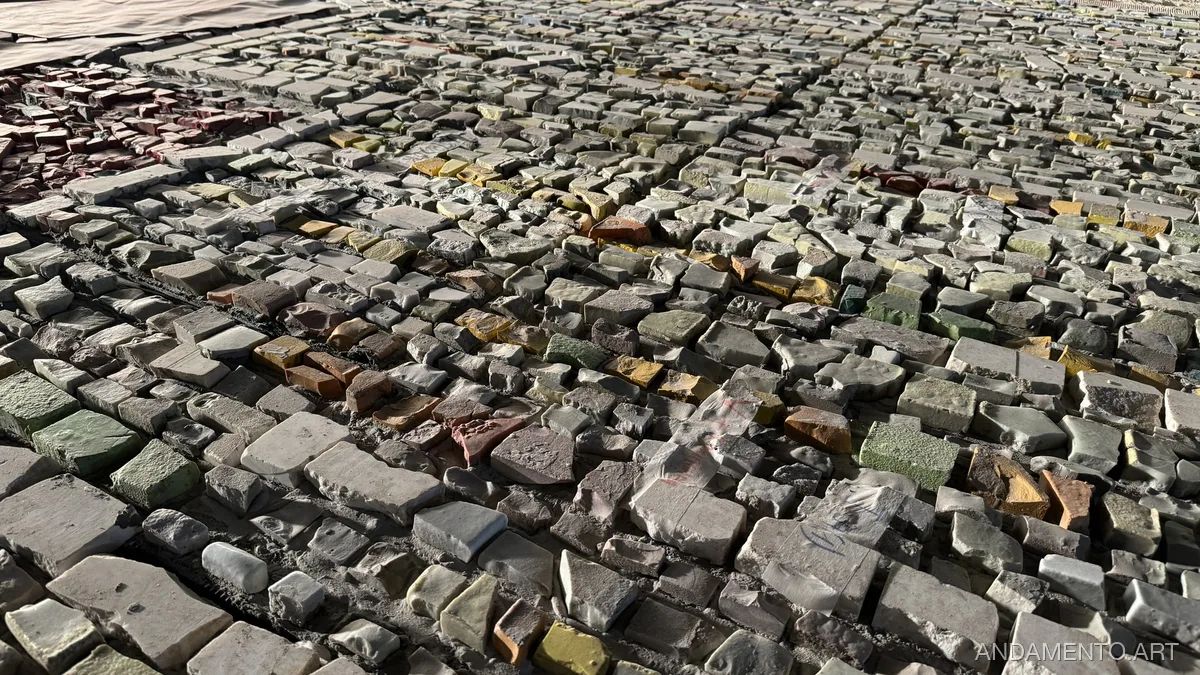
Andamento, derived from the Italian word for “movement” or “flow,” is the fundamental principle guiding the placement of tesserae in a mosaic. It refers to the direction in which the mosaic pieces are laid, often following the contours of a design, creating backgrounds, or emphasizing certain elements. The choice of andamento profoundly impacts the visual effect, transforming a flat surface into a vibrant, textured artwork. A master mosaicist carefully plans the andamento to achieve specific artistic goals, whether it’s the serene symmetry of a Roman floor or the dynamic energy of a modern abstract piece. ArtWorker’s unique MELTI technique, for instance, often utilizes fluid, organic andamento to enhance the expressive nature of its unique smalti colors.
The Foundations: Opus Tessellatum and Opus Regulatum
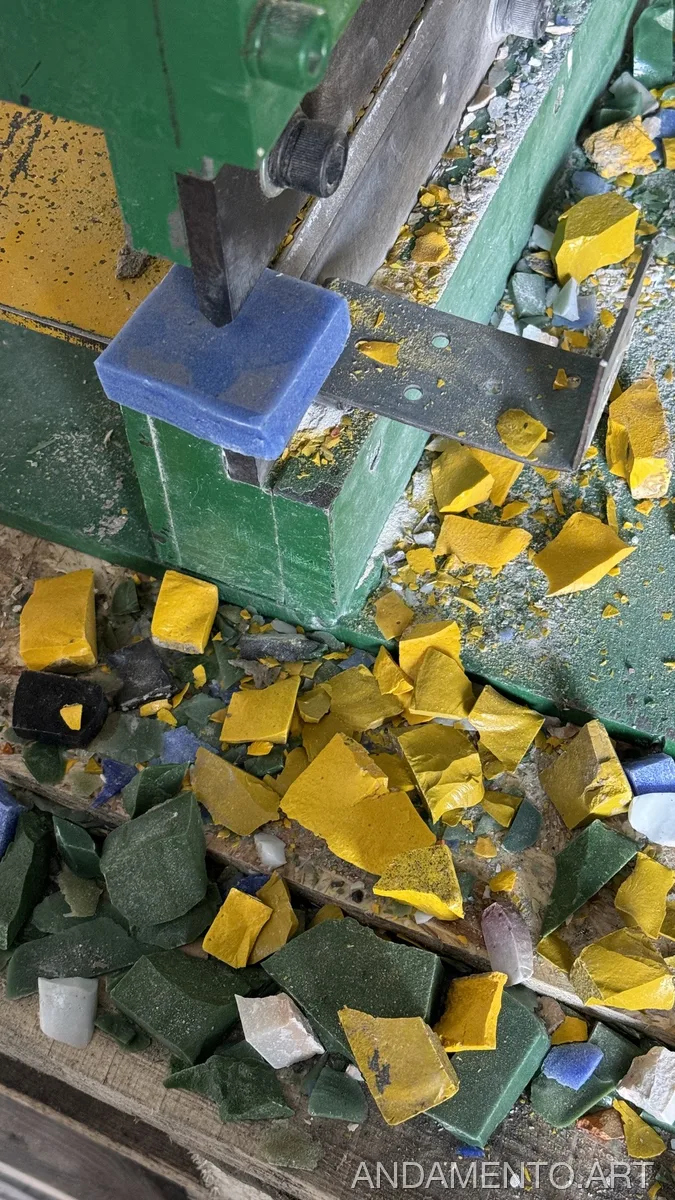
Among the earliest and most recognizable andamento mosaic styles is Opus Tessellatum. This classical Roman style is characterized by the systematic laying of square or rectangular tesserae in horizontal or vertical rows. These uniform rows create a neat, orderly appearance, making it ideal for large backgrounds, floors, and geometric patterns. Opus Tessellatum is relatively quick and economical to execute, providing a robust and durable surface.
While Opus Tessellatum refers to the general use of regularly cut tesserae, a related concept is Opus Regulatum, where tesserae are laid in strict, unbroken lines, often for backgrounds or expansive fields. This method provides a sense of stability and calm, allowing more intricate central designs to stand out.
Historical examples of Opus Tessellatum can be found in countless Roman villas and public baths, where it formed the bedrock of intricate floor designs. These mosaics often depict mythological scenes, daily life, or abstract patterns, all rendered with the clean lines and solid forms characteristic of this foundational andamento.
Achieving Detail: Opus Vermiculatum and Opus Pictum
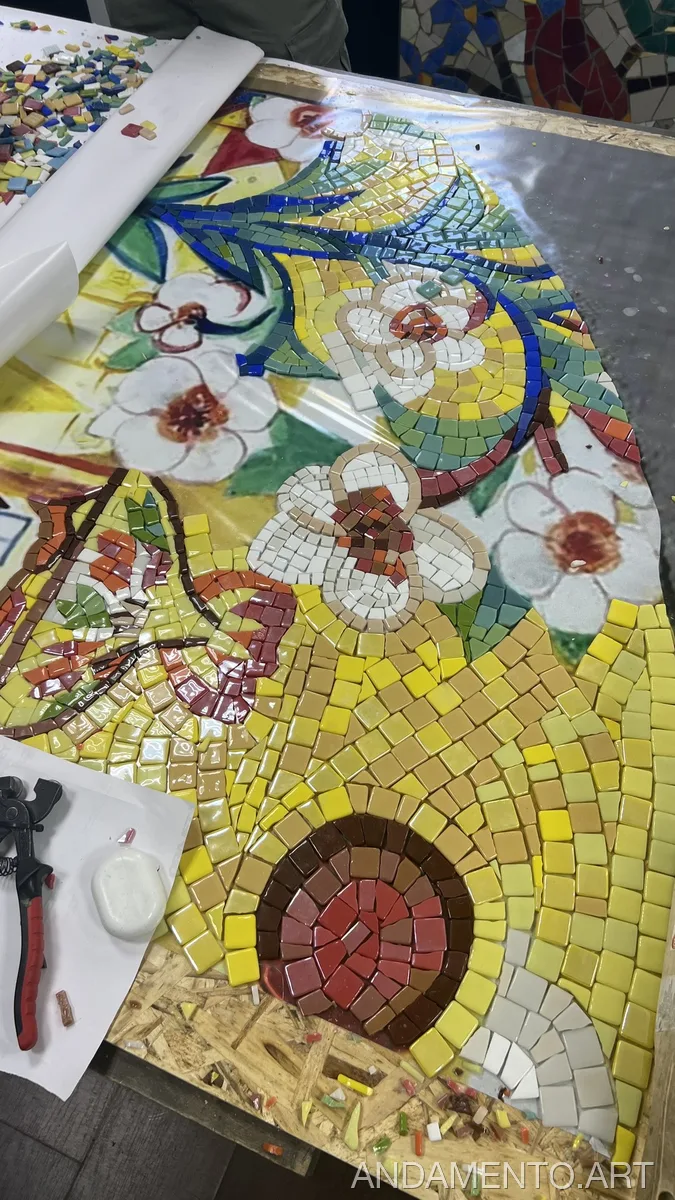
For artists seeking greater detail and a more painterly effect, Opus Vermiculatum offers a sophisticated alternative. In this style, tesserae are laid in undulating lines that closely follow the contours and forms of the depicted objects. The term “vermiculatum” comes from the Latin for “worm-like,” aptly describing the curvilinear flow of the tesserae. This technique allows for fine gradations of color and intricate details, making it perfect for portraits, figures, and complex ornamental elements.
Opus Pictum, another advanced technique, further pushes the boundaries of mosaic as painting. Utilizing exceptionally small tesserae, Opus Pictum aims to mimic the smooth color transitions and subtle nuances of painted artwork. This style demands immense skill and patience, as each tiny piece contributes to a seamless visual effect. Both Opus Vermiculatum and Opus Pictum were frequently employed in the central emblems of Roman mosaics, where the highest level of artistic expression was desired.
Beyond the Grid: Opus Sectile and Byzantine Brilliance
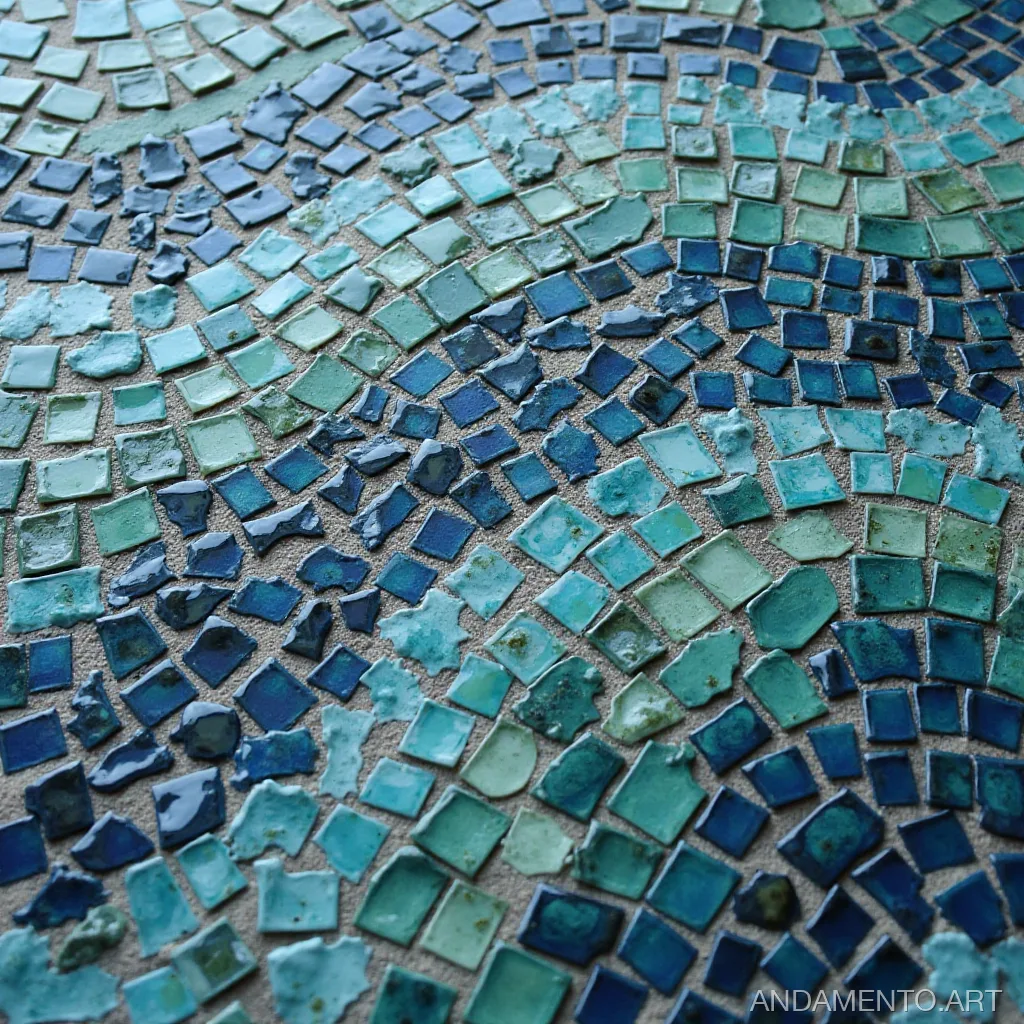
Moving beyond small tesserae, Opus Sectile introduces a dramatically different approach to mosaic construction. Instead of numerous small pieces, this technique employs larger, custom-cut pieces of marble or other stones, fitted together to form geometric patterns or figurative designs. The effect is akin to a stone inlay or a stained-glass window made from solid material, where the natural veining and color of the stone become integral to the artwork. This Florentine tradition, often utilizing precious and semi-precious stones, results in opulent and highly polished surfaces, commonly seen in grand floor panels and decorative wall inlays.
Byzantine mosaics, renowned for their spiritual intensity and radiant beauty, developed their own distinct andamento mosaic styles. Characterized by rich gold or silver backgrounds, Byzantine tesserae were often laid at slight angles. This subtle angling of the pieces catches and reflects light in various directions, creating a shimmering, ethereal effect that symbolizes divine light. This technique, coupled with the use of smaller tesserae for detailed religious figures, lends Byzantine mosaics their profound sense of depth and spiritual presence. Notable examples can be found in the churches of Ravenna, Italy, where golden mosaics illuminate vast domes and walls.
The Art of Movement, Texture, and Depth
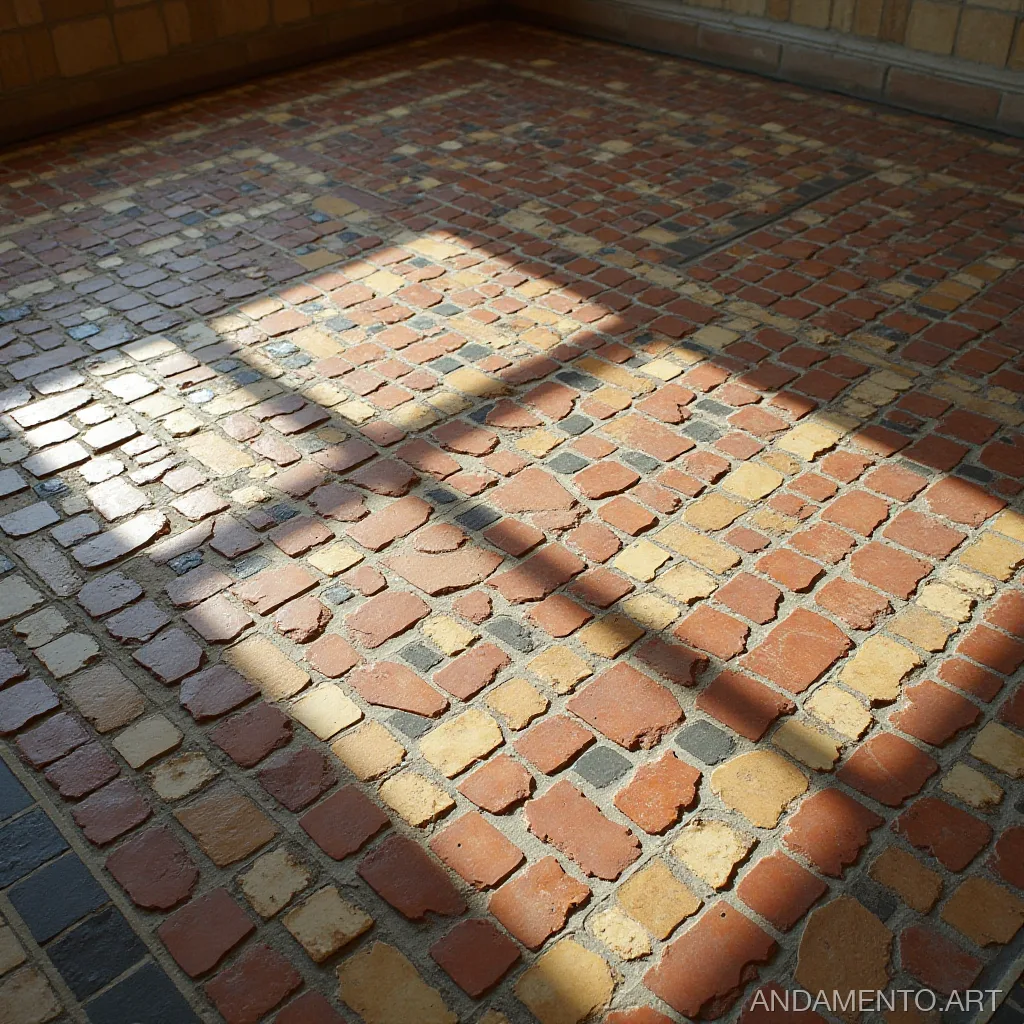
The choice of andamento is not merely a technical decision; it is a profound artistic statement that imparts specific qualities to the mosaic. By manipulating the direction of tesserae, artists can achieve:
- Movement: Curvilinear andamento, as seen in Opus Vermiculatum, guides the viewer’s eye along the forms, creating a dynamic sense of motion. Straight lines, on the other hand, provide stability.
- Texture: The slight variations in the surface level created by different tesserae directions contribute to a tactile quality, making the mosaic engaging even before considering its visual content.
- Depth: Strategic changes in andamento can create illusions of recession or protrusion, adding a three-dimensional quality to the artwork. Angled tesserae, like those in Byzantine mosaics, enhance this effect by playing with light and shadow.
- Emphasis: By altering the andamento around a central figure or object, artists can draw attention to it, making it stand out from the background.
These principles are applied across all materials, from shimmering smalti to earthy natural stone. Understanding how to create these effects is a core skill taught in online mosaic courses and workshops.
Modern Interpretations and ArtWorker’s Approach
Contemporary mosaic artists continue to explore and innovate within the tradition of andamento. While respecting historical techniques, modern mosaicists often blend different andamento mosaic styles or invent new ones to achieve unique artistic expressions. Abstract mosaics, for example, might use varied tessera directions to create complex patterns and visual rhythms without relying on figurative representation.
At ArtWorker, we embrace this spirit of innovation. Our proprietary MELTI smalti, with its unique experimental hues, inspires artists to create contemporary pieces where the andamento is often fluid and organic, enhancing the molten, vibrant quality of the material. Furthermore, tools like andamento.app empower both beginners and experienced artists to experiment with different tessera directions and styles digitally. Users can upload photos and explore how various andamento techniques, including classical and modern AI interpretations, transform their images into mosaic sketches, complete with material calculations for easy purchase from artworker.shop.
Работы по теме в галерее:
Mastering andamento mosaic styles is a journey into the heart of mosaic art. From the structured elegance of Opus Tessellatum to the vibrant flow of Opus Vermiculatum and the spiritual glow of Byzantine works, the direction of each tessera is a deliberate choice that shapes the final masterpiece. Whether you are a seasoned artist or a curious beginner, exploring these techniques will deepen your appreciation for mosaic’s enduring power and versatility. Dive into the world of tessera direction and unlock new dimensions in your mosaic creations.
Want to see how your ideas can come to life with different mosaic styles? Upload a photo or describe your concept – andamento.app will generate a mosaic sketch with precise material calculations in minutes, guiding you through the artistic possibilities.