The mosaic art business is a vibrant and evolving sector, blending ancient craftsmanship with modern economic realities. This industry, valued at millions of dollars globally, encompasses everything from intricate private commissions to expansive public art installations. Understanding its economic landscape, market trends, and pricing strategies is crucial for both artists and collectors navigating this unique niche.
In recent years, the demand for mosaic art has seen a significant surge, particularly in luxury real estate and public spaces seeking unique and durable aesthetic solutions. This renewed interest highlights mosaic art not just as a decorative element, but as a robust commercial product and a viable investment. This article delves into the various facets of the mosaic art economy, examining the factors that influence its value, the business models employed by artists, and the challenges and opportunities present in today’s dynamic market.
The Evolving Mosaic Art Market: Growth and Demand
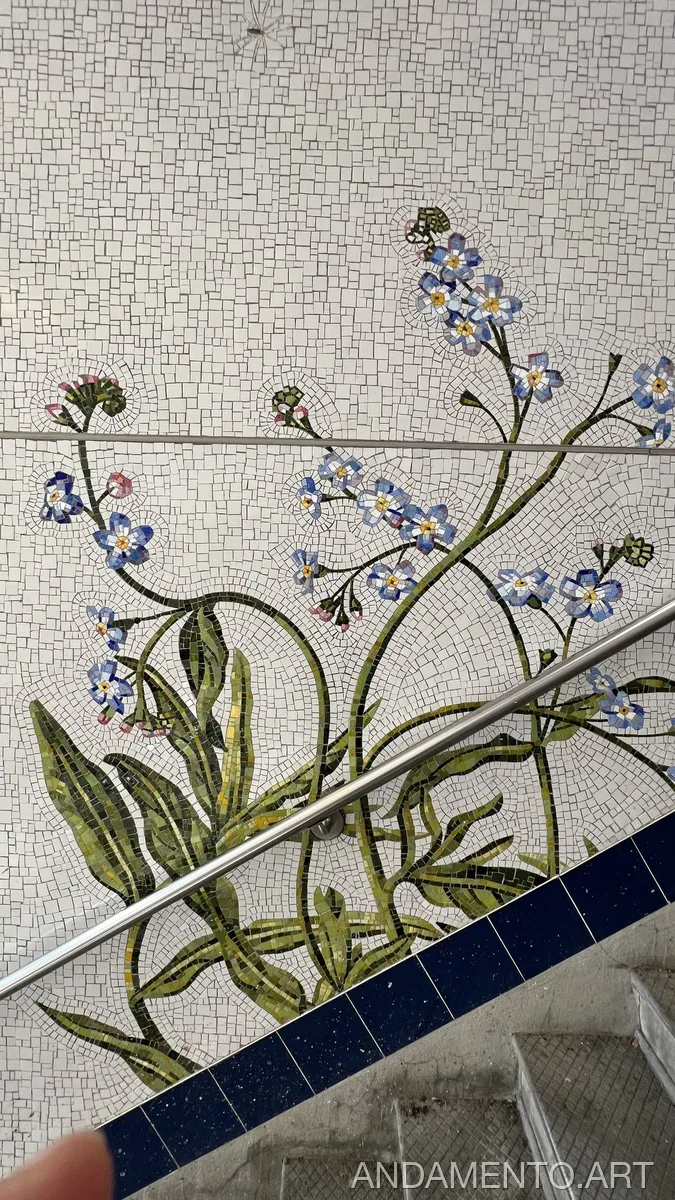
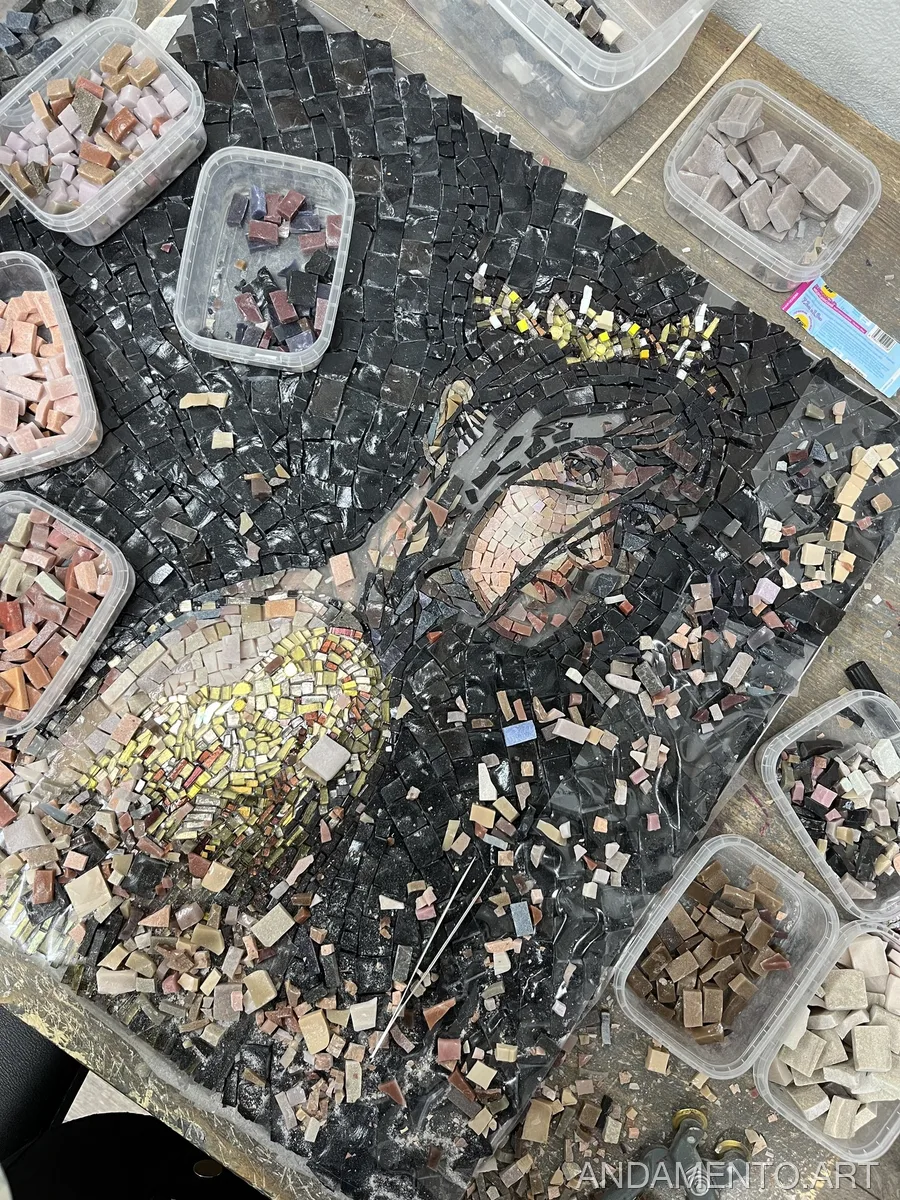
The mosaic art market is characterized by a growing appreciation for handcrafted, durable, and visually stunning artwork. While rooted in ancient traditions dating back to the 3rd millennium BC, contemporary mosaic art has successfully adapted to modern tastes and demands. This growth is fueled by several factors, including a desire for bespoke decorative elements in interior and exterior design, and the increasing recognition of mosaic art as a long-term investment asset. The market thrives on both individual commissions and large-scale commercial installations, with projects spanning residential homes, corporate offices, and public infrastructure like metro stations and squares.
A key trend in 2024-2025 is the increasing interest in mosaic art for architectural projects, aimed at creating unique and enduring spaces. This is supported by international exhibitions and biennials dedicated to contemporary art, where mosaic artists showcase their innovative works. The global reach of artists has expanded significantly thanks to online platforms and social media, allowing them to connect with a worldwide audience and facilitate sales.
The ArtWorker project workshop, for instance, has completed over 500 projects, including monumental works like the Hatta Dam in the UAE, demonstrating the scale and impact of modern mosaic commissions. Such projects underscore the robust demand for high-quality, custom mosaic solutions in diverse environments.
Pricing Strategies and Value Factors in Mosaic Art
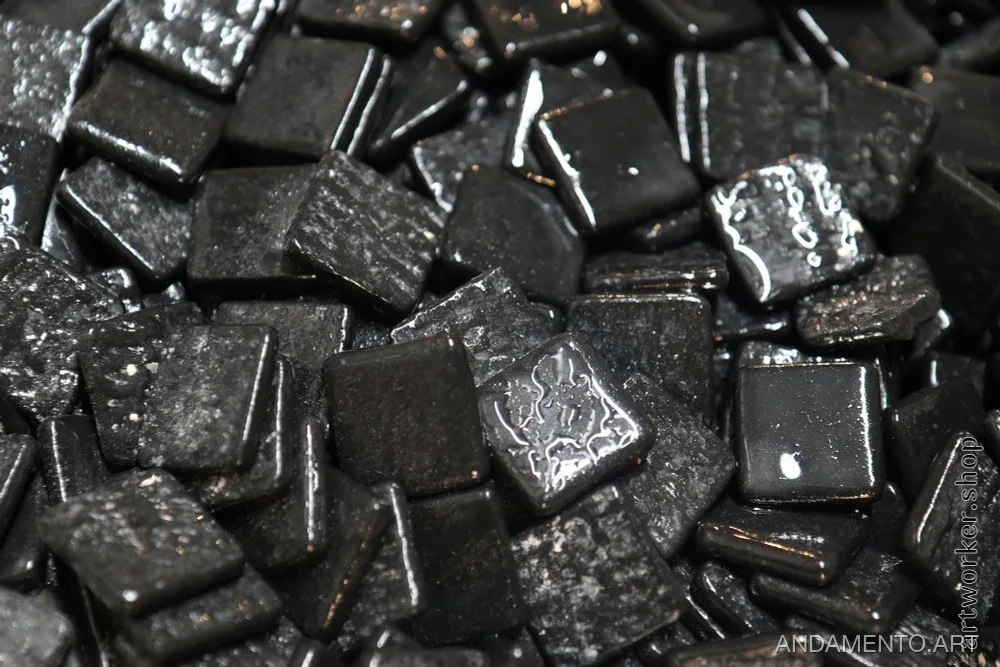
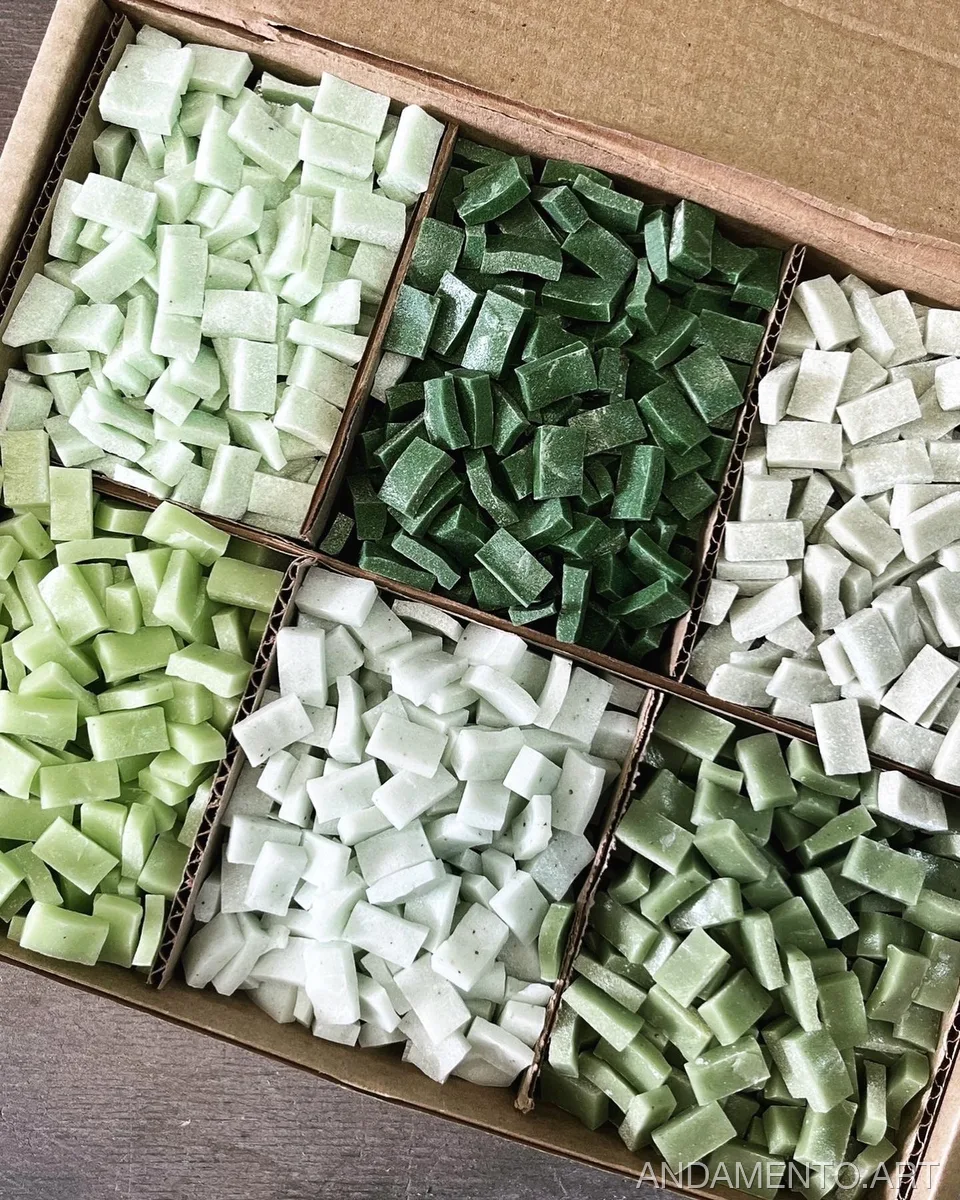
The cost of mosaic artworks can vary dramatically, ranging from hundreds to tens of thousands of dollars. This wide spectrum is influenced by several critical factors that determine the final value of a piece. Understanding these elements is essential for both artists setting their prices and clients evaluating potential investments.
- Size and Complexity: Larger and more intricate designs naturally require more materials, time, and skill, leading to higher costs. Highly detailed imagery, especially those using techniques like Opus Vermiculatum for fine lines or micromosaic for painting-like detail, commands a premium.
- Materials Used: The choice of materials significantly impacts pricing. Traditional materials like high-quality smalti (opaque glass), natural stone such as marble, granite, or travertine, and even gold or silver smalti, are typically more expensive than standard glass tiles or ceramics. ArtWorker offers a wide range of materials, including its unique MELTI smalti palette, which can influence the artistic outcome and cost. The trend of using recycled materials also affects pricing and appeals to eco-conscious clients.
- Artist’s Reputation and Experience: Established artists with a strong portfolio and recognized reputation can command higher prices. Their unique artistic vision, technical mastery, and track record of successful projects contribute to the perceived value of their work.
- Time and Labor: Mosaic art is inherently labor-intensive. The hundreds or thousands of hours required for cutting, shaping, and setting individual tesserae are a major component of the cost.
- Installation and Logistics: For large-scale or architectural mosaics, installation costs, transportation, and site preparation are additional considerations.
Clients seeking a detailed breakdown of costs for custom projects can explore resources like Custom Mosaic Cost: What Influences the Price?, which provides insights into these pricing factors.
Business Models for Mosaic Artists and Studios
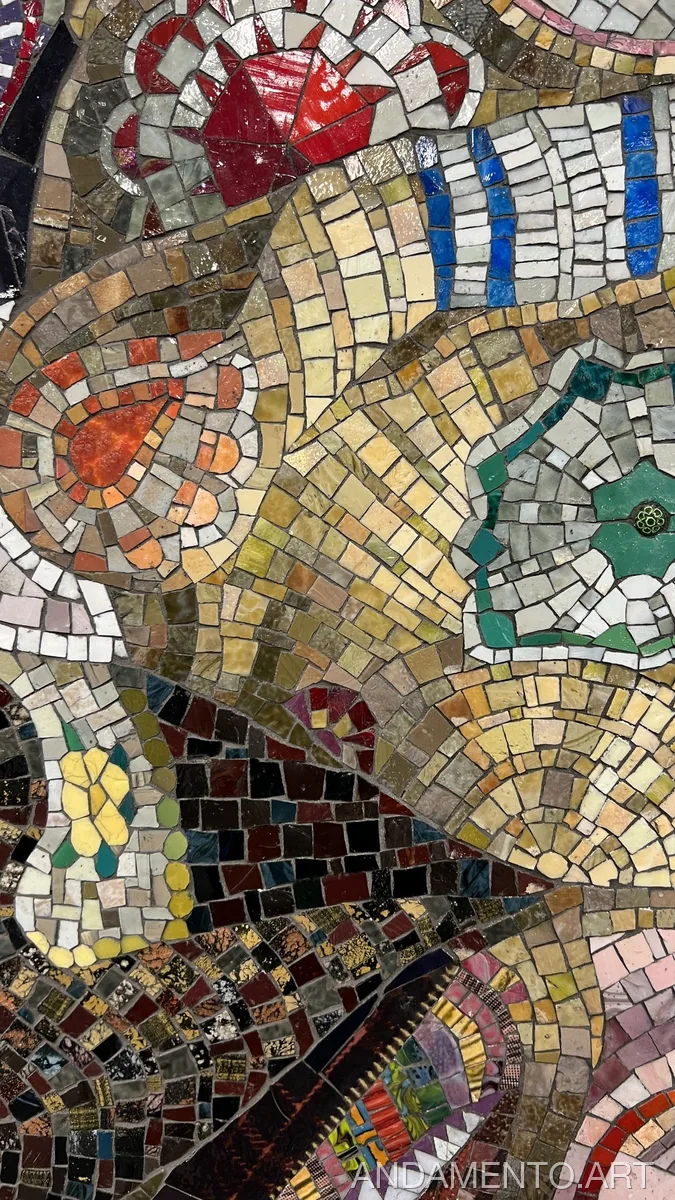
Mosaic artists and studios employ diverse business models to thrive in the contemporary market. These models often combine direct sales, commissions, educational offerings, and even product development.
- Private Commissions: This is a cornerstone of many mosaic art businesses. Artists work directly with clients to create bespoke pieces, such as custom mosaic portraits, decorative panels, or unique installations for homes and businesses. The ArtWorker workshop specializes in such projects, offering everything from artistic panels to facades and mosaic icons.
- Public Art Projects: Engaging in large-scale public art commissions for cityscapes, metro stations, or corporate buildings offers significant visibility and revenue. These projects often involve collaborations with architects and urban planners. ArtWorker’s experience with projects like the “Atom” Pavilion at VDNKh demonstrates expertise in this area.
- Online Sales and Marketplaces: The rise of online galleries and marketplaces has provided artists with unprecedented global reach. Platforms dedicated to art, as well as social media channels, have become vital for showcasing work, attracting clients, and facilitating sales. This allows artists to bypass traditional gallery representation if desired, or to complement it.
- Educational Programs: Many studios, like ArtWorker’s Mosaic School, offer master classes and courses for beginners and advanced students. This not only generates additional income but also cultivates a new generation of mosaic enthusiasts and artists, expanding the market. These can be in-person or online mosaic courses.
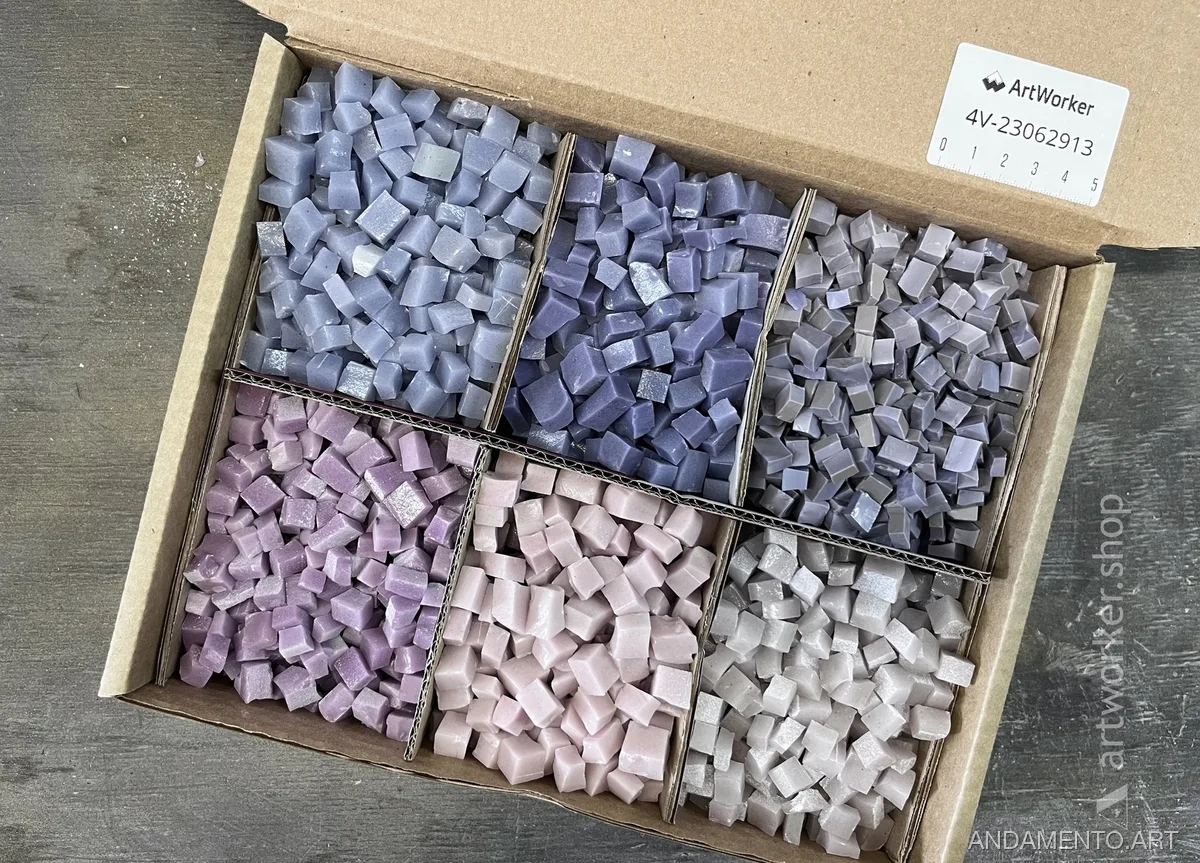
- Material Sales and Tools: Some businesses integrate the sale of mosaic materials and tools into their model. ArtWorker’s online store provides a comprehensive range of smalti, natural stone, glass tiles, and essential mosaic tools, catering to both hobbyists and professionals. This creates a full ecosystem for mosaic creation.
- Digital Tools and Services: The development of digital technologies, such as andamento.app, allows artists to create sketches, calculate materials, and even visualize designs before execution. This innovation streamline the design process and offers new revenue streams through subscriptions or premium features.
Demand for Custom Mosaics and Commercial Installations
The demand for custom mosaics is a significant driver of the mosaic art business. Clients increasingly seek personalized artworks that reflect their unique tastes and enhance specific spaces. This trend is particularly strong in high-end residential design, where mosaic installations can transform bathrooms, kitchens, and living areas into bespoke works of art. Services like custom mosaic commissions cater directly to this desire for individuality and luxury.
Commercial installations also represent a substantial segment of the market. Businesses, hotels, and public institutions commission mosaics for their unique aesthetic appeal, durability, and ability to convey brand identity or cultural narratives. Monumental mosaics, such as those found in metro stations or on building facades, serve as powerful public statements and enduring artistic legacies. The process often involves close collaboration between artists, architects, and clients to ensure the mosaic perfectly integrates with the architectural vision. For large-scale projects, materials like smalti and natural stone are preferred for their resilience and longevity, making them ideal for building facade mosaics and pool mosaics.
Online Platforms and Global Reach for Mosaic Artists
The digital revolution has profoundly impacted the mosaic art business, transforming how artists connect with clients and sell their work. Online platforms and social media channels have emerged as indispensable tools for reaching a global audience, democratizing access to the art market.
- Online Galleries and Marketplaces: The proliferation of online galleries and specialized art marketplaces has made it easier for artists to showcase their portfolios without the need for physical gallery representation. These platforms provide a direct sales channel, reducing overheads and allowing artists to retain a larger share of the revenue.
- Social Media Marketing: Instagram, Pinterest, and other visual platforms are crucial for mosaic artists. They allow artists to share their creative process, finished pieces, and behind-the-scenes glimpses, building a community of followers and potential clients. The visual nature of mosaic art makes it particularly well-suited for social media promotion.
- Digital Design Tools: Applications like andamento.app enhance the online experience by allowing users to generate mosaic sketches from photos or text descriptions. This not only aids artists in their design process but also engages potential clients by letting them visualize custom mosaic concepts, complete with material calculations and direct links to the ArtWorker shop for purchasing smalti and other supplies.
These digital tools and platforms empower artists to manage their brand, market their work, and engage with a global clientele, significantly expanding the economic potential of the mosaic art business.
Challenges and Opportunities in the Contemporary Market
While the mosaic art business is thriving, artists and studios face both challenges and exciting opportunities in the contemporary market.
Challenges:
- Competition: The growing popularity of mosaic art means increased competition, requiring artists to constantly innovate and differentiate their work.
- Material Costs: High-quality materials, especially specialized smalti or rare natural stones, can be expensive, impacting project profitability.
- Perceived Value: Educating clients about the true value of handcrafted mosaic art, considering the skill, time, and durability involved, remains a challenge.
Opportunities:
- Technological Integration: The development of new techniques and materials, including the use of digital technologies for design and complex pattern creation, opens new creative avenues. AI tools, as explored in AI & Mosaics: How Neural Networks Transform Ancient Art, are transforming the planning and execution of mosaic projects.
- Sustainability: The use of recycled and upcycled materials appeals to environmentally conscious consumers, creating a niche for sustainable mosaic art.
- Investment Potential: With increased awareness of mosaic art as an investment asset, especially among collectors of contemporary art, there is an opportunity to attract a new segment of buyers.
- Educational Outreach: Offering master classes and workshops, like those at ArtWorker Mosaic School, not only generates revenue but also fosters a deeper appreciation for the art form, expanding its appeal.
Работы по теме в галерее:
By embracing innovation, leveraging digital platforms, and focusing on unique artistic expressions, mosaic artists can overcome challenges and capitalize on the significant opportunities within this growing industry.
Want to turn your photos into stunning mosaic designs with precise material calculations? Upload your image or describe your idea in text, and andamento.app will create a mosaic sketch with an exact material estimate in minutes. It’s the perfect tool for planning your next mosaic art project or simply exploring creative possibilities.