The art of ancient Roman mosaics represents a pinnacle of artistic expression and engineering skill, flourishing extensively from the II century BCE to the IV century CE. These intricate artworks adorned not only the luxurious villas of the wealthy but also transformed public spaces like thermal baths, basilicas, and temples into vibrant cultural hubs. Far beyond mere decoration, Roman mosaics served as powerful visual narratives, conveying mythological tales, historical events, and even demonstrating the social status of their patrons. Understanding the techniques and materials employed by Roman artisans offers a profound glimpse into their ingenuity and the enduring legacy of this art form.
The widespread adoption of mosaic art across the vast Roman Empire led to the development of sophisticated methods, many of which continue to influence contemporary mosaic creation. From the precise arrangement of small cubes to the dramatic impact of large stone slabs, each technique contributed to the rich tapestry of Roman visual culture.
The Dominant Technique: Opus Tessellatum
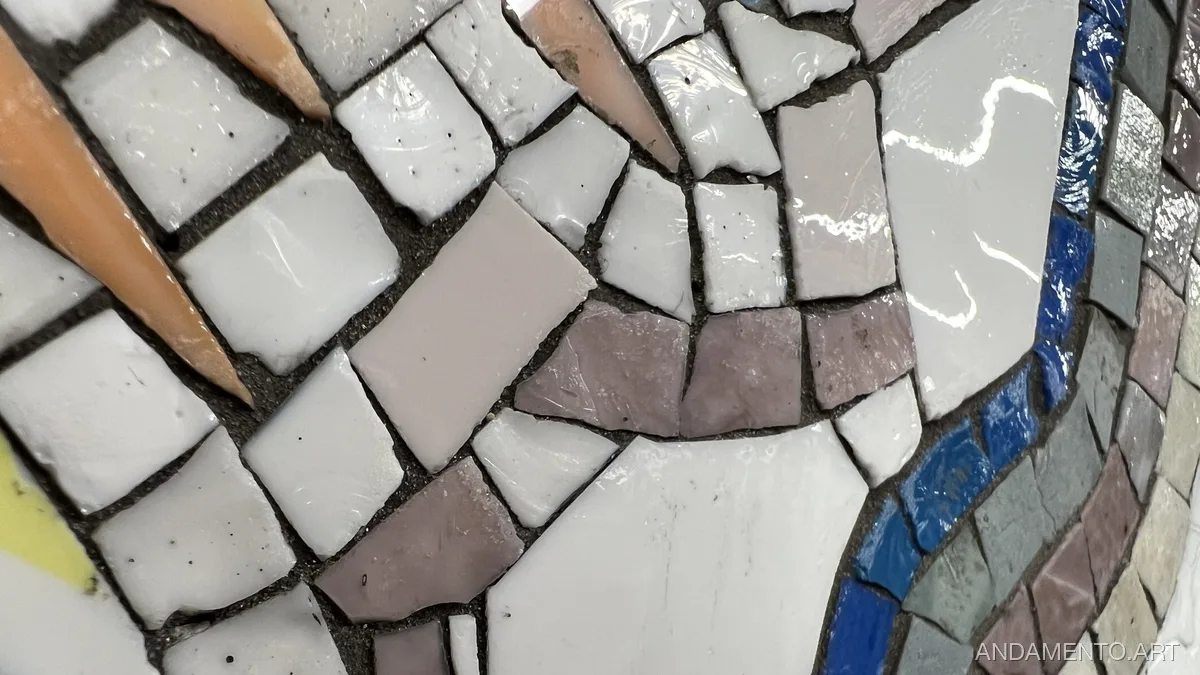
Among the various methods, opus tessellatum was arguably the most prevalent technique for creating ancient Roman mosaics. This method involved the meticulous placement of small, roughly square-shaped pieces, known as tesserae, typically measuring between 4 mm and 15 mm. These tesserae were carefully cut from a variety of materials, including natural stones like marble, limestone, and granite, as well as colored glass and ceramics. The artisans would arrange these individual pieces into horizontal or vertical rows, forming the backgrounds and larger areas of a mosaic design.
The beauty of opus tessellatum lay in its versatility and durability, making it ideal for large-scale applications such as floors and expansive wall panels. The uniformity of the tesserae allowed for relatively quick and economical production compared to more intricate techniques. Despite its seemingly simple structure, masters of opus tessellatum could achieve remarkable detail and fluidity, especially when depicting figures or complex patterns. Evidence from sites like Pompeii and Herculaneum, preserved by the eruption of Vesuvius in 79 CE, showcases countless examples of this technique, demonstrating its enduring appeal and robust nature.
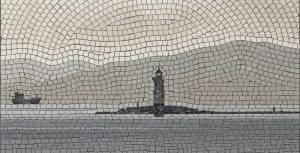
An example of opus tessellatum technique, showcasing geometric patterns on a Roman floor.
The Elegance of Opus Sectile
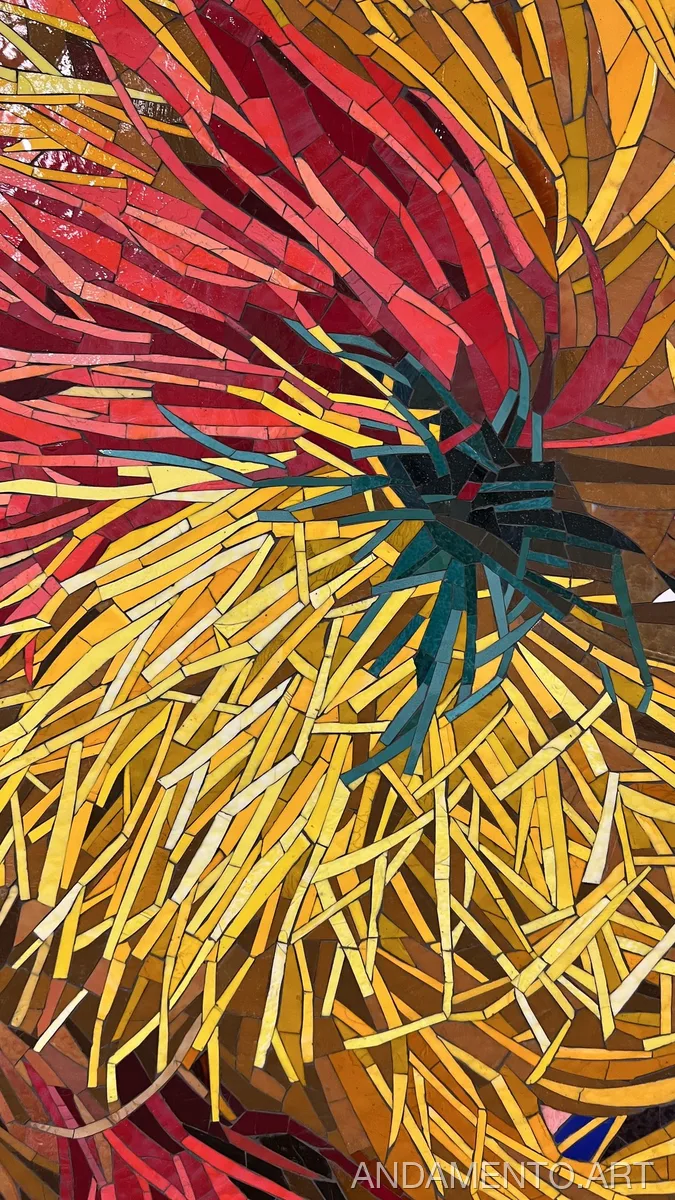
In contrast to the granular detail of opus tessellatum, opus sectile presented a grander, more monumental aesthetic. This technique involved cutting larger, custom-shaped pieces of marble or other precious stones and fitting them together to form a design. Rather than relying on many small tesserae, opus sectile utilized a few large, precisely carved slabs that interlocked like puzzle pieces. The effect was akin to stone marquetry or a sophisticated form of inlay, often resembling stained glass but crafted from solid stone.
Opus sectile was typically reserved for more luxurious settings and decorative accents, frequently used in combination with opus tessellatum to highlight central motifs or create elaborate borders. The materials chosen for opus sectile were often exotic and costly, including rare marbles and semi-precious stones, which contributed to the opulence and status associated with this technique. This method allowed for bold color contrasts and sweeping lines that were difficult to achieve with smaller tesserae. While less common than opus tessellatum, the surviving examples of opus sectile, such as those found in imperial palaces and grand public buildings, attest to its striking visual impact and the advanced stone-cutting skills of Roman artisans.
Intricate opus sectile work featuring large, precisely cut marble pieces forming a decorative panel.
Materials and Their Rich Palettes
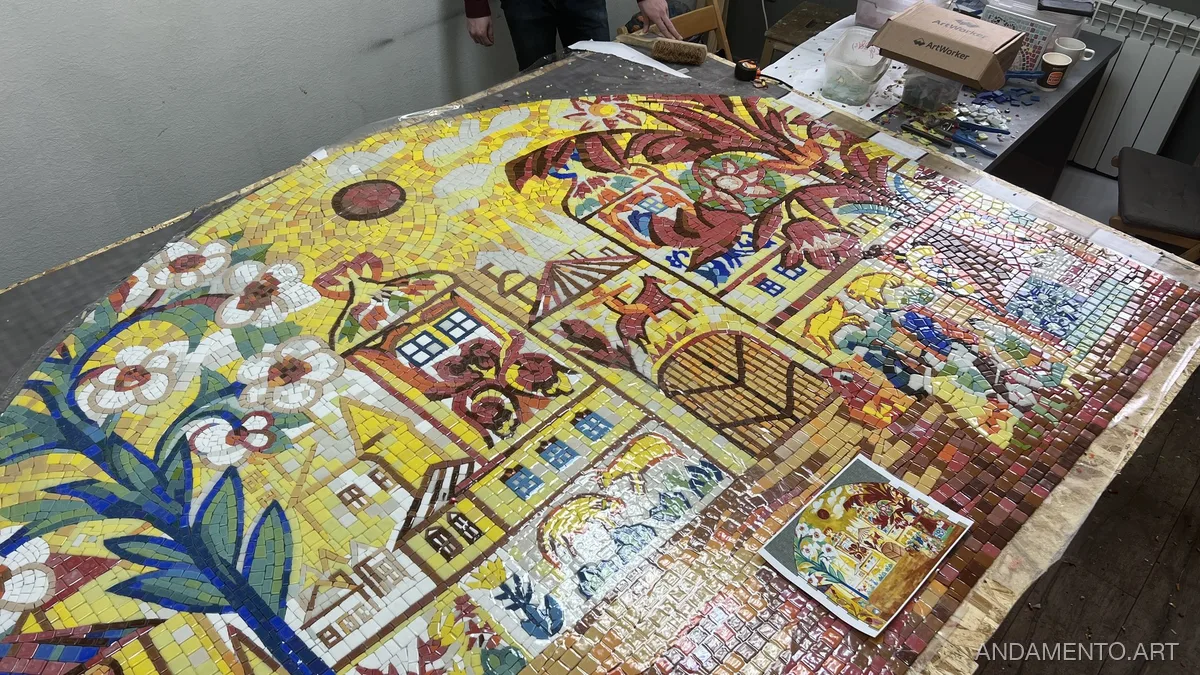
The selection of materials for ancient Roman mosaics was as diverse as their applications. Artisans drew from a wide array of natural and manufactured elements to achieve their desired colors and textures. Natural stones were primary, with marble, limestone, and granite being commonly used for their varied hues and durability. These stones were meticulously cut into tesserae, providing a rich, earthy palette that could withstand centuries of foot traffic.
Beyond natural stone, Roman mosaicists also utilized colored glass and ceramics. Glass tesserae, often opaque or translucent, introduced vibrant blues, greens, and reds that were difficult to obtain from natural stone. These glass pieces, along with ceramic shards, expanded the chromatic possibilities and added a unique luminosity to the artworks. In some instances, even semi-precious stones were incorporated, further enhancing the luxury and visual appeal of particularly important mosaics. The masterful combination of these materials allowed Roman artists to create incredibly detailed and realistic scenes, including famous works like the “Battle of Alexander” from Pompeii, a mosaic dating back to the I century BCE, renowned for its dramatic depiction and intricate use of color and shading.
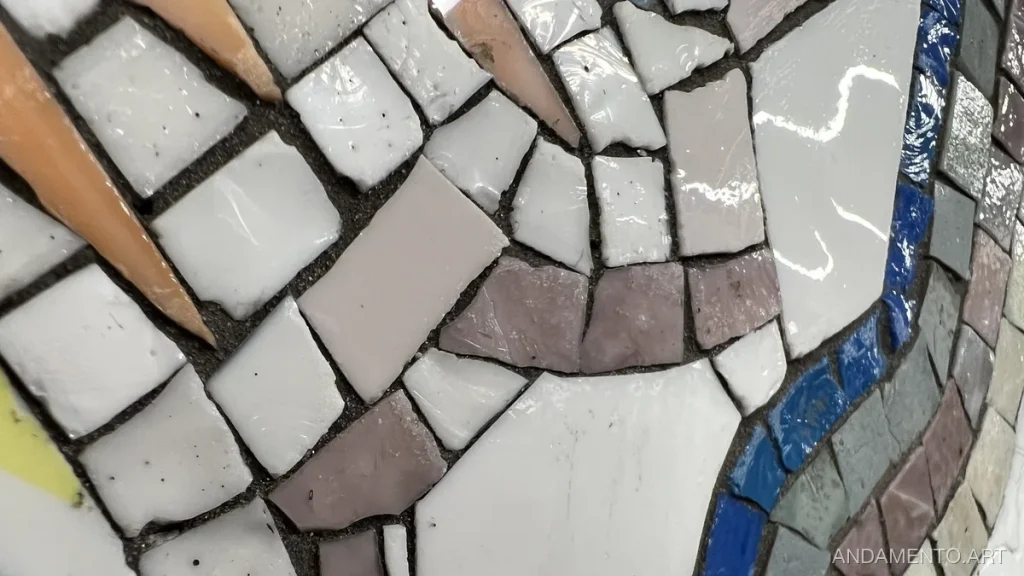
A collection of natural stone and vibrant glass tesserae, showcasing the rich material palette of Roman mosaics.
Purpose and Symbolism in Roman Mosaics
Ancient Roman mosaics served multiple functions beyond mere aesthetic enhancement. In domestic settings, they adorned floors and walls of private villas, depicting scenes from mythology, daily life, and nature. These images not only beautified the space but also reflected the cultural sophistication and intellectual interests of the homeowners. For instance, a mosaic depicting a fishing scene might be found in a dining room, subtly referencing the pleasures of a feast.
In public buildings, mosaics played an even broader role. In thermal baths, they often featured aquatic themes or athletic contests, setting the appropriate mood for relaxation and physical activity. In basilicas and temples, mosaics could illustrate religious narratives or civic virtues, communicating important messages to a wider audience. Furthermore, many mosaics contained “signatures” of the masters who created them, a rare testament to individual authorship in ancient art. Researchers continue to use digital technologies to analyze and reconstruct lost mosaics, revealing new insights into their original contexts and meanings. These artworks were not just decorations; they were integral components of Roman architecture and culture, designed to inform, inspire, and impress.
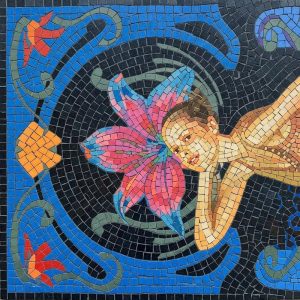
A detailed Roman mosaic illustrating a mythological scene, likely from a wealthy villa, showcasing narrative art.
Conservation and Lasting Legacy
The endurance of ancient Roman mosaics is a testament to the robust techniques and durable materials used in their creation. Today, archaeological excavations continue to uncover new mosaics, with ongoing restoration efforts preserving these invaluable artifacts for future generations. Museums worldwide, including the British Museum, the Louvre, and the National Archaeological Museum in Naples, proudly display extensive collections of Roman mosaic art, often utilizing modern technologies for their exhibition and study.
The influence of Roman mosaic art extends far beyond its historical context. The principles of tessera arrangement, the use of color and perspective, and the narrative power of mosaic compositions have resonated through subsequent artistic movements, from Byzantine iconography to contemporary installations. The foundational techniques developed by Roman artisans continue to be studied and adapted by modern mosaicists, ensuring that the legacy of this ancient art form remains vibrant and relevant. For those inspired by this rich history, exploring mosaic art can be a rewarding journey.
Работы по теме в галерее:
Conservation specialists carefully restoring an ancient Roman mosaic, preserving its intricate details.
Create Your Own Mosaic Art
Inspired by the enduring beauty and sophisticated techniques of ancient Roman mosaics? Whether you’re a seasoned artist or a curious beginner, the world of mosaic art offers endless possibilities for creativity. Our andamento.app allows you to transform any photo into a stunning mosaic sketch with real ArtWorker smalti colors, providing precise material calculations for your project. Explore different techniques and bring your artistic visions to life with the same spirit of innovation that defined the Roman masters.