Dating back to the 3rd millennium BCE in Mesopotamia, mosaics have served as enduring artistic and historical records. From the opulent villas of the Roman Empire, exemplified by the Great Mosaic of Wilton (c. 1390-1410 CE) as a renowned medieval example, to the shimmering Byzantine churches like the Hagia Sophia in Istanbul and the Basilica of San Vitale in Ravenna, these intricate artworks tell stories across millennia. However, time, environmental factors, and human activity inevitably take their toll, making **реставрацию мозаики** незаменимой практикой. This process is not merely about repair; it is a delicate blend of science and art, ensuring these masterpieces continue to inspire and inform future generations.
Угрозы и повреждения: почему необходима реставрация мозаики
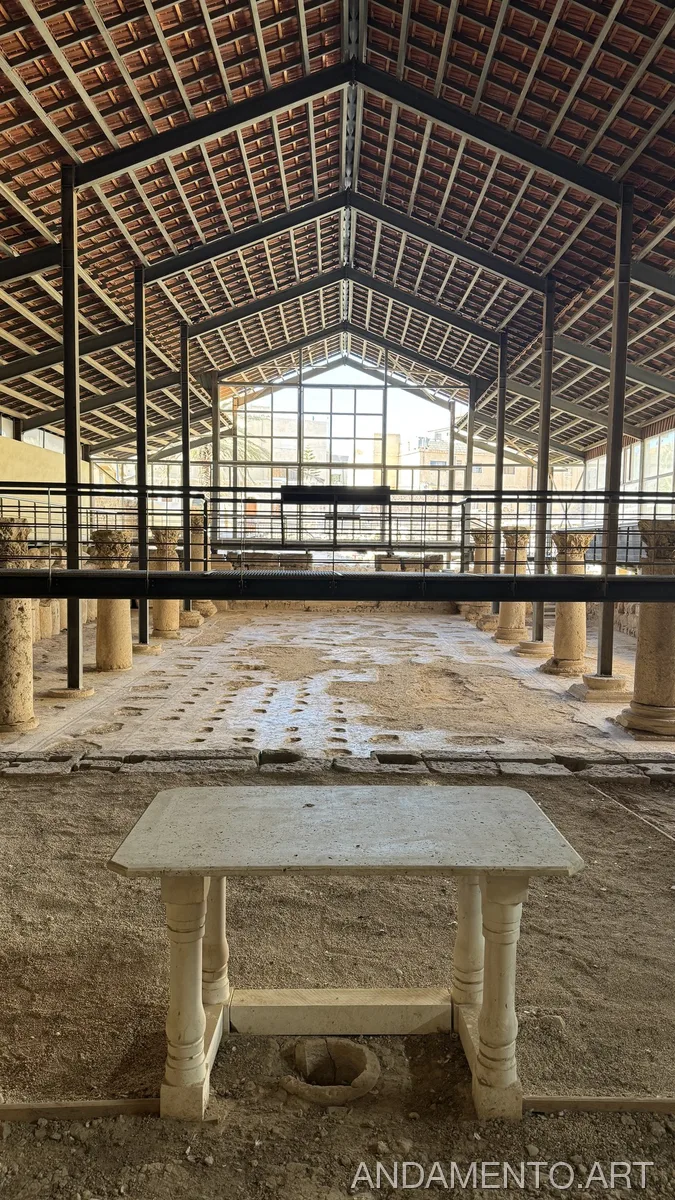
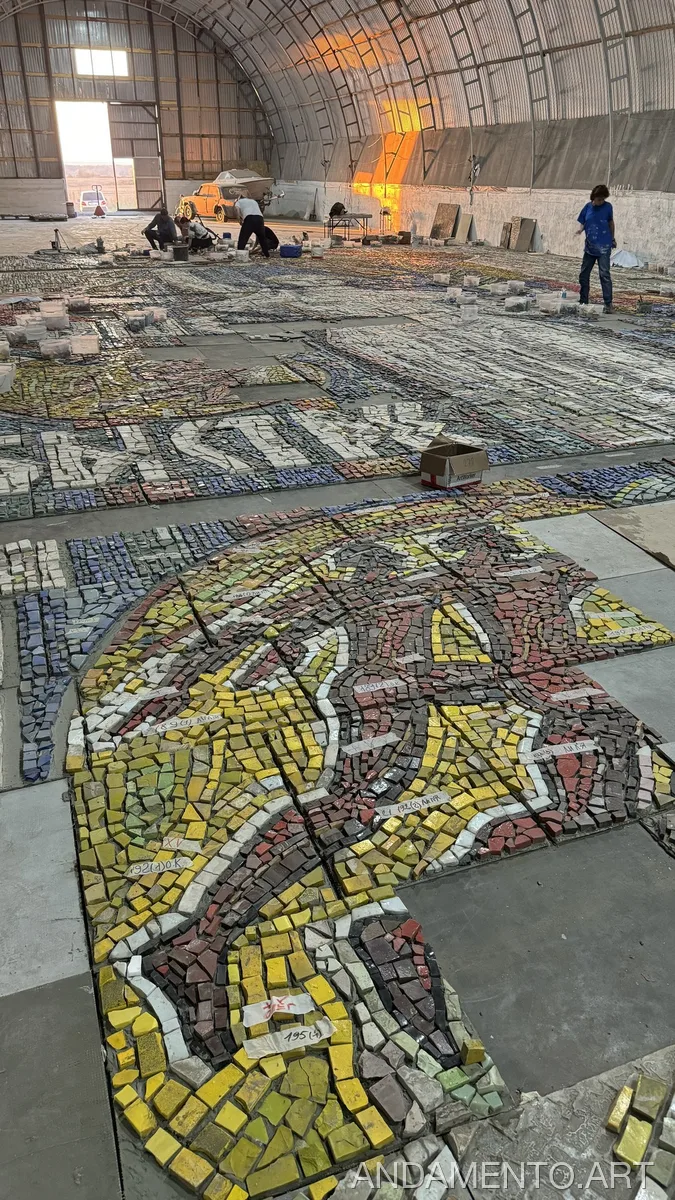
The journey of a mosaic through history is often fraught with challenges, leading to various forms of damage that necessitate expert intervention. One of the most common issues is the loss of individual tesserae, which can occur due to impact, thermal expansion, or adhesive failure. Over time, the substrate—the underlying layer to which the tesserae are affixed—can also deteriorate, leading to cracking, delamination, or complete detachment of mosaic sections. Surface grime, accumulated dirt, pollutants, and biological growth (such as mold or lichen) often obscure the original vibrancy and detail of the artwork, requiring careful cleaning.
Beyond natural aging, historical events have significantly impacted mosaic integrity. The eruption of Mount Vesuvius in 79 CE, while catastrophic, paradoxically preserved many mosaics in Pompeii and Herculaneum under layers of ash, only for them to face degradation upon excavation. More recently, international projects are underway to restore ancient mosaics in conflict zones like Syria and Iraq, where historical sites have suffered immense damage. Understanding these diverse forms of damage is the first critical step in any **mosaic art restoration** project, guiding conservators in selecting appropriate techniques and materials to ensure a successful and respectful recovery.
Scientific and Artistic Approaches to Restoration
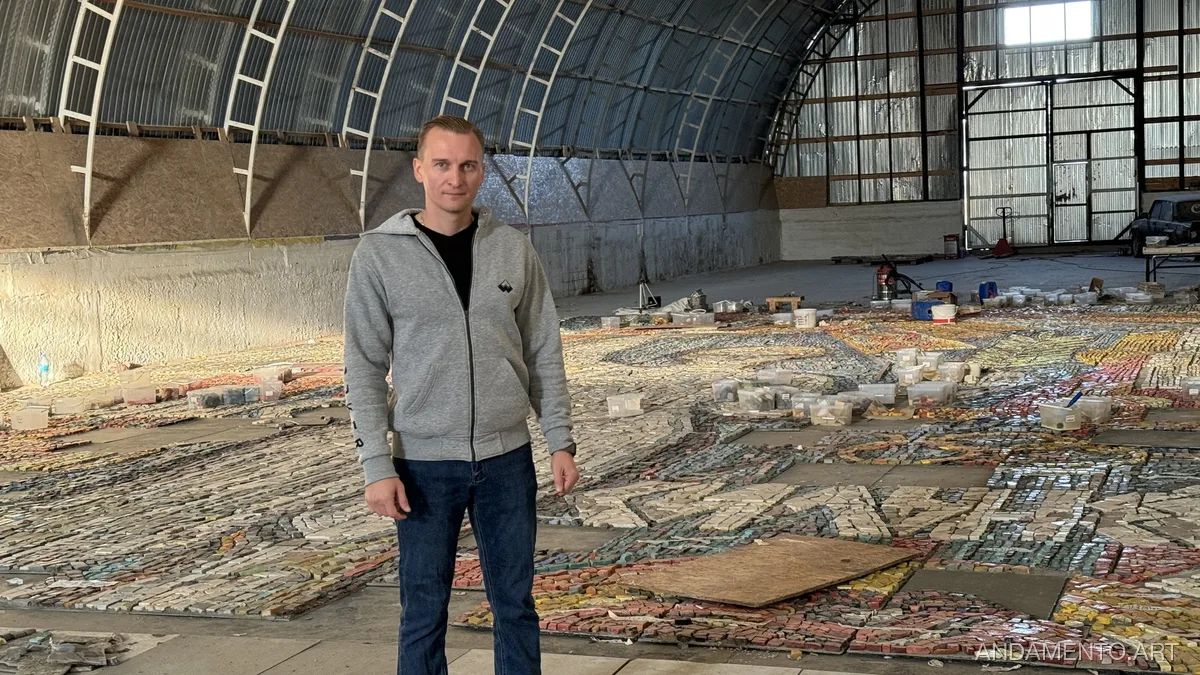
The process of **mosaic art restoration** demands a multidisciplinary approach, combining scientific analysis with artistic sensibility. Cleaning is often the initial phase, where conservators meticulously remove surface grime without harming the original tesserae or substrate. Modern techniques, such as laser cleaning, offer precise removal of dirt and accretions, while traditional methods involve gentle solvents and specialized tools. Following cleaning, consolidation aims to stabilize the mosaic structure. This might involve injecting specialized adhesives to re-bond loose tesserae or reinforcing the entire substrate to prevent further deterioration. Contemporary restoration frequently utilizes advanced materials like epoxy resins, providing durable and stable solutions for structural integrity.
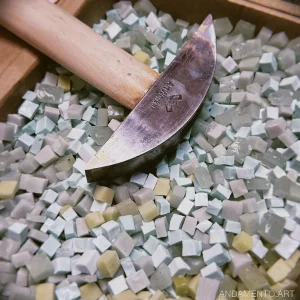
When tesserae are missing, the decision of how to replace them is crucial. Ethical considerations dictate that new additions should be distinguishable from the original while harmonizing with the overall aesthetic. Restorers often use salvaged ancient tesserae, modern smalti, or natural stone that closely matches the original in color and texture. Masters from specialized workshops, particularly in Ravenna, Italy, are renowned for their expertise in these intricate techniques. Furthermore, the advent of digital technologies, including 3D-scanning and virtual reality, now allows for the creation of precise digital copies of mosaics. These digital twins aid in detailed planning of restoration work, offering an invaluable tool for preservationists to study and analyze the artwork’s condition before physical intervention. Such detailed planning is crucial for complex projects, ensuring every aspect of the mosaic’s historical and artistic value is considered. For advanced project management and collaboration, consider exploring tools available at andamento.app.
Ethical Considerations and the Role of Expertise
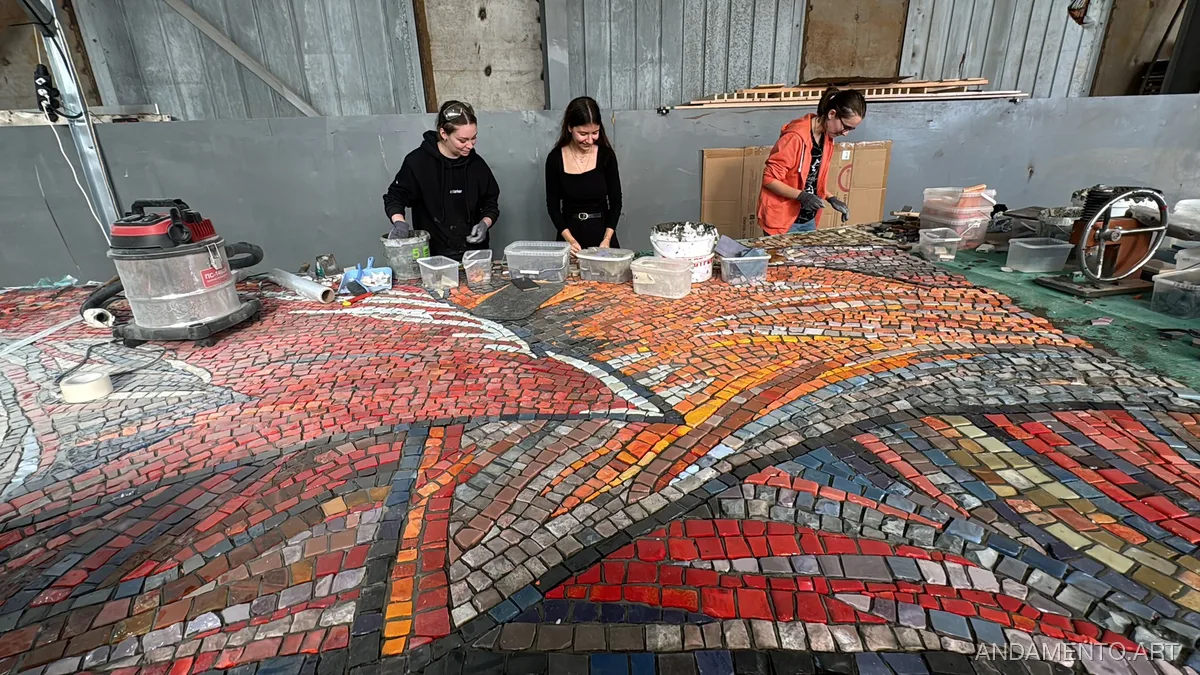
Ethical principles are at the core of every **mosaic art restoration** project. The primary goal is to preserve the authenticity and integrity of the artwork, rather than to “make it new.” This often means acknowledging the mosaic’s history of damage, rather than attempting to erase it completely. The concept of “living restoration” emphasizes allowing the mosaic to tell its full story, including its past traumas. Organizations like ICOMOS (International Council on Monuments and Sites) and UNESCO play a vital role in establishing guidelines and funding projects for the preservation of cultural heritage, ensuring that restoration efforts adhere to the highest international standards.
The expertise required for successful **mosaic art restoration** is immense, encompassing not only technical skill but also a deep understanding of art history, chemistry, and conservation science. Specialists like Professor Giuseppe Schiri, a renowned expert in Roman mosaics, dedicate their careers to uncovering and preserving these ancient treasures. Restorers must possess the ability to discern the original artistic intent, understand the materials and techniques employed by ancient artisans, and make informed decisions that respect the mosaic’s historical context and aesthetic value. This demanding field requires continuous learning, meticulous attention to detail, and an unwavering commitment to safeguarding humanity’s shared artistic legacy.
Significant Restoration Projects and ArtWorker’s Contribution
Around the globe, numerous significant **mosaic art restoration** projects are continuously underway, highlighting the ongoing commitment to preserving this rich heritage. International efforts, often supported by UNESCO, focus on safeguarding sites impacted by natural disasters or human conflict, such as the ancient mosaics in Syria and Iraq. These projects frequently involve collaboration between conservators from various nations, sharing knowledge and resources to tackle complex challenges. In 2024-2025, international conferences and symposiums are anticipated to bring together experts to discuss the latest methodologies and research in mosaic conservation, pushing the boundaries of the field.
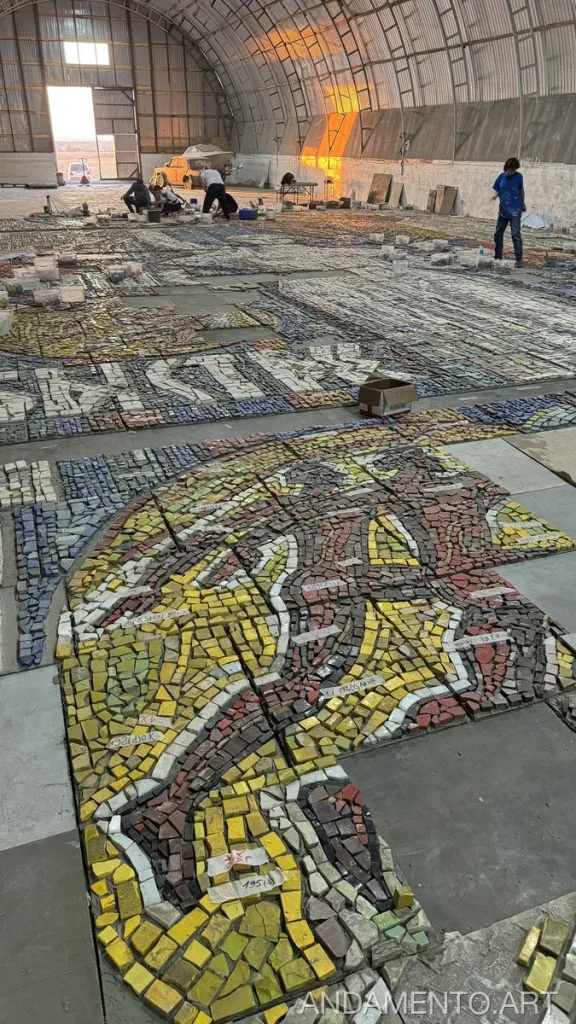
ArtWorker, with its profound expertise in mosaic art, also plays a crucial role in modern restoration. Our project workshop has been involved in the restoration of complex pieces, including monumental Soviet-era panels. We understand the specific challenges associated with different types of mosaics, from ancient Roman to contemporary works. Our commitment extends to providing high-quality materials and training, ensuring that the next generation of artists and restorers is equipped with the knowledge and tools necessary to continue this vital work. For streamlined project workflows and access to specialized resources, visit andamento.app. Whether it’s a monumental facade or a delicate interior piece, ArtWorker contributes to the ongoing narrative of mosaic preservation.
The field of **mosaic art restoration** stands as a testament to humanity’s dedication to its cultural and artistic heritage. From meticulously cleaning ancient surfaces to innovatively replacing lost tesserae, every step in the restoration process is a profound act of preservation. The challenges are immense, from battling environmental decay to rectifying the damages of conflict, yet the commitment of conservators and organizations like UNESCO ensures that these vibrant stories in stone and glass continue to resonate. Through a blend of scientific rigor, artistic sensitivity, and ethical responsibility, we safeguard these masterpieces, allowing them to bridge the past and inspire the future.
Работы по теме в галерее:
Explore more on mosaic art:
- Mosaic Adhesive & Grout: Selection & Application Guide
- Natural Stone Mosaics: Marble, Granite, Travertine Guide
- Byzantine Mosaic: History of the Golden Age and Smalti Technique
If your project demands professional execution, ArtWorker’s workshop has been creating mosaics of any complexity since 2011, from portraits to facades. Discuss your project: t.me/artworkerstudio or order@artworker.pro.