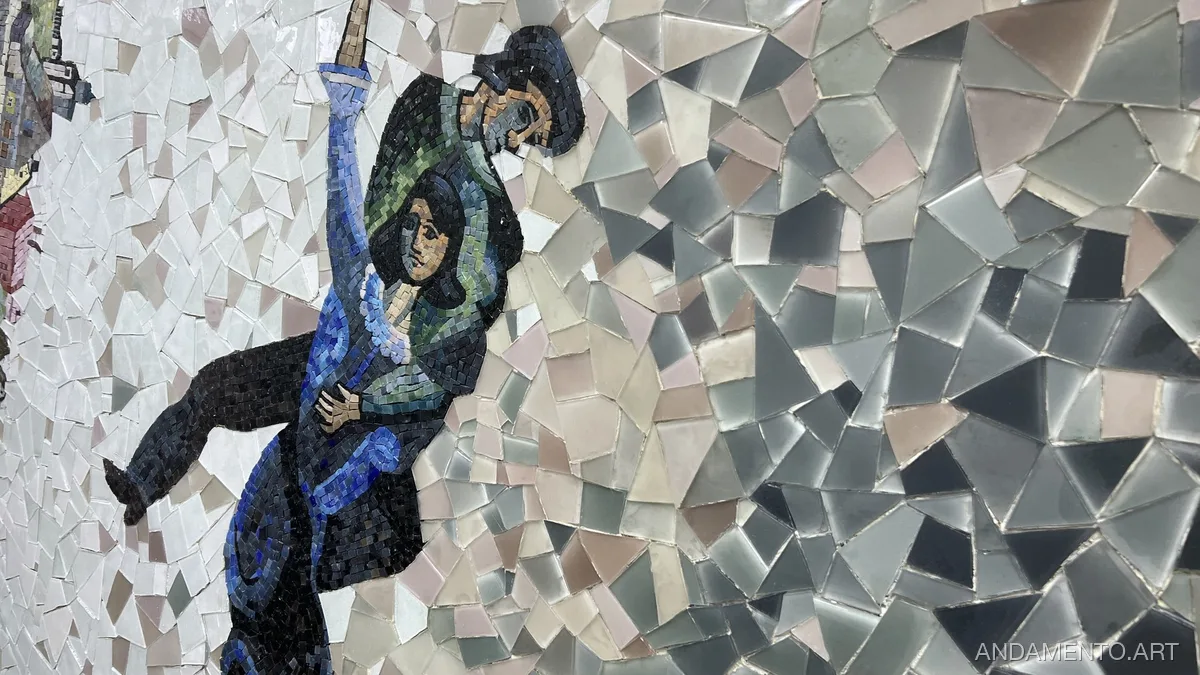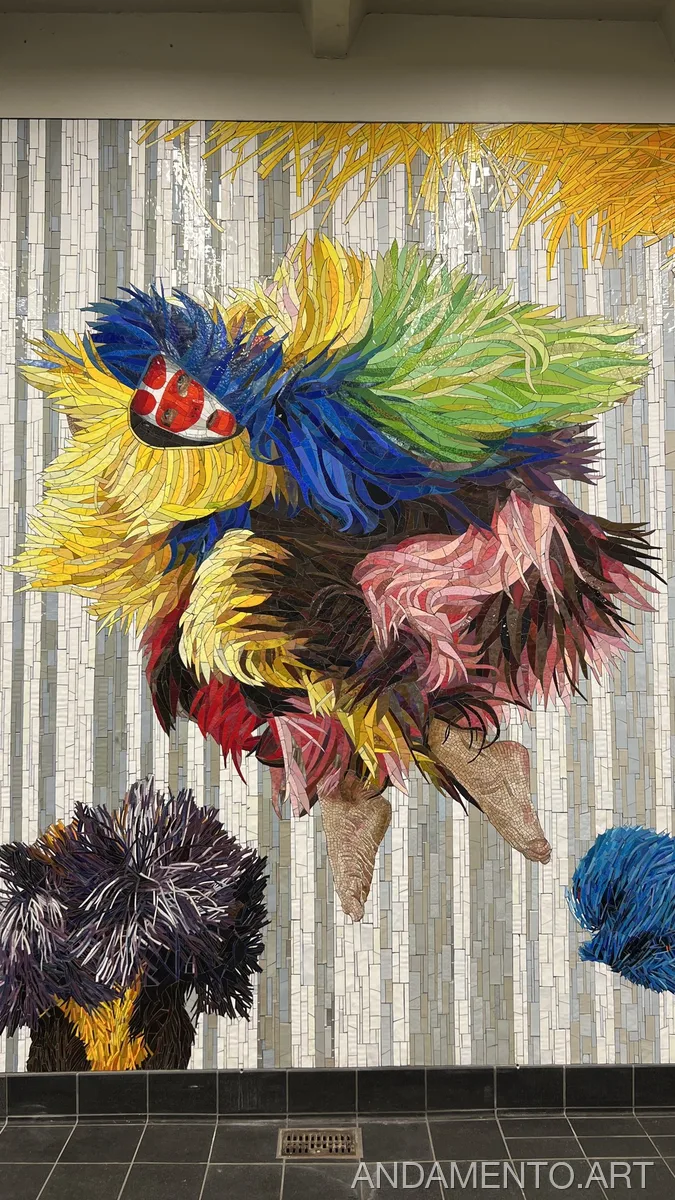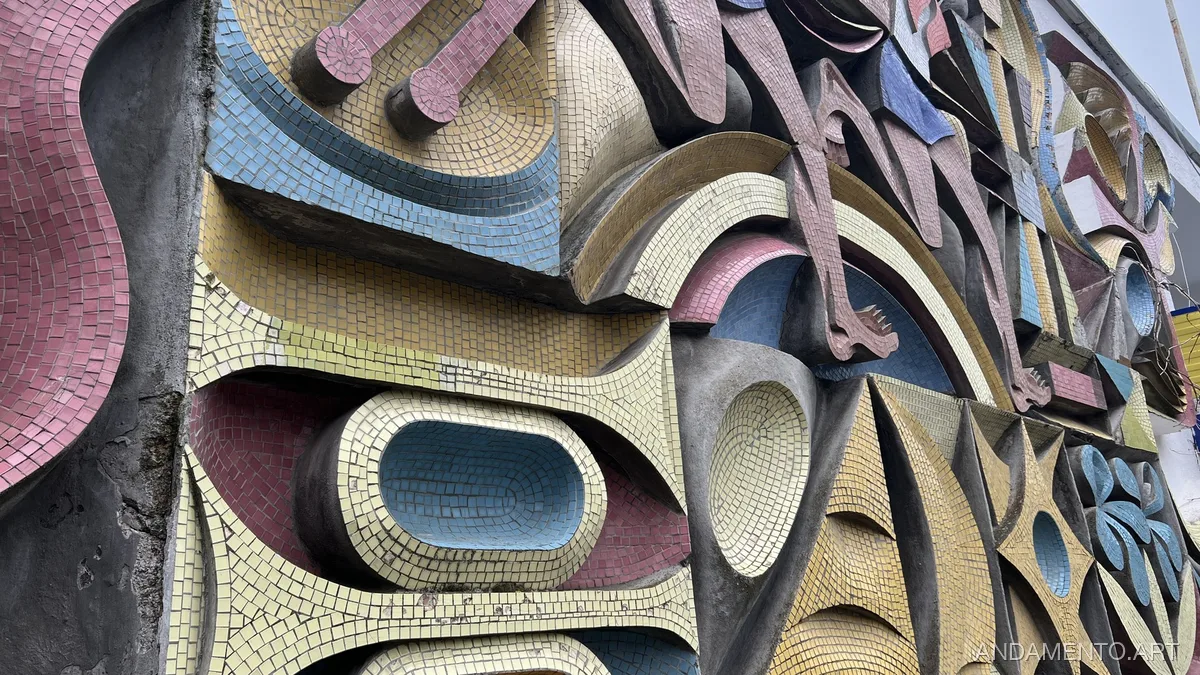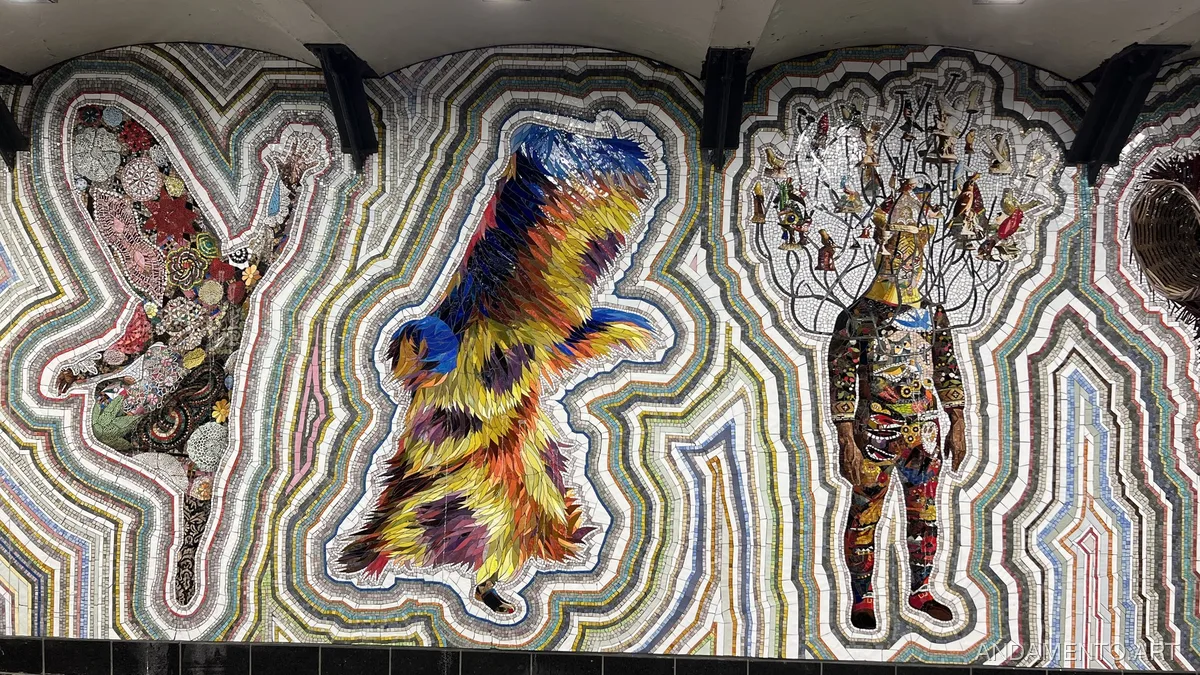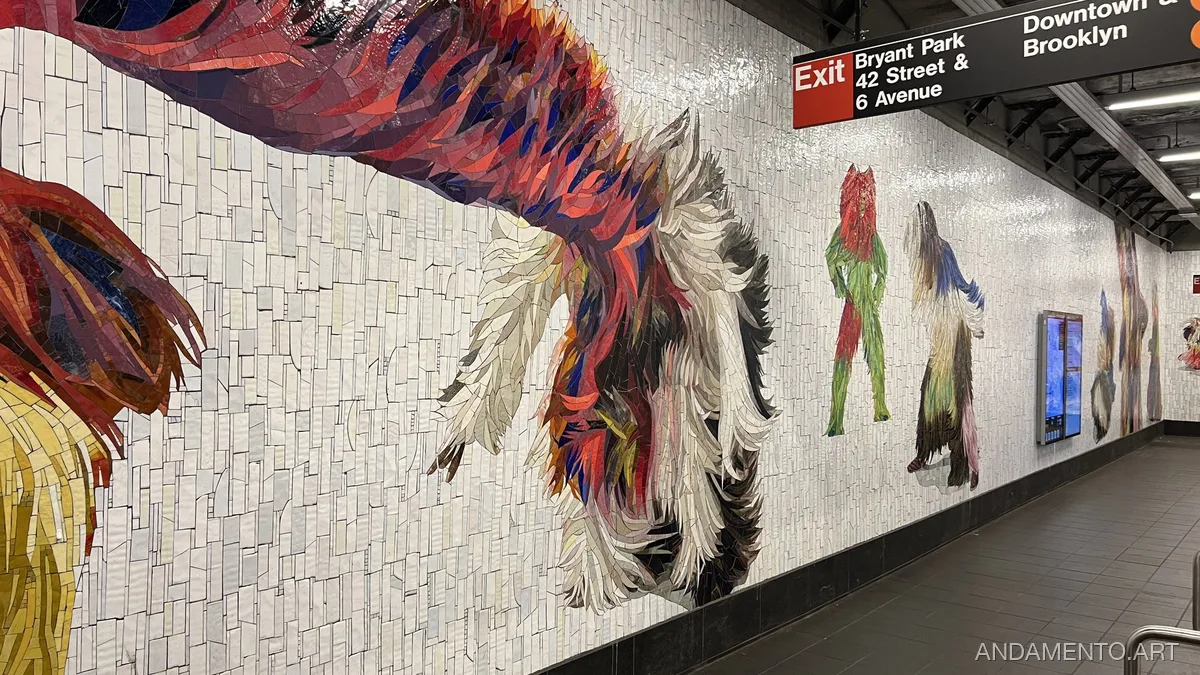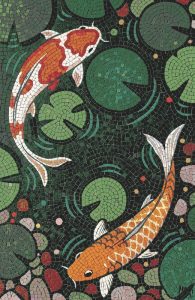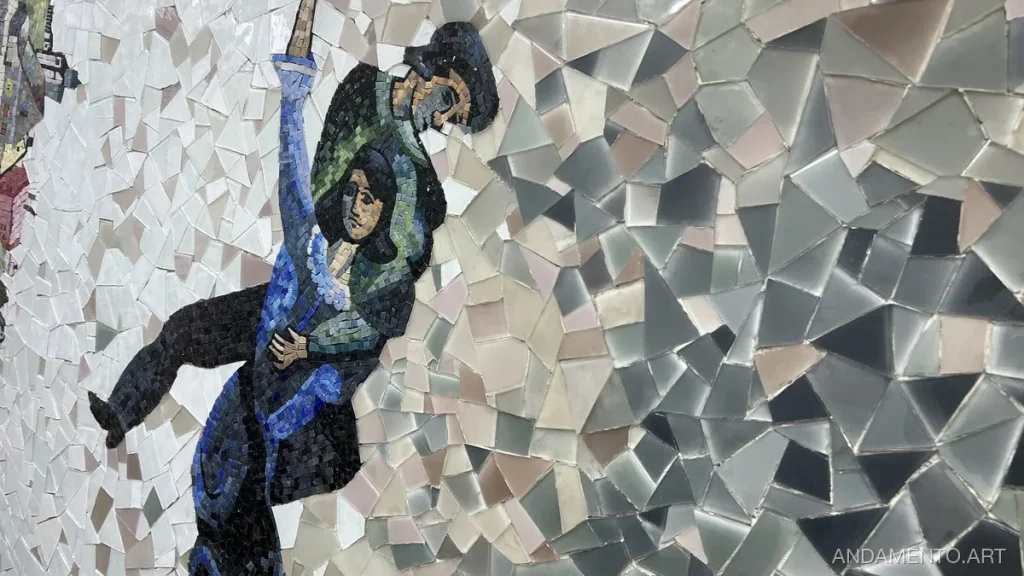
The role of art in fostering well-being is increasingly recognized, and nowhere is its impact more profound than in healthcare environments. Among various artistic mediums, mosaic art healthcare stands out for its unique ability to transform sterile clinical settings into therapeutic and inspiring spaces. These intricate installations not only enhance the aesthetic appeal of hospitals, clinics, and rehabilitation centers but also actively contribute to reducing patient anxiety, improving mood, and promoting a sense of calm and healing for patients, staff, and visitors alike.
The Growing Recognition of Art’s Role in Healing
The integration of art into medical institutions is not a new phenomenon, but its therapeutic potential has gained significant scientific backing over the past few decades. The journey began in the 1950s, when art started to be actively incorporated into U.S. medical facilities as part of programs aimed at enhancing aesthetic environments. This early recognition laid the groundwork for a more structured approach.
By the 1990s, the term “therapeutic art” emerged, signaling a growing understanding of the direct positive influence of art on patients. This period saw a surge in research dedicated to quantifying these benefits. Today, organizations like The Center for Health Design (CHD) and Americans for the Arts regularly publish findings that underscore the crucial role of design and art in promoting health and well-being. Modern healthcare architecture consistently includes art, and specifically mosaic art, in new construction and renovation projects, recognizing its lasting value.
Therapeutic Benefits of Mosaic Art in Clinical Settings
Mosaic art, with its vibrant colors, intricate patterns, and diverse textures, offers a wealth of therapeutic advantages within healthcare environments. Studies consistently show that over 70% of patients believe that art in hospitals positively affects their well-being. These benefits are multifaceted and deeply rooted in psychological and physiological responses to visual stimuli.
- Stress Reduction: Research indicates that exposure to art, including mosaics, can significantly lower cortisol levels, the body’s primary stress hormone. Calming scenes or abstract compositions can serve as a welcome distraction from the anxieties often associated with medical treatment and recovery.
- Mood Improvement: Bright, harmonious mosaics stimulate the brain, promoting the release of endorphins, which are natural mood elevators. This can counteract feelings of depression or discomfort, fostering a more positive outlook during challenging times.
- “Window to Nature” Effect: Mosaics depicting natural landscapes—forests, oceans, gardens—can create an illusion of an “outdoor window” in enclosed or windowless spaces. This connection to nature is particularly valuable for patients who are confined indoors, offering a sense of peace and a visual escape.
- Tactile Engagement: Some mosaic installations are designed to be tactile, inviting patients to touch and feel the varied surfaces of tesserae. This sensory engagement can be grounding and provide a soothing, therapeutic experience, especially for those seeking comfort through touch.
- Symbolism and Hope: Mosaics often carry symbolic meanings related to healing, hope, vitality, and resilience. These embedded messages can offer psychological support, encouraging patients on their path to recovery.
Mosaics as Aesthetic Enhancements and Navigational Aids
Beyond their direct therapeutic effects, mosaics play a vital role in transforming the overall atmosphere of healthcare facilities. Hospitals can often feel impersonal and daunting, but the introduction of carefully curated mosaic art changes this perception, making spaces feel more welcoming and human-centered. The durability and timeless beauty of mosaic art make it an excellent choice for high-traffic areas where aesthetics must endure.
Furthermore, large mosaic murals can serve as intuitive visual landmarks within extensive hospital complexes. Imagine a vibrant mosaic depicting a specific theme guiding visitors through a long corridor or marking the entrance to a particular department. This not only enhances the visitor experience but also reduces stress for patients and their families who might otherwise struggle with orientation in an unfamiliar environment. For custom projects, our ArtWorker workshop specializes in creating unique mosaic installations that address both aesthetic and functional needs, from small decorative pieces to expansive public art projects.
Modern Applications and Future Trends in Healthcare Mosaics
The integration of art in healthcare continues to evolve, with mosaic art at the forefront of innovation. In 2024-2025, many contemporary hospitals and medical centers are actively incorporating mosaics into their designs. This includes not only traditional mosaic techniques but also a growing interest in digital mosaic installations and interactive art projects that utilize modern technology.
Ongoing scientific research aims to quantitatively measure the therapeutic impact of various art forms, including mosaic art, in inpatient settings. This continuous study helps refine best practices and ensures that art interventions are evidence-based. For artists and healthcare providers looking to explore new design possibilities, tools like andamento.app allow for the creation of mosaic sketches from any photo or idea, offering a glimpse into how digital innovation is transforming this ancient art form.
Why Mosaic Art is Ideal for Healthcare Environments
Mosaic art possesses several inherent qualities that make it uniquely suited for therapeutic spaces within healthcare settings. Its exceptional durability ensures that artworks can withstand the rigors of a public environment, including frequent cleaning and heavy foot traffic, without fading or degrading. Unlike paintings or textiles, mosaics are resistant to moisture, chemicals, and physical wear, making them a long-term investment in patient well-being.
The ability to create complex and highly detailed images allows for a vast array of artistic expressions, from calming natural scenes to abstract patterns that stimulate positive emotions. The diversity of materials—including smalti, natural stone, and glass—provides artists with an extensive palette of colors and textures, enabling them to craft pieces that resonate deeply with viewers. For those seeking high-quality materials for their own mosaic art healthcare projects, artworker.shop offers a wide selection of smalti and other mosaic supplies.
Работы по теме в галерее:
From the subtle shimmer of Byzantine-inspired gold smalti to the earthy textures of natural stone, mosaics offer a sensory richness that can soothe, inspire, and distract. By integrating mosaic art healthcare environments tap into a powerful, ancient medium to foster modern healing, creating spaces that are not only functional but profoundly compassionate.
Want to see how a mosaic will look in your space? Upload a photo or describe your idea in text — andamento.app will create a mosaic sketch with precise material calculations in minutes.
Read Also:
- Smalti for Mosaics: Types, Properties & How to Choose
- Mosaic Art in Public Spaces: Metro, Squares & Stations
- Building Facade Mosaics: Technology & Examples