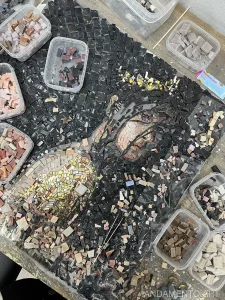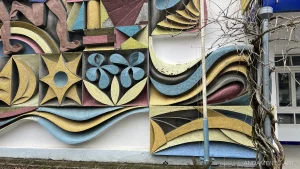
The beauty of mosaic art lies not just in the vibrant colors of its tesserae, but in the intelligent way these small pieces are arranged to create a cohesive and expressive image. This intentional arrangement is known as andamento, a fundamental principle that dictates the direction and flow of tesserae within a mosaic. Mastering andamento tessera placement is crucial for any mosaic artist, as it allows for the creation of visual movement, texture, and depth, transforming a collection of fragments into a living work of art. This article will delve into the core principles of andamento, exploring various directional patterns and their profound impact on both historical and contemporary mosaic masterpieces.
What is Andamento? The Foundation of Mosaic Flow
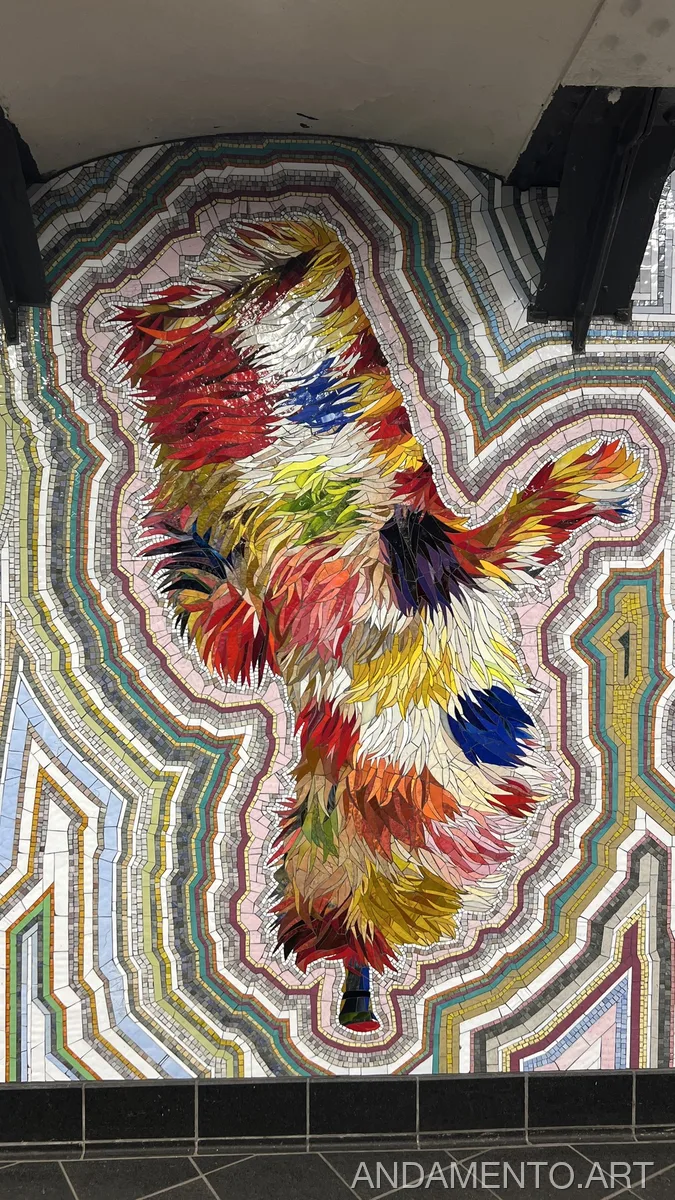
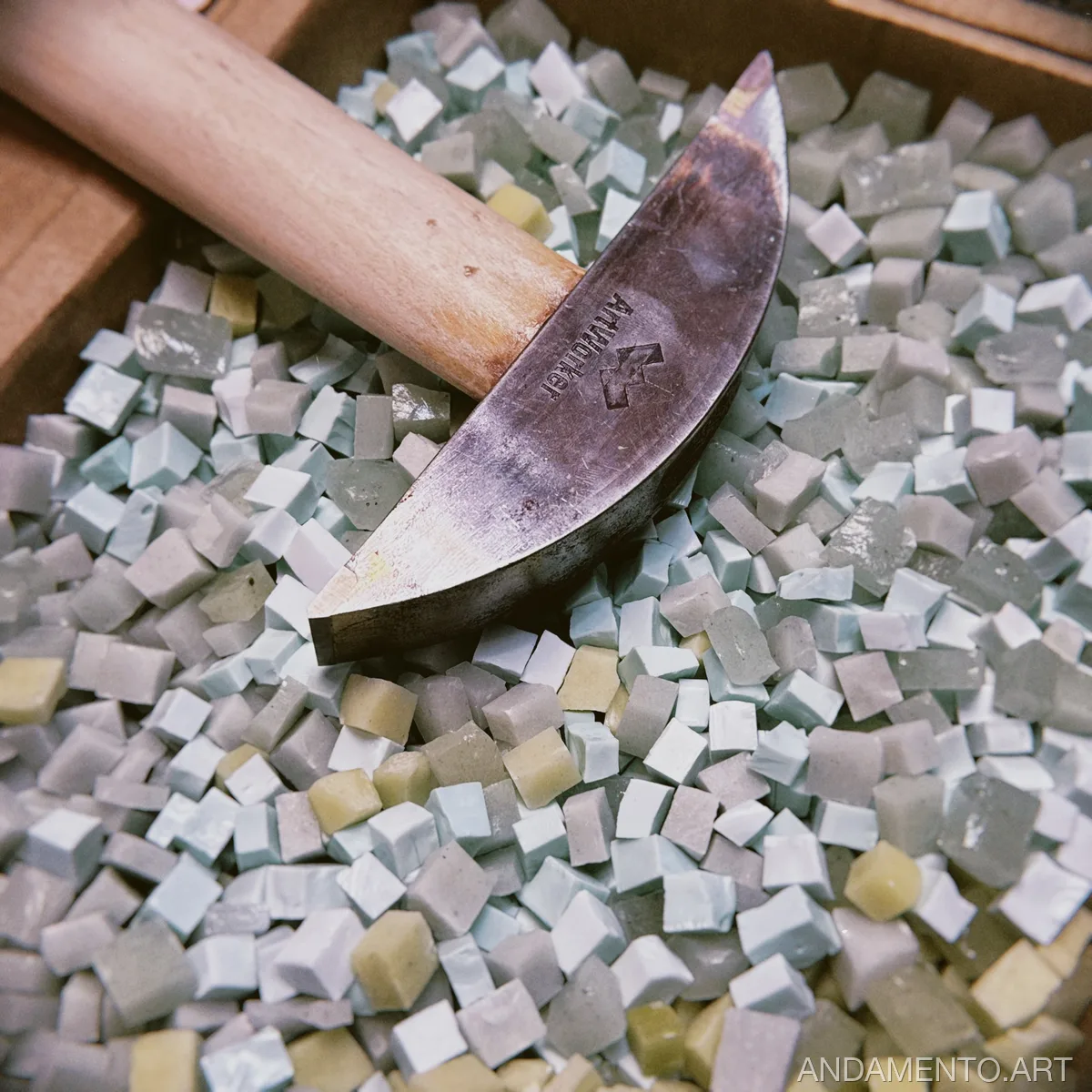
Andamento, derived from the Italian word “andare” meaning “to go” or “to walk,” refers to the visual path or flow created by the lines of tesserae in a mosaic. It is the art of directing each individual piece to contribute to the overall composition, guiding the viewer’s eye and enhancing the perceived form, texture, and light within the artwork. The concept of andamento is as old as mosaic art itself, with its origins deeply rooted in ancient Roman and Byzantine traditions. Early masters instinctively understood that the way tesserae were laid could either flatten an image or imbue it with remarkable vitality and realism.
Unlike simply covering a surface with tiles, effective andamento tessera placement involves a conscious decision-making process for every single piece. This deliberate approach allows artists to sculpt with light and shadow, define contours, and convey a sense of motion. Without a thoughtful application of andamento, a mosaic can appear flat, static, and lacking in artistic depth, failing to capture the dynamic qualities of the subject. It is the underlying language of mosaic, communicating emotion and narrative through the subtle dance of lines and forms.
Mastering Directional Patterns: Linear, Curved, and Radiating Andamento
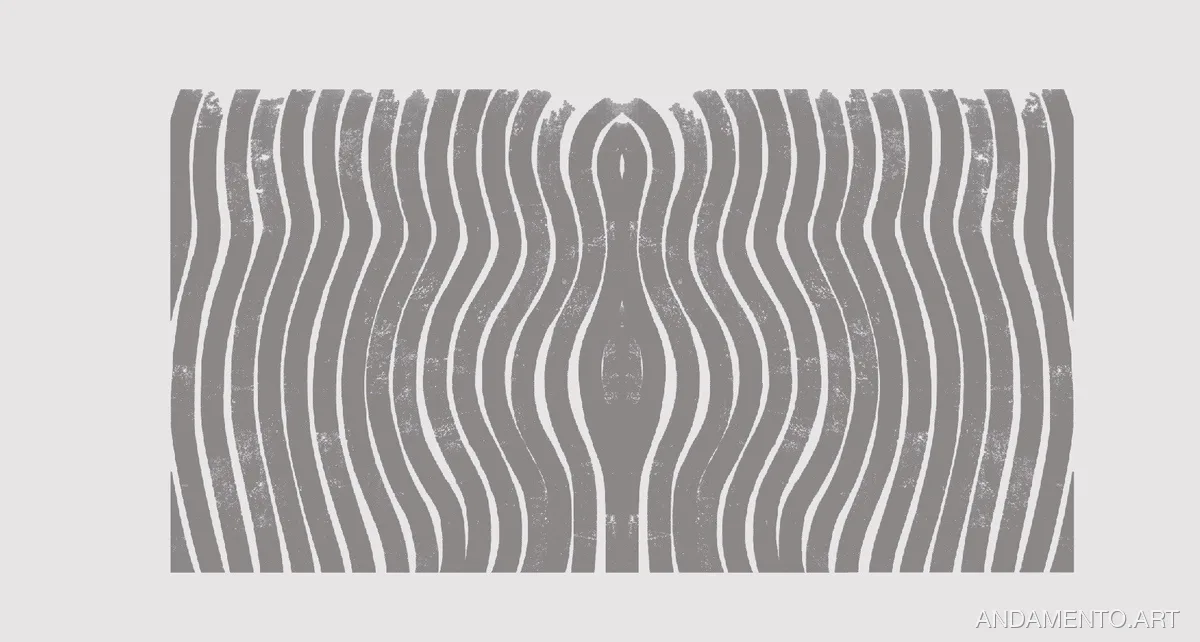
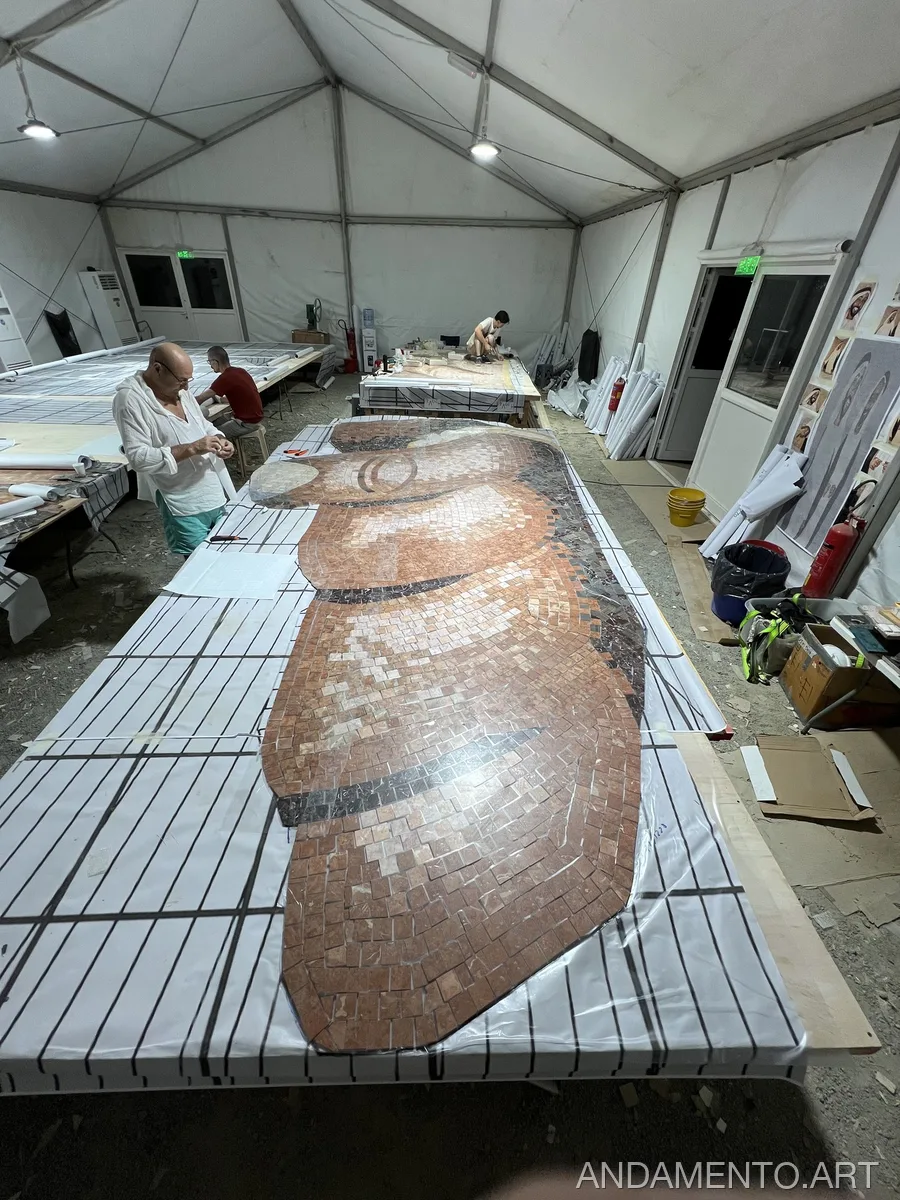
The visual language of andamento is expressed through various directional patterns, each serving a distinct purpose in the mosaic artist’s toolkit. Understanding these patterns is key to achieving sophisticated and expressive mosaic designs.
- Opus Tessellatum (Linear Andamento): This is perhaps the most straightforward form of tessera arrangement, where pieces are laid in horizontal or vertical rows. While seemingly simple, Opus Tessellatum is highly effective for creating uniform backgrounds, large expanses of color, or architectural elements. Its linear quality provides a sense of stability and order, making it a reliable choice for foundational areas. Historically, it was widely used in Roman mosaics for floors and large wall sections, offering an efficient and robust method of covering significant areas.
- Opus Vermiculatum (Curved Andamento): In contrast to the rigid lines of tessellatum, opus vermiculatum involves laying tesserae in curved lines that follow the contours and outlines of objects. This technique is crucial for rendering organic forms, faces, drapery, and flowing elements like water or hair. The curving lines create a sense of movement and volume, giving life to figures and objects. When tesserae are placed along the natural curves of a subject, they enhance its three-dimensionality, making the mosaic appear more painterly and realistic. This is a prime example of how precise andamento tessera placement can elevate the artistic quality of a work.
- Radiating Andamento: This pattern features tesserae emanating outwards from a central point, much like rays of light from a sun or a halo around a figure. Radiating andamento is excellent for drawing the viewer’s eye to a focal point, creating a sense of energy, or depicting celestial bodies. It adds a dynamic visual effect, suggesting expansion or a powerful central force.
- Opus Sectile: While not strictly an andamento pattern in the same way as tessellatum or vermiculatum, opus sectile represents a distinct approach to mosaic. It uses larger, custom-cut pieces of marble or stone, fitted together like a jigsaw puzzle. The focus here is on the natural patterns and colors of the stone itself, with the “andamento” being defined by the contours of these larger shapes rather than the individual tesserae. This technique, often associated with Florentine mosaics, creates bold, graphic designs with almost invisible seams.
By skillfully employing these different directional patterns, mosaic artists can manipulate the perceived texture, movement, and depth within their creations, transforming static materials into dynamic visual narratives.
Andamento in Historical and Contemporary Mosaic Art
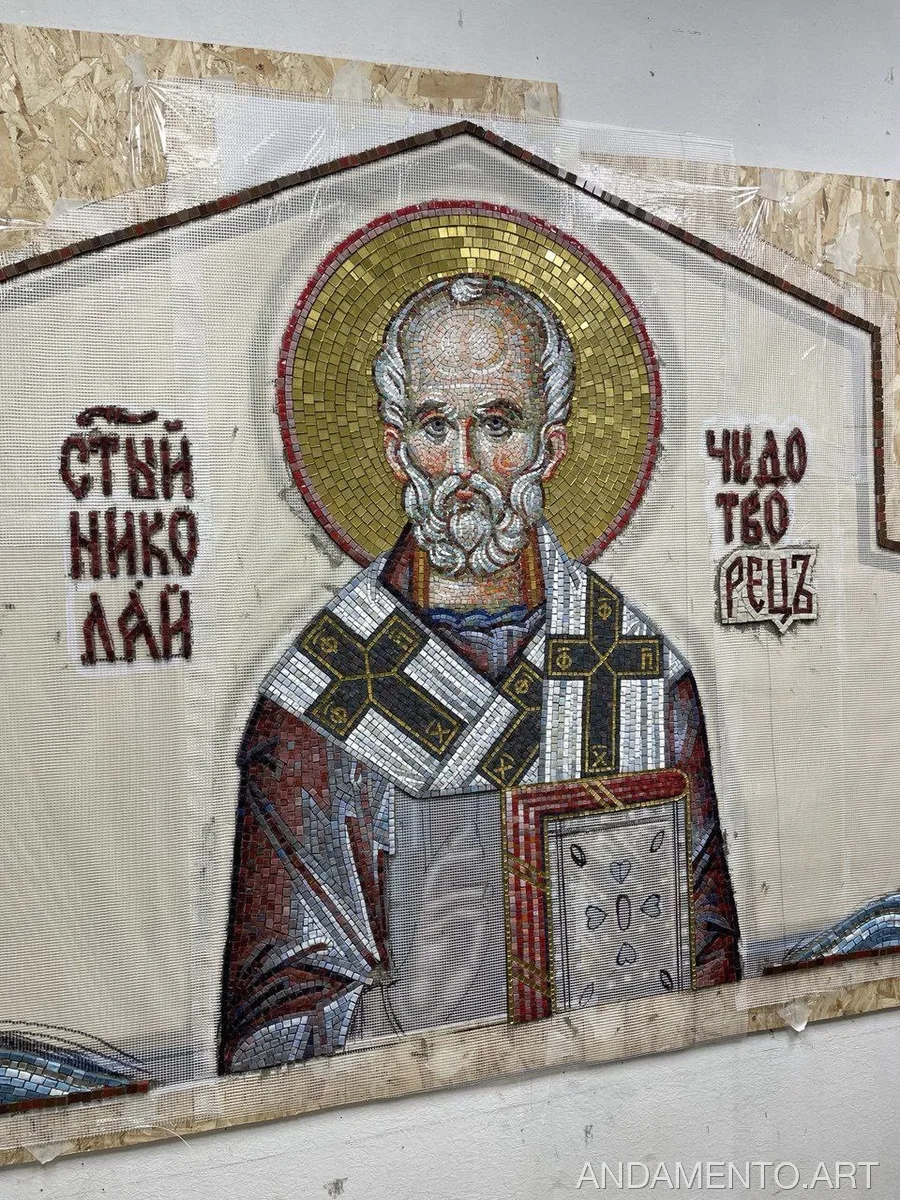
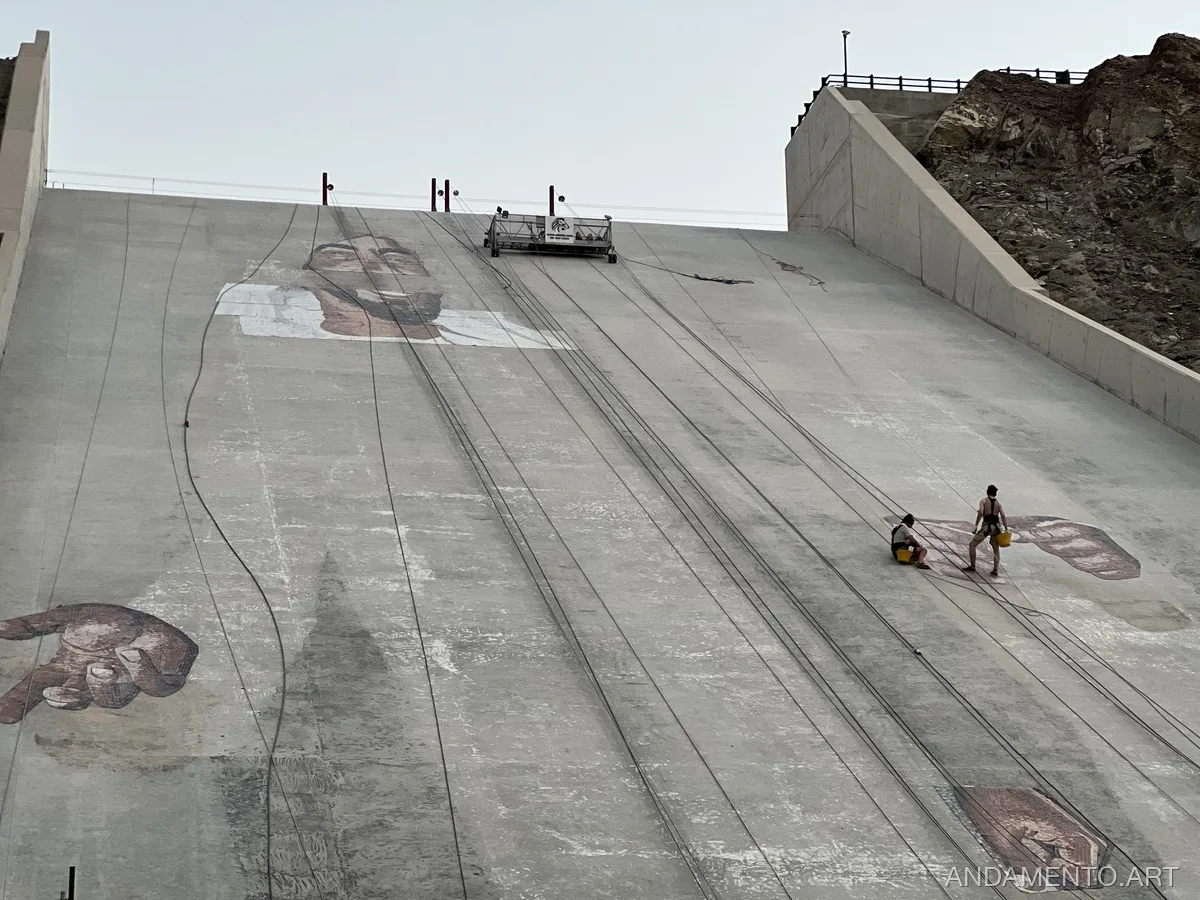
The application of andamento has evolved throughout history, adapting to different artistic styles and cultural contexts, yet its core principles remain timeless. From ancient civilizations to modern-day studios, the thoughtful arrangement of tesserae has defined masterpieces across eras.
In ancient Roman mosaic techniques, andamento was meticulously used to achieve a high degree of realism in floor and wall decorations. Artists employed opus tessellatum for expansive backgrounds and borders, while reserving the intricate opus vermiculatum for central emblems and detailed figurative scenes. This allowed them to create lifelike portraits and complex narratives with remarkable precision.
The Byzantine mosaic tradition, particularly evident in the stunning Ravenna Mosaics, showcased a different, yet equally powerful, use of andamento. Here, tesserae—especially those made of shimmering gold smalti—were often laid at slight angles. This deliberate tilting created a captivating, flickering effect, making the sacred figures and golden backgrounds appear to glow and move with the changing light. This unique andamento tessera placement technique imbued religious art with an ethereal, spiritual quality, emphasizing the divine rather than earthly realism.
Moving into contemporary art, masters continue to explore and push the boundaries of andamento. Modern Italian mosaicists like Elio Marchesi are celebrated for their profound understanding of how to make tesserae flow organically, giving a sculptural quality to their works. American artist Kenneth Fry investigates how andamento can be manipulated to create abstract compositions that evoke emotion and dynamic visual experiences. ArtWorker also contributes to this evolution with its unique MELTI technique, utilizing proprietary smalti with vibrant, experimental hues to create fluid, organic forms that challenge traditional perceptions of mosaic art.
Today, andamento is not only about replicating ancient techniques but also about innovation. Artists experiment with various materials and unconventional placements to achieve both realistic and abstract effects, using the direction of tesserae to convey light, shadow, and emotional depth in new and exciting ways.
The Influence of Materials on Tessera Arrangement
The choice of material significantly impacts the approach to andamento tessera placement, as each medium possesses unique properties that lend themselves to different aesthetic outcomes and technical challenges.
- Smalti for Mosaics: As opaque, hand-cut glass, smalti offers a rich palette of colors and a unique ability to reflect light. Its irregular surfaces and varying thicknesses make it ideal for dynamic andamento, particularly in Byzantine and modern artistic styles. The way smalti catches and refracts light allows artists to create subtle shifts in tone and texture, enhancing the illusion of volume and movement. The vibrant hues and textured finish of smalti are perfect for expressive, painterly effects, often encouraging a more fluid and less rigid andamento. You can find a wide range of smalti for your projects in our shop.
- Natural Stone Mosaics: Materials like marble, granite, and travertine bring their own inherent beauty through natural veins and color variations. When working with natural stone mosaics, artists often consider the stone’s existing patterns as part of the andamento. While linear and curved patterns are used, the subtle shifts in stone color and texture can also contribute to the overall flow. For instance, in Roman mosaics, the natural veining of marble was often incorporated into the design, adding depth and authenticity to depictions of water or landscapes.
- Stained Glass for Mosaics: Transparent or translucent stained glass introduces the element of light transmission into mosaic art. Unlike opaque materials, stained glass interacts with light passing through it, creating luminous effects. Andamento with stained glass often focuses on enhancing these light qualities, using linear or curvilinear patterns to guide light and color, similar to traditional stained glass windows. This material is particularly striking when used in mosaics designed to be backlit or placed near a window. Discover a vast selection of stained glass for your mosaic projects.
- Trencadís (Gaudi Mosaic): This unique technique, famously used by Antoni Gaudí, involves broken ceramic, glass, or tile shards of irregular shapes. The andamento tessera placement in Trencadís is characterized by its organic, often swirling patterns that conform to curved surfaces. The irregular fragments create a vibrant, textured surface, with the andamento emphasizing the fluid, architectural forms it adorns. This style embraces spontaneity and the inherent qualities of recycled materials. Explore more about Trencadís in the style of Gaudi.
Each material presents its own set of possibilities and challenges, requiring the mosaic artist to adapt their approach to andamento to best exploit the medium’s characteristics. The interplay between material and direction is what gives each mosaic its unique character and expressive power.
Techniques and Tools for Optimal Tessera Placement
Achieving masterful andamento tessera placement requires not only a keen artistic eye but also the right techniques and tools. The process begins long before the first tessera is set, emphasizing careful planning and execution.
The initial step in any mosaic project is the “carton” or working drawing, a full-scale sketch that serves as a blueprint for the final artwork. This is where the artist first plans the andamento, mapping out the direction of tesserae for different areas of the design. Tools like the andamento.app can significantly aid in this planning phase, allowing artists to generate mosaic sketches from photos or descriptions, visualize different tessera placements, and even calculate the required materials. This digital tool empowers both beginners and professionals to experiment with andamento before committing to physical work.
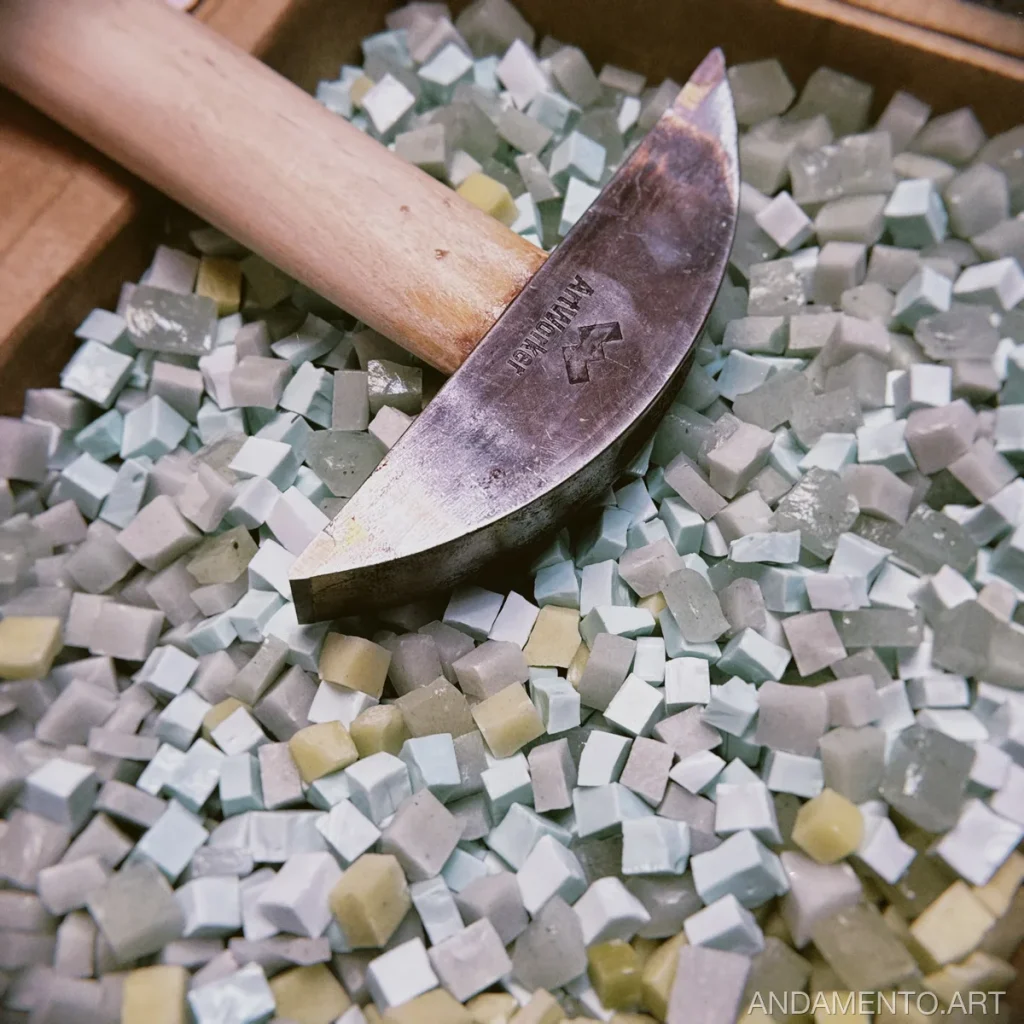
When it comes to cutting and shaping tesserae, specialized mosaic tools are indispensable. Disc nippers or wheeled nippers are commonly used for cutting glass and smalti, while a hammer and hardy are traditional tools for achieving more organic, hand-chiseled breaks in smalti and stone. Tweezers are essential for precise placement of smaller tesserae, especially in detailed areas or micromosaics. Safety glasses should always be worn when cutting tesserae to protect against flying shards.
There are two primary methods of mosaic construction, each influencing how andamento is managed:
- Direct Method: Tesserae are glued directly onto the substrate, face up. This method allows the artist to see the andamento develop in real-time, offering immediate visual feedback and flexibility for adjustments. It’s often preferred for smaller, more artistic pieces and is excellent for beginners learning to control tessera placement.
- Reverse Method: Tesserae are laid face down onto a temporary adhesive surface (like paper or film), creating the mosaic in reverse. Once completed, the entire mosaic is then transferred and adhered to its final substrate. This method is ideal for large-scale projects, floors, or outdoor installations where a perfectly flat and even surface is desired. While the andamento is not visible during the initial placement, careful planning on the carton is paramount to ensure the intended flow is achieved once the mosaic is flipped.
Работы по теме в галерее:
Regardless of the method, consistent practice and attention to detail are key to developing a strong sense of andamento. Understanding how each tessera contributes to the overall narrative is what truly distinguishes a skilled mosaic artist.
Conclusion
The art of andamento is more than just a technical detail in mosaic making; it is the soul of the artwork, dictating its rhythm, texture, and emotional resonance. From the meticulously arranged tesserae of ancient Roman villas to the shimmering angles of Byzantine icons and the dynamic flows of contemporary pieces, the conscious direction of tesserae has always been fundamental. By mastering andamento tessera placement, artists transform static fragments into vibrant narratives,