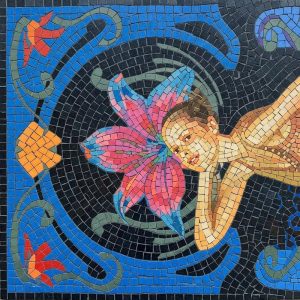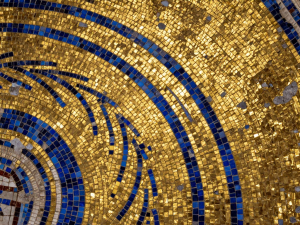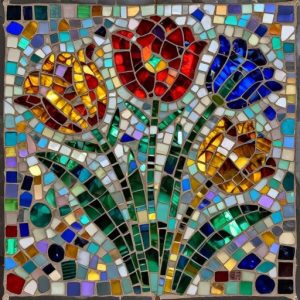
Mosaic photography stands as a unique discipline, bridging the ancient art of mosaic with the modern craft of digital imaging. For over 4000 years, mosaics have adorned surfaces from Mesopotamia to the Byzantine Empire, evolving into complex artworks that demand a keen eye to capture their essence through a lens. This article explores how photographers can master the challenge of documenting these intricate pieces, focusing on techniques to highlight texture, vibrant color, and the dynamic interplay of light.
The Unique Challenge of Photographing Mosaics
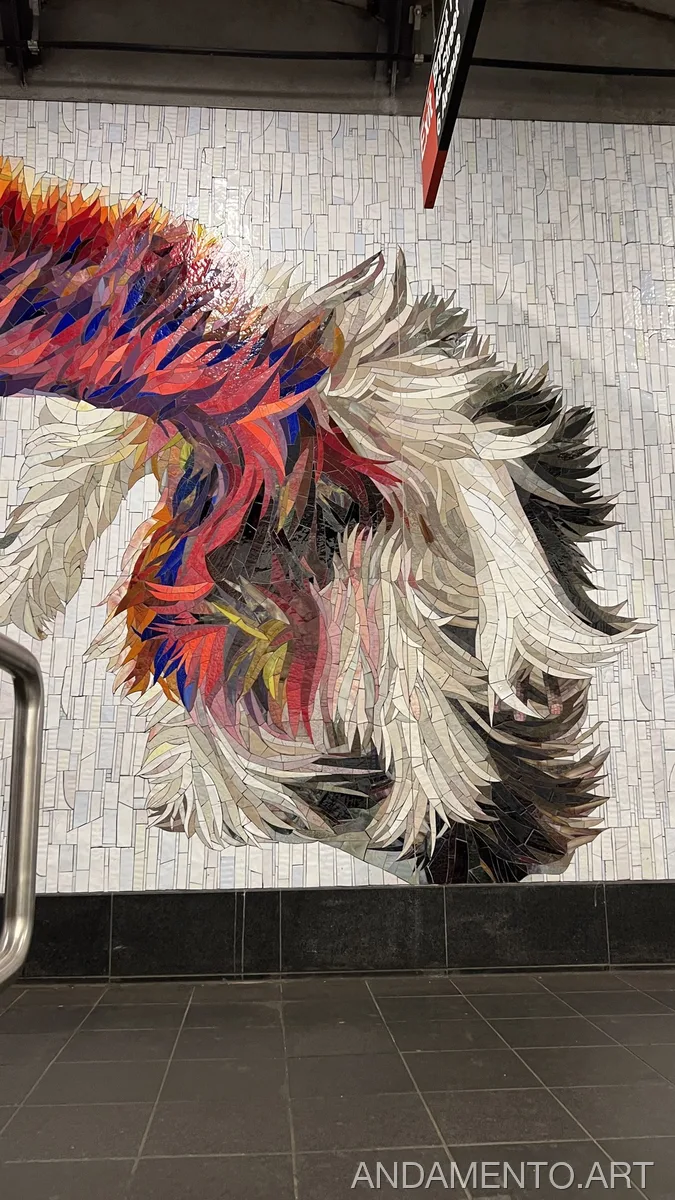
Mosaics, often referred to as “pictures made of stones” in ancient times, present a distinct set of challenges for photographers. Unlike paintings, mosaics possess a three-dimensional quality, with each individual tessera contributing to the overall texture and reflective properties. The historical significance of many mosaics, from the monumental works of the Byzantine era in places like the Hagia Sophia to the grand Soviet mosaics, adds another layer of complexity. Photography serves as an indispensable tool for documenting, studying, and promoting this enduring art form, creating visual archives for future generations. Interestingly, modern digital photography itself can be seen as a “digital mosaic,” with millions of pixels forming a cohesive image, mirroring the way tesserae create a mosaic artwork.
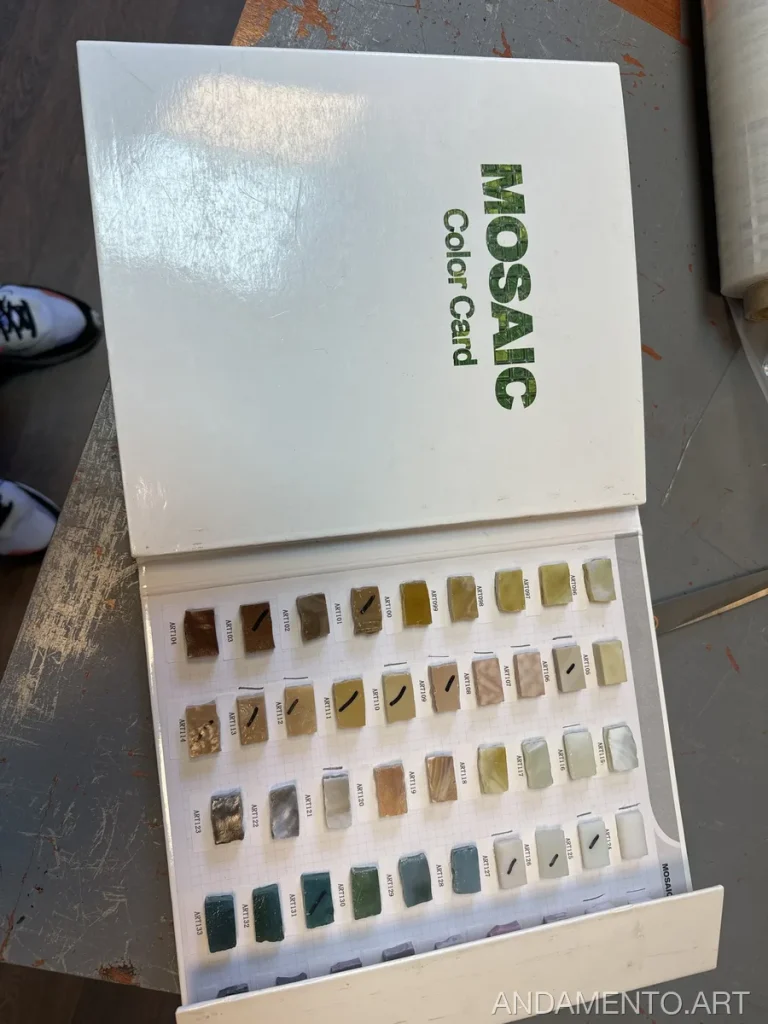
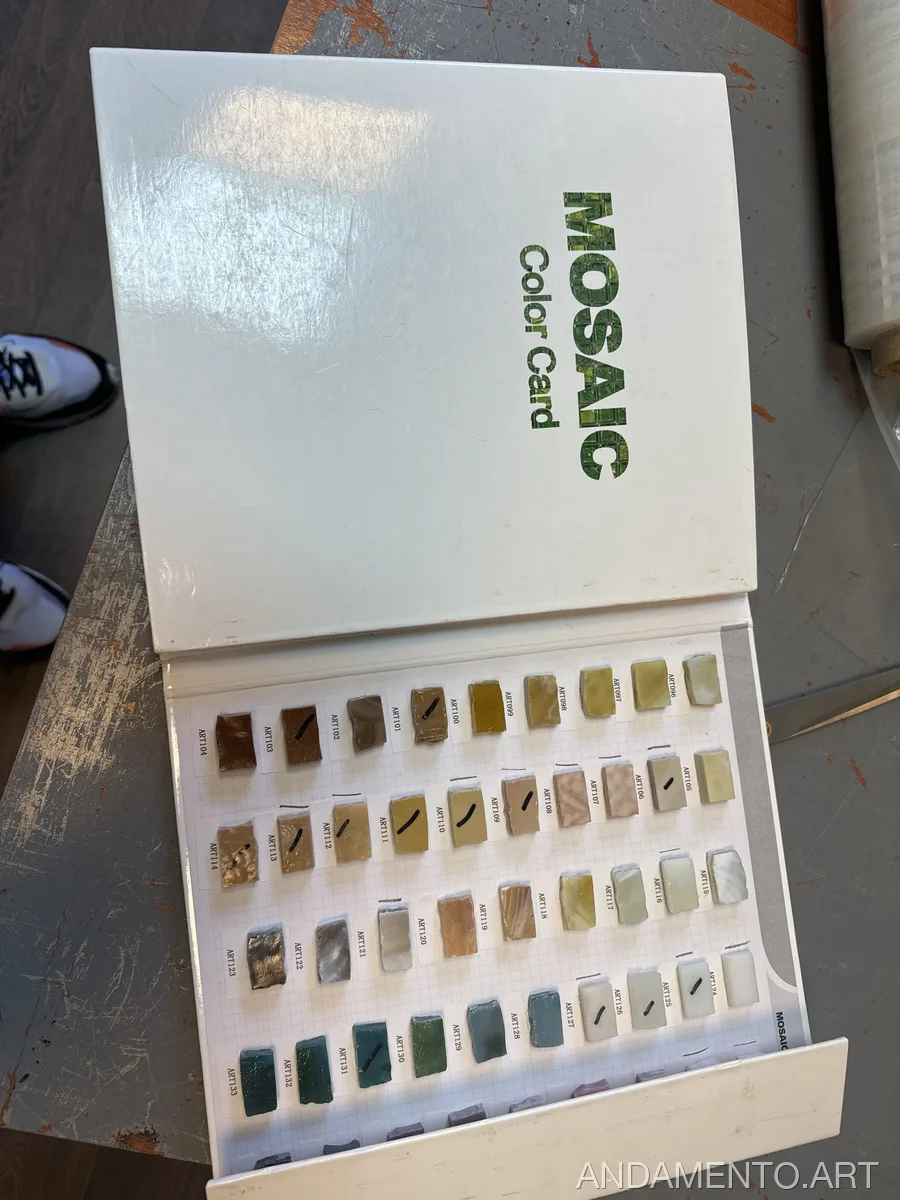
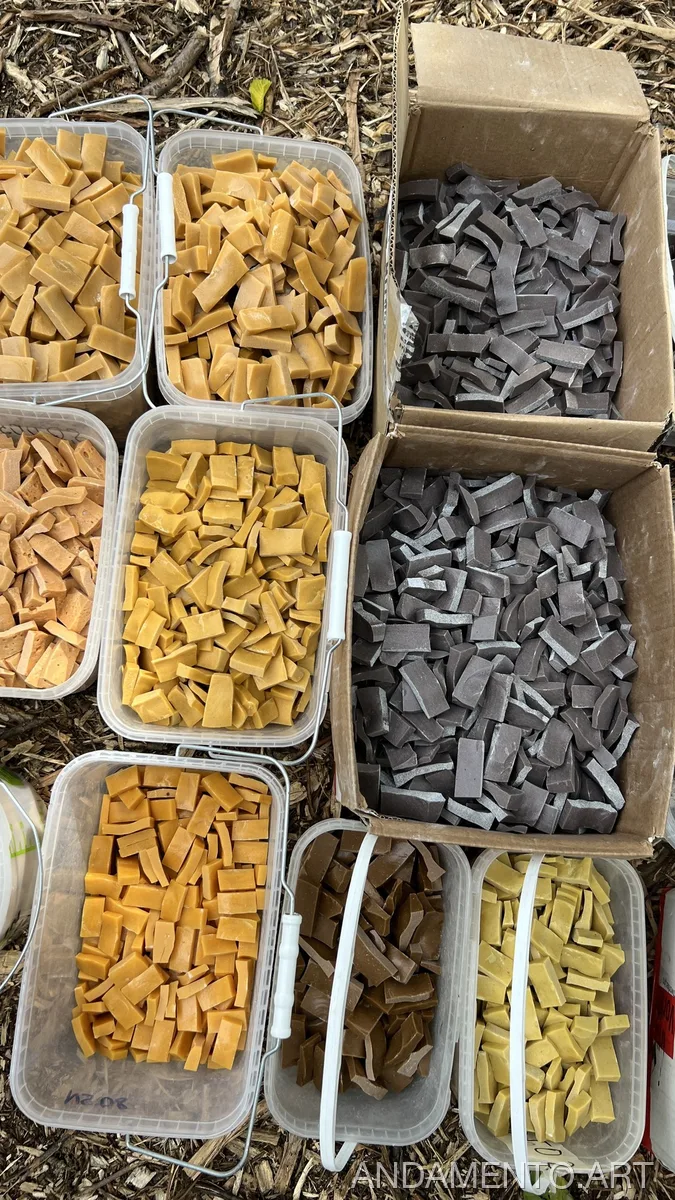
Capturing the true spirit of a mosaic requires understanding its materials—whether it’s the opaque richness of smalti, the natural elegance of stone like marble and travertine, or the translucence of stained glass. Each material reacts differently to light, influencing the final photographic outcome. ArtWorker offers a wide range of materials, including their unique MELTI smalti with 24 experimental shades and the extensive V3.2 palette of 163 colors, providing artists with endless possibilities that photographers then strive to capture.
Techniques for Capturing Intricate Details and Texture
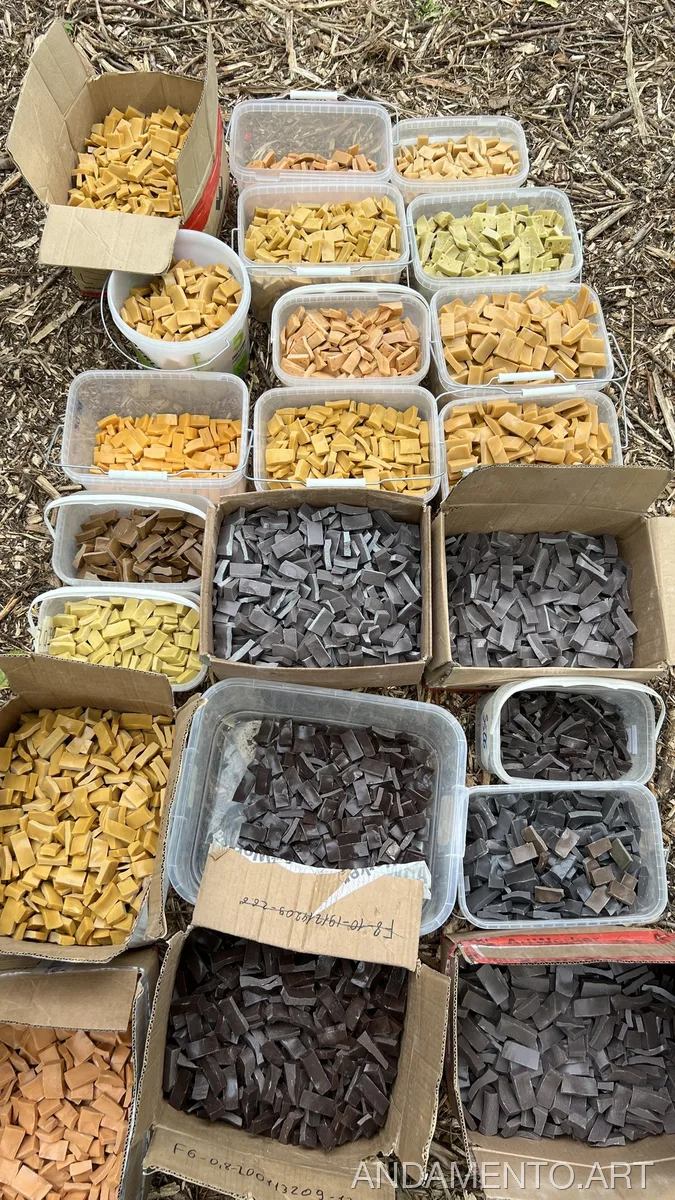
To truly convey the artistry of a mosaic, photographers must delve into its intricate details. Macro photography is crucial for revealing the minute variations in individual tesserae, especially in micromosaics where tesserae can be as small as 0.5 mm. Techniques like focus stacking can ensure sharp detail across the entire depth of the mosaic, from the foreground tesserae to those set deeper within the adhesive. When photographing natural stone mosaics, capturing the unique veining of marble or the porous texture of travertine adds depth and authenticity to the image. For smalti, highlighting the subtle imperfections and variations in each hand-cut piece can emphasize the artisanal quality. ArtWorker’s V3.2 smalti, known for its minimal internal tension, offers clean breaks that contribute to the mosaic’s distinct texture, a feature worth emphasizing in photographs.
Understanding the material is key. For example, the rich, opaque nature of smalti lends itself to capturing deep, saturated colors, while translucent glass mosaic tile might require backlighting to reveal its full brilliance. Photographers should experiment with angles and lighting to bring out the specific characteristics of each material. For a deeper dive into materials, consider exploring Smalti for Mosaics: Types, Properties & How to Choose.
Mastering Light: The Soul of Mosaic Photography
Light is perhaps the most critical element in mosaic photography. The unique ability of mosaics to reflect light, especially from the glossy surface of tesserae, makes them particularly captivating for photographers. The way light interacts with the mosaic can dramatically alter its appearance, bringing out hidden colors and textures. Byzantine mosaics, for instance, often feature tesserae laid at slight angles to create a shimmering, ethereal effect, which is best captured with careful attention to lighting.
- Natural Light: For outdoor mosaics, the “golden hour” (shortly after sunrise or before sunset) provides soft, warm light that enhances colors and minimizes harsh shadows. Overcast days offer diffused light, reducing reflections and providing an even exposure.
- Artificial Light: When shooting indoors or in controlled environments, artificial lighting can be strategically used. Side lighting is excellent for emphasizing the relief and texture of the tesserae, making the mosaic appear more three-dimensional.
- Controlling Reflections: Mosaics, especially those with polished surfaces or glass tesserae, can be highly reflective. Using a polarizing filter can significantly reduce glare and enhance color saturation. Adjusting your shooting angle can also minimize unwanted reflections, allowing the true colors and forms to emerge.
Experimenting with different light sources and angles is essential to reveal the full spectrum of a mosaic’s visual appeal. The interplay of light and shadow can transform a static image into a dynamic representation of the artwork.
Composing the Shot: From Grand Scale to Fine Art
Composition in mosaic photography involves balancing the grandeur of large installations with the intimacy of individual artistic expression. Whether you’re photographing vast architectural mosaics or detailed contemporary pieces, a thoughtful approach to composition is vital.
- Architectural and Public Mosaics: When documenting large-scale works, such as those found in Ravenna, Soviet monumental art, or modern public spaces, consider the context. Use wide-angle lenses to capture the mosaic within its environment, showcasing its scale and integration. Leading lines, symmetry, and framing can guide the viewer’s eye through the artwork and its surroundings.
- Historical and Contemporary Art: Focus on storytelling. For historical mosaics, like those in the Kunsthistorisches Museum in Vienna or the British Museum, aim to convey their age and preservation. For contemporary works by artists like Ludovico Ferroni, Kenneth Friend, or Alison Morgan, highlight the unique artistic vision and modern techniques.
- Capturing Andamento: The “andamento” – the flow and direction of tesserae – is a fundamental aspect of mosaic art. Photographers should strive to capture this movement, allowing the lines of the tesserae to guide the viewer through the composition, much like brushstrokes in a painting. This is especially important in custom mosaic portraits or intricate mosaic murals.
By carefully considering perspective, framing, and the overall narrative, photographers can create images that not only document but also interpret the mosaic’s artistic intent.
Essential Gear and Tips for Aspiring Photographers
For those aspiring to specialize in mosaic photography, a few key tools and practices can elevate your work:
- Camera: A DSLR or mirrorless camera offers flexibility with interchangeable lenses and manual controls.
- Lenses:
- A macro lens is indispensable for close-ups of tesserae and intricate details.
- A wide-angle lens is useful for capturing large architectural mosaics and their surroundings.
- A versatile prime lens (e.g., 50mm) can provide excellent image quality for general shots.
- Tripod: Essential for stability, especially in low-light conditions or when using focus stacking.
- Polarizing Filter: Crucial for managing reflections and enhancing colors, particularly for glossy or glass mosaics.
- Editing Software: Programs like Adobe Lightroom or Photoshop are vital for post-processing, allowing you to adjust exposure, color, and sharpness, bringing out the best in your mosaic photographs.
Beyond gear, patience and observation are your most valuable assets. Spend time studying the mosaic, observing how light changes throughout the day, and experimenting with different angles. Consider taking an online mosaic course or attending a master-class to better understand the art form from a maker’s perspective, which can greatly inform your photography. For inspiration, explore the andamento.app, where AI transforms photos into mosaic designs, offering a new perspective on composition and color. This tool can help you visualize how a photo translates into a mosaic, providing insights for your own photographic work.
Работы по теме в галерее:
Mosaic photography is a captivating journey into an ancient art form, brought to life through the modern lens. By understanding the unique qualities of mosaics—their materials, textures, and interaction with light—photographers can create stunning images that honor the craftsmanship and beauty of these timeless artworks. Whether documenting a historical masterpiece or showcasing a contemporary creation, the art of capturing mosaics continues to inspire and preserve this rich cultural heritage.
Попробовать идею до начала работы можно в andamento.app — загрузите любое фото и посмотрите как оно выглядит в разных техниках мозаики с реальной палитрой материалов.