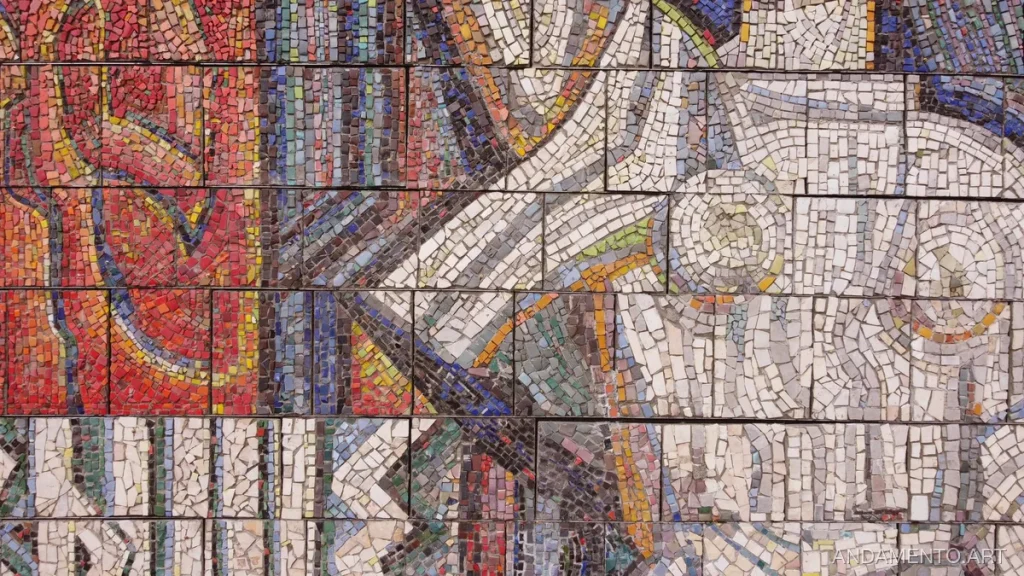
Abstract mosaic art represents a dynamic evolution of an ancient craft, moving beyond literal representation to explore the pure essence of form, color, and texture. This artistic direction allows creators to express complex ideas and emotions without relying on recognizable figures or scenes, inviting viewers into a realm of personal interpretation and visual rhythm.
The Evolution of Abstraction in Mosaic
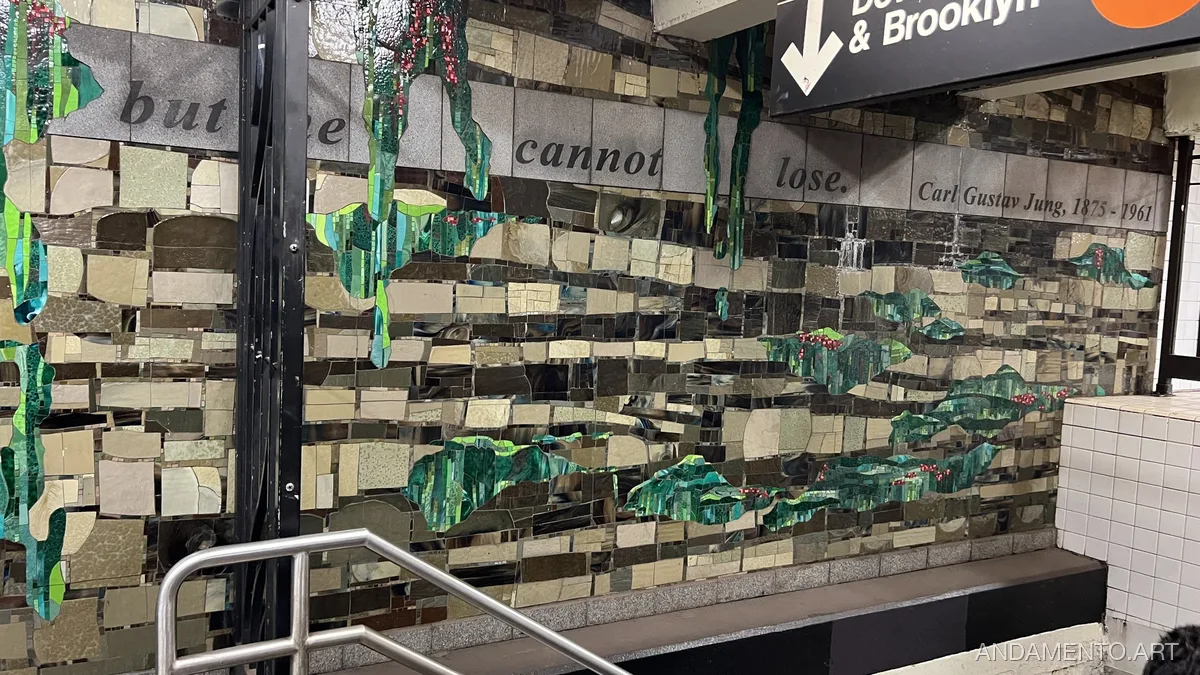
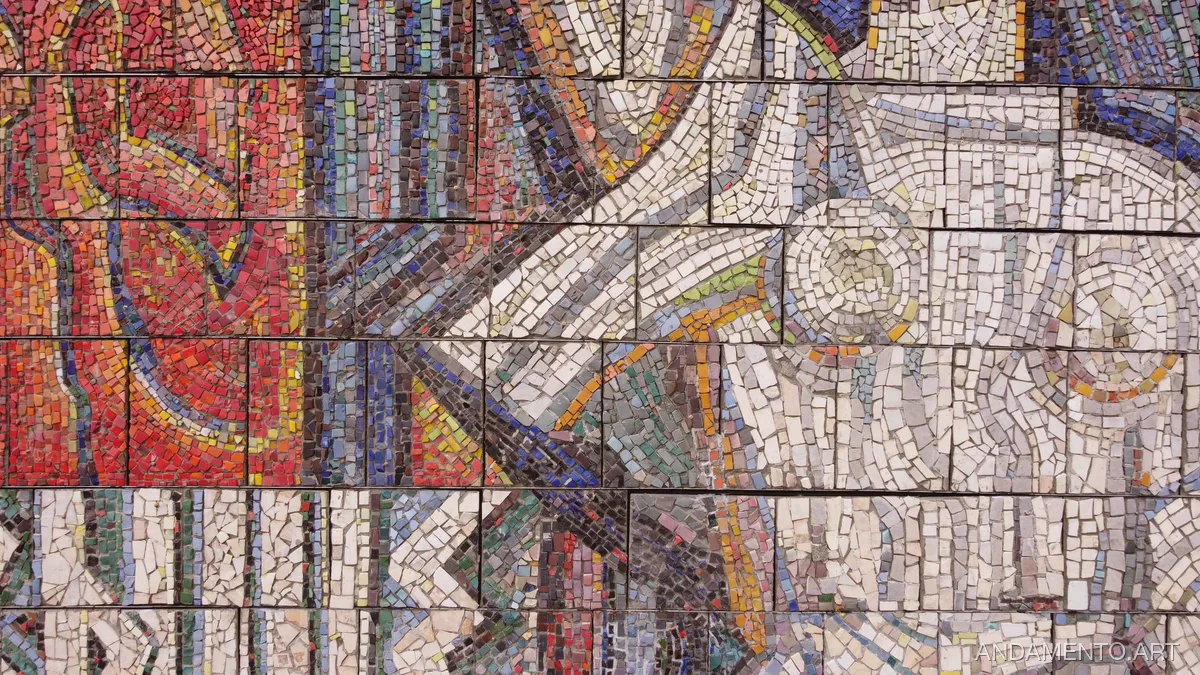
The journey of abstract mosaic art began its active development in the 20th century, evolving in parallel with broader trends in abstract art. This period saw artists increasingly interested in non-representational forms, seeking to convey meaning through fundamental visual elements rather than narrative. One of the early pioneers in this field was the Italian artist Gustavo Mancini, who worked in the mid-20th century, pushing the boundaries of what mosaic could achieve beyond traditional figurative works.
Unlike classical mosaic, which often depicted mythological scenes, portraits, or religious iconography, abstract mosaic art focuses on the interplay of visual elements themselves. It emphasizes the intrinsic qualities of the tesserae—their individual colors, shapes, and textures—to create a unified yet non-objective composition. This shift opened up new possibilities for expression, allowing mosaicists to explore themes of movement, energy, and emotion in a purely abstract language.
Principles of Abstract Mosaic Composition
Creating compelling abstract mosaic art involves a careful consideration of several key principles that transcend literal representation. Artists manipulate these elements to evoke specific feelings or ideas:
- Form and Line: Instead of outlining recognizable objects, abstract mosaicists use lines and shapes to create visual pathways, define spaces, and establish a sense of movement or stillness. Techniques like andamento, where tesserae are laid to follow the direction of a form, become particularly expressive in abstract contexts, guiding the eye through the composition. Tools like andamento.app can help artists visualize and plan these complex patterns.
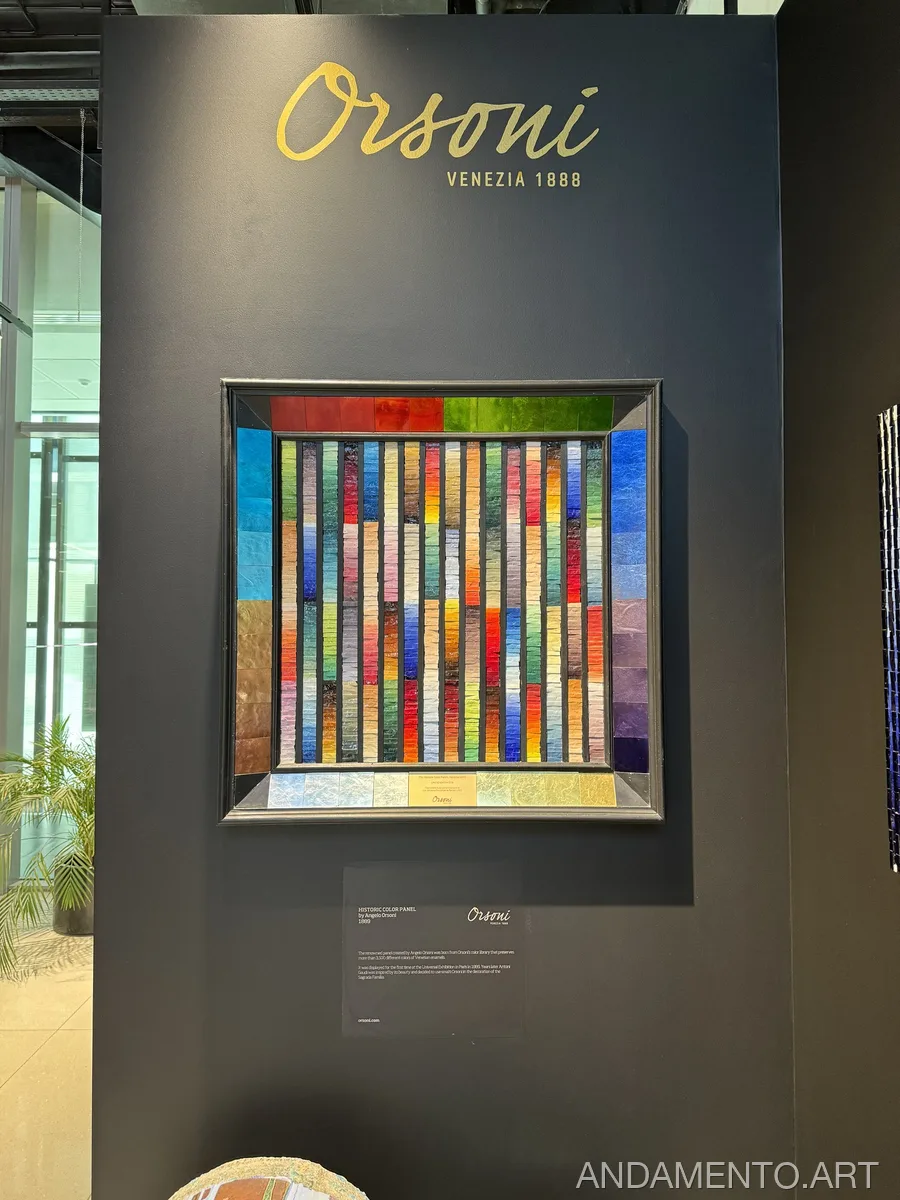
- Color and Light: Color palettes are chosen not to replicate reality, but to create mood, contrast, and harmony. Artists such as Kim Ellen Parker are known for exploring the interaction of color and light in their abstract mosaics, creating works that subtly change their appearance depending on the viewing conditions. The reflective qualities of materials like smalti or glass can be harnessed to add depth and vibrancy.
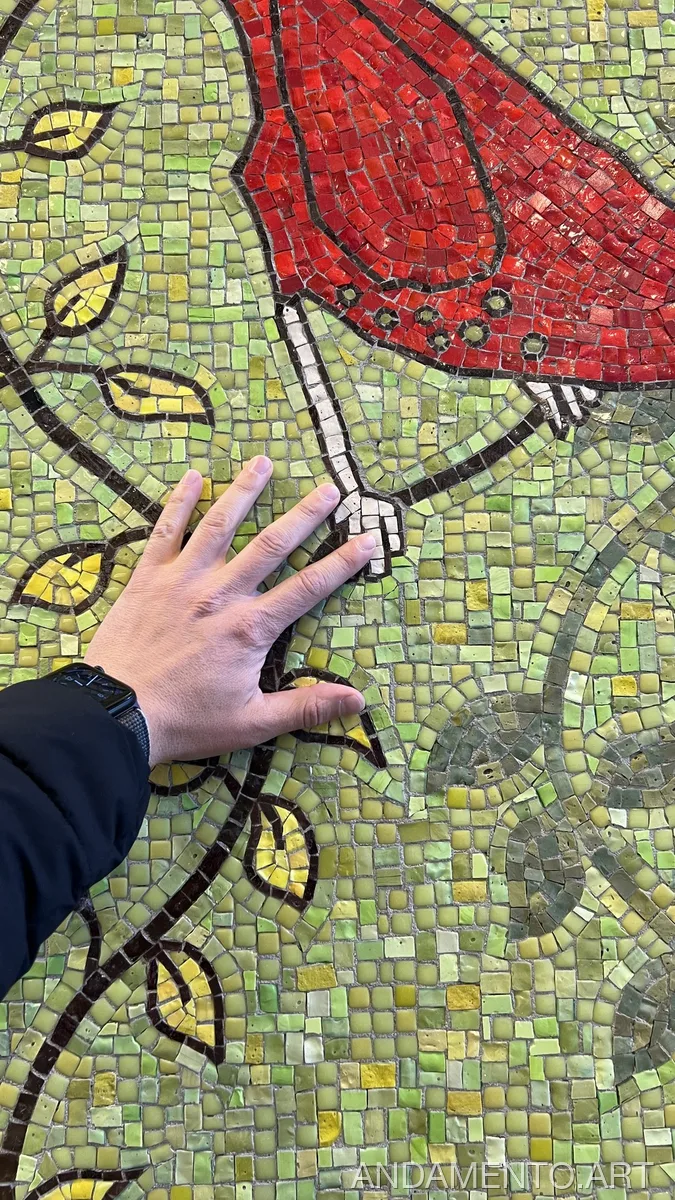
- Texture and Rhythm: The size, shape, and surface quality of the tesserae play a crucial role in creating textural variations and visual rhythm. Irregularly shaped tesserae, varying thicknesses, or mixed materials can add tactile interest and dynamism. This rhythmic arrangement contributes to the overall energy and flow of the piece, making it visually engaging.
By thoughtfully combining these principles, artists craft compositions that resonate on an emotional and intellectual level, inviting viewers to engage with the artwork on their own terms.
Materials and Techniques for Abstract Expression
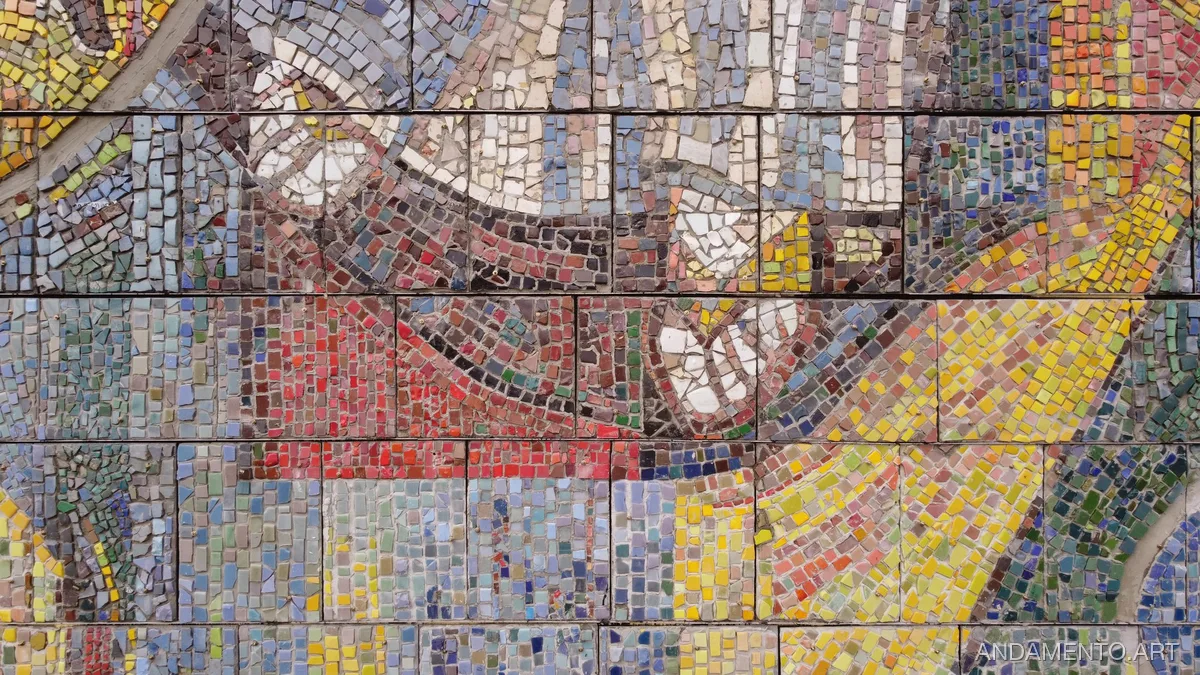
The versatility of mosaic materials lends itself perfectly to abstract expression. Artists are not confined to traditional choices but embrace a wide array of elements to achieve their artistic vision:
- Diverse Materials: Glass, ceramic, natural stone (marble, granite, travertine), and metal are commonly used. Contemporary artists also incorporate unexpected elements, including recycled materials or found objects from nature and urban environments, imbuing their works with unique narratives. ArtWorker offers a wide range of smalti and natural stone, perfect for abstract compositions.
- Tesserae Manipulation: The intentional variation in the size and shape of tesserae is a hallmark of abstract mosaic. From tiny micromosaic pieces (0.5–4 mm) that create painterly effects to larger, more sculptural elements, each choice impacts the overall texture and visual impact.
- Traditional and Modern Techniques: While abstraction is a modern concept in mosaic, it often draws upon traditional techniques. For instance, the “antique” mosaic technique, where tesserae are laid with minimal or no visible grout lines, can be adapted to create seamless, flowing abstract compositions. Conversely, the vibrant and organic forms of ArtWorker’s unique MELTI smalti allow for contemporary artistic expressions. Essential
Создайте свою мозаику
Загрузите фото или опишите идею — AI создаст мозаику за минуты
Попробовать бесплатно →