The ancient art of mosaic, traditionally built piece by piece from tesserae, has found a captivating new frontier in the digital realm. This emerging field, known as **цифровая мозаика**, leverages pixels and algorithms to create stunning, intricate artworks that echo the timeless beauty of their physical counterparts. From the blocky aesthetics of pixel art to sophisticated generative compositions, digital mosaics represent a modern evolution, pushing the boundaries of artistic expression while maintaining a deep connection to traditional mosaic principles.
Истоки цифровой мозаики: от пиксель-арта до генеративных систем
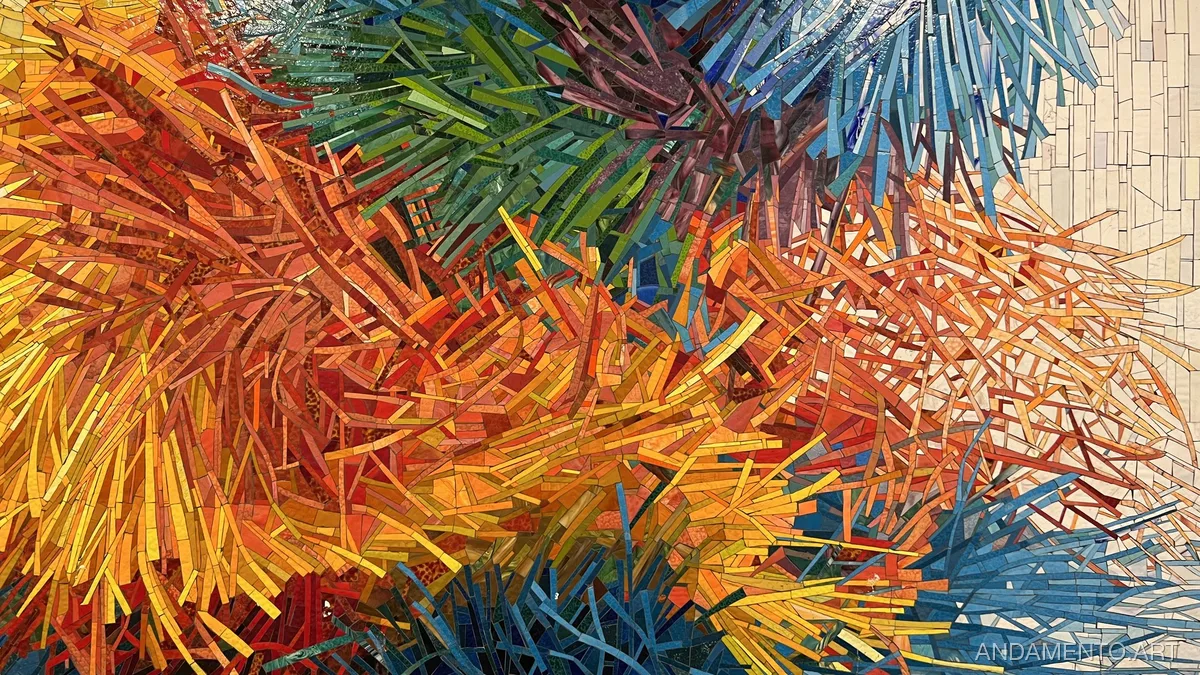
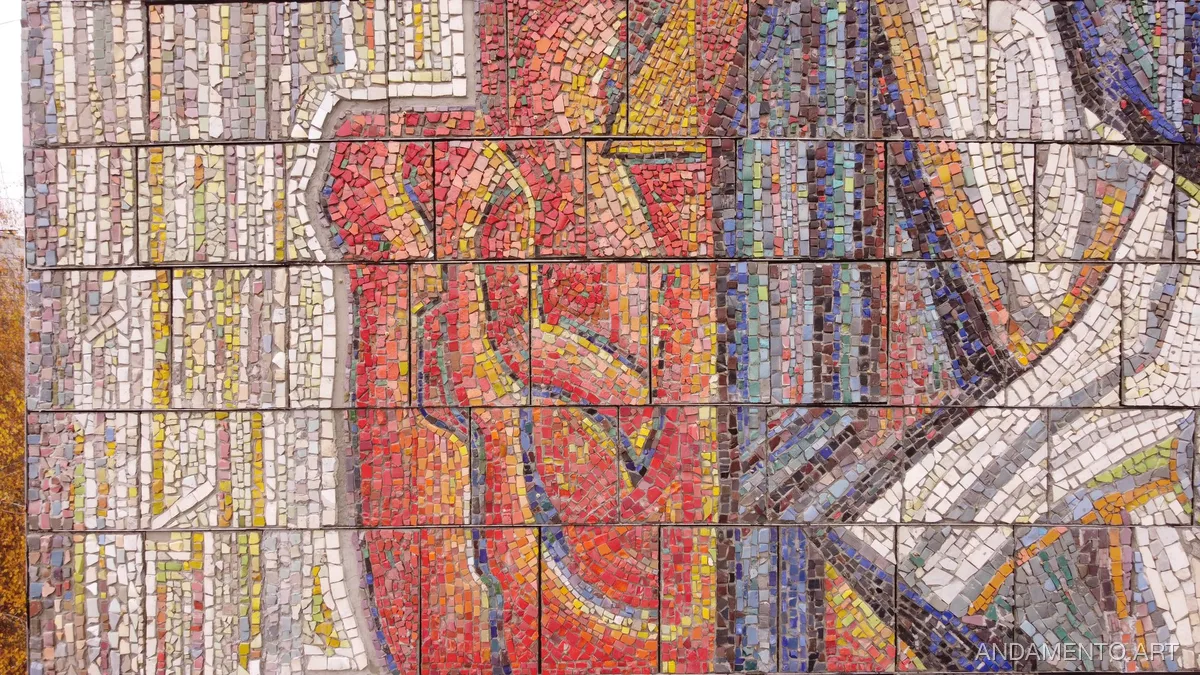
The journey of **digital mosaic art** often traces back to the 1970s with the advent of pixel art. Early video games laid the groundwork for this digital form, where images were meticulously constructed from individual pixels, much like a mosaicist arranges tesserae. С появлением первых графических редакторов и специализированного программного обеспечения, художники получили возможность экспериментировать с этим форматом, создавая детализированные сцены и персонажей, которые стали визитной карточкой целых поколений видеоигр. This fundamental concept of building a larger image from distinct, small units remains central to digital mosaics today. As technology advanced, so did the methods of creation. Modern digital mosaics frequently employ algorithmic generation, where complex patterns and images are produced based on predefined parameters. This allows artists to explore intricate designs and dynamic compositions that would be incredibly challenging, if not impossible, to achieve manually. The resolution of a digital image directly influences the detail of a “digital mosaic,” mirroring how the size and shape of tesserae dictate the intricacy of a traditional piece.
Moreover, the integration of artificial intelligence (AI) has significantly transformed this space. AI tools can analyze existing artistic styles and generate entirely new compositions, offering artists unprecedented creative possibilities. This synergy between ancient art and cutting-edge technology is actively explored, for instance, in initiatives that demonstrate how neural networks transform ancient art.
Принципы цифровой мозаики: мост между старым и новым
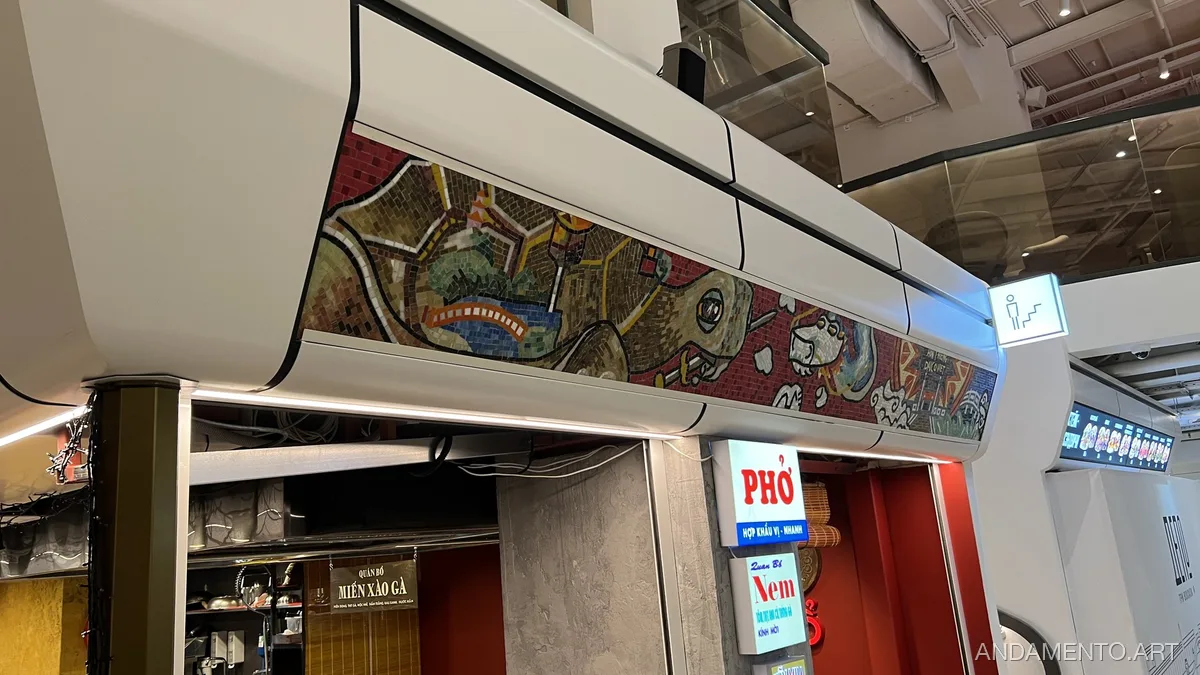
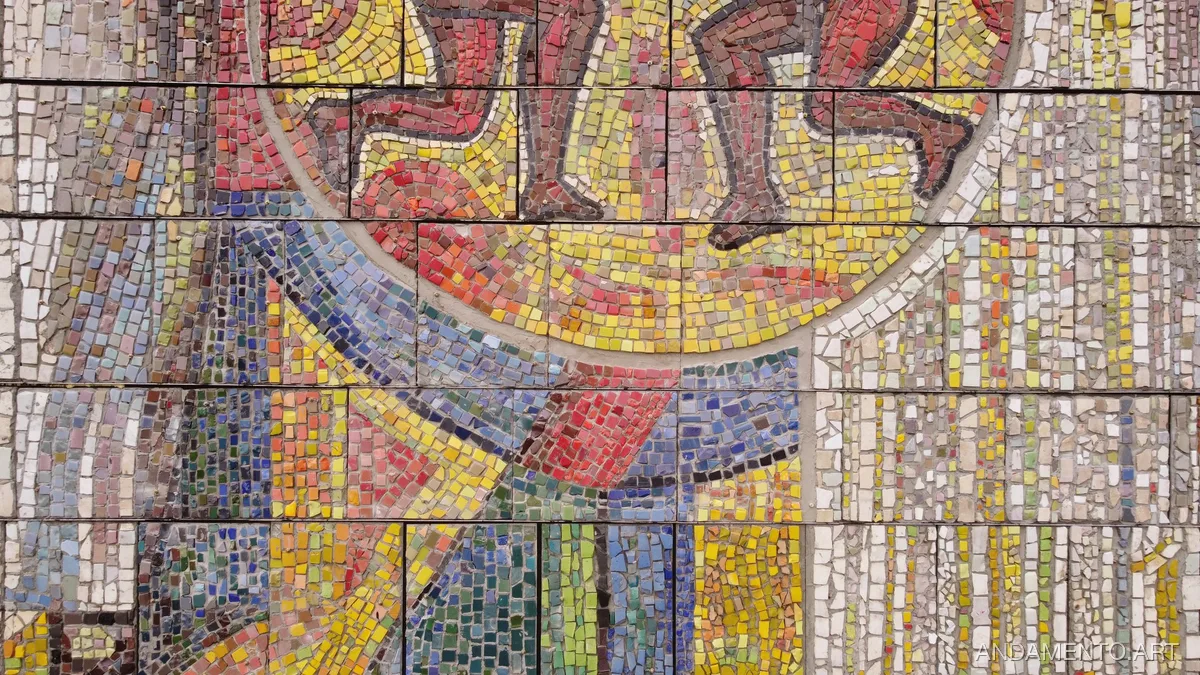
Despite their distinct mediums, **digital mosaic art** shares many core principles with traditional mosaics. Both forms rely on the careful arrangement of discrete elements to form a cohesive whole. In traditional mosaics, these are physical tesserae; in digital art, they are pixels. The fundamental concepts of composition, the selection of a harmonious color palette, and the creation of depth and perspective are equally crucial for both digital and physical mosaic artists. While digital mosaics inherently lack the tactile texture of real tesserae, artists can skillfully simulate this through sophisticated color transitions, shading, and patterned arrangements. Это требует от художника глубокого понимания цвета, света и тени, а также умения работать с цифровыми инструментами для достижения желаемого визуального эффекта. Таким образом, цифровая мозаика не просто имитирует, но и расширяет традиционные методы, предлагая новые способы взаимодействия со зрителем. Understanding “pixel literacy”—how individual pixels contribute to the overall image—is as vital for a digital mosaic artist as understanding the properties of different materials is for a traditional mosaicist. The thoughtful placement of these digital ‘tesserae’ is paramount, reflecting the importance of andamento in traditional mosaic art.
Художники и платформы, формирующие опыт цифровой мозаики
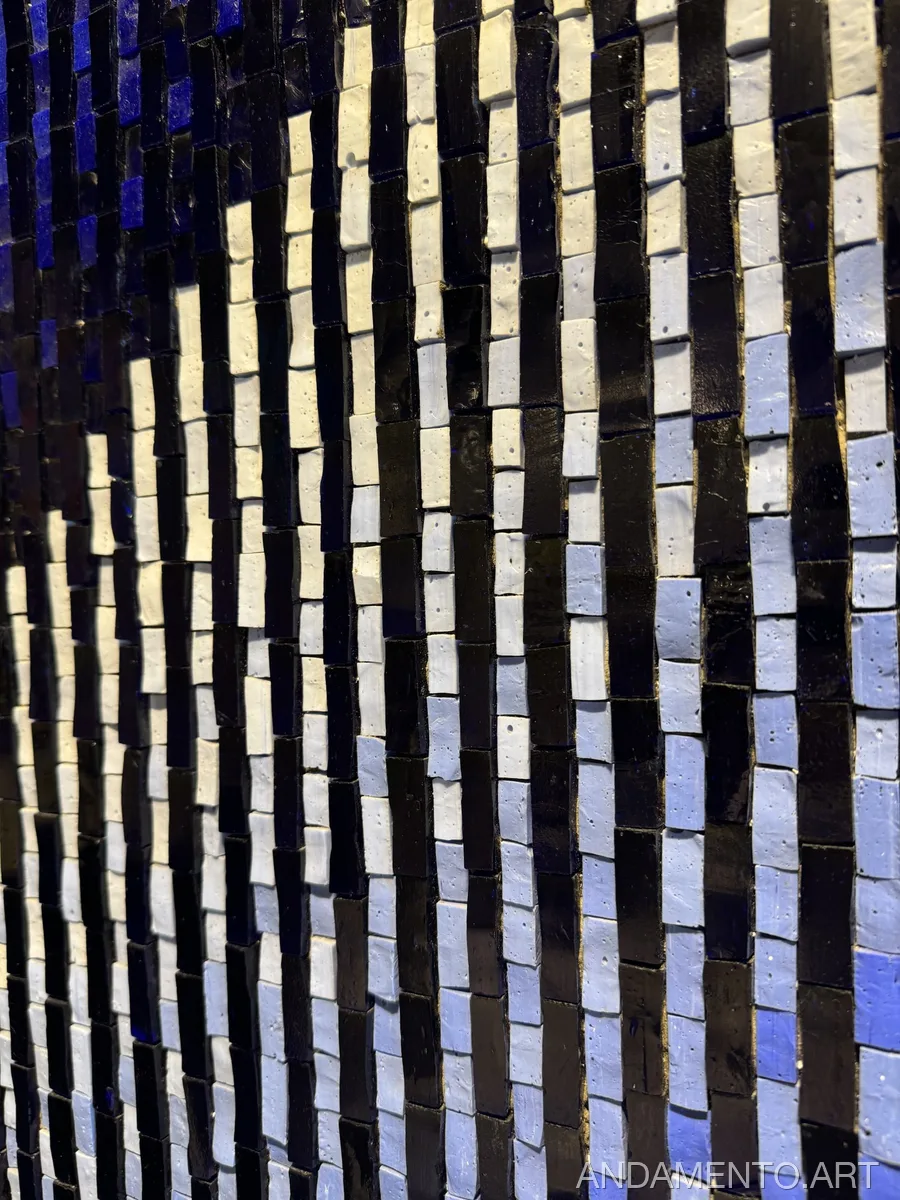
The realm of **digital mosaic art** is rich with innovative artists and platforms. Pioneers like eBoy are renowned for their highly detailed pixel-art works, which serve as compelling examples of digital mosaics. Their intricate urban landscapes and characters showcase the expressive power of carefully placed pixels. Jared Tarbell, another influential artist, delves into generative art, frequently creating pieces with a distinct mosaic-like structure through algorithmic processes. Beyond individual artists, online communities such as the Pixel Art Museum and Generative Art Community serve as vital hubs for discussion, display, and exploration of algorithmic and digital mosaic creations.
Platforms like ArtWorker’s andamento.app exemplify how technology is making digital mosaic creation accessible to a wider audience. This AI-powered service allows users to transform photos or text descriptions into mosaic-ready sketches, complete with material calculations and options to recreate them using real ArtWorker smalti. Such tools bridge the gap between digital ideation and physical realization, fostering new artistic possibilities.
Цифровая мозаика в современную эпоху: NFT, выставки и коллаборации
The contemporary art scene has fully embraced **digital mosaic art**, particularly with the rise of non-fungible tokens (NFTs). NFTs have provided artists with a novel way to monetize their digital creations, giving them unique ownership and authenticity in the digital space. The years 2024-2025 continue to see a vibrant schedule of online and offline exhibitions and festivals dedicated to digital art, frequently featuring digital mosaics. These events highlight the evolving nature of the medium and its growing recognition within the art world.
There is also a continuous development of new software tools and AI-based platforms designed to enhance the creation and display of digital mosaics. These innovations provide artists with more sophisticated control and creative freedom. Collaborations between artists and developers are increasingly common, leading to interactive digital mosaic installations and projects that blend artistic vision with technological prowess. Educational programs, including courses and workshops, are emerging to teach the techniques of creating digital mosaics and pixel art, further expanding the community of creators. These trends contribute to the broader economic influence of mosaic art, extending its reach into new digital markets.
Художественный потенциал и будущее цифровой мозаики
The artistic potential of **digital mosaic art** is vast and continues to expand. One significant advantage is its scalability; digital mosaics can be easily resized to any dimension without compromising quality, a stark contrast to the fixed nature of traditional mosaics. Artists can also explore unique aesthetic effects, such as the intentional distortion of pixels or algorithms to create a “glitch effect,” adding a distinctive contemporary edge to their work. The future of digital mosaics promises even more immersive and interactive experiences, driven by ongoing advancements in AI and virtual reality technologies. Эти технологии