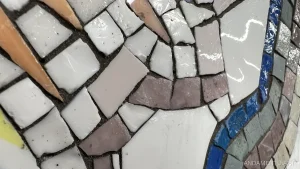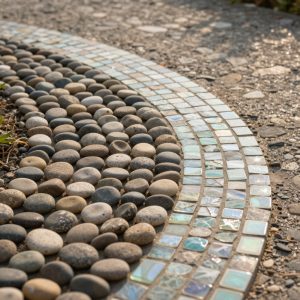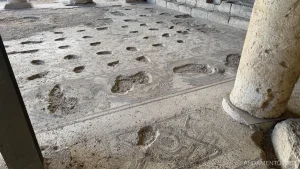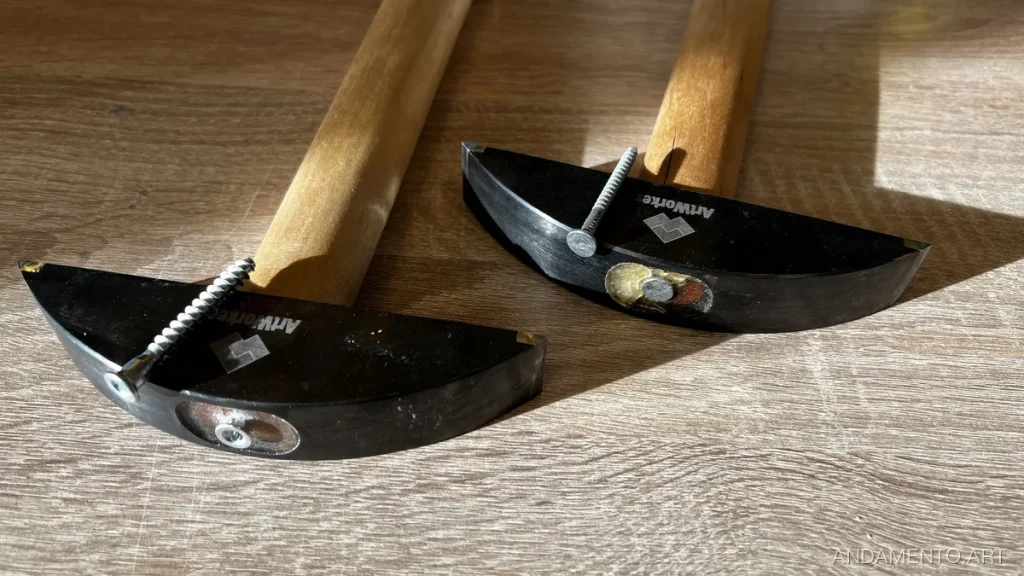
The intricate beauty of mosaic art, with its myriad of tiny tesserae forming a cohesive image, is a testament to timeless craftsmanship. Whether you are a seasoned artist or a passionate beginner, your handmade mosaic creations hold immense value, both artistic and personal. Effective mosaic art conservation is crucial to ensure these pieces endure for generations, preserving their vibrant colors and structural integrity against the ravages of time and environmental factors.
The Enduring Legacy: Why Mosaic Art Conservation Matters
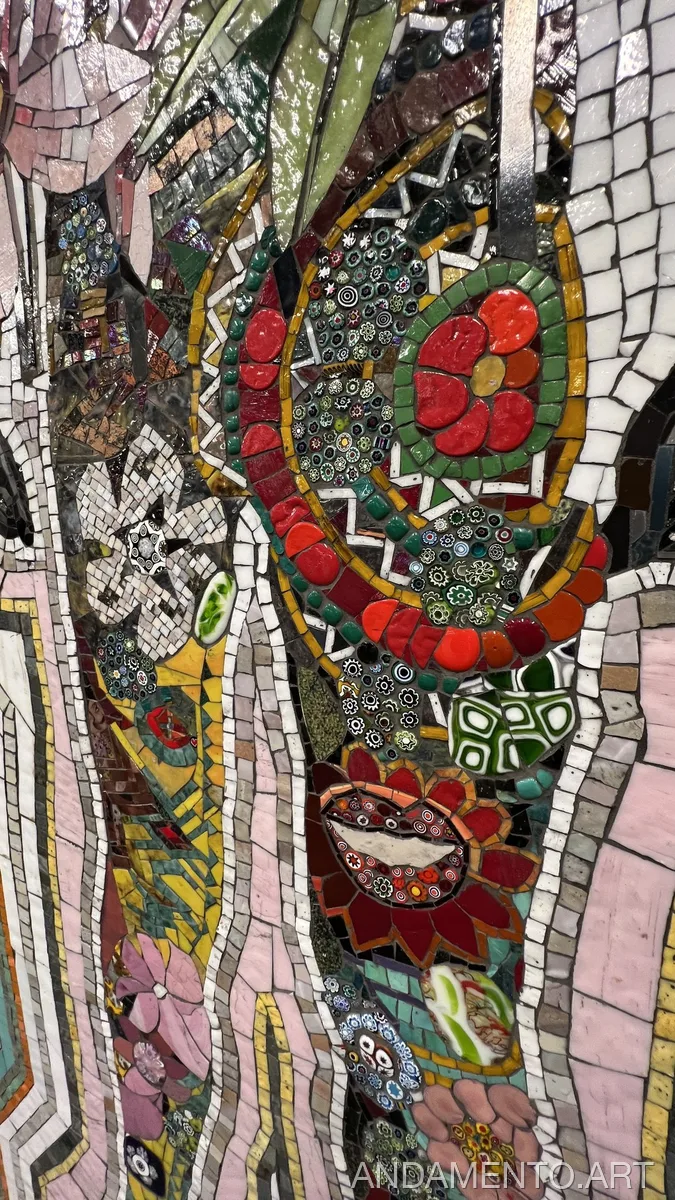
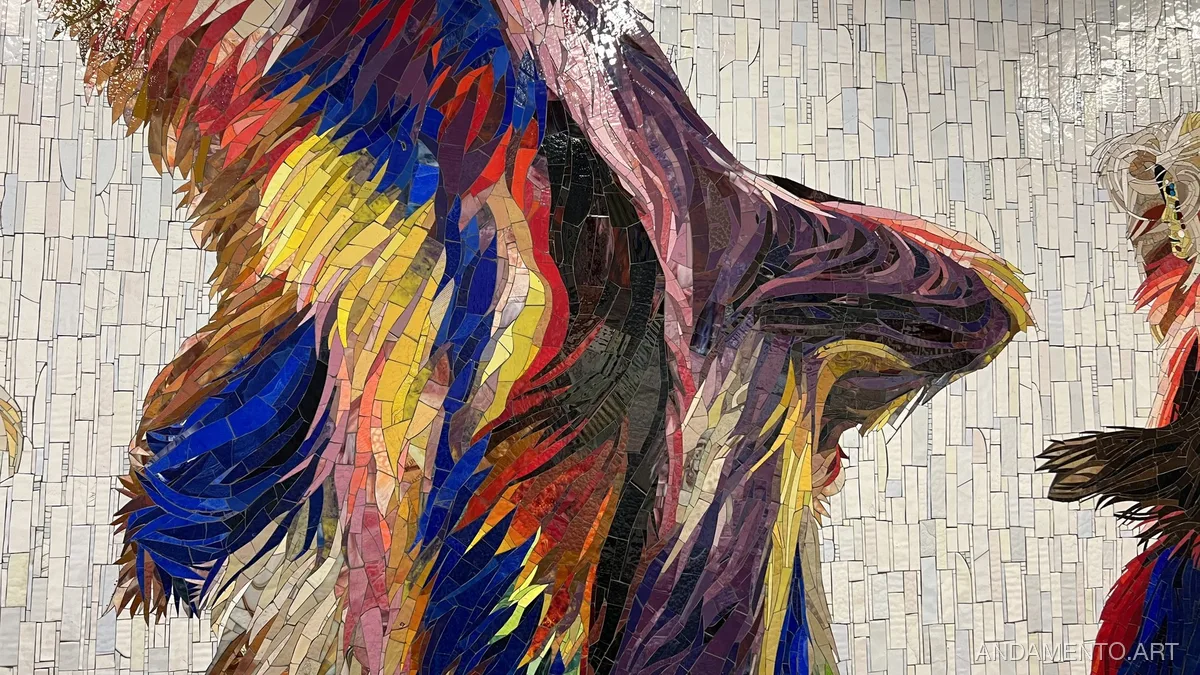
Mosaic art boasts a rich history, dating back to the 3rd millennium BC in Mesopotamia. It flourished in the Roman Empire, gracing villas and public spaces, and reached new artistic heights in Byzantine churches like the Hagia Sophia. Each period left behind a legacy of durable, beautiful artwork, much of which survives today thanks to inherent material resilience and, more recently, dedicated conservation efforts. For your contemporary handmade pieces, understanding the principles of conservation ensures they join this legacy, maintaining their aesthetic appeal and structural soundness.
The materials traditionally used in mosaic, such as smalti (opaque glass), natural stone like marble and travertine, and ceramic, are inherently robust. However, even these materials, along with modern additions like metal, mirrors, and plastics, require proper care. The goal of mosaic art conservation is not just to repair damage, but to prevent it, ensuring your unique artistic vision remains intact for future admirers.
Daily Care for Your Mosaic Creations: Cleaning and Maintenance
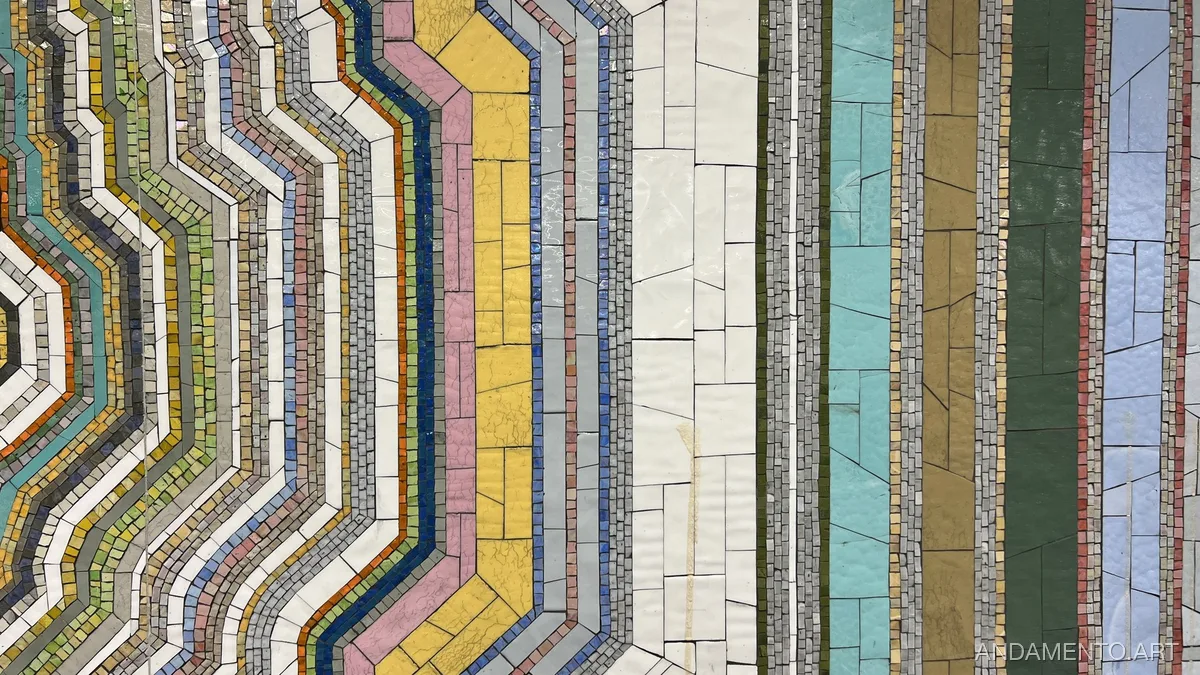
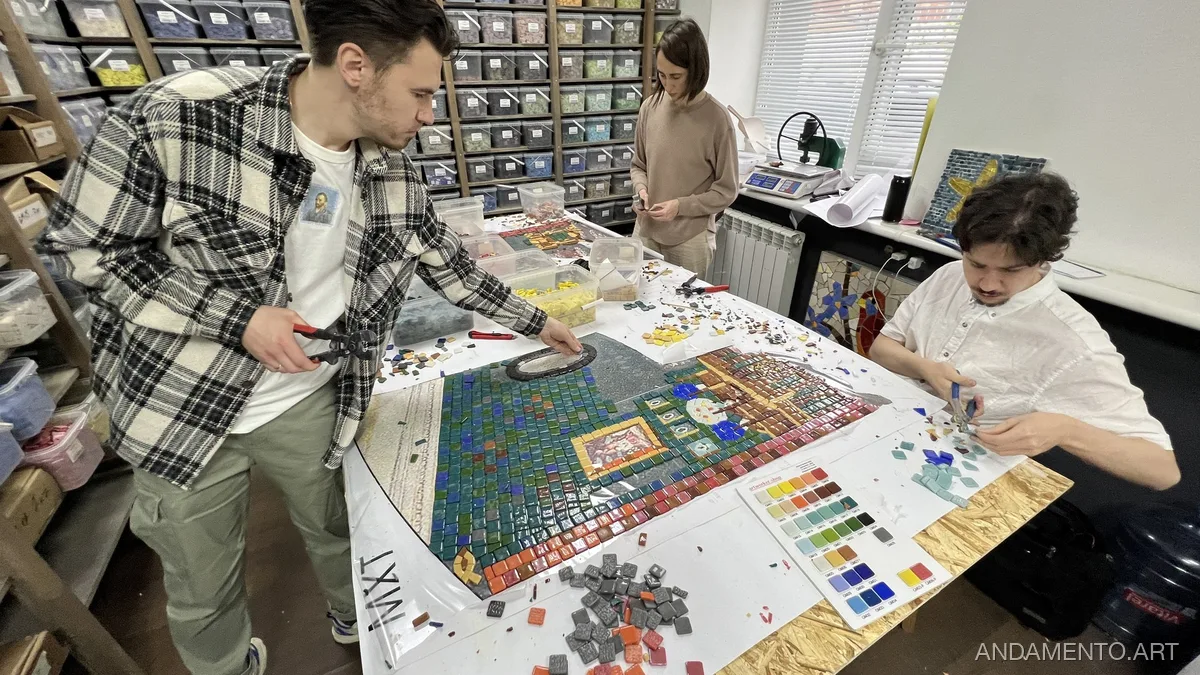
Regular cleaning is the first line of defense in mosaic art conservation. Dust, dirt, and grime can dull the mosaic‘s brilliance and, over time, degrade the grout and surface materials. The key is gentle, consistent care:
- Dusting: For indoor mosaics, use a soft, dry cloth, a feather duster, or a soft-bristled brush to remove surface dust weekly.
- Wiping: For more stubborn dirt, lightly dampen a soft cloth with clean water. Avoid excessive moisture, especially for pieces with porous grout or unsealed natural stone.
- Mild Cleaning Solutions: If water alone isn’t enough, use a very mild, pH-neutral soap solution. Apply sparingly, wipe with a clean damp cloth, and immediately dry the surface. Harsh chemicals, abrasive cleaners, or acidic solutions (like vinegar or lemon juice) are strictly prohibited, as they can corrode grout and damage tesserae surfaces.
- Avoid Abrasives: Never use abrasive sponges, brushes, or powders, which can scratch the tesserae and wear down the grout.
For outdoor mosaics, the cleaning process might be more involved due to exposure to elements. A gentle rinse with a hose (low pressure) followed by careful wiping can be effective. Ensure the mosaic dries completely to prevent mold or mildew growth in the grout lines.
Protecting Mosaic Surfaces: Indoor, Outdoor, and Environmental Factors
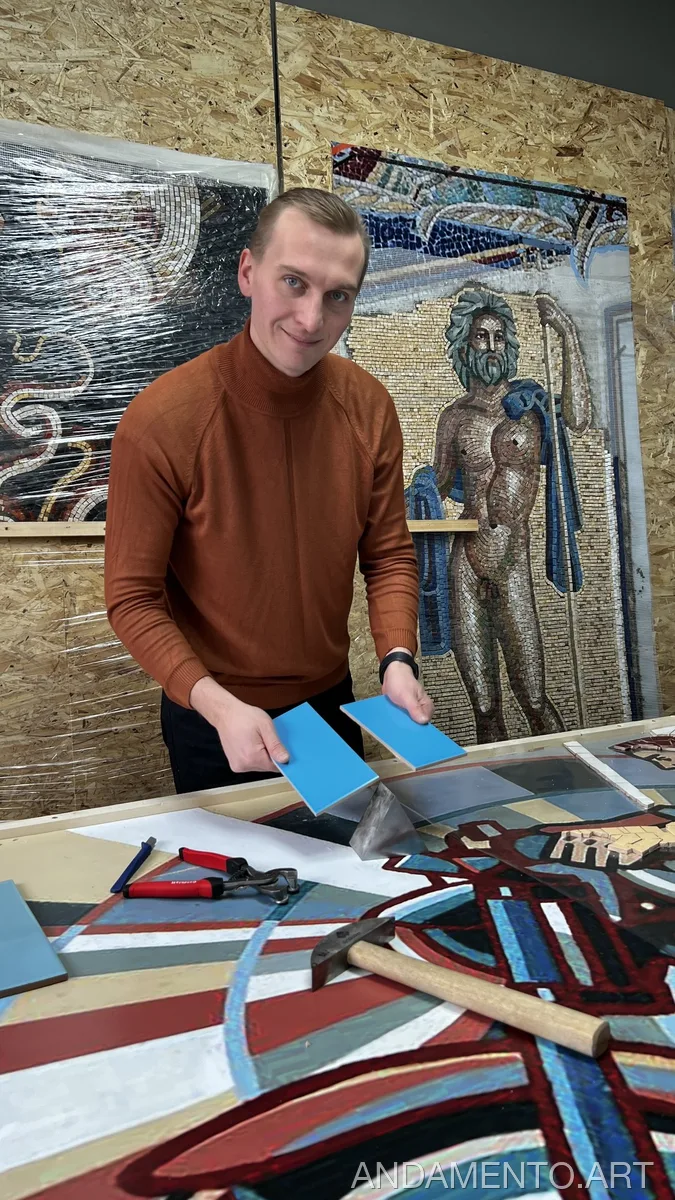
The environment in which your mosaic is displayed significantly impacts its longevity. Proactive protection is a cornerstone of mosaic art conservation.
- Sealing for Protection:
- Indoor Mosaics: For pieces with cement-based grout, applying a penetrating grout sealer can protect against stains and moisture. This is especially important for areas like kitchen backsplashes or bathroom mosaics.
- Outdoor Mosaics: Pieces exposed to the elements, such as those in gardens or on building facades, require robust protection. Use a high-quality, weather-resistant sealant designed for outdoor use. This helps prevent water penetration, which can lead to freeze-thaw damage in colder climates. For pool mosaics, specialized waterproof adhesives and epoxy grouts are essential.
- UV Protection: Prolonged exposure to direct sunlight can fade certain pigments, especially in stained glass or painted tesserae. If possible, display indoor mosaics away from direct, intense sunlight or use UV-filtering glass for framed pieces.
- Temperature and Humidity: Drastic fluctuations in temperature and humidity can cause materials to expand and contract at different rates, leading to stress on the grout and adhesive. Maintain a stable indoor environment. For outdoor pieces, this is unavoidable, making material selection and proper sealing even more critical. Only smalta or natural stone mosaics are suitable for outdoor use in climates with freezing temperatures.
Addressing Common Issues: Loose Tesserae and Grout Erosion
Even with the best care, minor issues can arise. Knowing how to address them quickly is vital for effective mosaic art conservation.
- Loose Tesserae: A single loose tessera can be a sign of adhesive failure.
- Small repairs: For minor cases, carefully remove the loose piece. Clean the back of the tessera and the spot on the substrate. Use a small amount of specialized mosaic adhesive (such as ArtWorker’s unique 1 kg or 2.5 kg Kerabond T mixed with Isolastic) to reattach it. Ensure it’s flush with the surrounding pieces.
- Prevention: Always use appropriate adhesives for your materials and environment. For example, for low-porosity materials like glass or for outdoor applications, mixing Kerabond T with Isolastic is highly recommended to achieve C2S1 or C2S2 elasticity.
- Grout Erosion or Cracking: Grout can degrade over time due to wear, moisture, or improper application.
- Minor cracks: For small cracks, clean the area thoroughly. Mix a small batch of matching grout (cement-based or epoxy grout) and carefully fill the crack using a small spatula or mastikhin. Wipe away excess immediately.
- Extensive erosion: If a large section of grout is eroding, it might be necessary to carefully remove the damaged grout and reapply it. This is a more involved process and might warrant professional advice. Remember, epoxy grout is ideal for wet areas like bathrooms and pools due to its chemical resistance and impermeability.
- Discoloration: Grout can sometimes discolor due to mold, mildew, or stains. Clean with a non-abrasive, pH-neutral cleaner. If discoloration persists, regrouting might be the only solution.
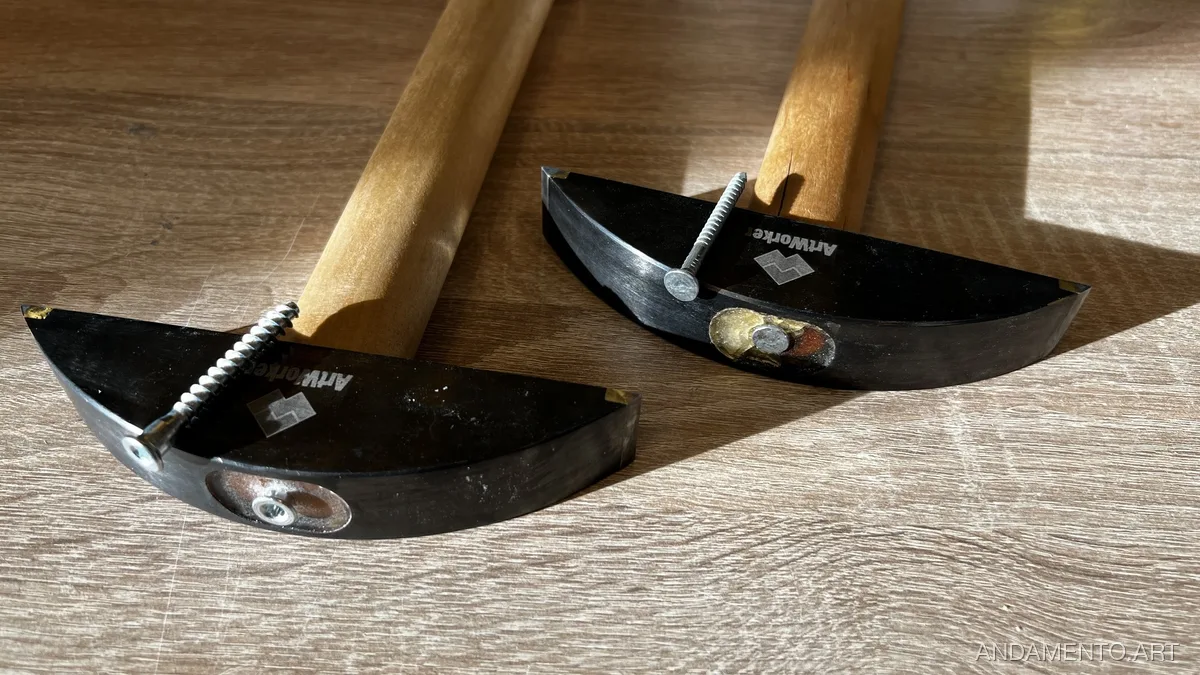
When performing DIY repairs, always wear appropriate safety gear, especially eye protection when handling mosaic tools like nippers.
Optimal Storage and Display for Longevity
Proper storage and display are critical aspects of mosaic art conservation, especially for pieces not permanently installed.
- For Unmounted or Loose Mosaics:
- Flat Storage: Store unmounted mosaic panels flat on a stable surface. Avoid stacking multiple pieces without adequate padding in between.
- Protective Wrapping: Wrap pieces in acid-free tissue paper or bubble wrap to prevent scratches and dust accumulation.
- Climate Control: Store in a cool, dry place with stable temperature and humidity to prevent adhesive degradation or material expansion/contraction. Avoid attics, basements, or garages with extreme conditions.
- For Framed or Mounted Mosaics:
- Secure Hanging: Use sturdy hardware appropriate for the weight of the mosaic. Ensure the wall can support the weight.
- Avoid High-Traffic Areas: While beautiful, displaying mosaics in areas prone to bumps or knocks increases the risk of damage.
- Consider Display Stands: For smaller panels, use stable display stands that securely hold the mosaic without putting undue stress on its edges or surface.
- For Outdoor Mosaics:
- Drainage: Ensure outdoor installations have proper drainage to prevent water pooling, which can accelerate degradation.
- Winter Protection: In harsh winter climates, consider covering outdoor mosaics with breathable, waterproof tarps to shield them from heavy snow, ice, and extreme temperature swings.
When to Call the Experts: Professional Mosaic Art Conservation
While DIY maintenance is valuable, some situations demand the expertise of a professional conservator. This is particularly true for:
- Valuable or Antique Mosaics: Pieces with historical significance or high monetary value should always be handled by professionals. Attempting DIY repairs on such items can inadvertently reduce their value or cause irreversible damage.
- Extensive Damage: If your mosaic has large cracks, significant areas of loose tesserae, structural instability, or widespread grout failure, a conservator can provide a comprehensive assessment and repair plan.
- Complex Materials: Mosaics made with rare or delicate materials, or those requiring specialized cleaning techniques, benefit from expert intervention.
- Restoration of Ancient Works: As organizations like Associazione Italiana per il Restauro (AIR) and specialists like Elisabeth Talyor emphasize, the restoration of ancient mosaics is a highly specialized field requiring deep knowledge of historical techniques and materials.
A professional conservator will use appropriate, reversible methods and compatible materials to stabilize and restore your mosaic, ensuring its long-term preservation. They can also offer tailored advice for ongoing care based on the specific composition and condition of your artwork.
Работы по теме в галерее:
Preserving your handmade mosaic art is a rewarding endeavor that protects your creative investment. By following these guidelines for mosaic art conservation, from daily cleaning to knowing when to seek professional help, you ensure your beautiful creations continue to captivate and inspire for many years to come.
Want to see how your mosaic ideas look before you start? Try andamento.app — upload any photo and see how it looks in different mosaic techniques with a real material palette. First generations are free, no registration required.