Gaudí’s trencadís mosaic is more than a mere decorative technique; it is a manifesto of architectural modernism that elevated ceramic shards into a high art form. This technique allowed the great Catalan architect to give tangible shape to his fantasies, creating the fluid, organic lines that would have been impossible to achieve with standard tiles. Today, trencadís has evolved beyond a local phenomenon of Barcelona, inspiring everyone from street artists to AI developers. Understanding this technique opens the door to a world where the imperfection of a fragment becomes the guarantee of the harmony of the whole.
History and Evolution: The Origins of Gaudí’s Trencadís
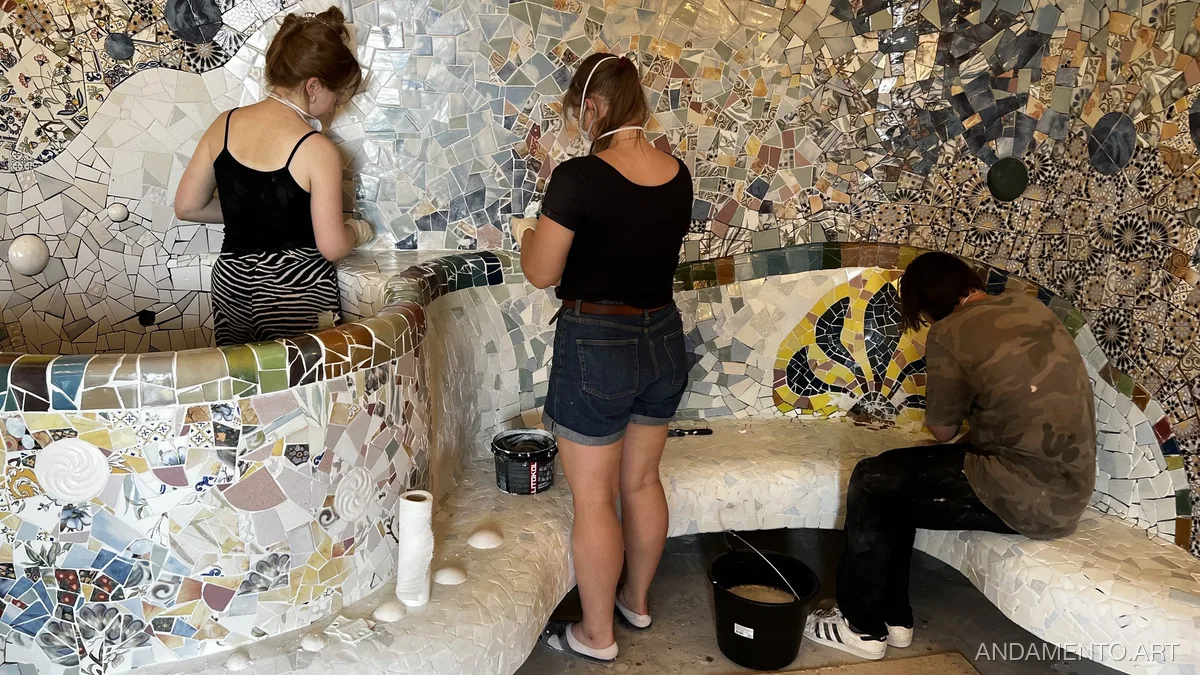
The trencadís technique (from the Catalan trencadís, meaning “broken” or “shattered”) did not emerge in a vacuum, but was the result of a search for new ways to finish complex, curved surfaces. In the late 19th and early 20th centuries, Antoni Gaudí realized that traditional Opus Tessellatum mosaics, with their rigid square elements, were too static for his architectural vision. Together with his collaborator Josep Maria Jujol, he began using recycled materials: broken ceramics, shards of porcelain tableware, and glass remnants from local factories. This was an early example of upcycling, where industrial waste was transformed into luxurious decor.
Gaudí’s trencadís differed radically from Byzantine or Roman traditions in that it did not strive for perfect geometry. Instead, the master created a dynamic rhythm where each shard was placed according to the curve of the wall or column. Gaudí used trencadís to create a “skin” for his buildings that could change color and texture depending on the lighting. This allowed him to integrate architecture into the natural landscape, mimicking fish scales, flower petals, or sea foam, which became a hallmark of Catalan Modernism.
Barcelona’s Masterpieces: Park Güell and Casa Batlló
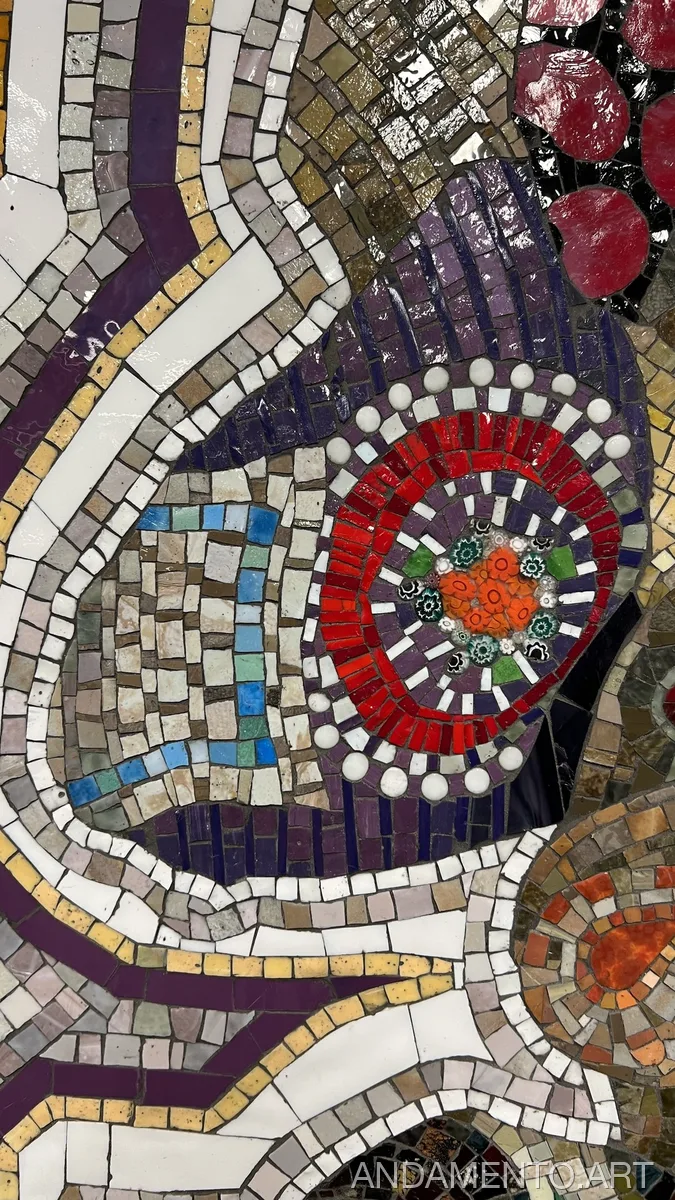
Gaudí’s trencadís is most vividly displayed in the creation of the famous undulating bench in Park Güell (1900–1914). This structure, resembling a giant serpent, is clad in thousands of multicolored ceramic shards. The bench was designed ergonomically to support the human body, and its trencadís surface creates a vibrant color contrast with the surrounding greenery. Here, Gaudí used tile fragments that would have been discarded as defects, turning them into a kaleidoscopic pattern that continues to attract millions of tourists.
Another iconic site is the facade of Casa Batlló (1904–1906), where trencadís takes on a different, more refined form. The building’s walls resemble the surface of water or the scales of a dragon. Gaudí employed a combination of glass and ceramics here to create an iridescent effect: the facade shimmers with shades of blue, green, and gold. Unlike the massive forms of Park Güell, the mosaic here works to create an illusion of fluidity and lightness. Each piece of glass was carefully selected by tone to create a smooth gradient, requiring jewelry-like precision from the craftsmen during the layout of the “broken” elements.
The Philosophy of the Broken and the Assembled
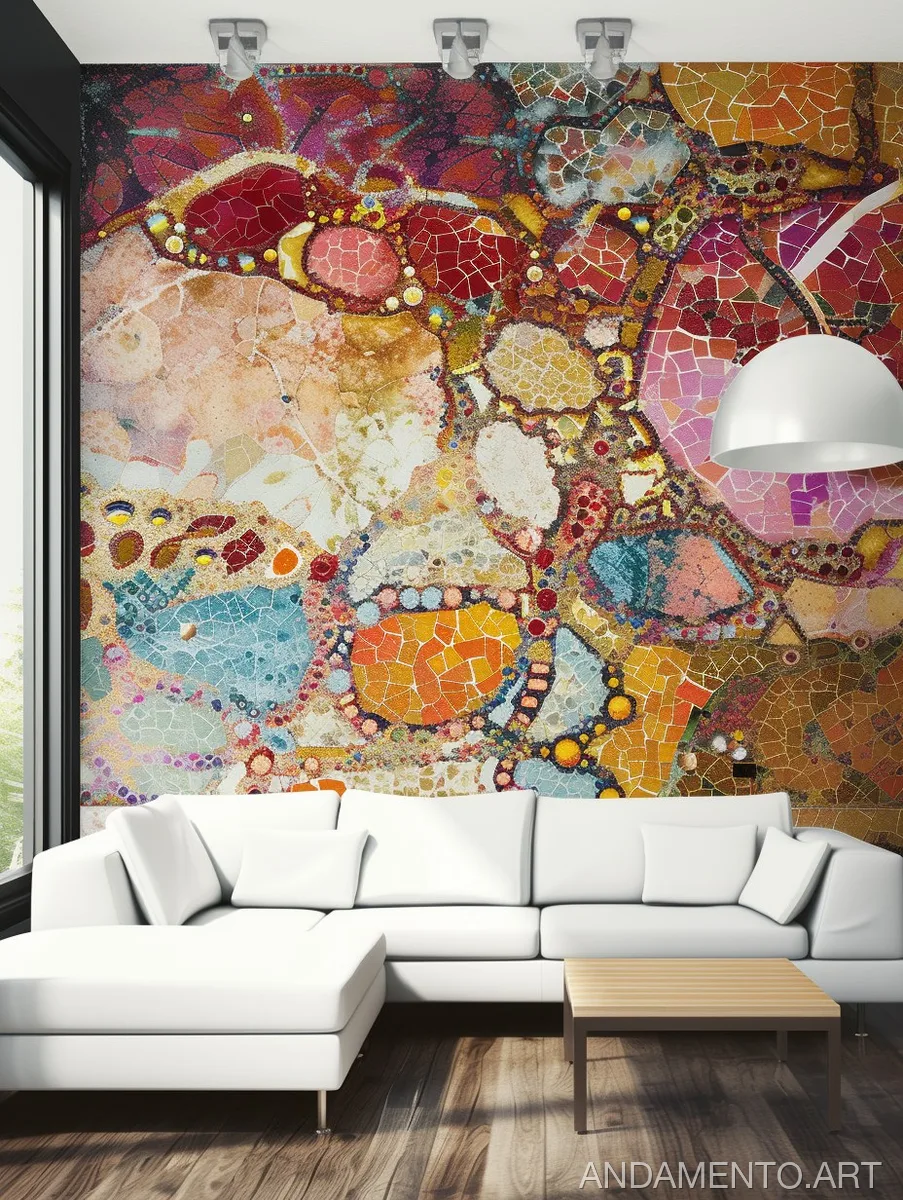
At the heart of trencadís lies a profound philosophical concept: beauty is born from destruction. Gaudí was not simply saving materials; he saw the act of breaking tiles as an act of liberating form. Traditional tiles dictate their own rules (the square, the rectangle), but a shard is free. This idea echoes the Eastern philosophy of kintsugi, where cracks in ceramics are filled with gold to emphasize the object’s history. For Gaudí, broken ceramics became a metaphor for life, where a single, harmonious image is composed from many disparate, and sometimes painful, fragments.
The application of trencadís allowed the architect to move away from the “dictatorship of the straight line,” which he considered alien to nature. There are no perfectly straight angles in nature, and mosaics made of shards became the ideal tool for imitating natural forms. The philosophy of “the broken and the assembled” also reflected the social context of the time: combining simple materials into a complex work of art symbolized the democratization of beauty. Gaudí proved that creating a masterpiece does not require expensive marble or gold—only vision and the courage to work with what others consider trash.
Contemporary Art and Digital Reimagining
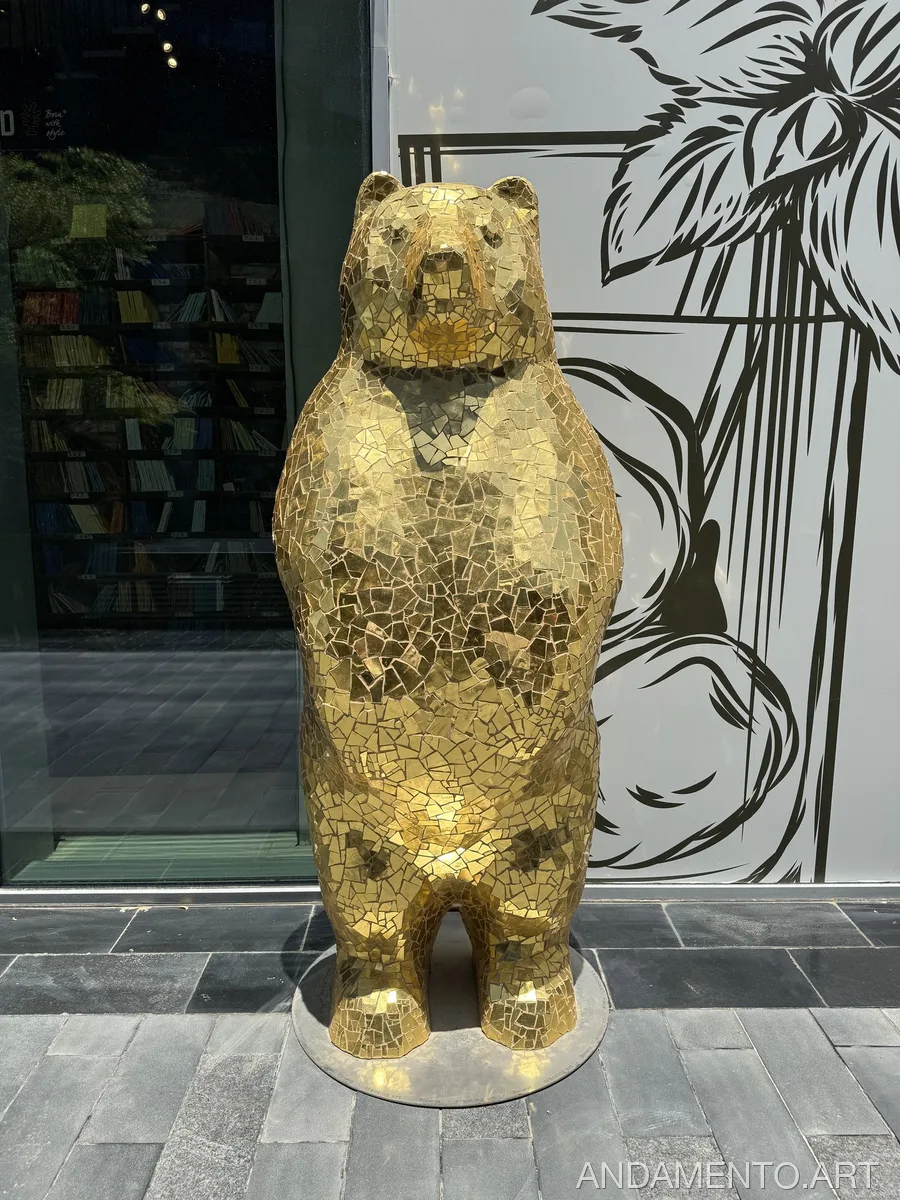
Today, Gaudí’s trencadís is experiencing a rebirth, transitioning from physical space to the digital realm. Modern artists and street art masters use the principles of trencadís to create large-scale murals, using pieces of plastic, CDs, or even fragments of old screens instead of ceramics. This “Neo-Trencadís” movement continues the tradition of material recycling, adapting it to the ecological challenges of the 21st century. Visual chaos, ordered into a general composition, remains the primary aesthetic principle of this style.
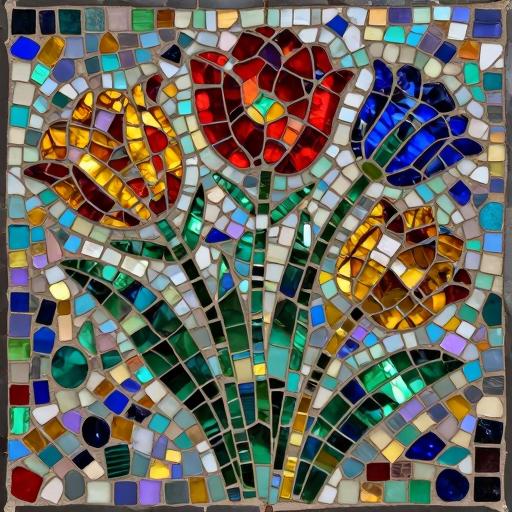
The integration of this technique into AI art is of particular interest. Modern algorithms can simulate the “broken tile” effect with incredible precision. In the andamento.art gallery, one can see how Matrix mosaic and MELTI mosaic techniques interpret the trencadís aesthetic. Neural networks analyze fracture structures and color transitions to create digital mosaics that look like physical objects. This allows artists to experiment with color and form without spending months on manual layout, creating projects that could eventually be realized in real concrete and ceramics using 3D printing or robotic placement.
How to Create Trencadís at Home
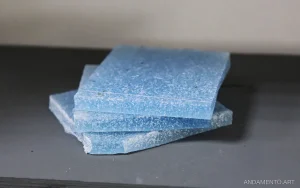
Creating trencadís-style mosaics is accessible to everyone, as it requires neither expensive equipment nor perfect materials. To start, you will need ceramic tiles, old porcelain plates, or colored glass. To obtain the correct “Gaudí-esque” shards, wrap the tile in a thick cloth and gently break it with a hammer. It is important to avoid too many tiny crumbs; the optimal fragment size is between 1 and 5 centimeters, which preserves the expressiveness of each element.
Related works in the gallery:
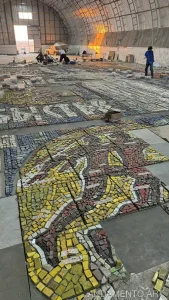
The assembly process begins with preparing the surface (a wooden panel, a concrete pot, or a wall). First, apply a layer of tile adhesive or a special adhesive. Place the fragments on the surface, leaving small gaps of 2–3 millimeters between them. The main secret of the style is the absence of rigid lines; elements should be placed organically, following the shape of the object. Once the glue has dried, fill the gaps with grout. To add shine and protect the surface, it is recommended to coat the finished work with wax or a special mosaic varnish, which will emphasize the depth of color in each shard.
If you want to experiment with the design before starting the physical work, try creating a digital sketch. The andamento.app service will help you visualize your idea, turning any photo or description into a detailed mosaic, providing a perfect blueprint for your future trencadís creation.